

7 Foods To Eat And 7 To Avoid To Whiten Your Teeth
Introduction: The Role of Diet in Teeth Whitening

A bright, white smile is often associated with health, youth, and attractiveness. While good oral hygiene practices like brushing and flossing are essential for maintaining white teeth, what you eat can significantly influence the color and health of your teeth. Certain foods can naturally whiten your teeth by strengthening enamel and increasing saliva production, while others can cause staining and enamel erosion, leading to yellowing and discoloration. This article explores 7 foods you should include in your diet to promote teeth whitening and 7 foods to avoid to keep your smile radiant.
7 Foods To Eat To Whiten Your Teeth

1. Apples
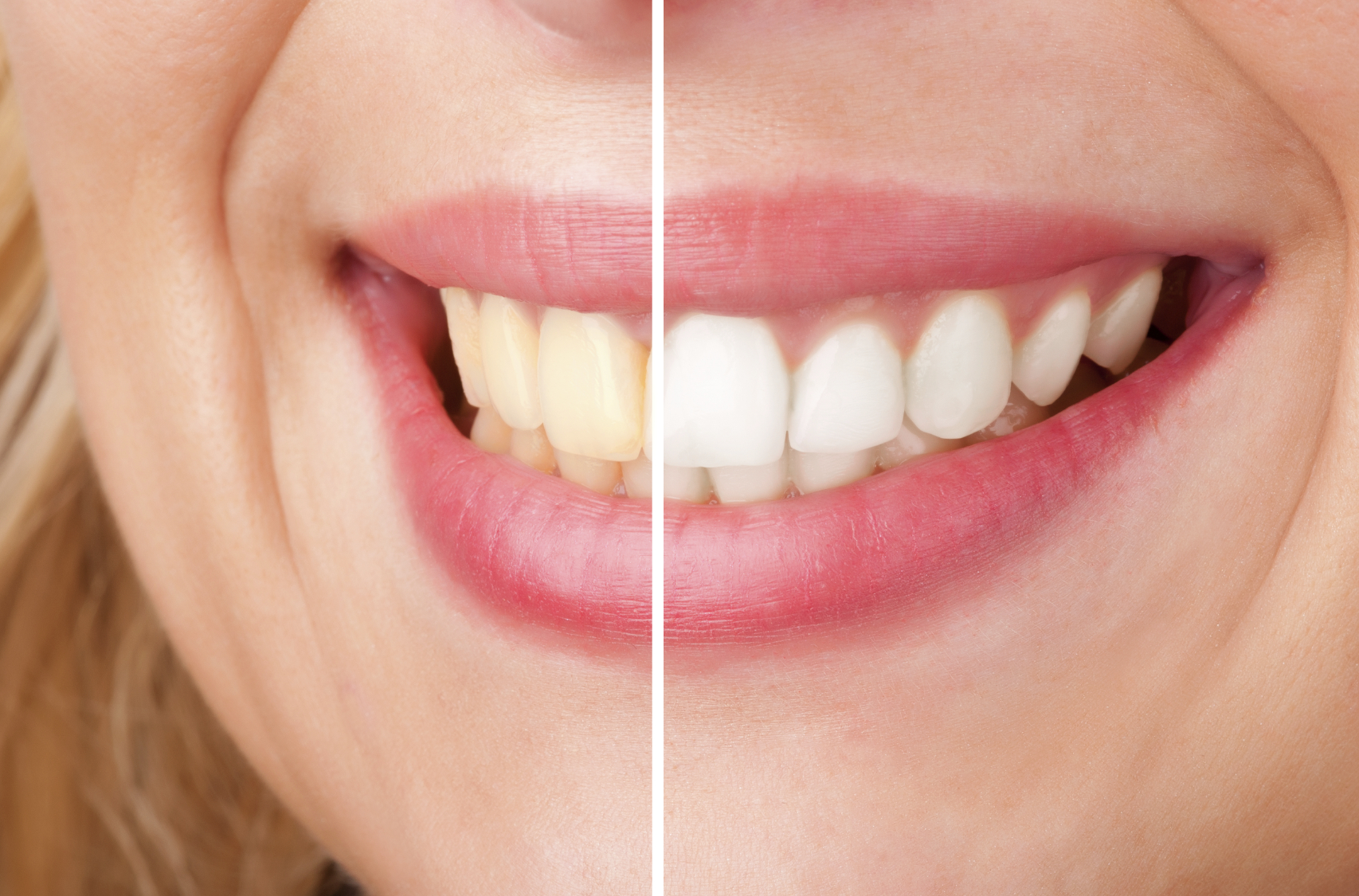
Apples are not only nutritious but also beneficial for your teeth. Their fibrous texture stimulates saliva production, which helps wash away food particles and bacteria that cause stains and decay. Chewing apples can reduce oral bacteria levels similarly to brushing, making them a great snack when you can’t brush immediately after eating. Additionally, apples contain malic acid, a natural enamel-strengthening agent that can help whiten teeth.
2. Strawberries
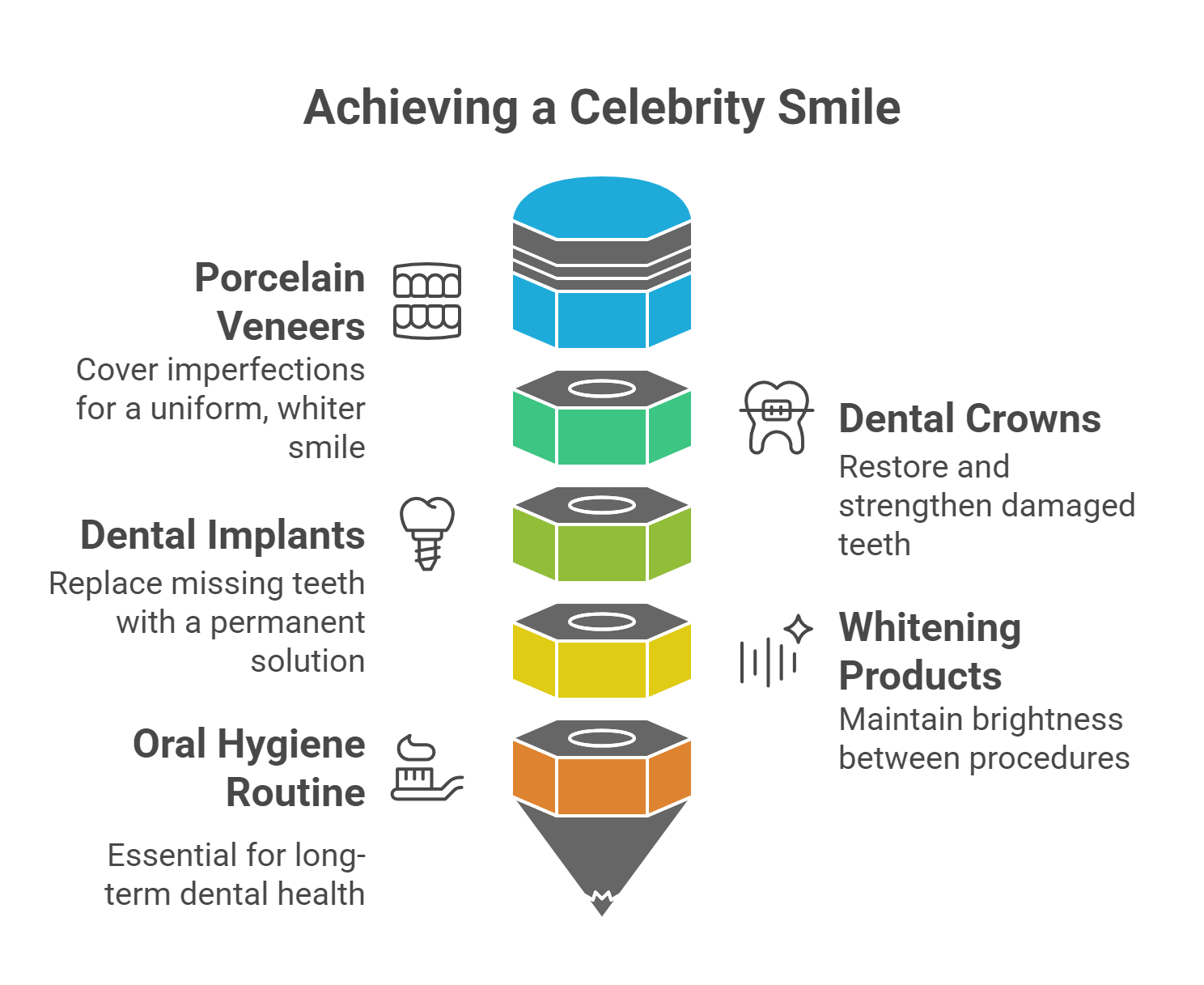
Despite their red color, strawberries contain malic acid and natural whitening compounds like ellagic acid and hydrogen peroxide in mild concentrations. These ingredients can gently remove surface stains without damaging enamel, offering a safe alternative to harsh chemical whiteners. Incorporating strawberries into your diet can support a brighter smile when combined with regular dental care.
3. Dairy Products
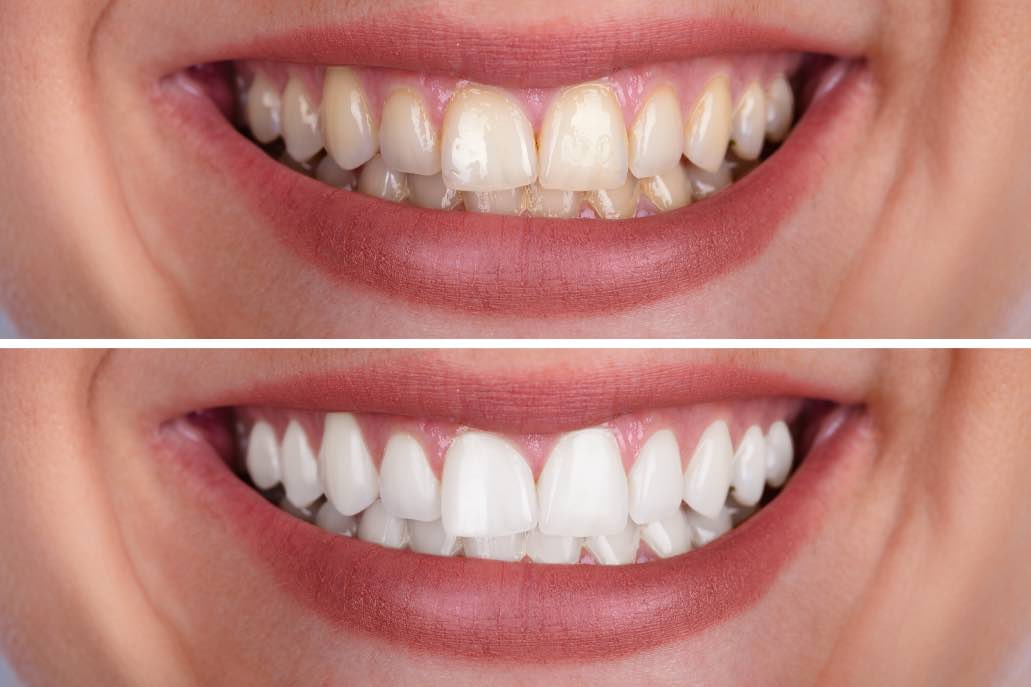
Milk, cheese, and yogurt are rich in calcium and casein protein, both essential for strengthening tooth enamel. Strong enamel protects teeth from discoloration and decay. Studies show that adding milk to staining beverages like tea can reduce their staining effects, thanks to casein’s protective properties. Including dairy in your diet supports enamel health and helps maintain a white smile.
4. Pineapple
Pineapple contains bromelain, an enzyme with natural whitening properties. Bromelain acts as a gentle alternative to hydrogen peroxide, effectively breaking down stains without causing tooth sensitivity or enamel damage. Consuming pineapple or using its extract in oral care products can contribute to teeth whitening and overall oral health.
5. Celery
Celery’s fibrous texture requires vigorous chewing, which increases saliva flow and mechanically cleans teeth surfaces. Saliva neutralizes acids and washes away stain-causing bacteria, helping to protect enamel and maintain tooth whiteness. Celery also provides vitamins A and C, calcium, and protein, which support gum health and enamel strength.
6. Broccoli
Raw broccoli is a crunchy vegetable packed with vitamins C and K, antioxidants, and fiber. Chewing broccoli helps remove surface stains and stimulates saliva production. Its nutrients help reduce gum inflammation and strengthen teeth, contributing to a healthier, whiter smile.
7. Watermelon
Watermelon is rich in malic acid, which has natural astringent properties that help prevent teeth staining and promote saliva production. Increased saliva flow helps rinse away bacteria and acids, protecting enamel from erosion and discoloration. Enjoying watermelon as a refreshing snack can support your teeth whitening efforts.
7 Foods To Avoid To Prevent Teeth Staining
1. Coffee and Tea
Both coffee and tea contain tannins that bind to tooth enamel, causing yellow or brown stains over time. Their acidic nature can also erode enamel, making teeth more susceptible to discoloration. To minimize staining, limit consumption, drink quickly rather than sipping throughout the day, and rinse your mouth with water afterward. Avoid brushing immediately after drinking to prevent enamel damage.
2. Tomato Sauce
Tomato sauce is highly acidic and richly pigmented, which can weaken enamel and cause staining. The acidity increases enamel porosity, allowing pigments to penetrate and discolor teeth. To reduce these effects, try cooking tomato sauce longer to lower acidity or add a small amount of baking soda to neutralize acid. Drinking water after meals with tomato sauce can also help rinse away residues.
3. Red Wine
Red wine contains tannins and anthocyanins, both of which contribute to deep staining of teeth. Its acidity further erodes enamel, increasing vulnerability to discoloration. People with weaker enamel or higher plaque levels may experience more pronounced staining. Limiting red wine intake and rinsing with water afterward can help protect your smile.
4. Soda
Carbonated sodas, especially dark-colored colas, are highly acidic and contain artificial dyes that stain teeth. The acid erodes enamel, while the dyes adhere to tooth surfaces, causing persistent discoloration. To minimize damage, reduce soda consumption, use a straw to limit contact with teeth, and consume snacks that stimulate saliva production alongside.
5. Sweets and Sugary Foods
Sugary treats promote bacterial growth in the mouth, leading to acid production that erodes enamel and causes yellowing. Some candies and baked goods also contain artificial coloring that can stain teeth. Limiting sugar intake and maintaining good oral hygiene are crucial to prevent enamel damage and discoloration.
6. Berries (Blueberries, Blackberries, Raspberries)
While nutritious, many berries have dark pigments called chromogens that can stain teeth. To reduce staining, eat berries with water, avoid holding them in your mouth for long periods, and rinse or brush your teeth soon after consumption. Drinking milk afterward can neutralize acids and strengthen enamel.
7. Soy Sauce
Soy sauce is darkly pigmented and acidic, making it a potential culprit for teeth staining and enamel erosion. Its strong color can linger on teeth surfaces, while acidity weakens enamel. To protect your teeth, use soy sauce sparingly, dilute it when possible, and drink plenty of water during meals containing soy sauce.
Conclusion
Your diet plays a vital role in maintaining a bright, white smile. Incorporating teeth-friendly foods like apples, strawberries, dairy products, pineapple, celery, broccoli, and watermelon can naturally whiten teeth by strengthening enamel and increasing saliva flow. Conversely, limiting or avoiding staining and acidic foods such as coffee, tea, tomato sauce, red wine, soda, sugary sweets, berries, and soy sauce can help prevent discoloration and enamel damage. Combining mindful eating habits with consistent oral hygiene and regular dental check-ups is the best strategy for a radiant smile.
Ready to enhance your smile naturally? Start by adjusting your diet today and consult your dentist for personalized advice on teeth whitening and oral care!