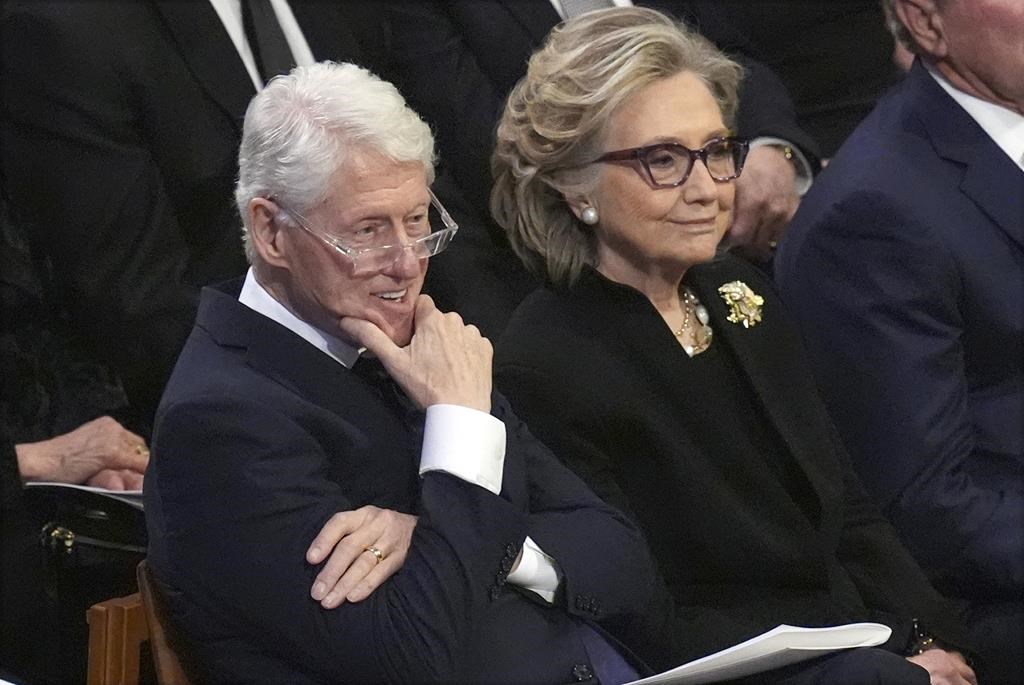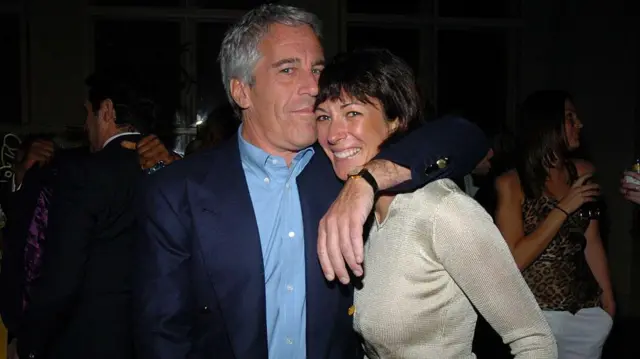
Bill, Hillary Clinton Threatened with Contempt of Congress as House Expands Jeffrey Epstein Probe
House Oversight Committee Demands Clintons’ Testimony in Epstein Investigation

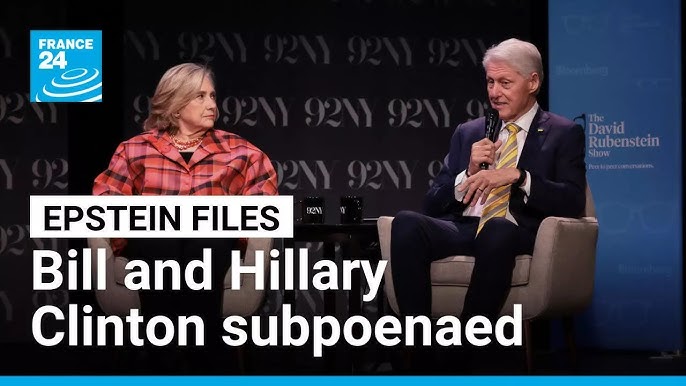
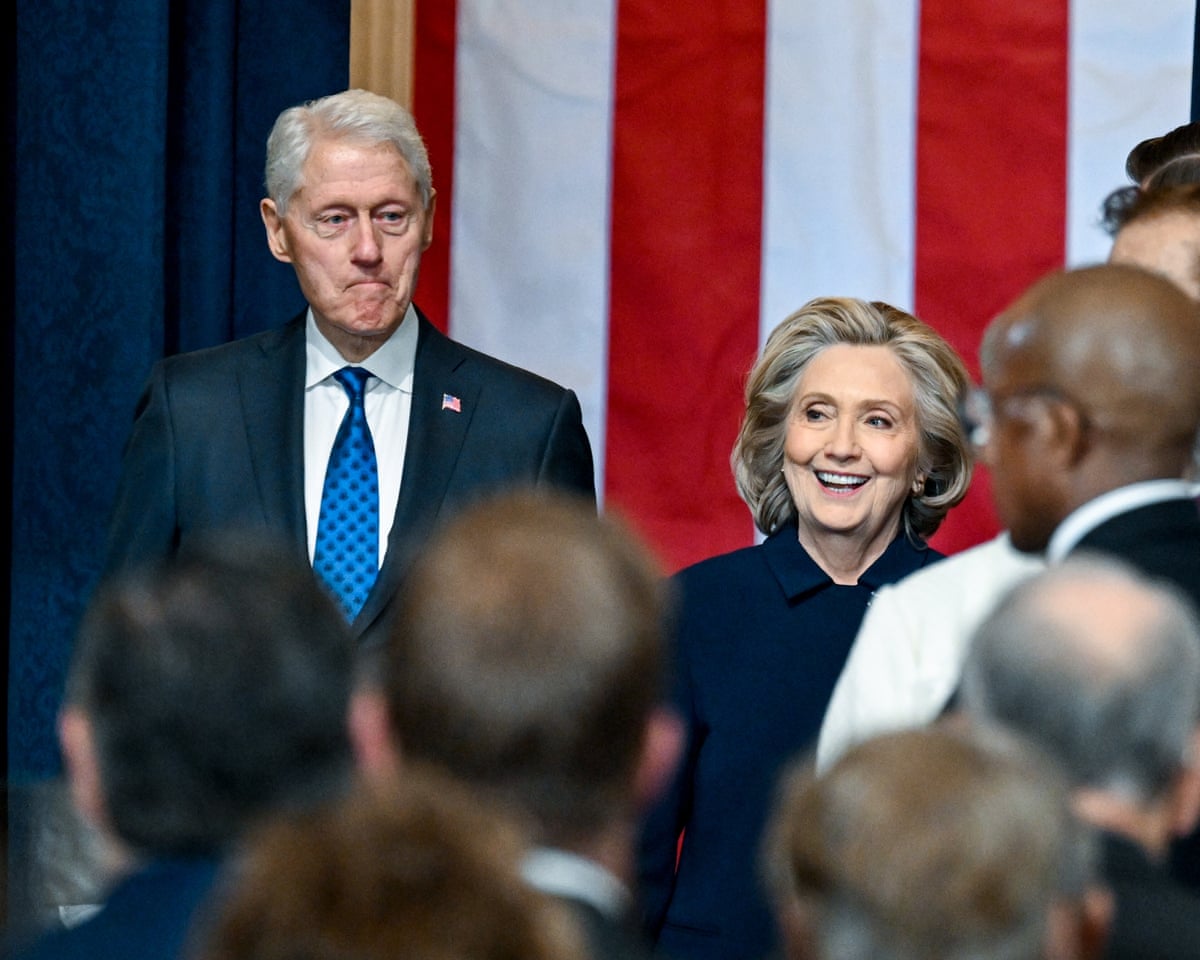
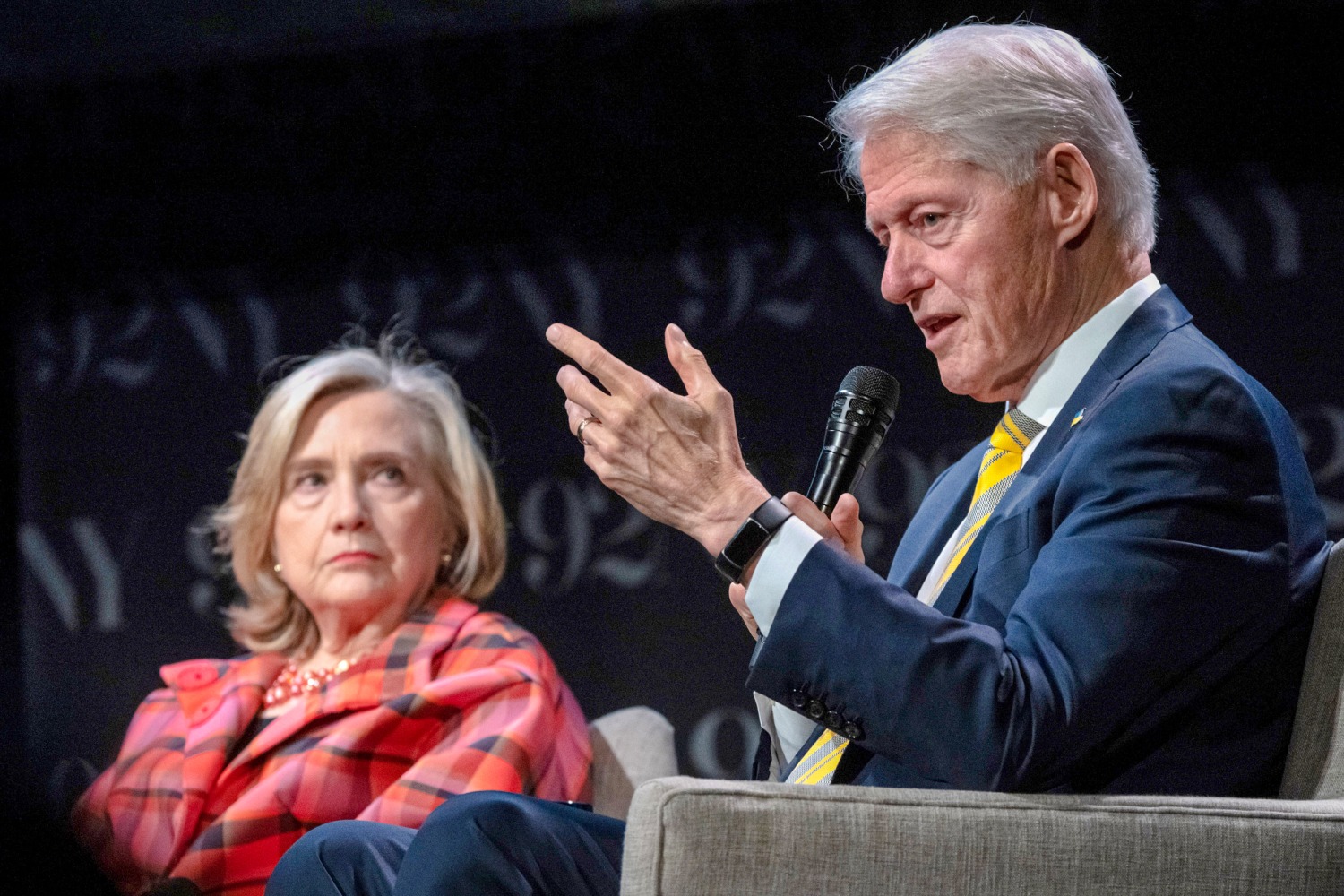
The House Oversight Committee, led by Chairman James Comer (R-Ky.), has escalated its probe into the late convicted sex offender Jeffrey Epstein by subpoenaing former President Bill Clinton and former Secretary of State Hillary Clinton to appear for depositions. This move marks a significant expansion of the investigation, signaling Congress’s intent to uncover the extent of the Clintons’ relationship with Epstein and his associate Ghislaine Maxwell.
Initially, the Clintons were subpoenaed in early August to provide information about their connections to Epstein. However, their legal counsel responded by requesting to submit a written statement instead of appearing in person. Chairman Comer rejected this request, emphasizing the importance of in-person testimony for the committee’s legislative oversight responsibilities. He warned that failure to comply with the subpoena could result in contempt of Congress charges.
Details of the Subpoenas and Potential Consequences
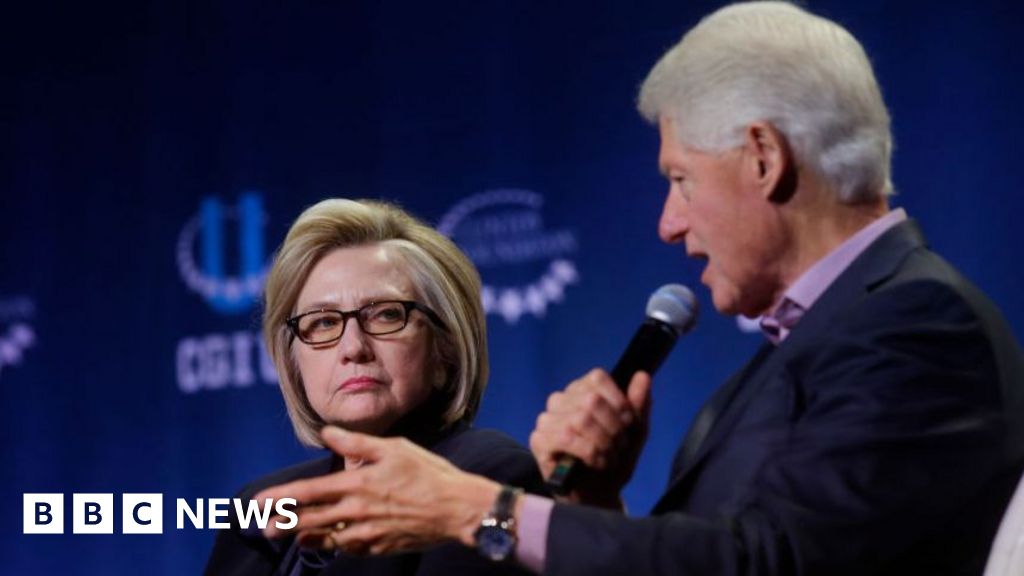
Bill Clinton has been ordered to appear for his deposition on December 17 at 10 a.m., followed by Hillary Clinton on December 18 at the same time. Should either of them refuse to comply, the Oversight Committee will initiate contempt of Congress proceedings. This process requires a resolution passed by the committee and the full House of Representatives, after which a criminal referral would be sent to the Attorney General.
This development echoes previous contempt cases under the Biden administration, where former Trump allies Steven Bannon and Peter Navarro were prosecuted and sentenced for defying congressional subpoenas related to the January 6 Capitol attack investigation. The stakes are high, and the legal ramifications could be significant for the former first couple.
Examining the Clintons’ Connections to Jeffrey Epstein

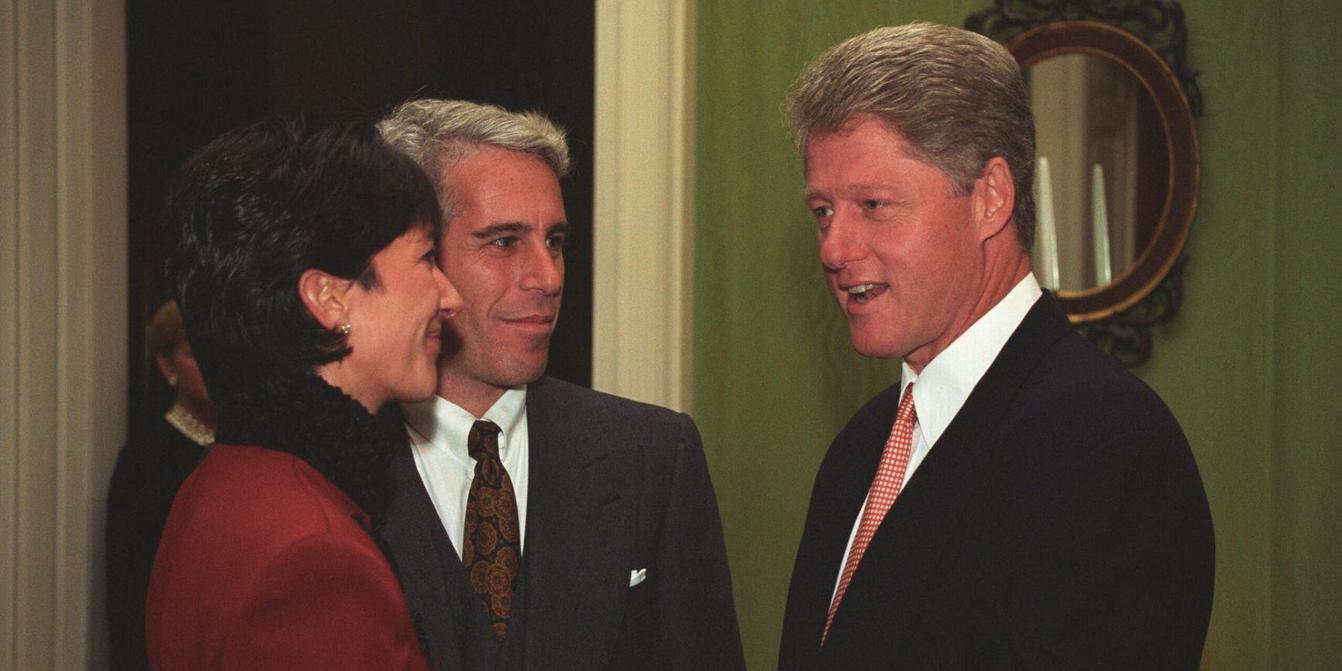
The investigation focuses on the Clintons’ personal, not official, relationships with Epstein and Maxwell. Comer clarified that the committee’s interest lies in the fact that both Bill and Hillary Clinton maintained ties with Epstein outside their government roles. This includes Bill Clinton’s multiple flights on Epstein’s private jet, infamously dubbed the “Lolita Express,” and Hillary Clinton’s acceptance of campaign donations from Epstein prior to his legal troubles.
Moreover, Ghislaine Maxwell, Epstein’s convicted madam currently serving a 20-year sentence for sex trafficking, was a guest at Chelsea Clinton’s wedding in 2010. These connections have fueled public and congressional curiosity about the nature and extent of the Clintons’ involvement with Epstein’s network.
Background on Jeffrey Epstein’s Criminal Activities and Death

Jeffrey Epstein pleaded guilty in 2008 to soliciting a minor for prostitution and was required to register as a sex offender. Despite this, he maintained influential relationships with prominent figures across politics, business, and royalty. In July 2019, Epstein was charged federally with sex trafficking but died by suicide in his Manhattan jail cell a month later while awaiting trial.
The investigation into Epstein’s associates continues to uncover new details, with the House Oversight Committee seeking transparency and accountability from those connected to him. The Clintons’ subpoena is a critical part of this broader effort.
Legal Challenges and Executive Privilege Considerations
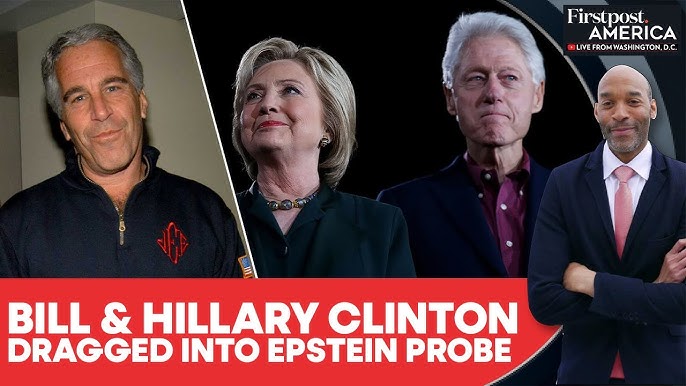
Legal experts speculate that Bill and Hillary Clinton might attempt to invoke executive privilege to avoid testifying. However, it remains uncertain whether this privilege extends to their personal interactions with Epstein, as the committee’s inquiry specifically targets their private relationships rather than official government conduct.
Other high-profile figures subpoenaed by the committee, including former Attorneys General and FBI Directors, have submitted written statements confirming they possess no relevant information, thereby avoiding depositions. Bill Barr, former Attorney General during Epstein’s arrest, is the only one who has appeared for questioning so far.
Statements from the Clintons’ Legal Team
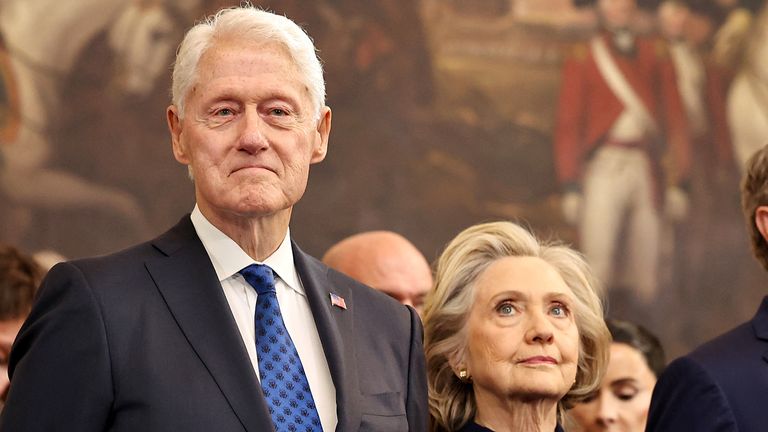
David Kendall, attorney for the Clintons, has acknowledged the abhorrent nature of Epstein and Maxwell’s crimes and expressed support for legitimate oversight grounded in fact. However, he maintains that the Clintons have limited information to contribute beyond what can be provided in writing.
This stance contrasts with the committee’s insistence on in-person testimony, underscoring the tension between congressional authority and the former first couple’s legal strategy.
Conclusion

The House Oversight Committee’s decision to subpoena Bill and Hillary Clinton for depositions in the Jeffrey Epstein investigation represents a pivotal moment in a high-profile political inquiry. With potential contempt of Congress charges looming, the Clintons face increased pressure to cooperate fully with lawmakers seeking answers about their ties to Epstein.
As this investigation unfolds, staying informed is crucial. Follow the latest updates and understand the implications of congressional probes on political figures. If you want to stay ahead of breaking news and in-depth political analysis, subscribe to our newsletter today and never miss a critical development.