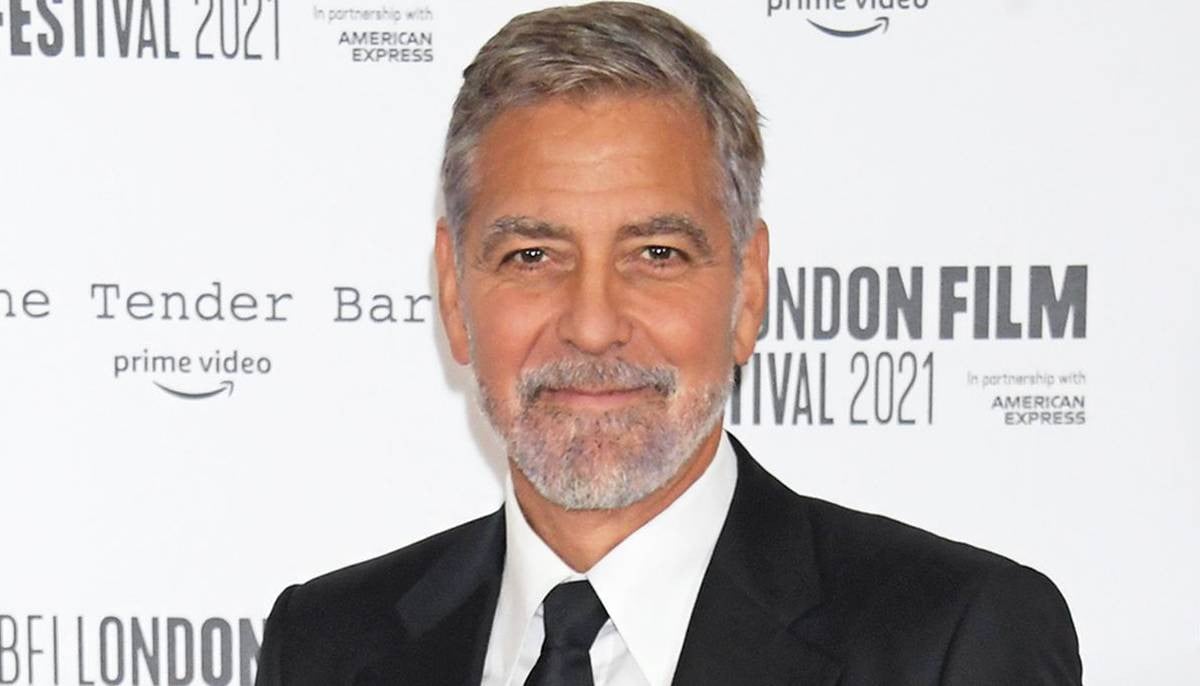
“Dementia is one of George’s biggest fears”: George Clooney Sparks Health Concerns With His Recent Statements
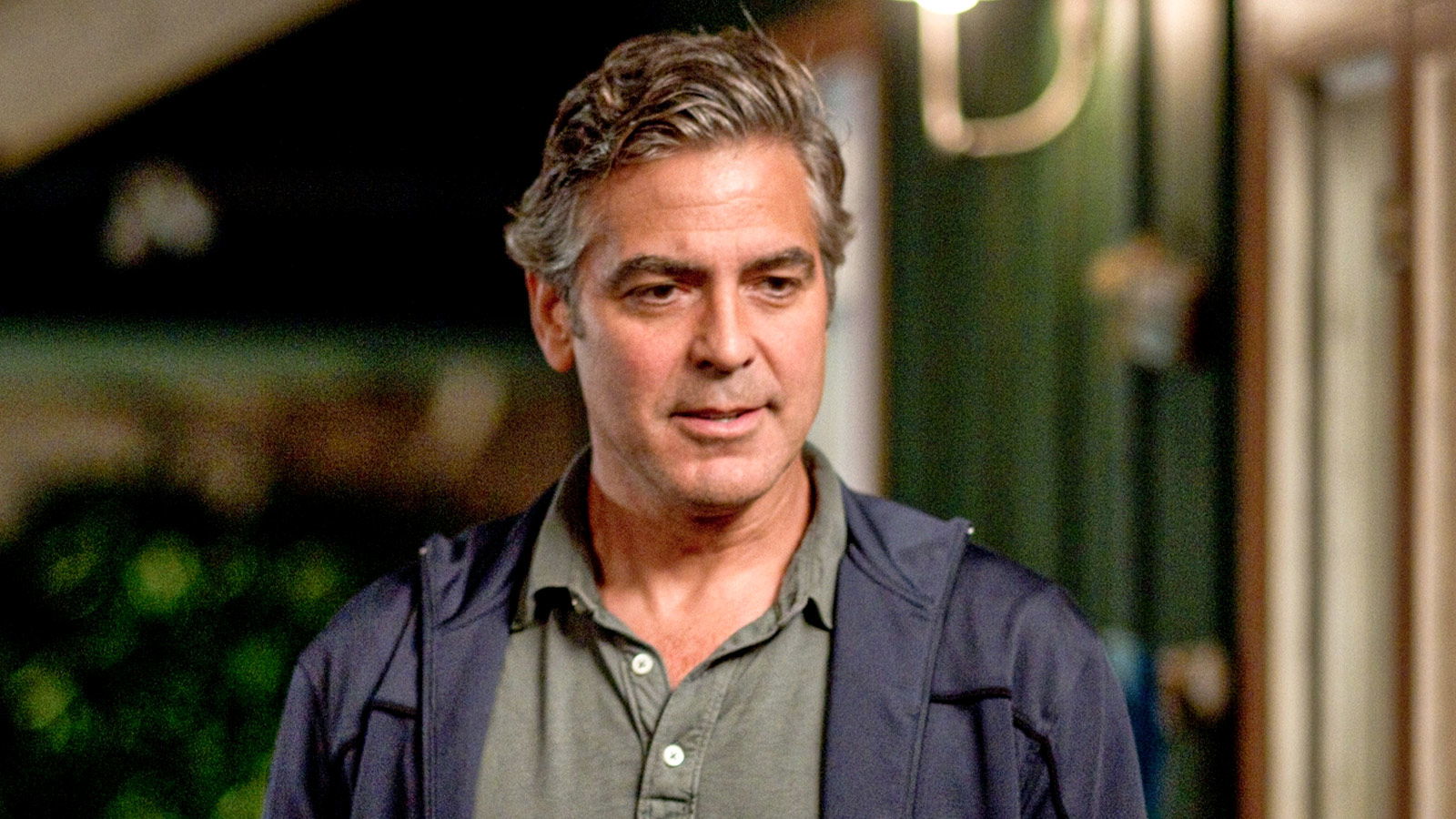
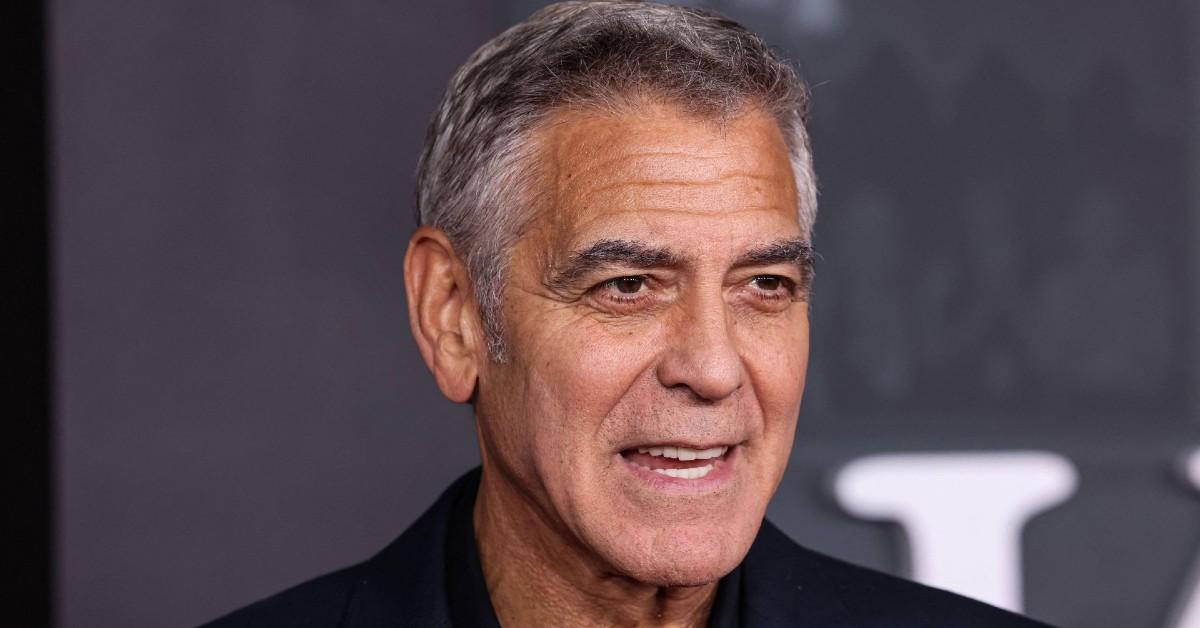
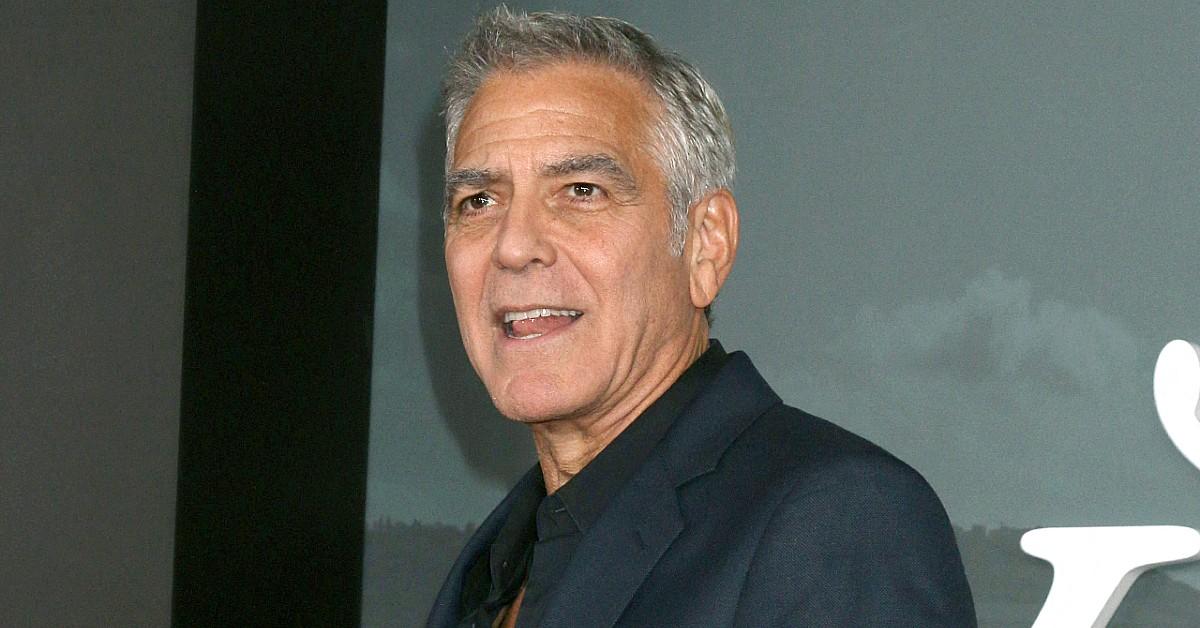
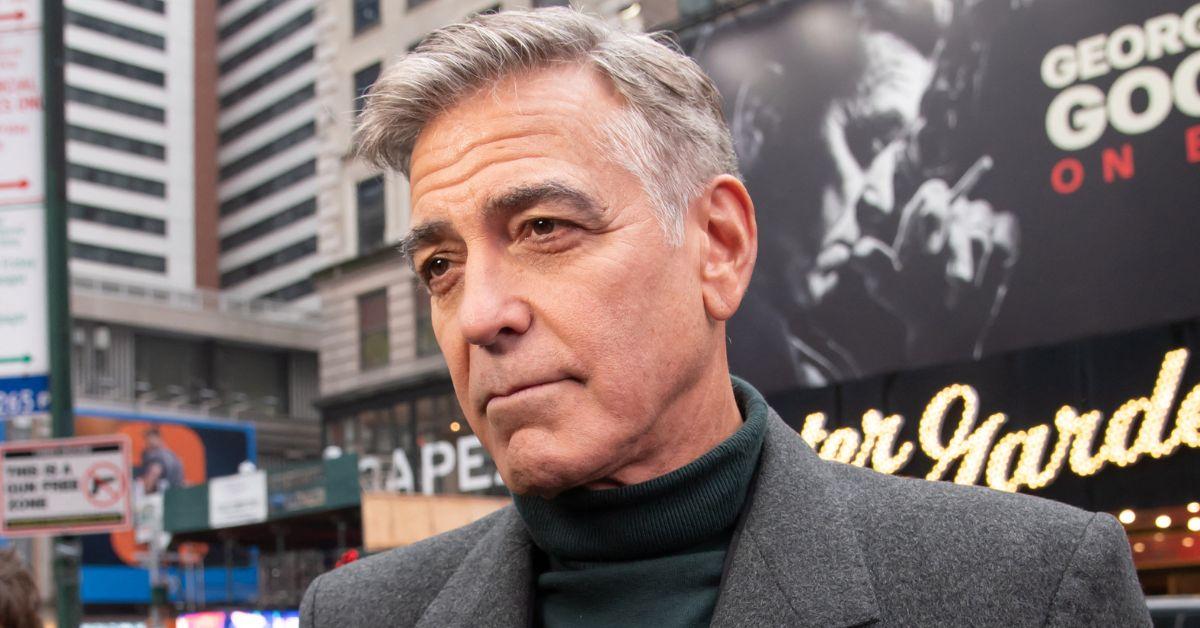
George Clooney, the acclaimed actor and humanitarian, has recently opened up about a deeply personal concern that resonates with millions worldwide: dementia. Known for his charismatic presence on and off the screen, Clooney’s candid reflections on his fears about cognitive decline have sparked widespread conversations about brain health and aging. In this article, we delve into George Clooney’s recent statements, explore the realities of dementia, and discuss why raising awareness is crucial for early prevention and support.
George Clooney’s Honest Reflections on Dementia
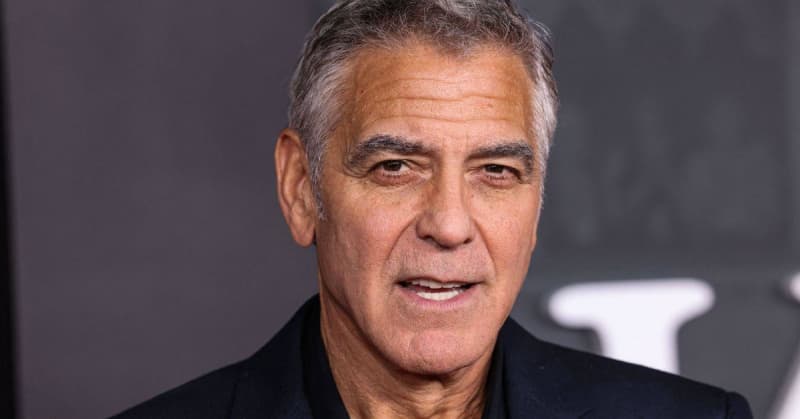
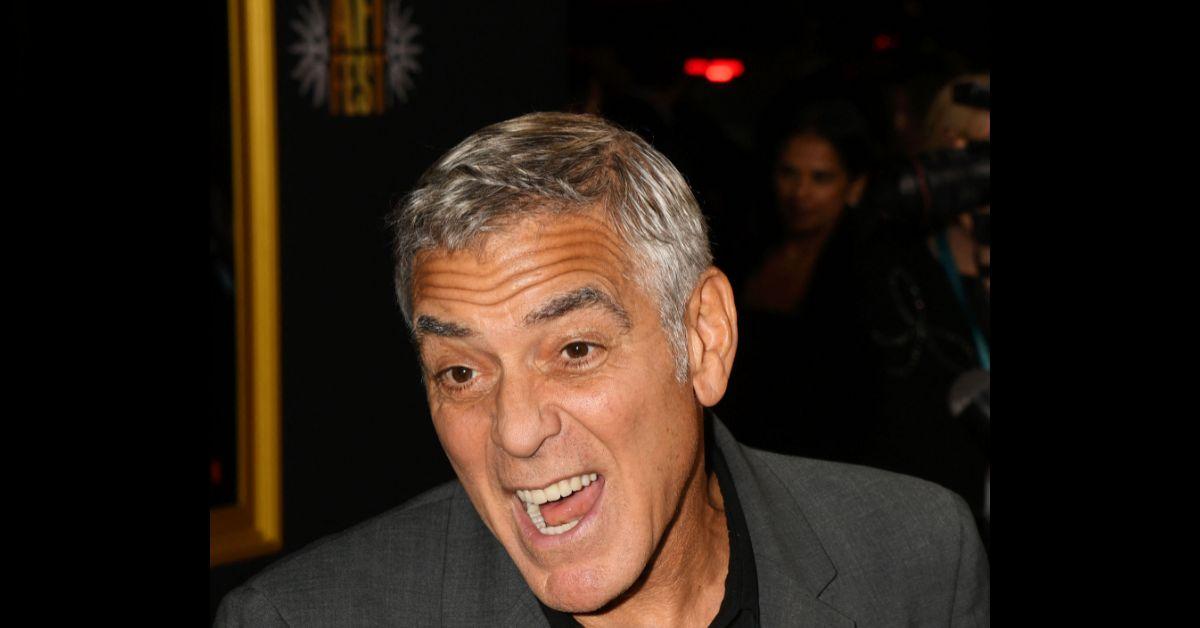
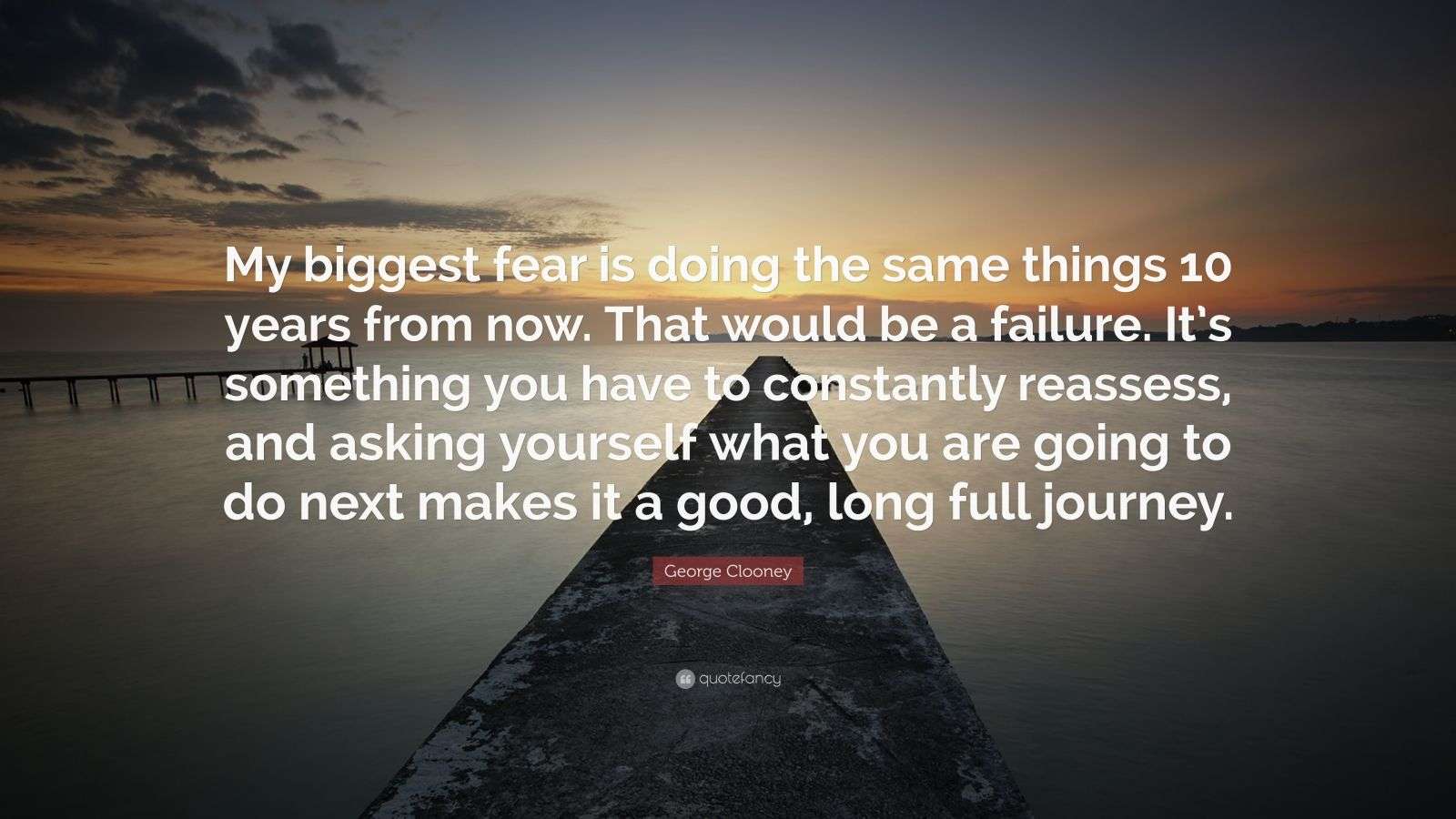
In a series of interviews and public appearances, George Clooney has expressed his apprehension about dementia, describing it as one of his biggest fears. This revelation has surprised many fans who often see him as a symbol of vitality and resilience. Clooney’s openness about this topic highlights the universal nature of health concerns, regardless of fame or fortune.
Dementia, a collective term for disorders affecting memory, thinking, and social abilities, can profoundly impact individuals and their families. Clooney’s willingness to discuss his fears publicly helps destigmatize the condition and encourages others to prioritize brain health. His statements underscore the importance of early detection and lifestyle choices that may reduce the risk of cognitive decline.
Understanding Dementia: What Everyone Should Know
Dementia is not a single disease but rather a syndrome caused by various brain illnesses, the most common being Alzheimer’s disease. Symptoms typically include memory loss, difficulty communicating, impaired reasoning, and changes in behavior. While dementia primarily affects older adults, it is not a normal part of aging.
The impact of dementia extends beyond the individual, affecting families, caregivers, and communities. Early diagnosis can improve quality of life by enabling access to treatments, support services, and planning for the future. Public figures like George Clooney bringing attention to dementia can inspire more people to seek information and medical advice.
Lifestyle factors such as maintaining a healthy diet, regular physical activity, mental stimulation, and social engagement have been linked to a lower risk of developing dementia. Clooney’s concern serves as a reminder that proactive health measures are essential for everyone, regardless of age.
Why George Clooney’s Statements Matter
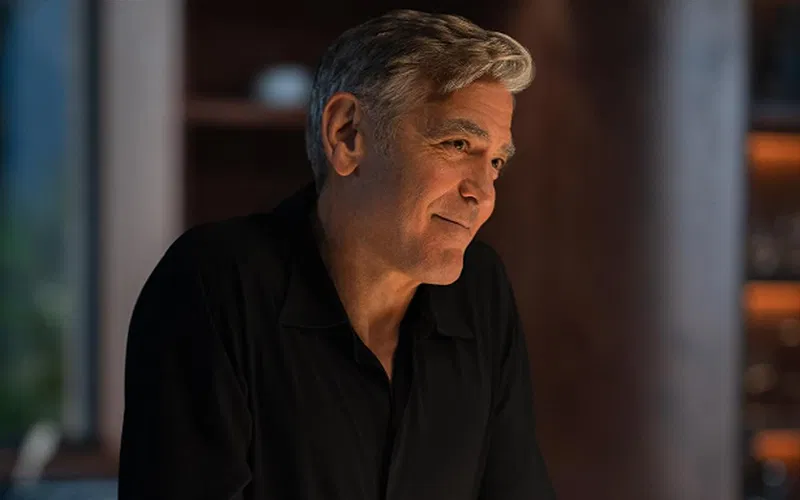
When a celebrity of George Clooney’s stature discusses personal health fears, it resonates widely and can influence public attitudes. His statements about dementia bring much-needed visibility to a condition often shrouded in fear and misunderstanding. This openness can foster empathy and encourage conversations about mental health and aging.
Moreover, Clooney’s advocacy can help mobilize resources for research and support services. Increased awareness can lead to better funding for scientific studies aimed at finding effective treatments or even a cure. It also emphasizes the importance of community support for those living with dementia and their families.
Taking Action: What You Can Do to Protect Your Brain Health

Inspired by George Clooney’s candidness, individuals can take practical steps to reduce their risk of dementia. Prioritizing brain health is a lifelong commitment that includes:
– Healthy Nutrition: Consuming a balanced diet rich in fruits, vegetables, whole grains, and lean proteins supports brain function.
– Regular Exercise: Physical activity improves blood flow to the brain and promotes overall well-being.
– Mental Stimulation: Engaging in puzzles, reading, learning new skills, or hobbies keeps the brain active.
– Social Connections: Maintaining strong relationships helps reduce stress and cognitive decline.
– Regular Health Check-ups: Monitoring blood pressure, cholesterol, and diabetes can prevent conditions linked to dementia.
By adopting these habits, individuals can empower themselves to face aging with confidence and reduce the likelihood of cognitive impairment.
Conclusion
George Clooney’s heartfelt admission that dementia is one of his biggest fears shines a spotlight on a critical health issue affecting millions globally. His openness encourages a broader dialogue about brain health, early detection, and prevention strategies. As we reflect on Clooney’s concerns, it’s essential to take proactive steps in our own lives to safeguard cognitive function. Don’t wait—start prioritizing your brain health today and share this message with loved ones to raise awareness. Together, we can confront dementia with knowledge, compassion, and hope.