The Hidden Truth About The Most Inbred Family In The United States
The Whittaker Family: A Complex Legacy of Inbreeding in West Virginia
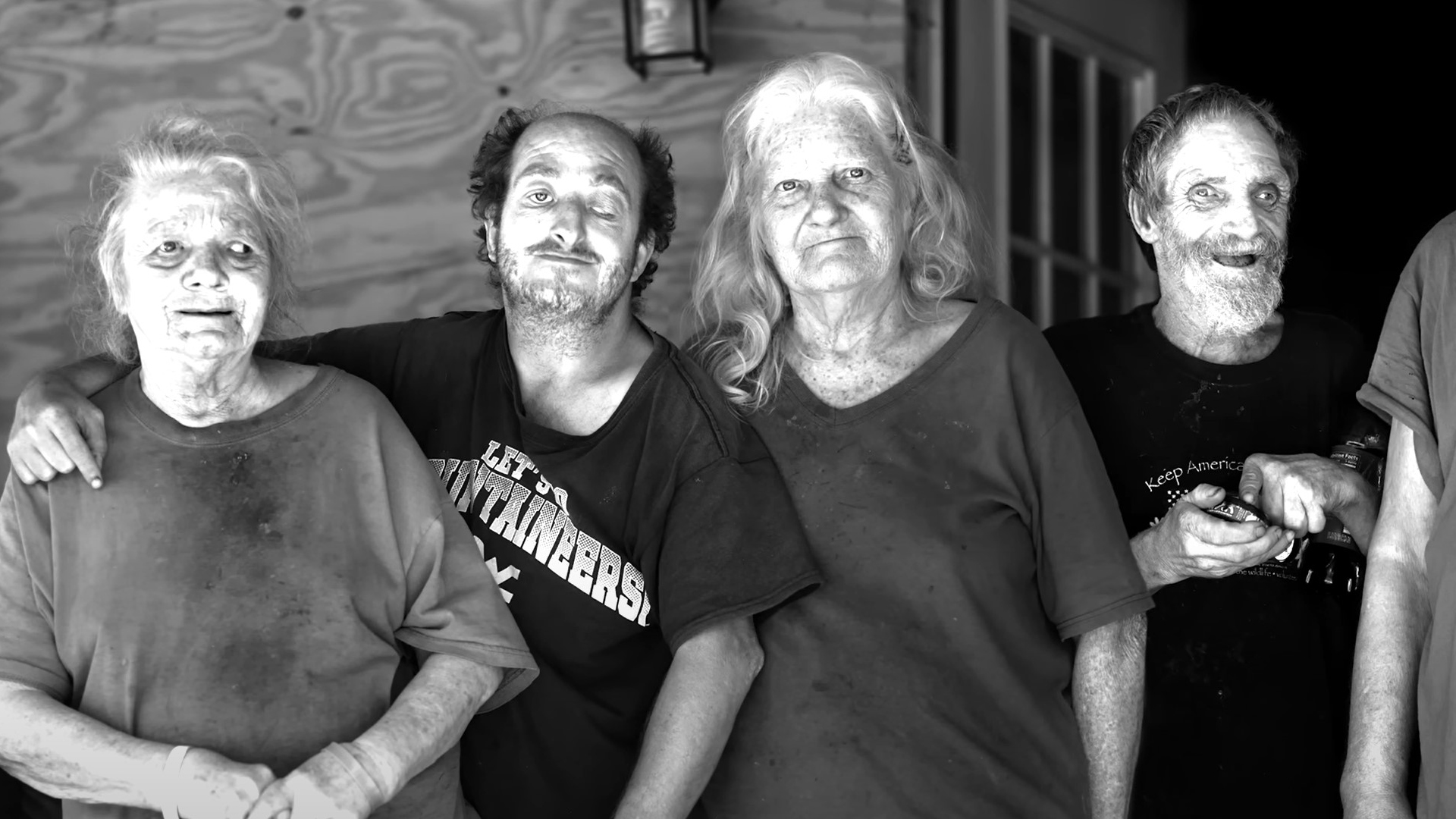
Nestled in the small village of Odd, West Virginia, a family has captured national attention for their extraordinary and troubling history of inbreeding. The Whittakers, often dubbed the most inbred family in the United States, have a lineage marked by repeated cousin marriages and genetic complications that have persisted for generations. This article delves into the origins of the Whittaker family’s unique genetic makeup, the consequences of their close-knit bloodline, and the broader implications of inbreeding in human populations.
Origins of the Whittaker Family’s Inbreeding

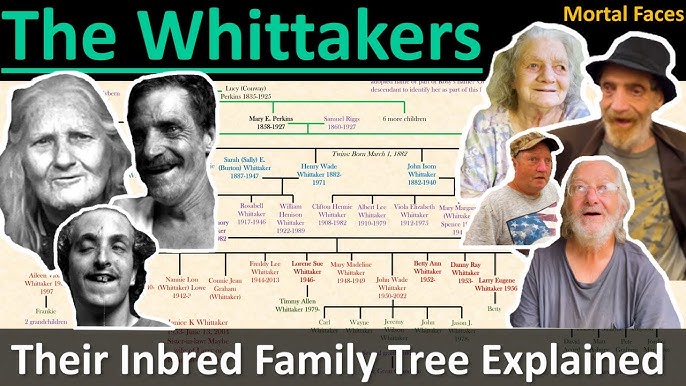
The story of the Whittaker family begins with two identical twins, Henry and John, whose descendants intermarried over multiple generations. The first notable instance of inbreeding occurred when two children of these twins, Harry and Sally—who were cousins—married each other. Because their fathers were identical twins, the genetic similarity between Harry and Sally was even greater than typical first cousins, reducing the genetic diversity in their offspring.
This pattern continued as one of their children, John, married his first cousin Ada, producing nine children, including Gracie. Gracie later married John Whittaker, her double first cousin—meaning their parents were siblings who married siblings, further collapsing the family tree. The result was a family with a highly condensed gene pool, leading to a significant increase in genetic abnormalities among their descendants.
The Genetic Consequences of Inbreeding
Inbreeding increases the likelihood that offspring will inherit two copies of faulty genes, one from each parent. Normally, when parents are unrelated, a defective gene from one parent can often be compensated for by a healthy gene from the other. However, when parents share a close genetic relationship, the chances of both passing on the same defective gene rise dramatically.
This genetic bottleneck can lead to a variety of health issues, including developmental delays, physical abnormalities, and cognitive impairments. The Whittaker family exhibits many of these symptoms, with some members experiencing facial deformities, speech difficulties, and other disabilities. Notably, some family members are nonverbal, communicating through grunts and gestures rather than spoken language.
Scientific studies have linked such speech and developmental issues to genetic factors that may be amplified by inbreeding. For example, research published in the Journal of Public Health and Epidemiology suggests that some of these challenges could be related to autism spectrum disorders, which have a partial genetic basis.
Social and Cultural Context of Cousin Marriages
While cousin marriage is often stigmatized in Western societies, it remains common in many parts of the world, including regions of Africa, Asia, and among some immigrant communities. Historically, cousin marriages helped maintain family wealth and social ties. Even notable figures like Charles Darwin married their first cousins without awareness of potential genetic risks.
However, modern research indicates that cousin marriages carry more significant health risks than previously understood. A study conducted in Bradford, England, where cousin marriages are prevalent in the Pakistani community, found that children born to related parents had higher rates of developmental problems compared to those with unrelated parents. These findings highlight the importance of genetic diversity for healthy offspring.
The Whittakers in the Public Eye: Documentary and Controversy
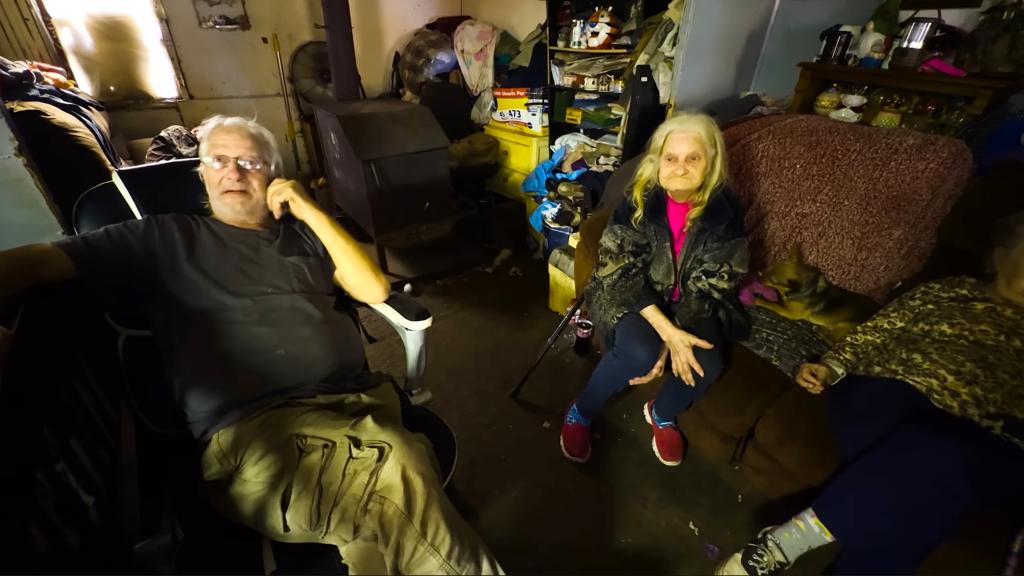
The Whittaker family gained widespread attention through the work of photographer and filmmaker Mark Laita, who documented their lives for his Soft White Underbelly project. Laita’s portraits and interviews brought the family’s story to a broader audience, revealing both their struggles and resilience.
Despite the exposure, the relationship between Laita and the Whittakers has been complicated. Financial difficulties led Laita to help the family raise funds through GoFundMe campaigns, but later allegations surfaced that some family members misused donations and even faked a death to solicit money. These controversies have added layers of complexity to an already intricate family narrative.
Lessons from the Whittaker Family Story
The tale of the Whittakers serves as a poignant example of the genetic and social consequences of inbreeding. It underscores the importance of genetic diversity in human populations and the risks associated with repeated close-relative marriages. Moreover, it highlights the challenges faced by marginalized families living in poverty and isolation.
For those interested in genetics, public health, or social anthropology, the Whittaker family’s story offers a unique case study. It also serves as a reminder of the need for compassion and support for vulnerable communities facing complex issues.
Conclusion
The hidden truth about the most inbred family in the United States reveals a complex interplay of genetics, culture, and social dynamics. The Whittaker family’s history illustrates the serious risks of inbreeding and the profound impact it can have on health and well-being. As their story continues to unfold, it encourages greater awareness about genetic health and the importance of supporting families in need.
If you or someone you know is struggling with genetic health concerns or social challenges, don’t hesitate to seek professional guidance. Understanding and compassion can make a significant difference in overcoming adversity.
For more insights into genetics and family health, subscribe to our newsletter and stay informed about the latest research and stories that matter.