Martha Stewart Does Not Want ‘Coffin Things’ After Demise
Martha Stewart, the renowned lifestyle expert and television personality, has recently opened up about her unconventional wishes for what should happen after her death. At 84 years old, Stewart is candidly discussing her plans to forgo traditional burial methods, opting instead for a more natural and environmentally friendly approach. In a world where funeral customs often involve elaborate coffins and embalming, Stewart’s preference for composting and returning to the earth offers a refreshing perspective on end-of-life choices.
Martha Stewart’s Desire to Avoid Traditional Coffins
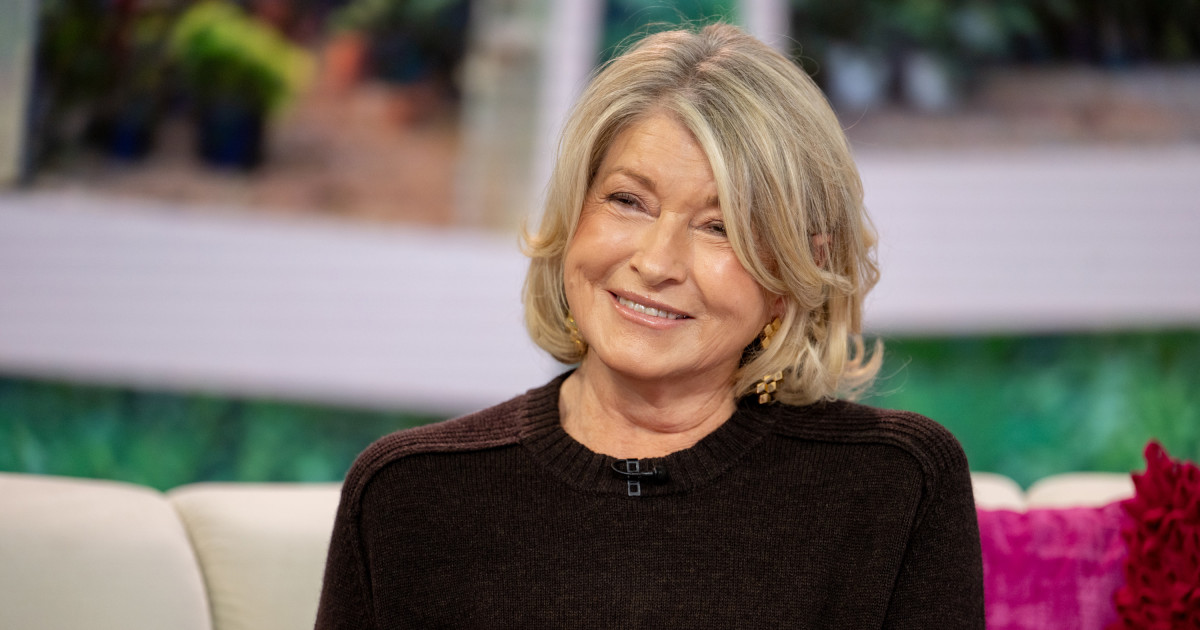
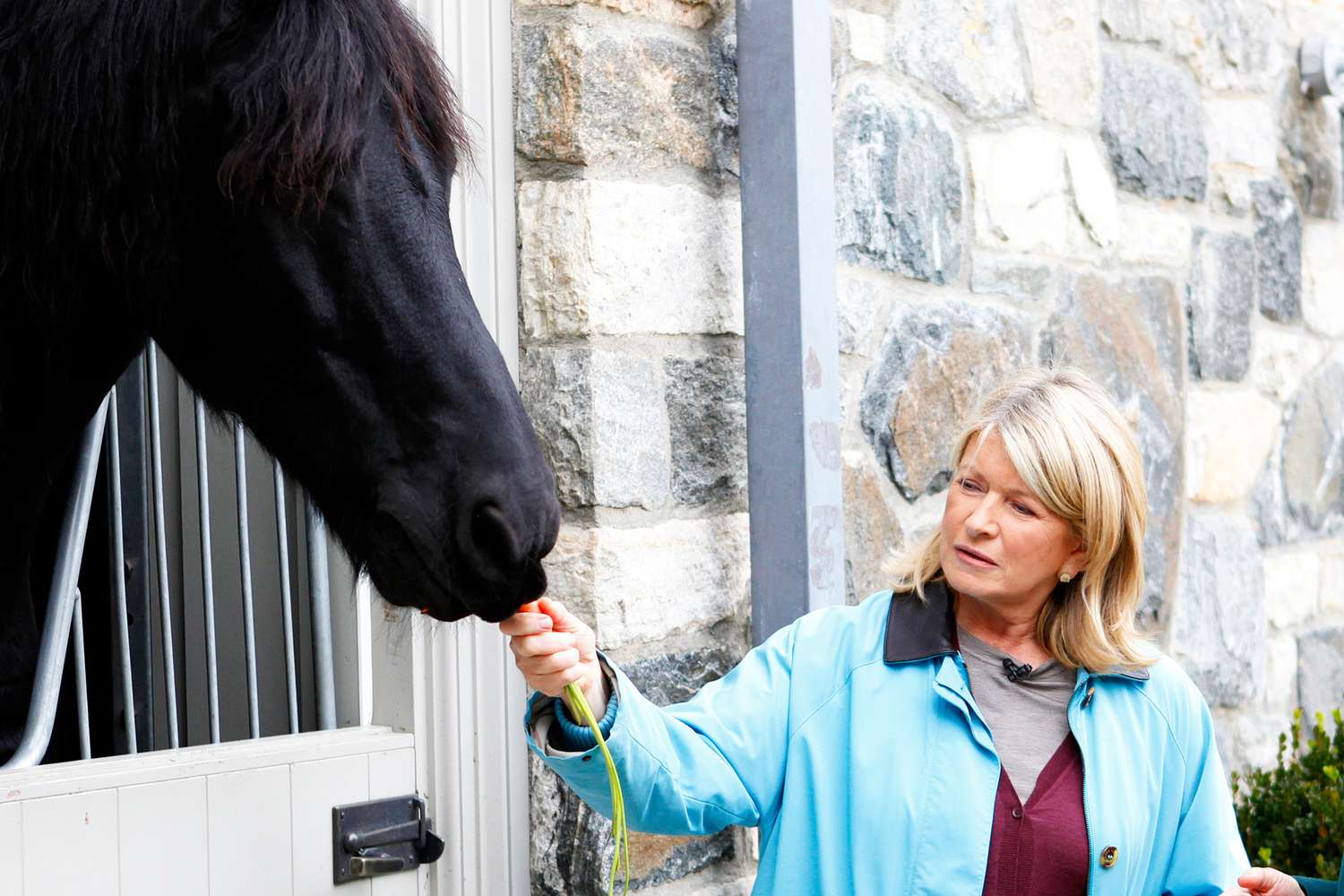
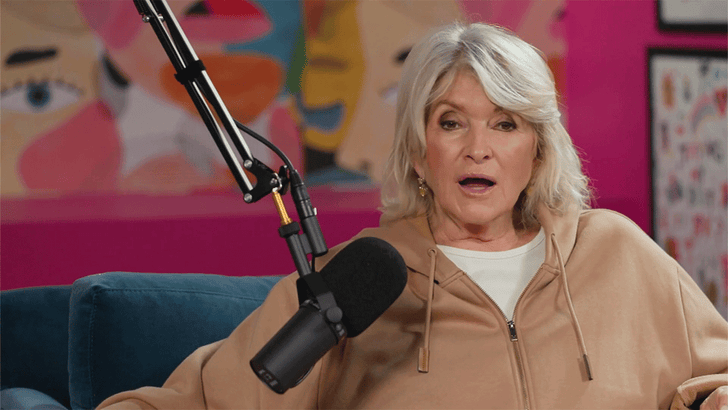
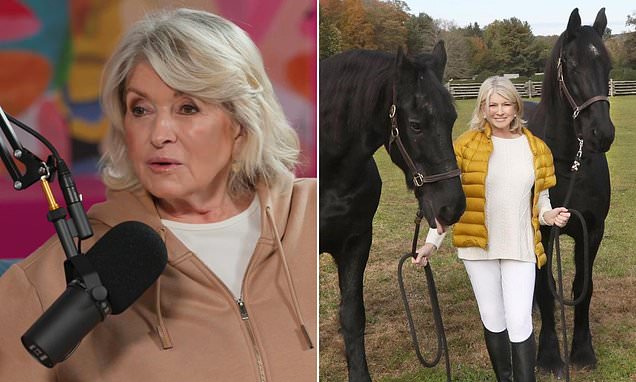
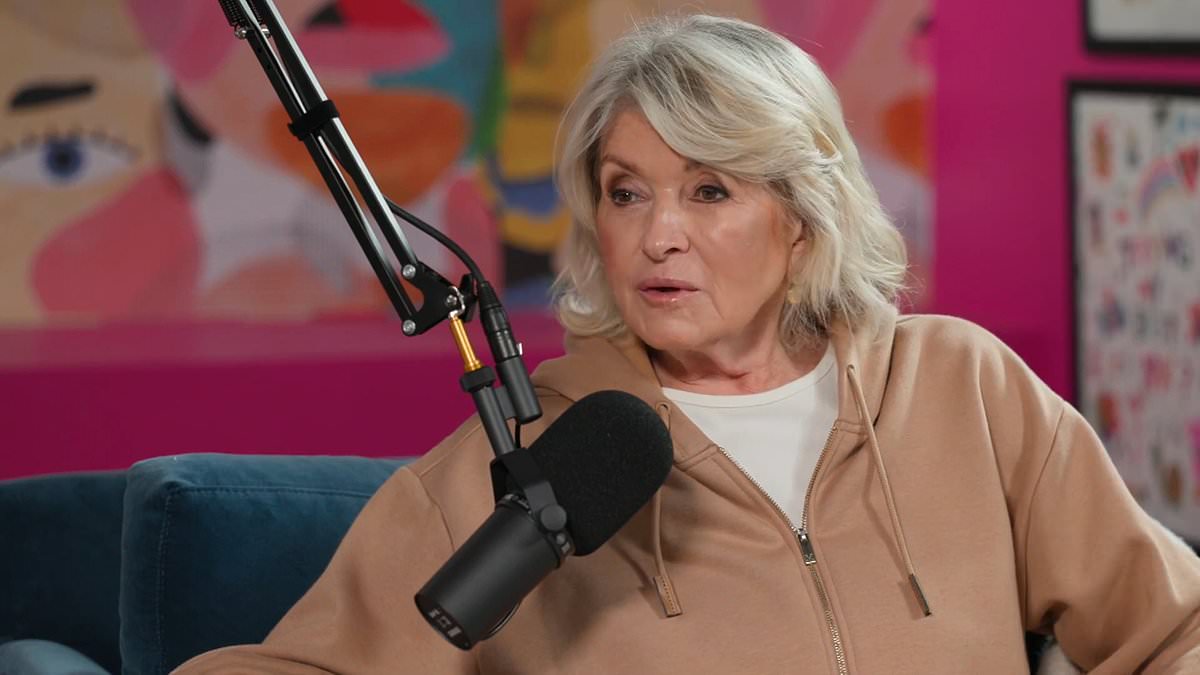
During a heartfelt conversation on the podcast 50+ & Unfiltered, Martha Stewart revealed her strong preference against the use of “coffin things” after she passes away. She described how when one of her horses dies, it is buried in a simple, natural way on her own property, wrapped in a clean white linen sheet and placed in a deep grave in her pet cemetery. Stewart expressed a wish to be treated in a similar manner, emphasizing her desire to return to nature without the trappings of conventional burial.
Stewart explained, “I want to go there. It’s not going to hurt anyone. It’s my property.” This statement highlights her belief in personal autonomy when it comes to burial decisions and her commitment to environmentally conscious practices. By choosing composting or natural burial, Stewart aligns herself with a growing movement that seeks to reduce the environmental impact of funerals and embrace sustainability even in death.
Why Martha Stewart Prefers Composting Over Traditional Burial
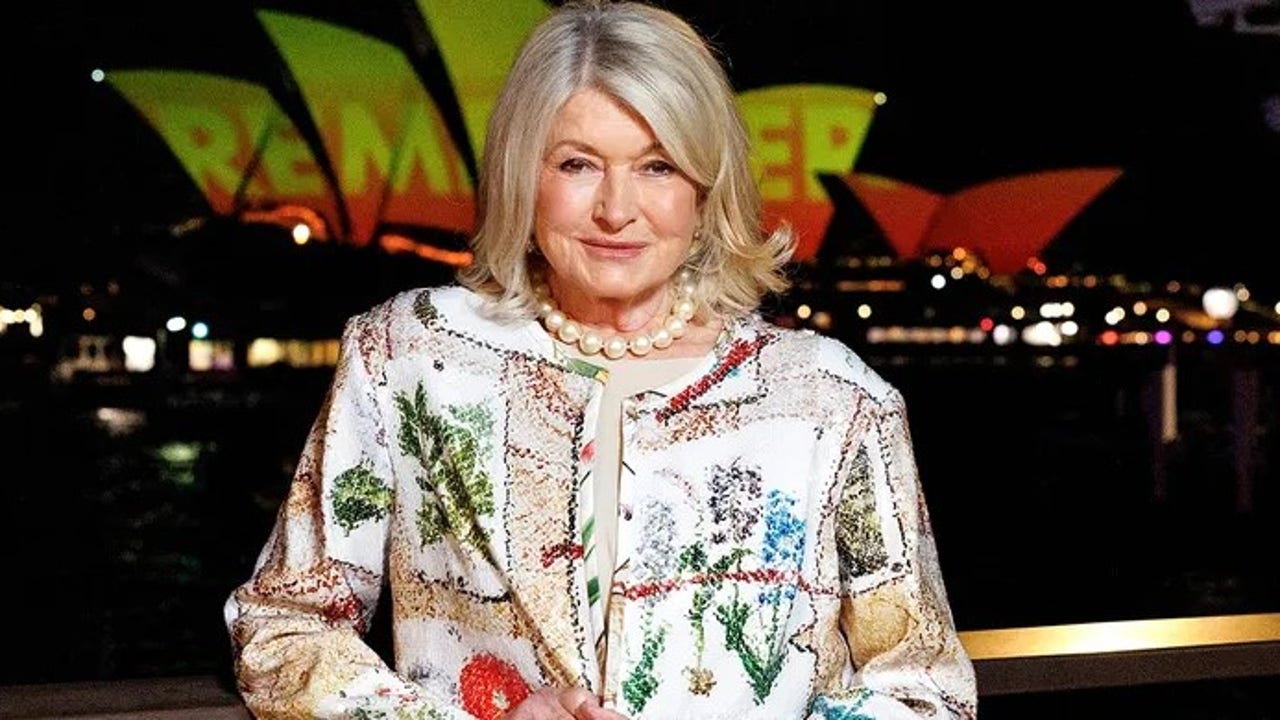
Martha Stewart’s choice to be composted rather than buried in a coffin reflects a broader trend toward green burials and eco-friendly end-of-life options. Traditional burials often involve embalming chemicals, non-biodegradable caskets, and concrete vaults, all of which can have negative environmental consequences. Composting, on the other hand, allows the body to decompose naturally and enrich the soil, fostering new life.
Stewart’s approach is deeply personal and symbolic. By returning to the earth in a natural way, she envisions a cycle of life that continues beyond death. This method also resonates with her lifestyle philosophy, which has always emphasized simplicity, nature, and sustainability. Her pet cemetery on her property serves as a testament to her respect for animals and the natural world, reinforcing her desire to be laid to rest in a similar manner.
In addition to environmental benefits, composting offers practical advantages. It eliminates the need for expensive coffins and burial plots, making it a more affordable and accessible option for many. Stewart’s openness about her wishes may inspire others to consider alternative burial methods that align with their values and reduce their ecological footprint.
Martha Stewart’s Relationship with Family and Personal Identity
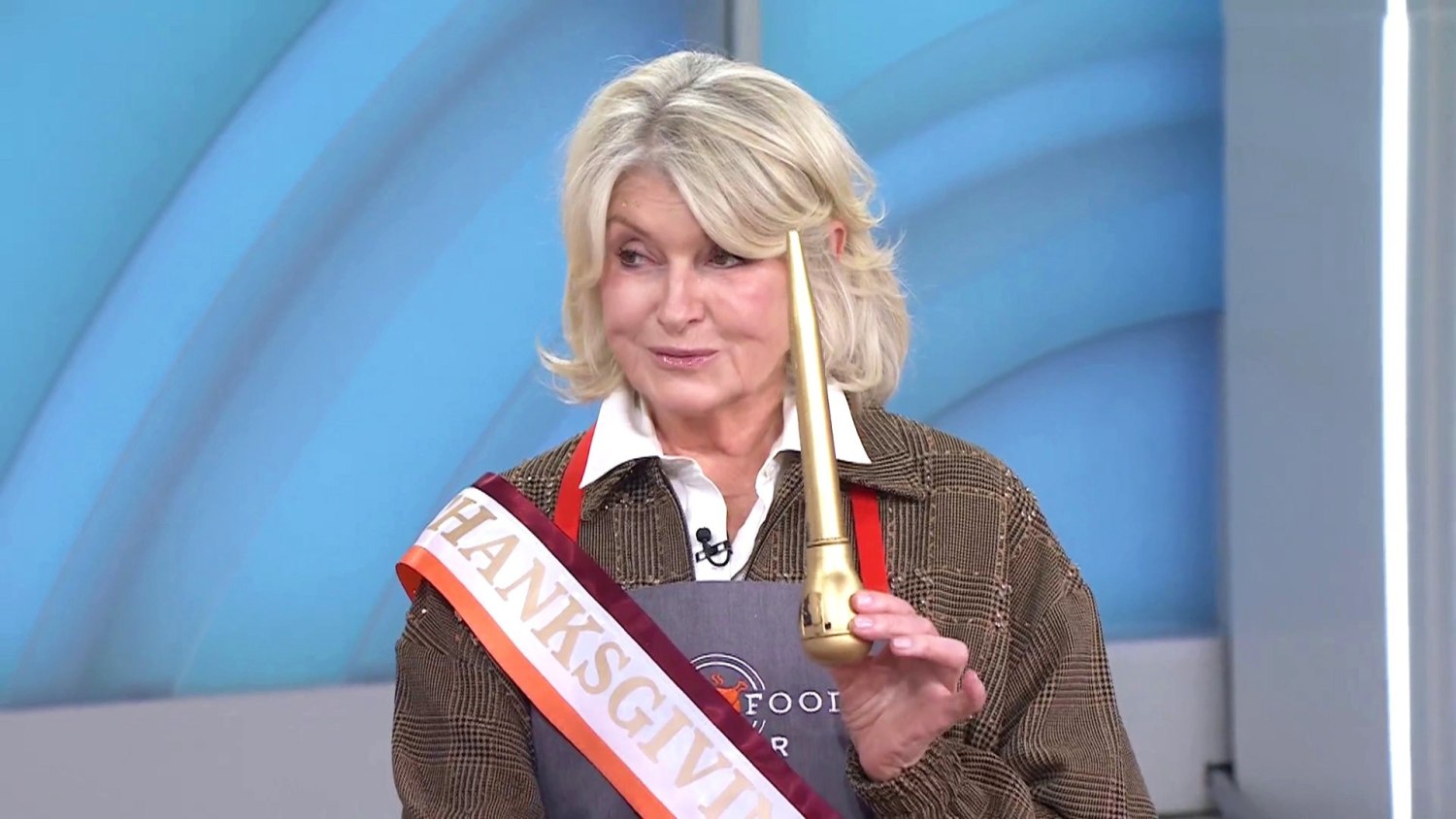
Beyond her thoughts on burial, Martha Stewart also shared insights into her family dynamics and personal identity during the podcast. She revealed that her grandchildren, Jude and Truman, have never called her by a traditional grandmother nickname. Instead, they simply call her “Martha,” a reflection of their close and informal relationship.
Stewart noted, “My daughter calls me Martha. She’s always called me Martha.” This choice of address underscores the friendly and equal footing she maintains with her family members, rather than adhering to formal titles. Stewart described her relationship with her daughter as one of friendship, highlighting their contrasting personalities—she is an extrovert, while her daughter is more reserved.
This glimpse into Stewart’s personal life adds depth to her public persona, showing a woman who values authenticity and connection. Her straightforward approach to family and death alike reveals a consistent philosophy centered on honesty, simplicity, and respect for natural processes.
Conclusion
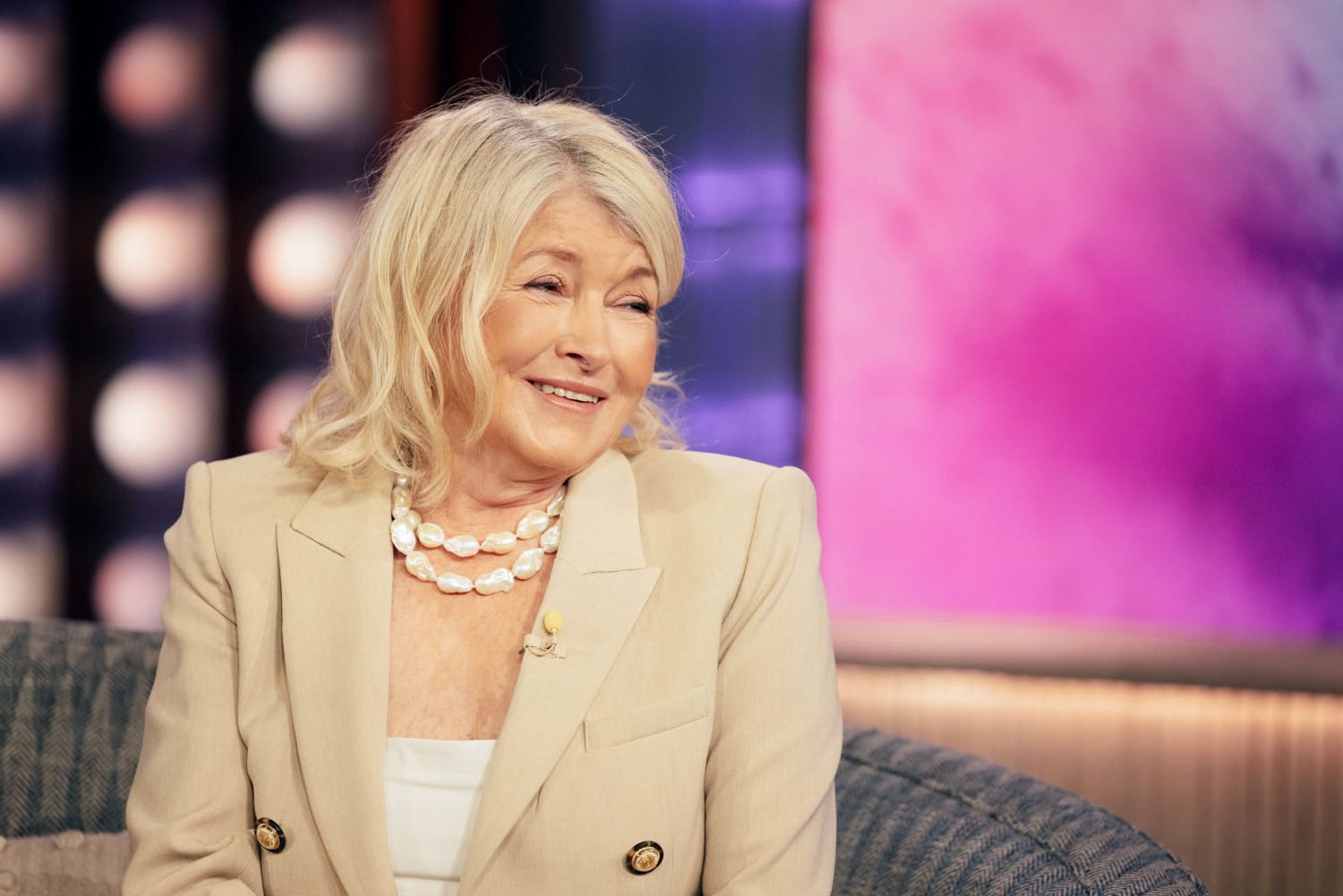
Martha Stewart’s candid discussion about her posthumous wishes challenges traditional views on burial and encourages a more environmentally conscious approach. By choosing composting over “coffin things,” she advocates for a return to nature that honors the cycle of life and death in a sustainable way. Her story not only sheds light on alternative burial options but also inspires us to think about how we want to be remembered and how we can minimize our impact on the planet even after we’re gone.
If Martha Stewart’s vision resonates with you, consider exploring green burial options and discussing your own end-of-life preferences with loved ones. Embracing natural burial methods can be a meaningful way to honor life and contribute to a healthier environment. Take the first step today by learning more about eco-friendly funerals and making your wishes known.