
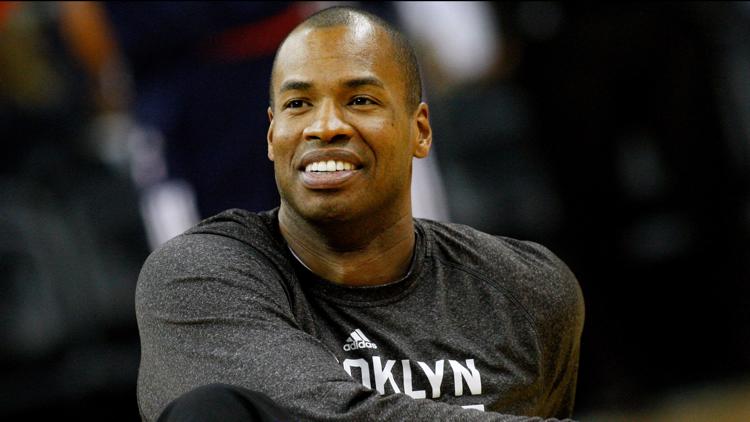
Jason Collins, NBA’s First Openly Gay Player, Announces He Has a Year to Live After Brain Tumor Diagnosis
Jason Collins, a trailblazer in professional sports and the first openly gay player in the NBA, recently shared heartbreaking news about his health. The former basketball star disclosed that he has been diagnosed with stage 4 glioblastoma, an aggressive and deadly form of brain cancer. Despite the grim prognosis, Collins is determined to fight the disease using innovative therapies and the support of his family and friends. This article explores his diagnosis, the symptoms he experienced, the treatments he is pursuing, and his inspiring outlook amid this challenging journey.
Jason Collins’ Brain Tumor Diagnosis and Its Impact

In a candid interview, Jason Collins revealed that he was diagnosed with stage 4 glioblastoma, a malignant brain tumor known for its rapid growth and poor prognosis. Glioblastoma multiforme is one of the most aggressive cancers affecting the brain, often leading to severe neurological symptoms and a limited life expectancy. Collins, who is 47 years old, described how the symptoms appeared suddenly and worsened quickly, prompting him to seek medical attention.
Initially, Collins experienced memory loss and difficulty focusing—symptoms that he initially attributed to stress or fatigue. However, when these symptoms intensified over a few weeks, he underwent a CT scan that revealed the tumor’s presence and severity. The diagnosis was a shock, but Collins has approached it with the same resilience and determination that defined his basketball career.
The news has resonated deeply within the sports community and beyond, as Collins has been a symbol of courage and authenticity since coming out publicly in 2013. His openness about his diagnosis continues that legacy, raising awareness about glioblastoma and the challenges faced by those battling brain cancer.
Symptoms and Early Warning Signs of Glioblastoma
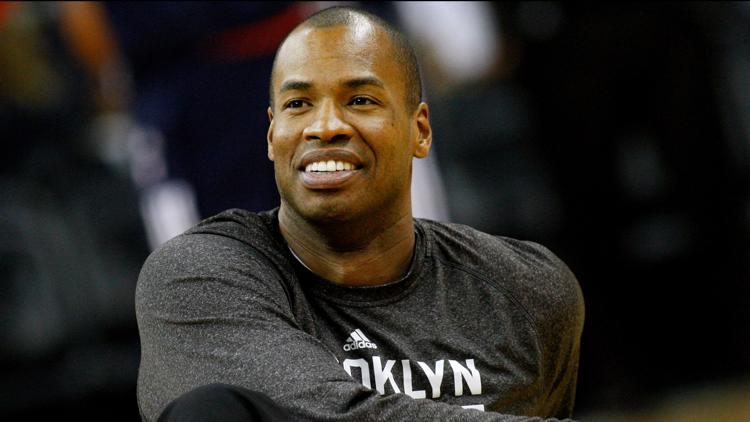
Glioblastoma symptoms can vary depending on the tumor’s location in the brain, but common early signs include:
– Persistent headaches that worsen over time
– Memory problems and difficulty concentrating
– Seizures or convulsions
– Nausea and vomiting
– Changes in personality or behavior
– Weakness or numbness in limbs
For Jason Collins, the initial symptoms were subtle but concerning enough to seek medical evaluation. His experience underscores the importance of recognizing neurological changes and seeking prompt medical advice, especially when symptoms escalate rapidly.
Innovative Treatments and Collins’ Fight Against Glioblastoma

Following his diagnosis, Jason Collins began an aggressive treatment plan that includes a combination of radiation therapy, chemotherapy, and cutting-edge immunotherapy. Immunotherapy, which harnesses the body’s immune system to target cancer cells, represents a promising frontier in glioblastoma treatment, although it is still under extensive research.
Collins is currently receiving treatment at a specialized clinic in Singapore, where experimental therapies are being tested. His decision to pursue these innovative options reflects his determination to fight the disease head-on, much like his groundbreaking decision to come out as the NBA’s first openly gay player.
Supported by his husband, Brunson Green, and a close-knit circle of family and friends, Collins remains hopeful and committed to battling glioblastoma with every available resource. He has expressed that this fight is personal and that he refuses to let the cancer define or defeat him.
Jason Collins’ Legacy and Message of Hope
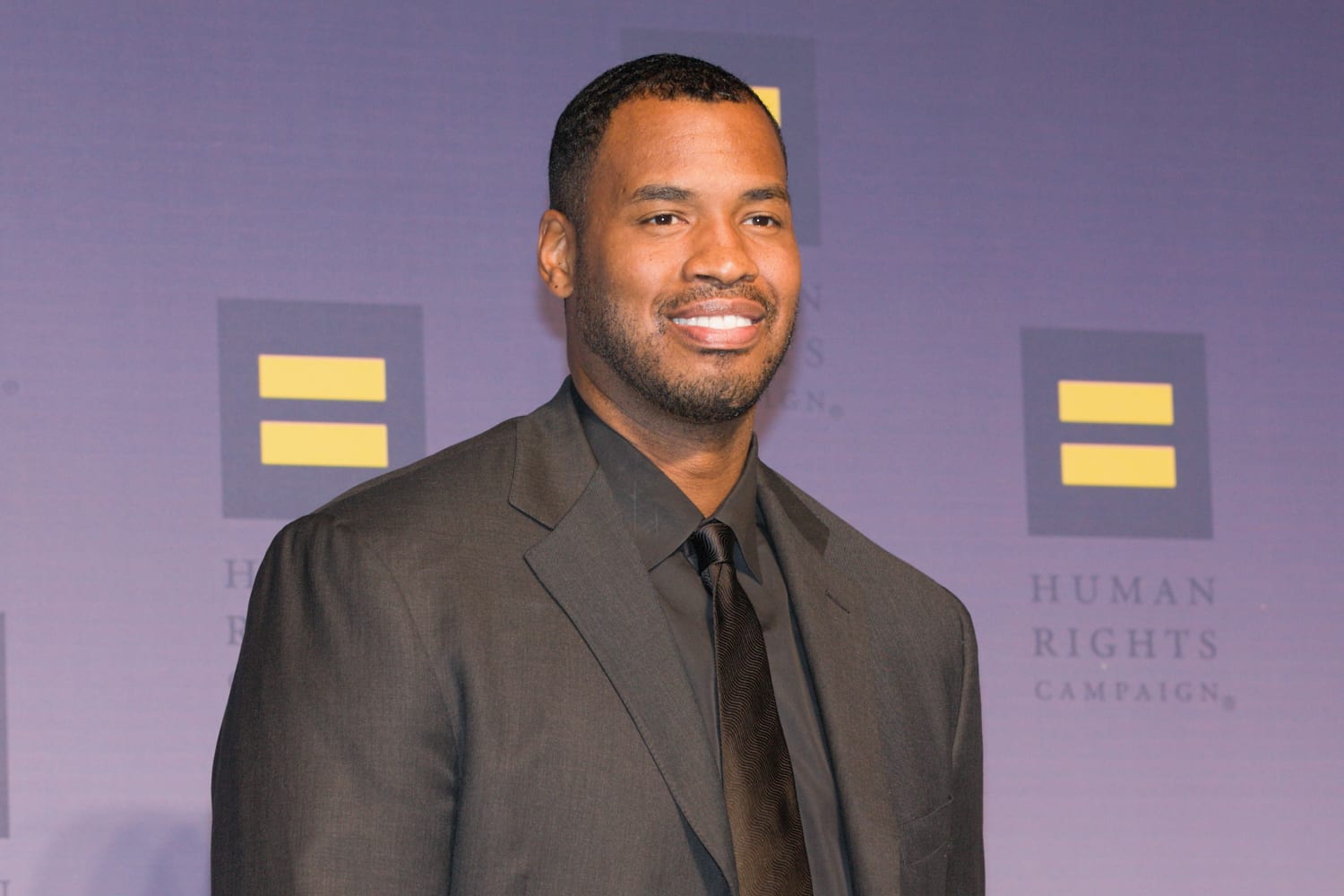
Jason Collins’ journey is not only about confronting a life-threatening illness but also about inspiring others facing similar battles. His openness about his diagnosis and treatment sheds light on glioblastoma, a cancer that often remains under-discussed despite its severity.
Collins has drawn strength from his family history, recalling how his grandmother fought stage 4 stomach cancer with courage and resilience. He emphasizes the importance of speaking openly about cancer, breaking the stigma, and encouraging others to fight with determination.
His story serves as a powerful reminder that even in the face of devastating news, hope, innovation, and support can provide a path forward. Collins continues to advocate for cancer research and awareness, hoping that his experience will help advance treatments and inspire others to never give up.
Conclusion
Jason Collins’ announcement of his stage 4 glioblastoma diagnosis is a sobering reminder of the challenges many face with brain cancer. Yet, his courage and commitment to fighting this aggressive tumor with innovative therapies offer hope and inspiration. As the NBA’s first openly gay player, Collins has always been a pioneer, and now he is breaking new ground in his battle against cancer. For those touched by similar diagnoses, his story underscores the importance of early detection, exploring advanced treatments, and leaning on loved ones for support.
If you or someone you know is facing a cancer diagnosis, remember that you are not alone. Stay informed, seek expert medical advice, and explore all treatment options. Join the conversation and support cancer research to help pave the way for better therapies and brighter futures.