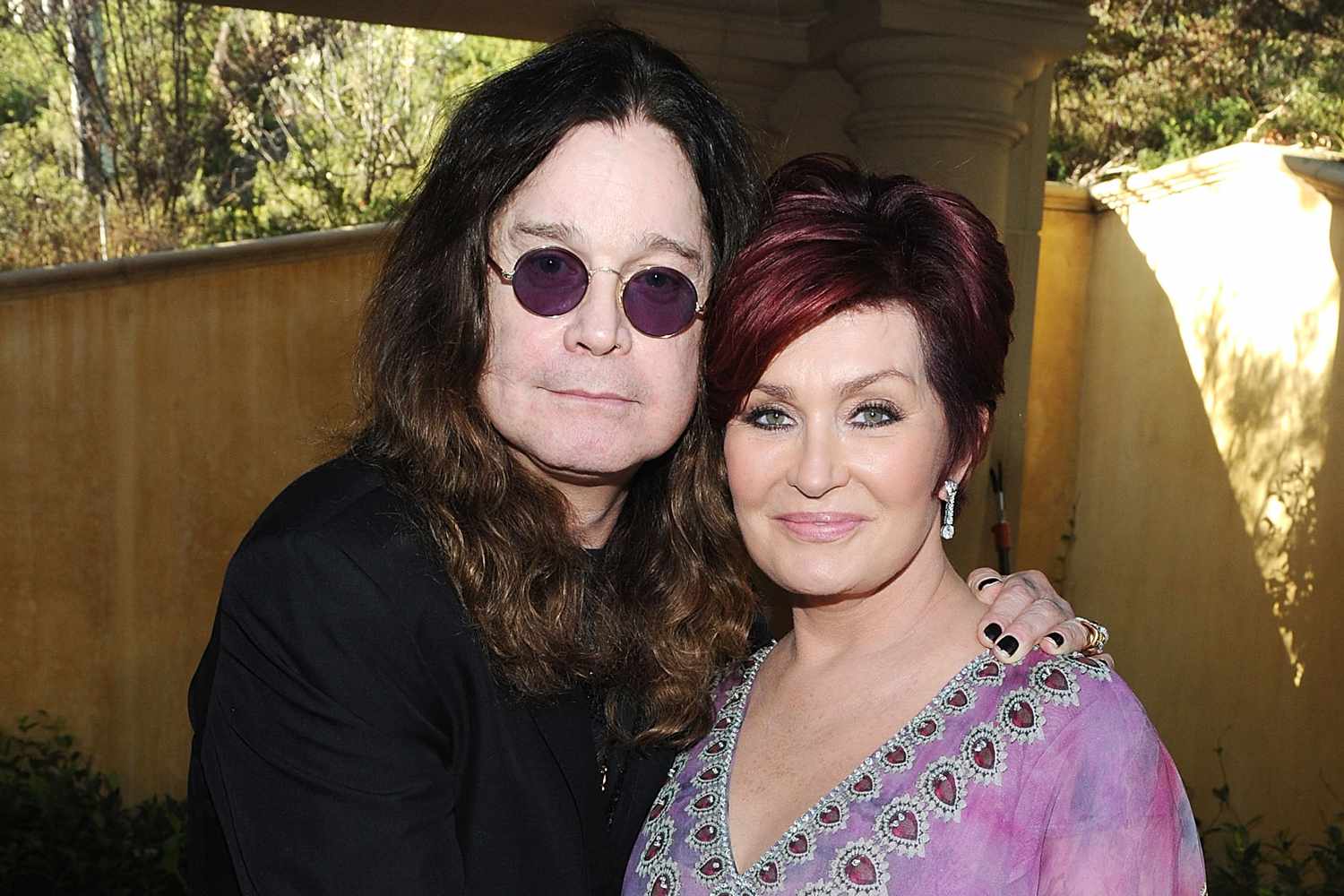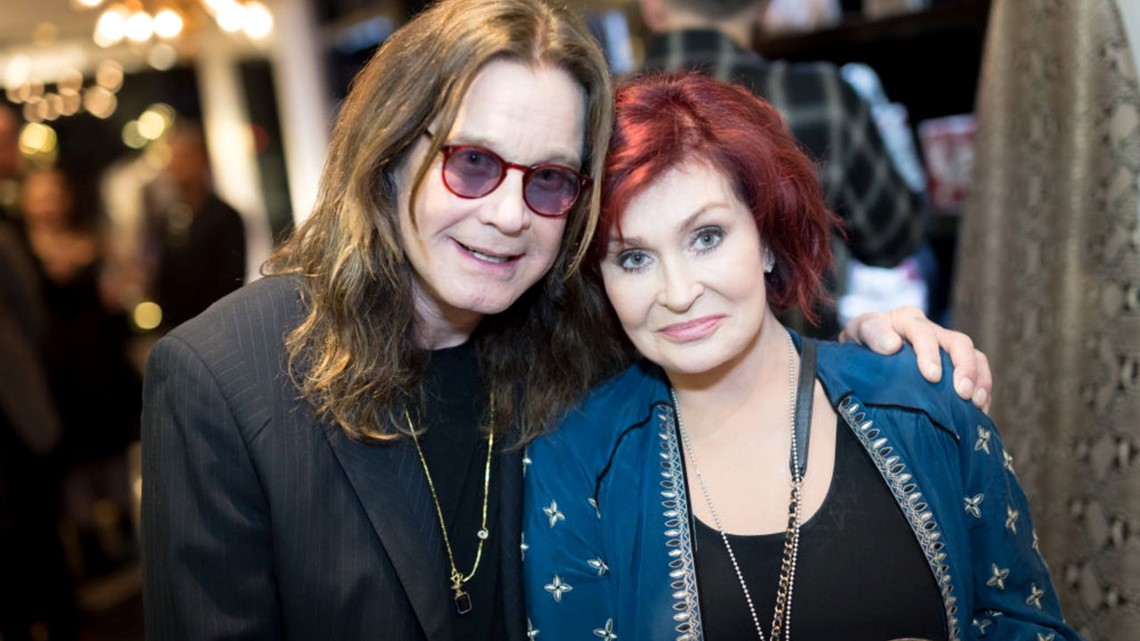
Why Sharon Osbourne Didn’t Follow Through on Assisted Suicide Pact After Ozzy’s Death
The Truth Behind Sharon Osbourne’s Decision on the Assisted Suicide Pact
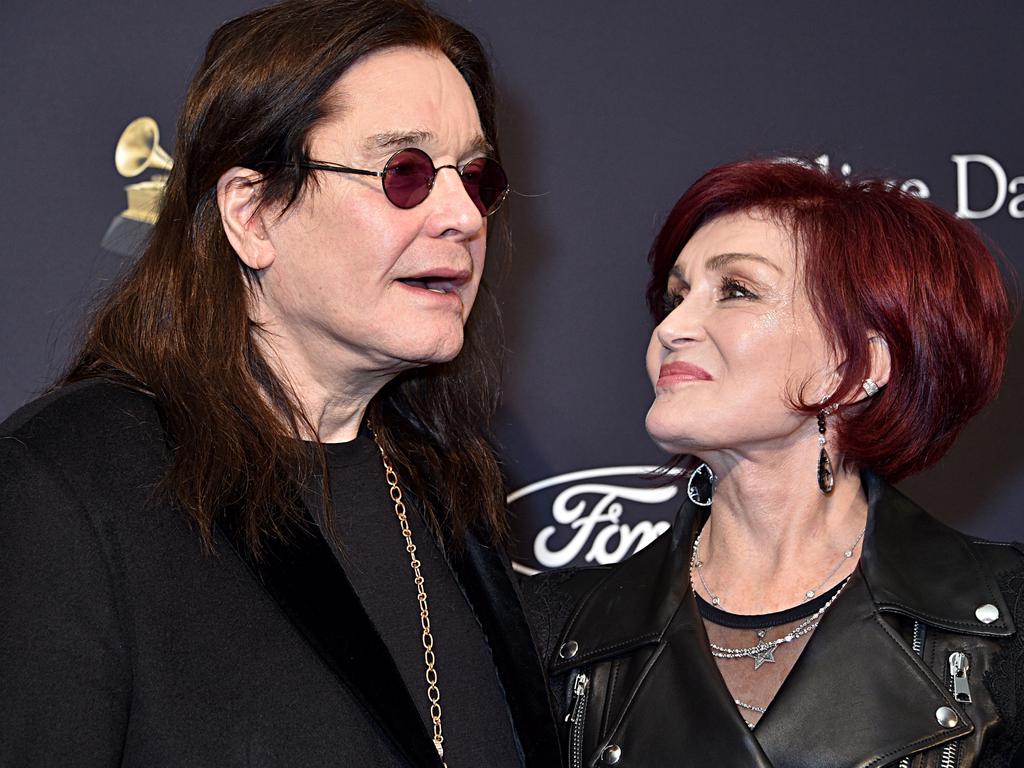
Sharon Osbourne’s recent revelation about why she did not follow through on the assisted suicide pact she had with her late husband Ozzy Osbourne has captured widespread attention. The couple, who shared over 40 years of marriage, had made a pact to consider assisted suicide if either developed a debilitating illness such as dementia. However, after Ozzy’s passing, Sharon chose a different path, influenced deeply by her children and her own emotional journey.
During a heartfelt interview on “Piers Morgan Uncensored,” Sharon disclosed that although she was prepared to join Ozzy in death, her children’s love and support ultimately stopped her from honoring the pact. “I would have just gone with Ozzy. Oh, yeah, definitely, I’ve done everything I wanted to do,” she admitted. Yet, the thought of the impact her death would have on her children made her reconsider.
How Family Influenced Sharon’s Choice
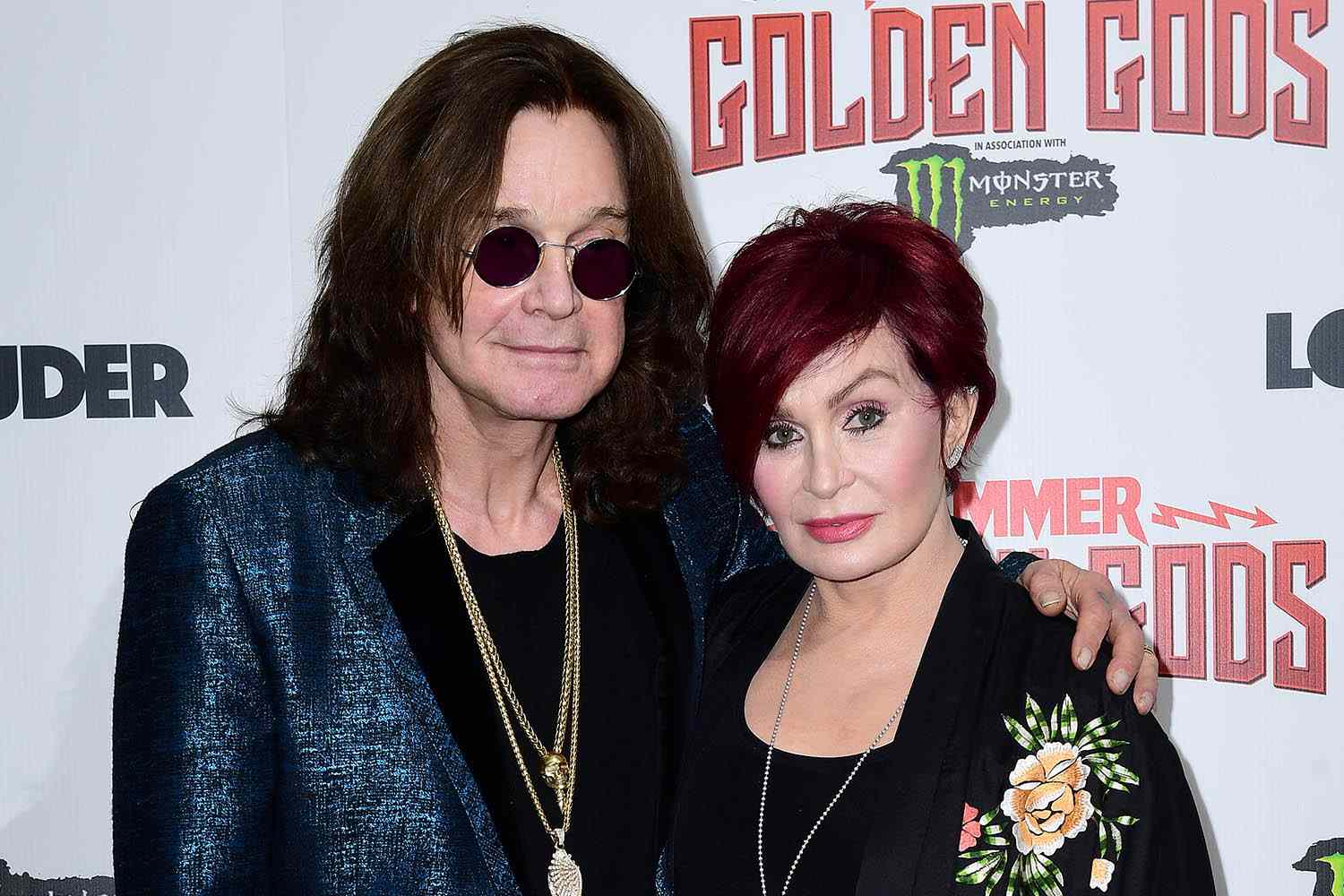
Sharon Osbourne’s children—Aimee, Kelly, and Jack—played a crucial role in her decision to live on. The Osbourne matriarch shared that her children have been “unbelievably, just magnificent” in supporting her through the grief of losing Ozzy. Their presence and encouragement gave her strength to face life without her husband.
Sharon also recounted a poignant memory from a time when she was battling mental health struggles. During a stay at a mental health facility, she encountered two young women who were deeply affected by the loss of a parent. Witnessing their pain and the long-lasting effects of such a loss made Sharon realize she could never put her children through the same heartbreak. “I saw the state that these two young women were in and what it had done to their lives,” she said. “And I thought, I will never, ever, ever do that to my kids.”
The Origins of the Assisted Suicide Pact
The concept of assisted suicide between Sharon and Ozzy Osbourne was first publicly mentioned in Sharon’s 2007 memoir, Survivor: My Story – The Next Chapter. The couple had planned to travel to Switzerland’s Dignitas, a physician-assisted suicide organization, if either developed a severe brain illness like Alzheimer’s disease. At the time, Sharon expressed strong support for euthanasia, stating, “We believe 100 percent in euthanasia,” and confirmed that their children were aware and supportive of the pact.
By 2014, Ozzy expanded the scope of their agreement to include any life-threatening condition that would severely diminish their quality of life. He famously said, “If I can’t get up and go to the bathroom myself, I don’t want to be here.” Despite this, the pact was always made with the understanding that their children would be the ultimate decision-makers and beneficiaries of their estate.
Grief and Moving Forward
Sharon Osbourne’s journey through grief has been complex and deeply personal. She described grief as something that has “become [her] friend,” acknowledging the strange and enduring nature of mourning a loved one. “When you love someone that much and you’re grieving for them, it’s what I have to live with, and I’ll get used to it. I will, I have to, you know, things move on,” she reflected.
Her decision to live on, despite the pact, highlights the powerful role that love, family, and the will to survive play in overcoming even the most painful losses. Sharon’s story is a testament to the strength found in human connection and the hope that life can still hold meaning after profound sorrow.
Conclusion
Sharon Osbourne’s choice not to follow through on the assisted suicide pact after Ozzy’s death was driven by her deep love for her children and a profound understanding of grief’s impact. While the pact symbolized their commitment to each other, Sharon’s experience shows that sometimes, the bonds of family and the will to live can change even the most solemn promises. Her story encourages us to cherish our loved ones and find strength in their support during life’s toughest moments.
If you or someone you know is struggling with grief or thoughts of suicide, please reach out to professional support services. Remember, you are not alone, and help is available.
For more inspiring stories and updates on celebrity news, subscribe to our newsletter and stay connected.