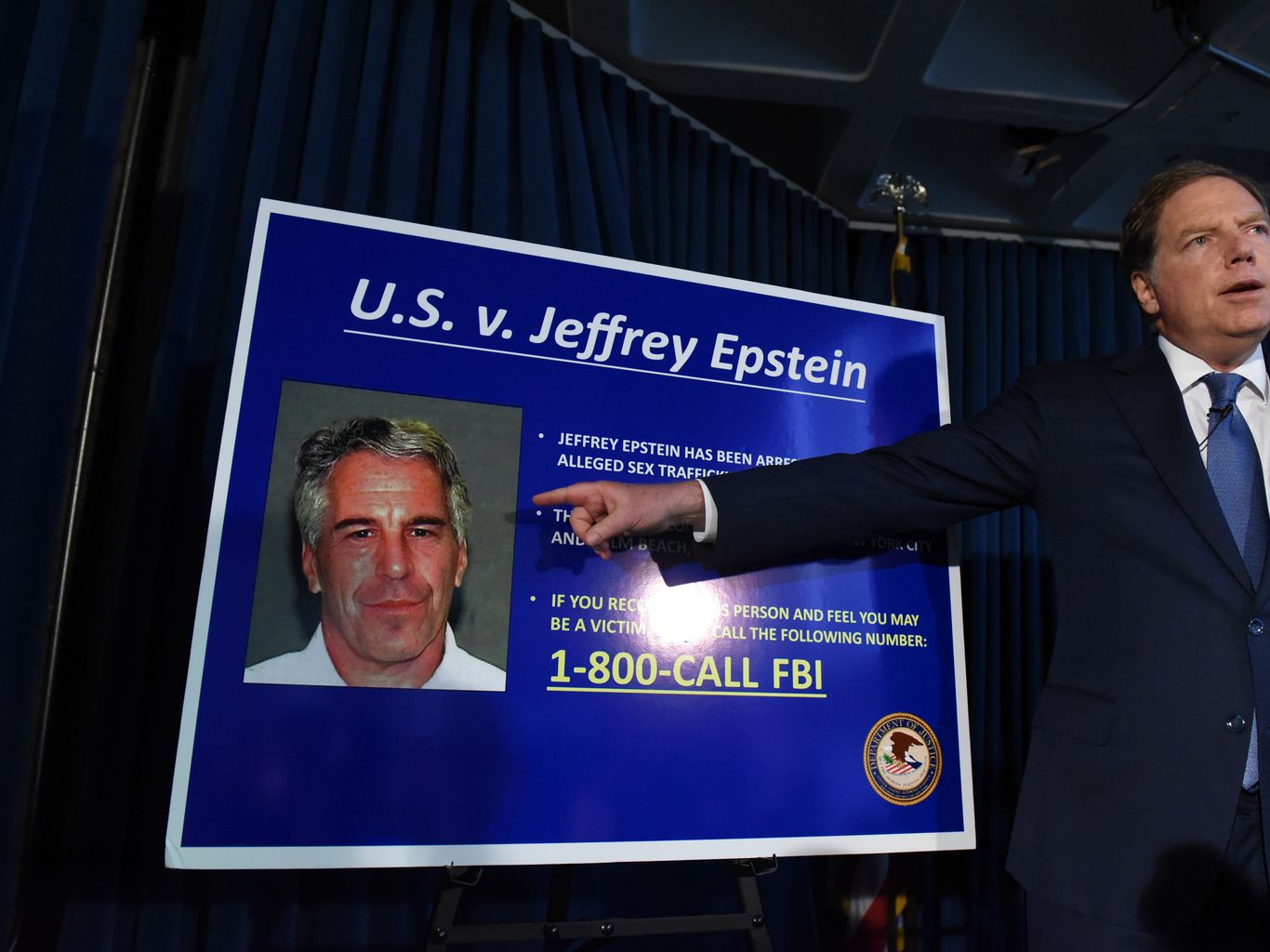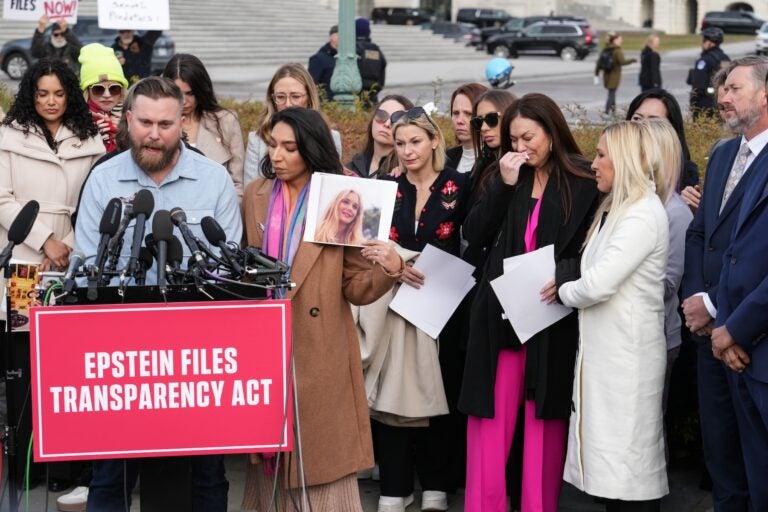
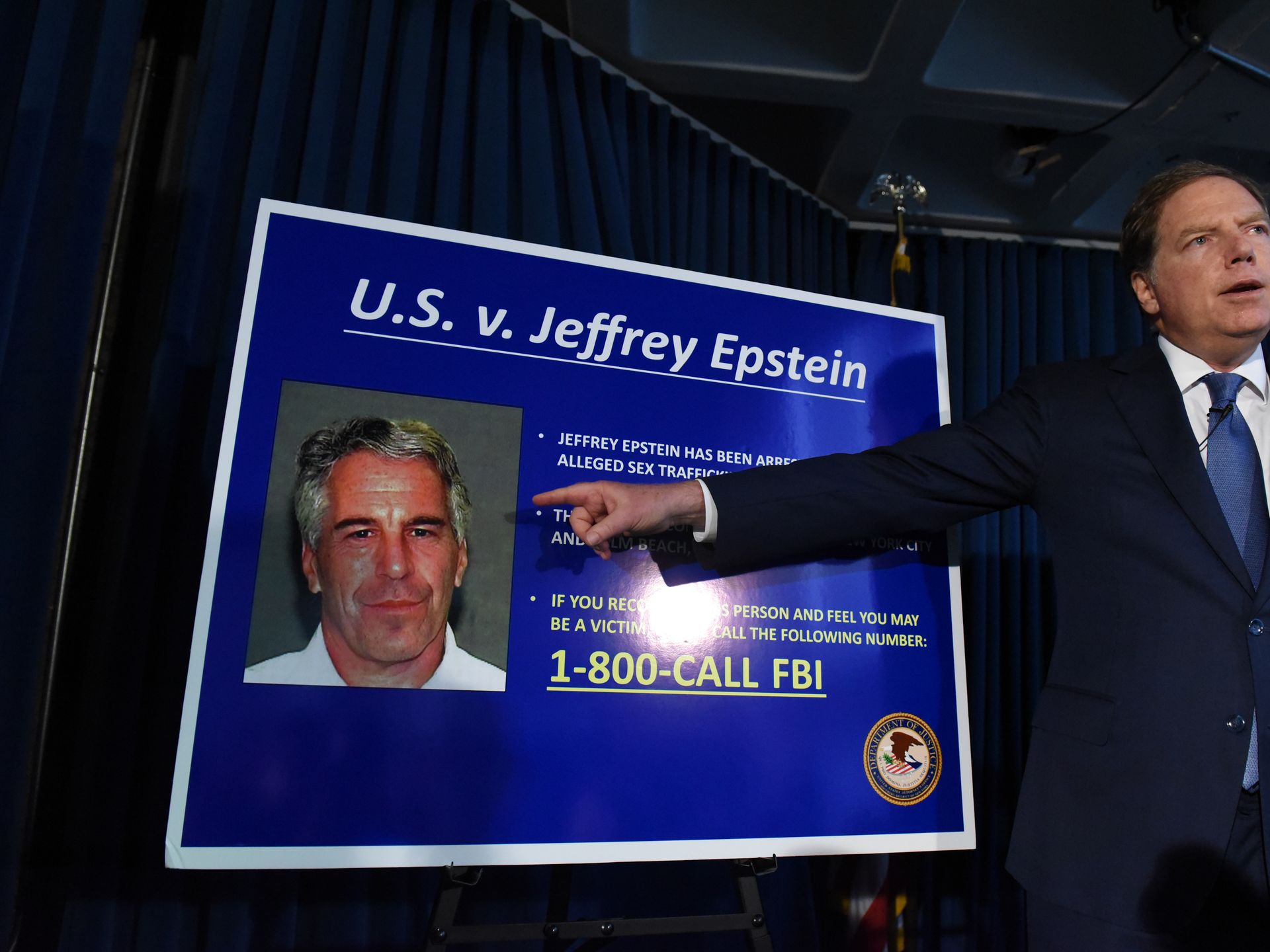
EXCLUSIVE: FBI Wins Legal Fight to Keep its Files on Jeffrey Epstein Secret; Government ‘Is Covering its Tracks,’ Claims Lawyer Seeking Their Release
The recent legal victory by the FBI to withhold its files on Jeffrey Epstein has ignited a fierce debate about government transparency and accountability. While the FBI maintains that keeping these documents confidential is necessary for national security and ongoing investigations, critics argue that this secrecy only fuels suspicions of a cover-up. This article delves into the details of the court ruling, the arguments from both sides, and the broader implications for public trust in the justice system.
FBI’s Legal Victory to Keep Jeffrey Epstein Files Secret
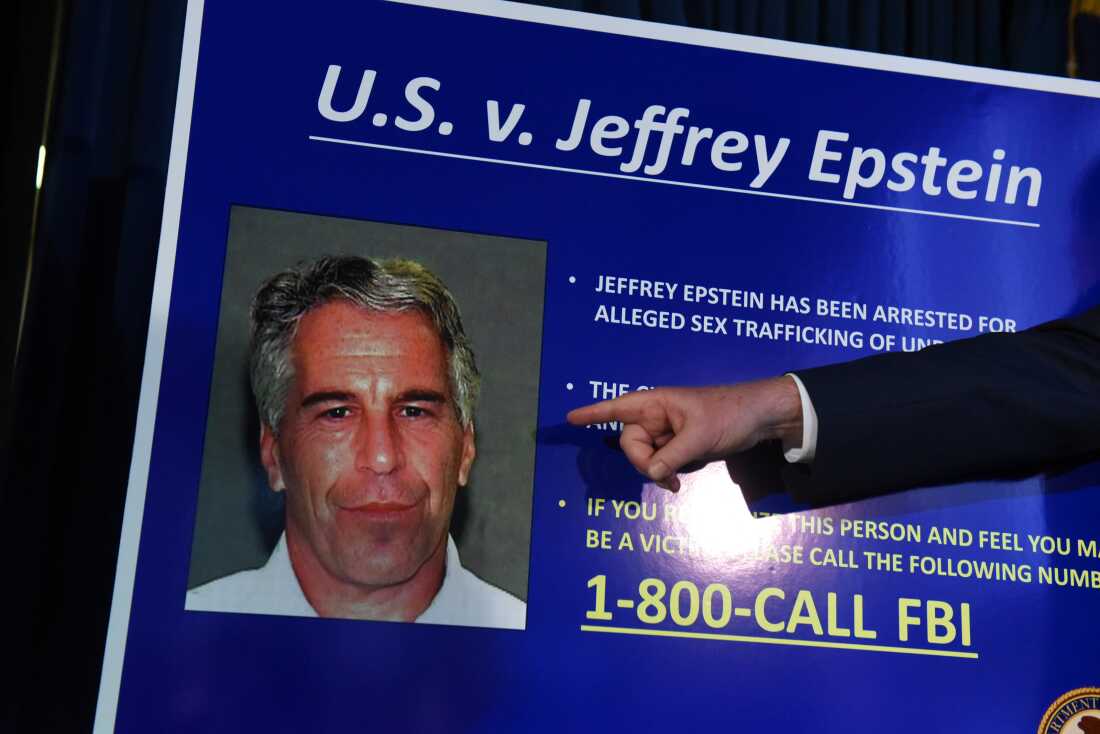
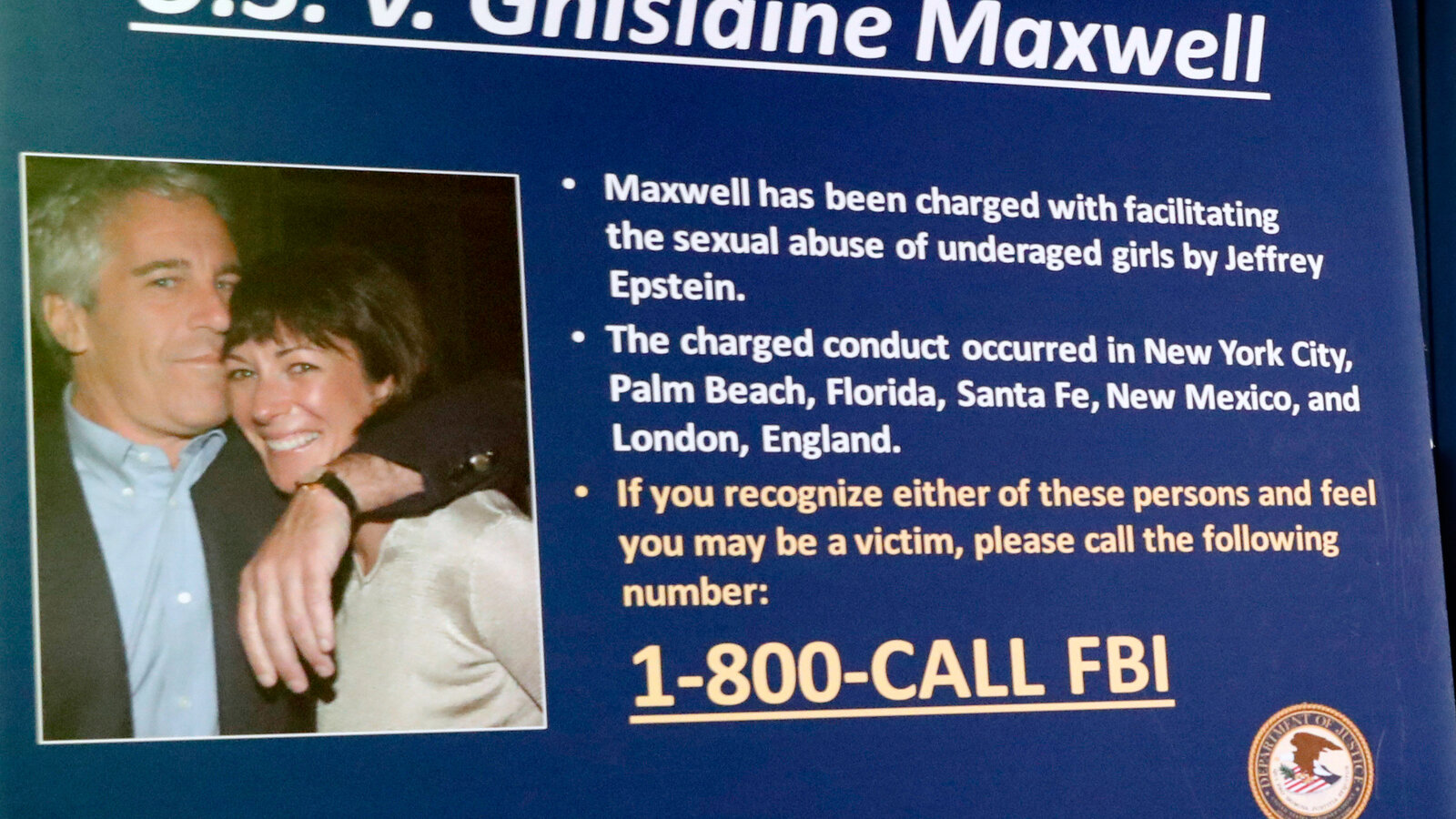
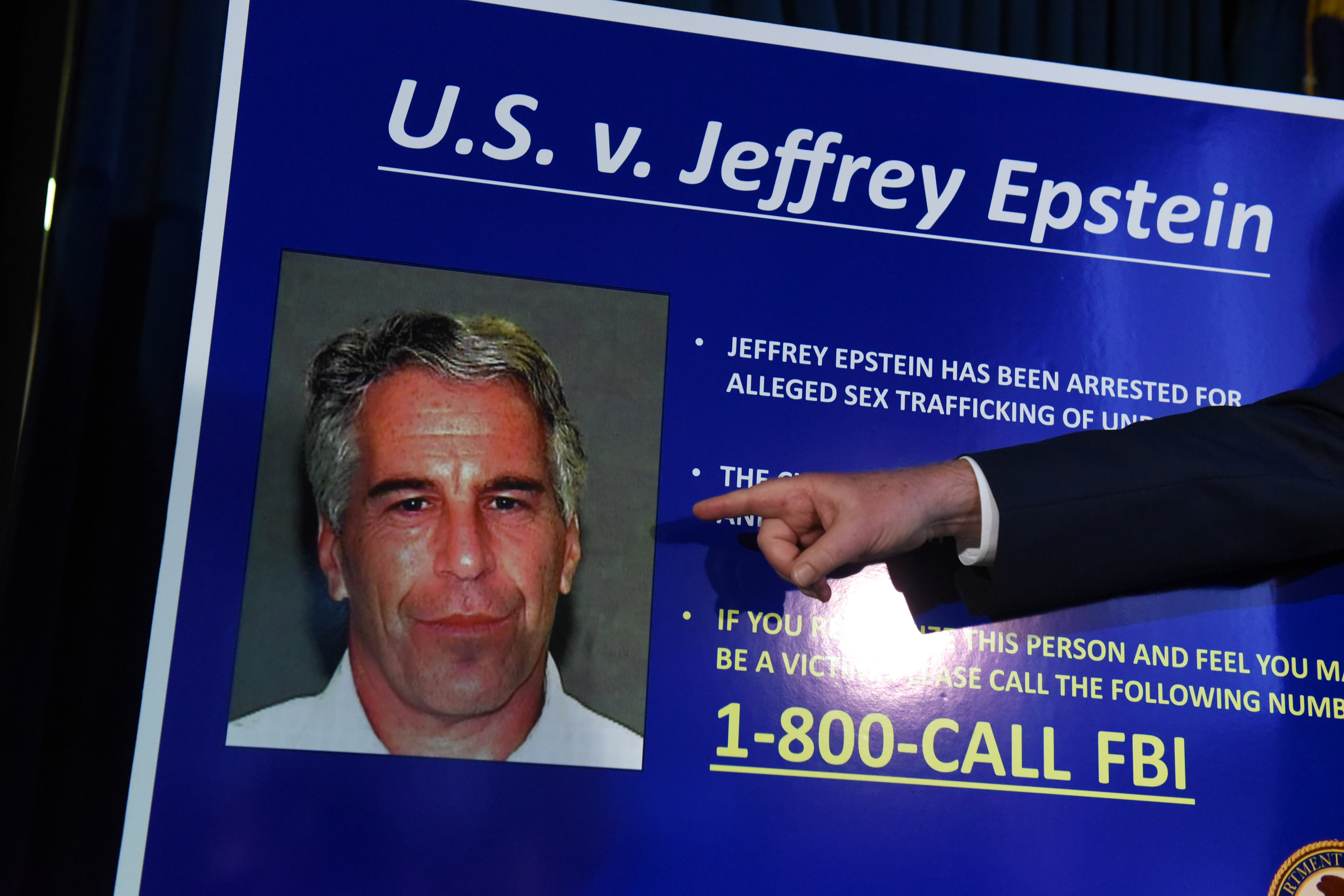
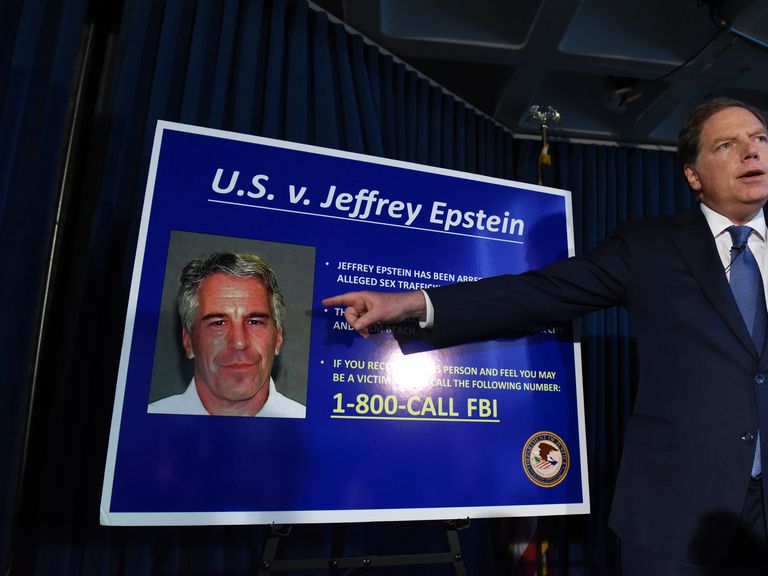
The FBI’s success in court to block the release of its files related to Jeffrey Epstein marks a significant moment in the ongoing saga surrounding the disgraced financier. The files, which contain sensitive information about Epstein’s criminal activities and potentially implicate other high-profile individuals, were sought by journalists and legal advocates aiming to shed light on the full scope of the case.
The government’s position is that releasing these documents could jeopardize ongoing investigations and infringe on privacy rights. According to the FBI, certain details within the files are classified or involve third-party information that must remain protected. The court ruling sided with the FBI, emphasizing the importance of safeguarding sensitive information over public disclosure at this time.
However, this decision has not been without controversy. Lawyers representing victims and transparency advocates have voiced strong opposition, claiming that the government is deliberately concealing evidence that could reveal a broader network of wrongdoing. They argue that withholding these files undermines justice and prevents the public from understanding the true extent of Epstein’s criminal enterprise.
Claims of a Government Cover-Up and Calls for Transparency
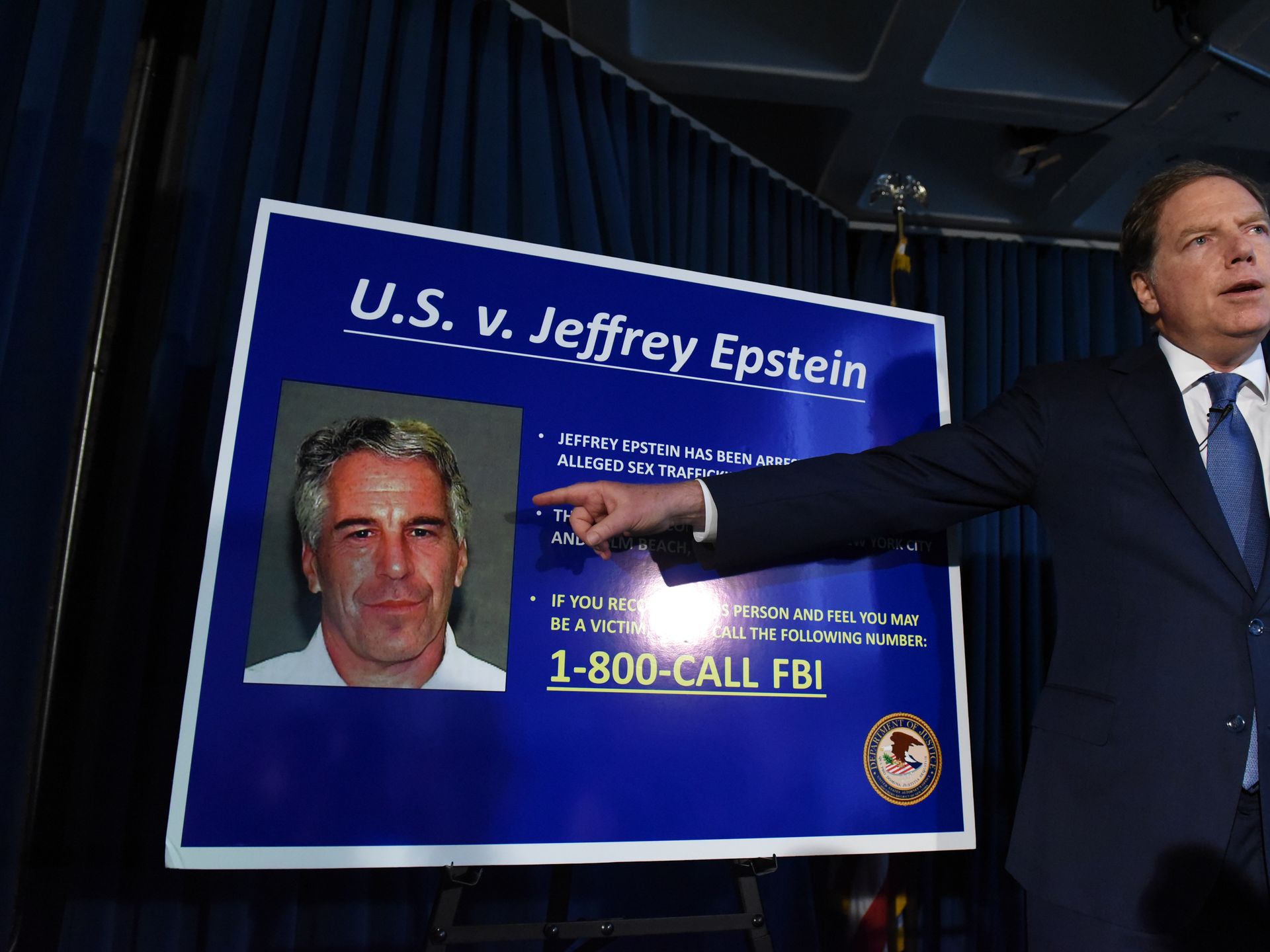
The lawyer seeking the release of the FBI files on Jeffrey Epstein has publicly accused the government of “covering its tracks.” This assertion stems from the belief that the withheld documents contain critical information about individuals who may have been complicit in Epstein’s crimes or who benefited from his illicit activities.
Supporters of this viewpoint contend that transparency is essential not only for justice for Epstein’s victims but also for restoring public confidence in the institutions tasked with upholding the law. They emphasize that the secrecy surrounding the files perpetuates a culture of impunity and shields powerful figures from scrutiny.
In response, the FBI and government officials maintain that their priority is to conduct thorough investigations without compromising sensitive data. They argue that premature disclosure could hinder law enforcement efforts and potentially endanger witnesses or ongoing operations.
This clash between demands for transparency and the need for confidentiality highlights the complex balance the justice system must strike in high-profile cases involving national security and sensitive information.
Implications for Justice and Public Trust
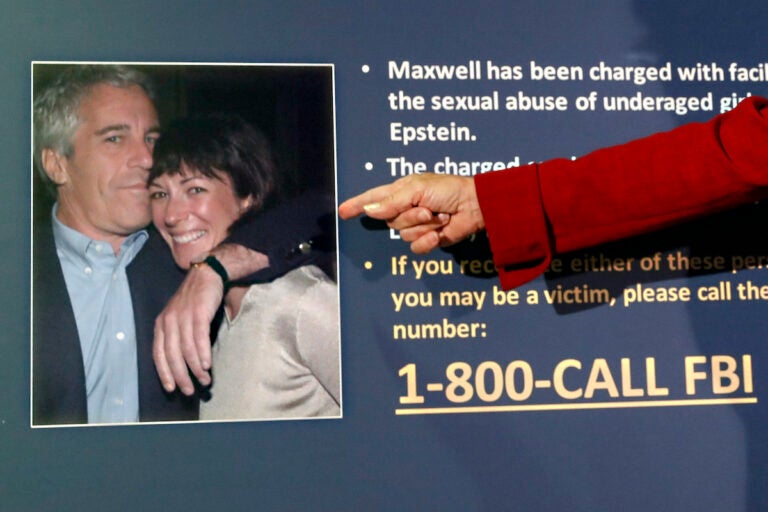
The FBI’s decision to keep its Jeffrey Epstein files secret has far-reaching implications. For victims seeking closure, the lack of access to these documents can feel like a denial of justice. It raises questions about whether all responsible parties will be held accountable and whether the full truth will ever come to light.
From a broader perspective, this case underscores the challenges faced by the justice system in managing sensitive information while maintaining public trust. Transparency is a cornerstone of democratic governance, yet certain circumstances necessitate confidentiality to protect ongoing investigations and national interests.
The controversy also fuels skepticism about the influence of powerful individuals and institutions in shaping legal outcomes. Critics worry that secrecy may be used to protect elites rather than serve justice, further eroding faith in the rule of law.
What’s Next? The Future of the Epstein Files
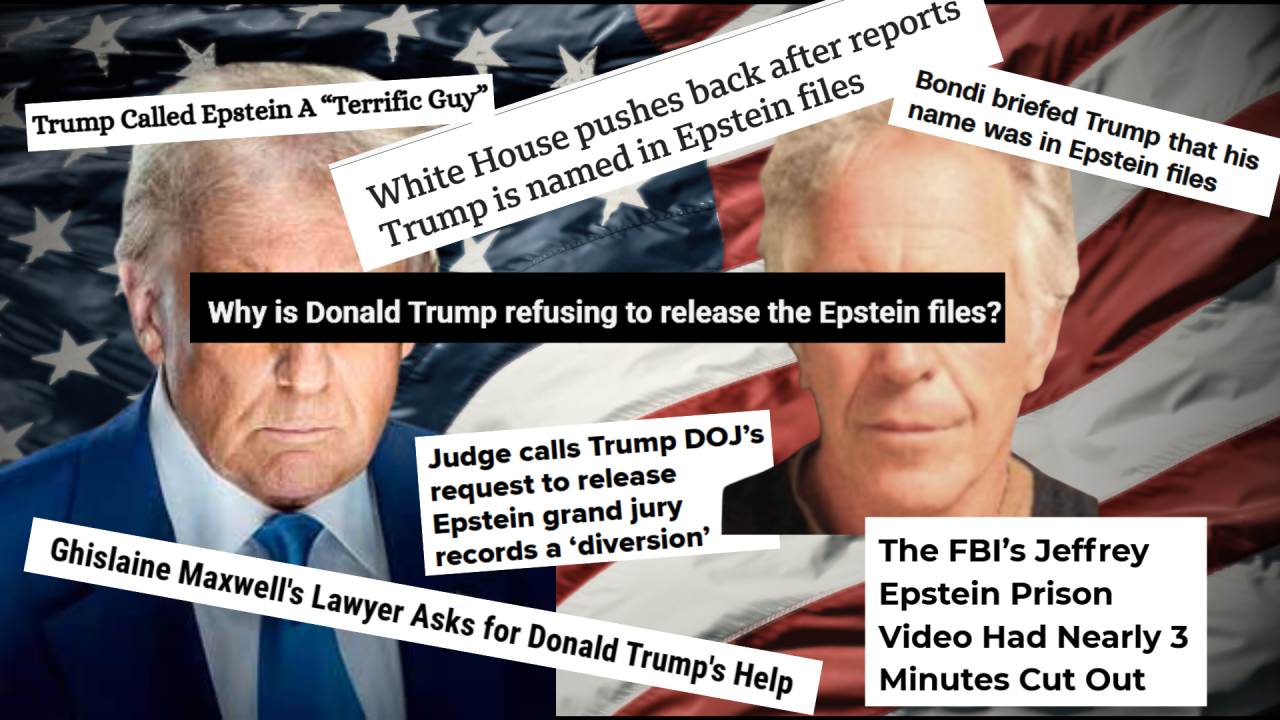
As the legal battle over the FBI’s Epstein files continues, advocates for disclosure are exploring additional avenues to challenge the government’s position. This may include appeals to higher courts or legislative efforts to mandate greater transparency in cases involving public interest.
Meanwhile, the FBI has pledged to continue its investigations and has indicated that some information may eventually be released when it no longer poses a risk to ongoing cases. The timeline for such disclosures remains uncertain, leaving many questions unanswered.
For the public and Epstein’s victims, the hope is that persistent pressure and legal scrutiny will eventually lead to greater openness and accountability. Until then, the secrecy surrounding the FBI’s files remains a contentious and unresolved issue.
Conclusion

The FBI’s legal victory to keep its files on Jeffrey Epstein secret highlights the ongoing tension between transparency and confidentiality in high-profile criminal cases. While the government argues that secrecy is necessary to protect investigations, critics claim it amounts to a cover-up that obstructs justice. As this debate unfolds, it is crucial for the public to stay informed and advocate for accountability. If you want to learn more about this story and stay updated on future developments, subscribe to our newsletter and join the conversation on government transparency and justice reform.