

Candace Owens Claims Charlie Kirk Appeared in Her ‘Frustrating’ Dream Insisting He Was ‘Betrayed’ — as Conservative Mouthpiece Continues to Fuel Conspiracy Theories About His Assassination
Candace Owens Shares Disturbing Dream Featuring Charlie Kirk’s Betrayal

Conservative commentator Candace Owens recently opened up about a haunting and “frustrating” dream involving the late Charlie Kirk, the founder of Turning Point USA. Owens described the dream in detail during an episode of her YouTube show, revealing that Kirk appeared to her distressed and insistent that he was betrayed by multiple people before his untimely assassination.
In this recurring dream, Owens recounted how Kirk told her, “I don’t have much time,” emphasizing the urgency of understanding what truly happened to him. Despite her attempts to communicate and seek clarity, Owens explained that her voice was muffled and ineffective within the dream, adding to her frustration. Over time, a clearer image emerged, revealing the face of Andrew Kolvet, an executive producer of The Charlie Kirk Show and a spokesperson for Turning Point USA.
The Dream’s Impact and Owens’ Response

Following this vivid revelation, Owens felt compelled to reach out to Andrew Kolvet via text message. In her message, she conveyed the dream’s details and expressed her belief that Kirk’s soul was in purgatory, hinting that Kolvet might possess more information than he had publicly disclosed. Despite her outreach, Kolvet did not respond, leaving Owens and her followers with unanswered questions.
This dream and Owens’ subsequent actions have intensified speculation and conspiracy theories surrounding the circumstances of Charlie Kirk’s assassination. Owens’ assertions have sparked widespread discussion among conservatives and the general public alike, with many questioning the veracity of her claims.
Controversy Surrounding Owens’ Conspiracy Theories About Kirk’s Death

Since the assassination of Charlie Kirk, Candace Owens has been vocal in promoting conspiracy theories that challenge the official narrative. Her persistent claims have drawn criticism from various media figures, including British journalist Piers Morgan, who confronted Owens during an appearance on his show, Piers Morgan Uncensored.
Morgan accused Owens of spreading misinformation and profiting from the tragedy. He suggested that her public statements about Kirk’s death were not only misleading but also financially motivated, drawing parallels to other controversial figures who have been legally penalized for similar behavior. Owens dismissed these accusations as mere “talking points,” denying any financial gain from discussing Kirk’s assassination.
Owens’ Heated Exchange with Piers Morgan

The confrontation between Owens and Morgan escalated as Morgan referenced the case of Alex Jones, who faced a billion-dollar defamation judgment for spreading falsehoods about the Sandy Hook tragedy. Morgan implied that Owens was engaging in comparable behavior by criticizing Charlie Kirk’s widow, Erika Kirk, and fueling conspiracy theories.
In response, Owens defended herself vigorously, rejecting the notion that she sought to capitalize on Kirk’s death. She challenged Morgan’s claims about her financial motives and dismissed his criticisms as unfounded. The exchange highlighted the deep divisions within conservative circles regarding the handling of Kirk’s assassination and the broader implications of conspiracy theories in political discourse.
The Broader Implications of Owens’ Claims and Conspiracy Theories
Candace Owens’ public sharing of her dream and her ongoing promotion of conspiracy theories about Charlie Kirk’s assassination underscore the complex and often contentious nature of political narratives in today’s media landscape. Her claims have not only stirred controversy but also raised questions about the impact of such theories on public trust and political unity.
The persistence of conspiracy theories in the wake of high-profile deaths can contribute to misinformation and deepen societal divisions. Owens’ dream narrative, while personal and emotional, has become a focal point for debates about truth, loyalty, and betrayal within conservative communities.
What This Means for Conservative Media and Public Discourse
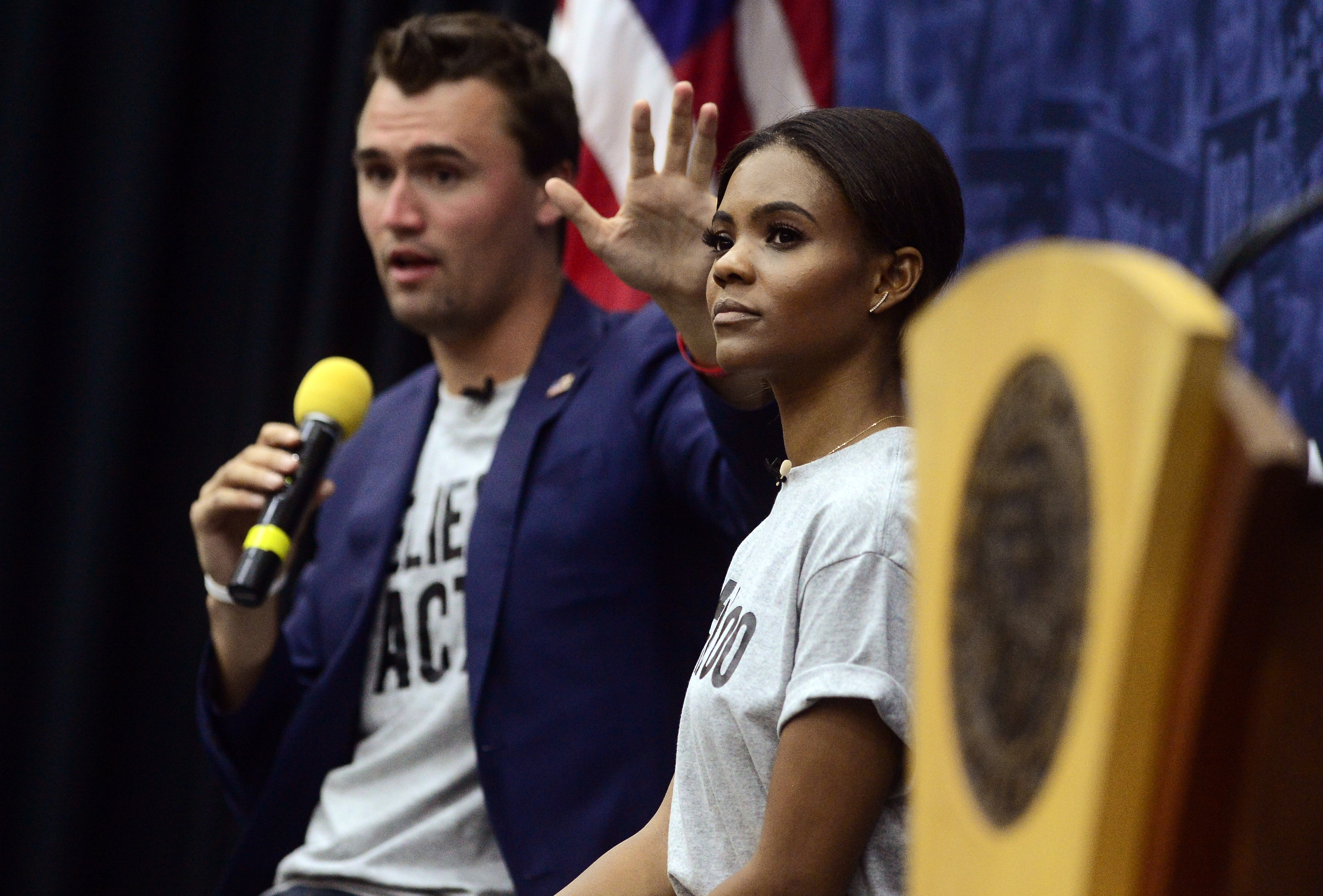
Owens’ actions illustrate the challenges faced by conservative media figures in navigating sensitive topics like assassination and betrayal. The blending of personal experiences, such as vivid dreams, with public accusations can blur the lines between fact and speculation, complicating efforts to maintain credibility.
As these narratives unfold, it becomes increasingly important for audiences to critically evaluate information and seek verified facts. The role of media personalities in shaping public opinion carries significant responsibility, especially when discussing events with profound emotional and political consequences.
Conclusion

Candace Owens’ revelation about her recurring dream featuring Charlie Kirk’s claim of betrayal has reignited discussions and conspiracy theories surrounding his assassination. While Owens’ vivid account adds a personal dimension to the ongoing debate, it also highlights the risks of spreading unverified claims in politically charged environments. As this story continues to develop, it is crucial for readers to approach such narratives with a discerning eye and prioritize credible sources.
If you found this article insightful, be sure to share it with others and stay informed by following trusted news outlets for updates on this evolving story.