Nick Reiner’s Mental Health Conservatorship and the Tragic Events Leading to His Parents’ Murders
The Role of Mental Health Conservatorship in Nick Reiner’s Life
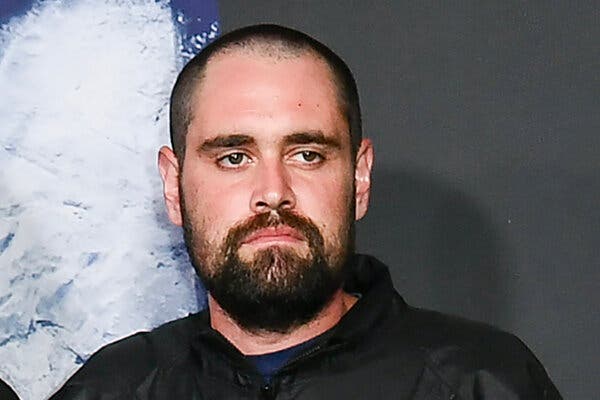
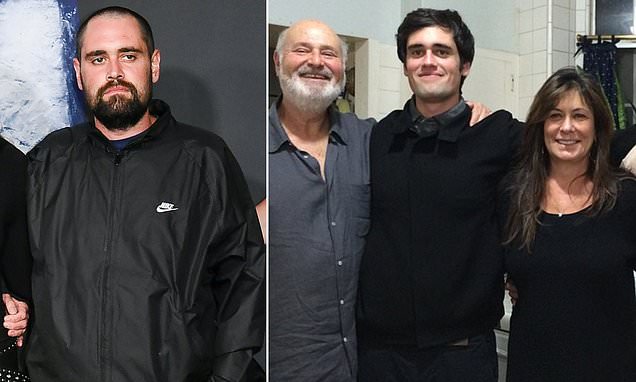
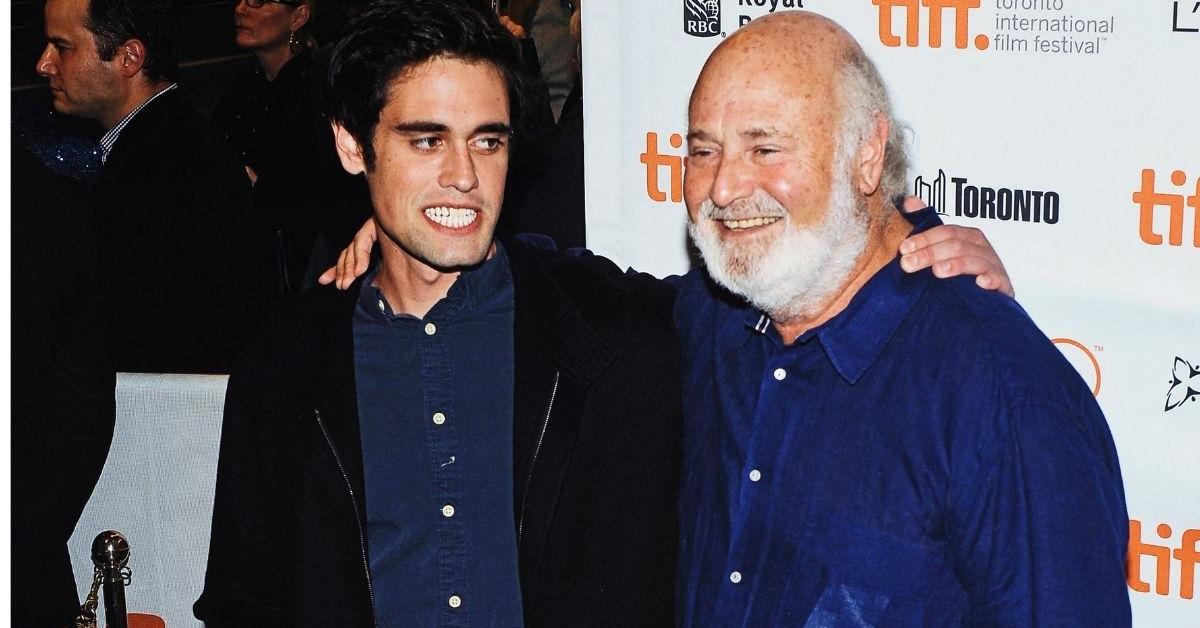
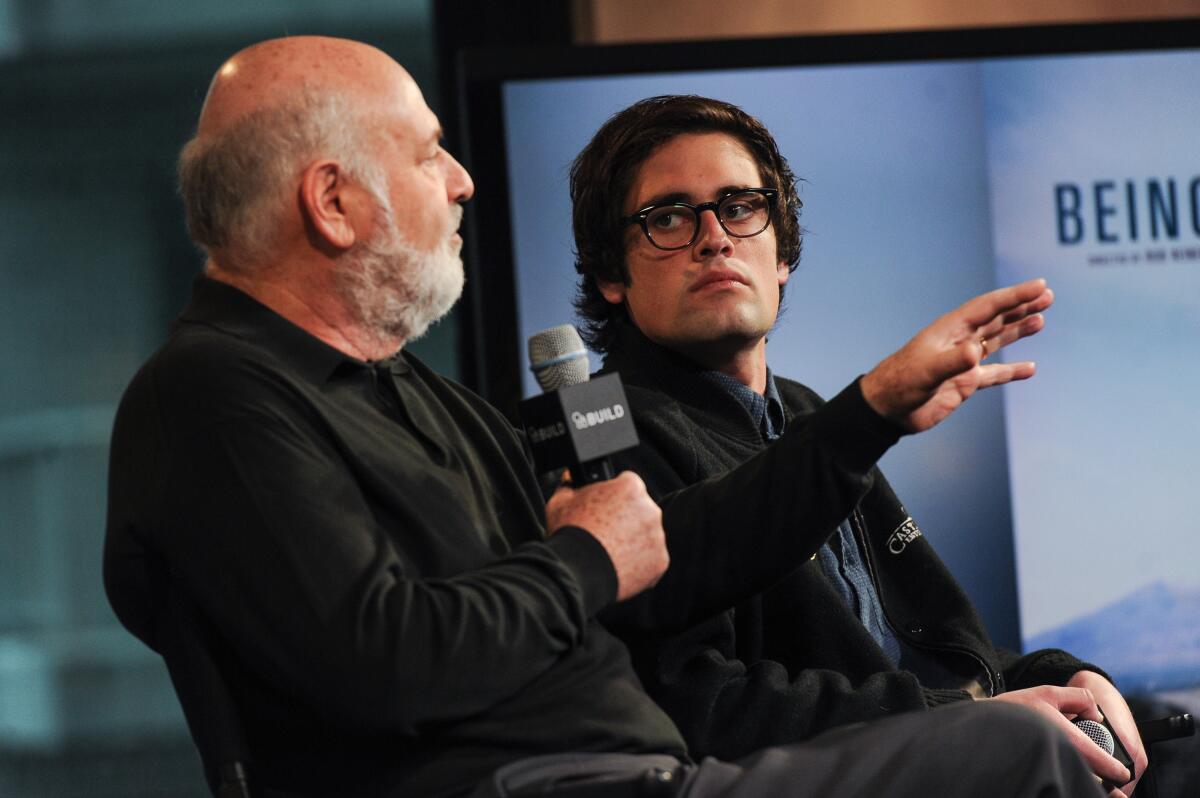
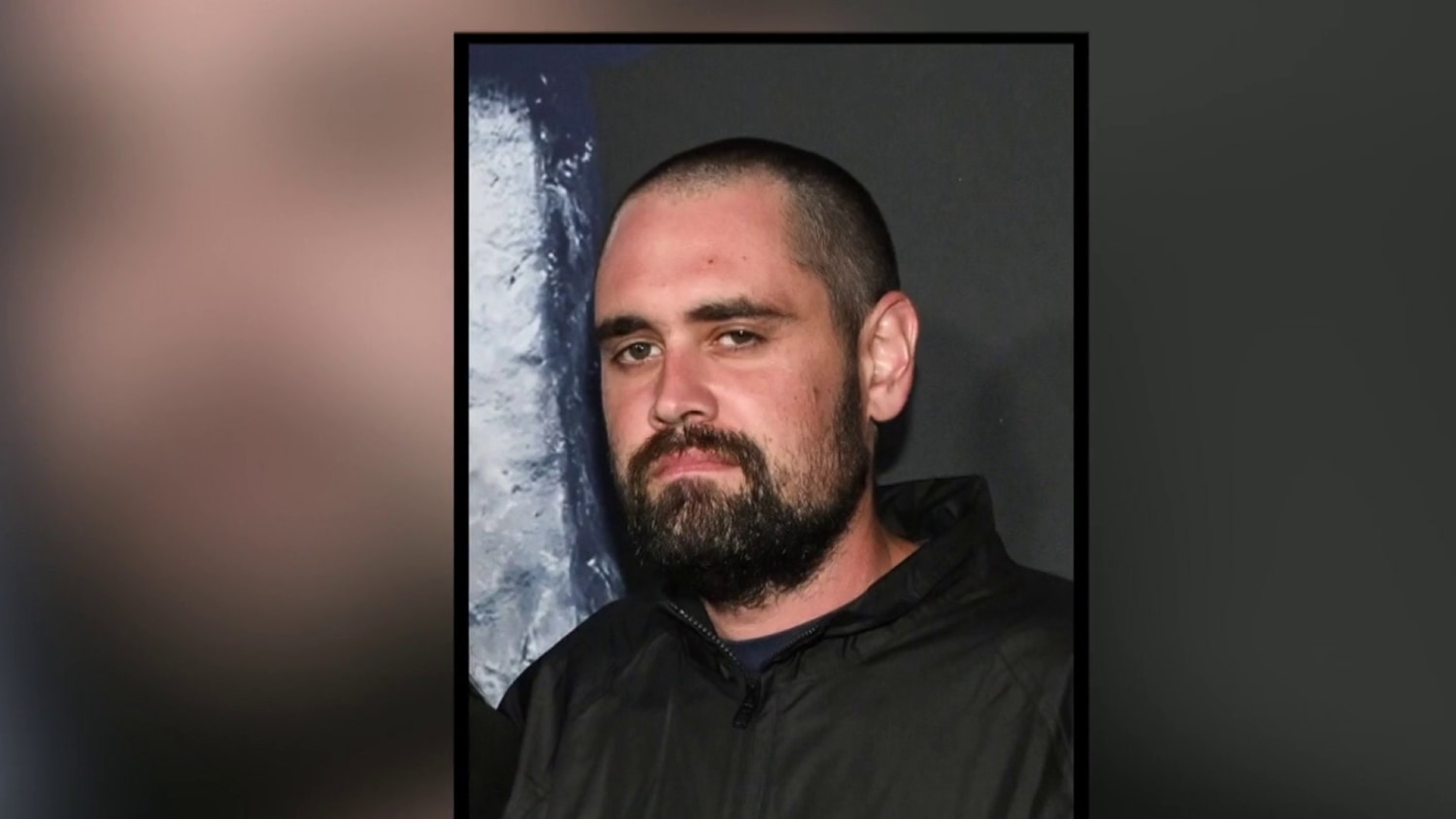
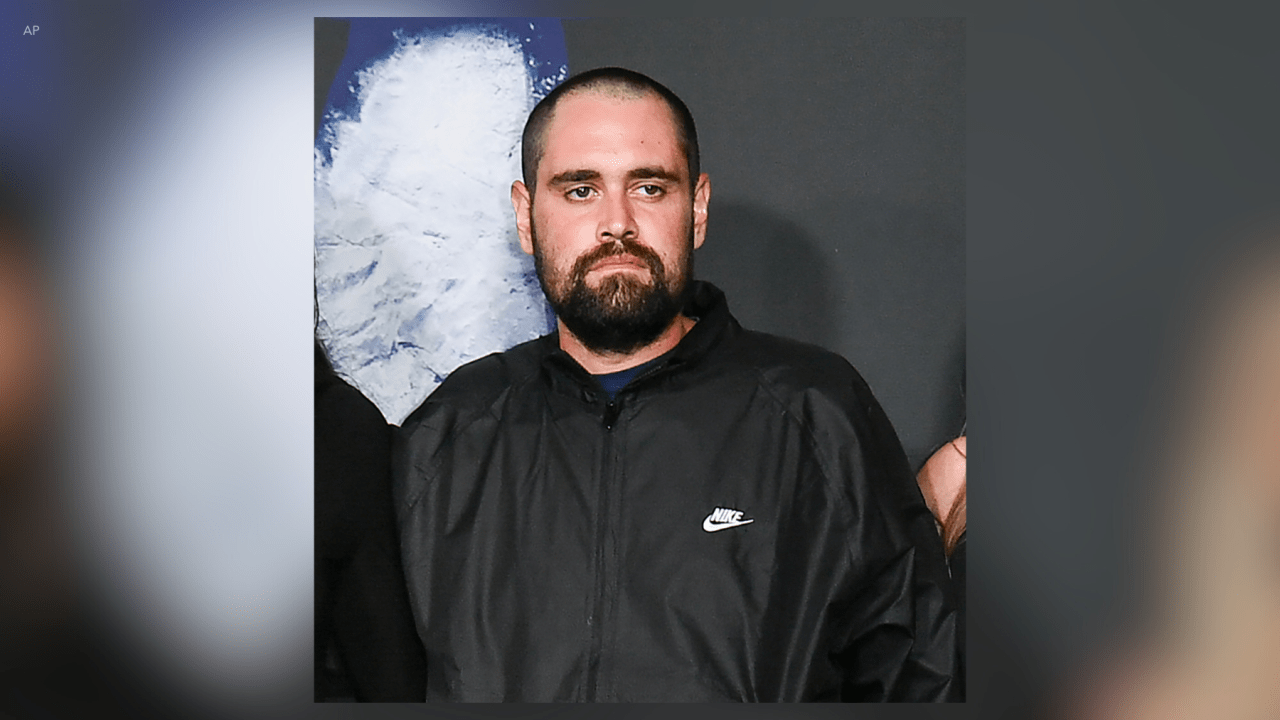
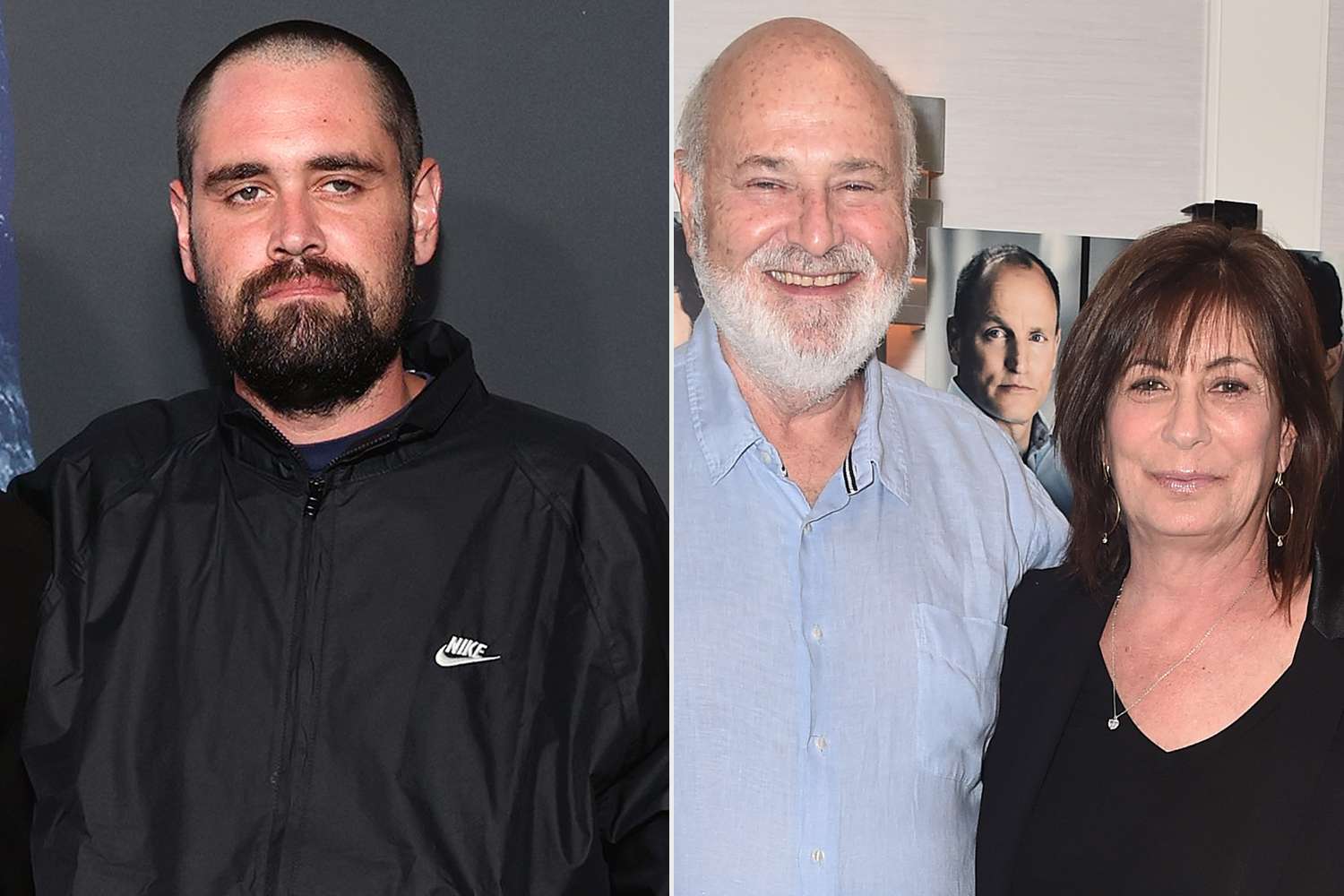
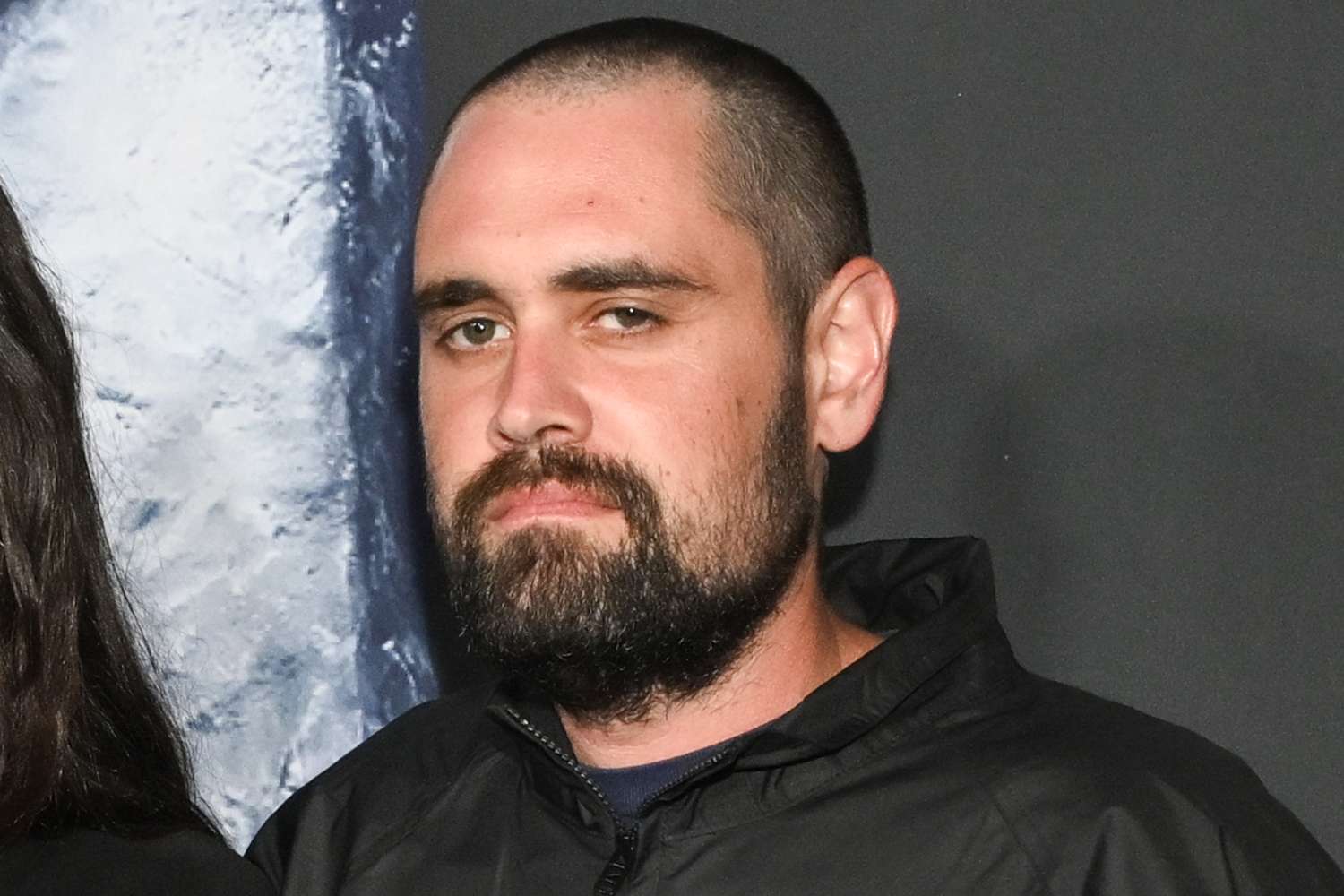
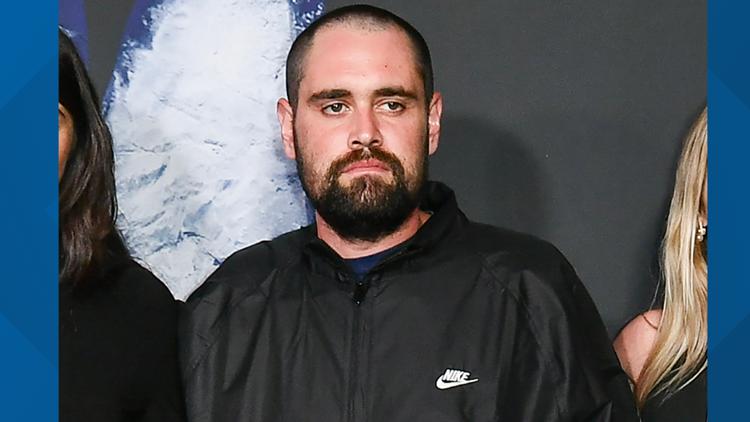
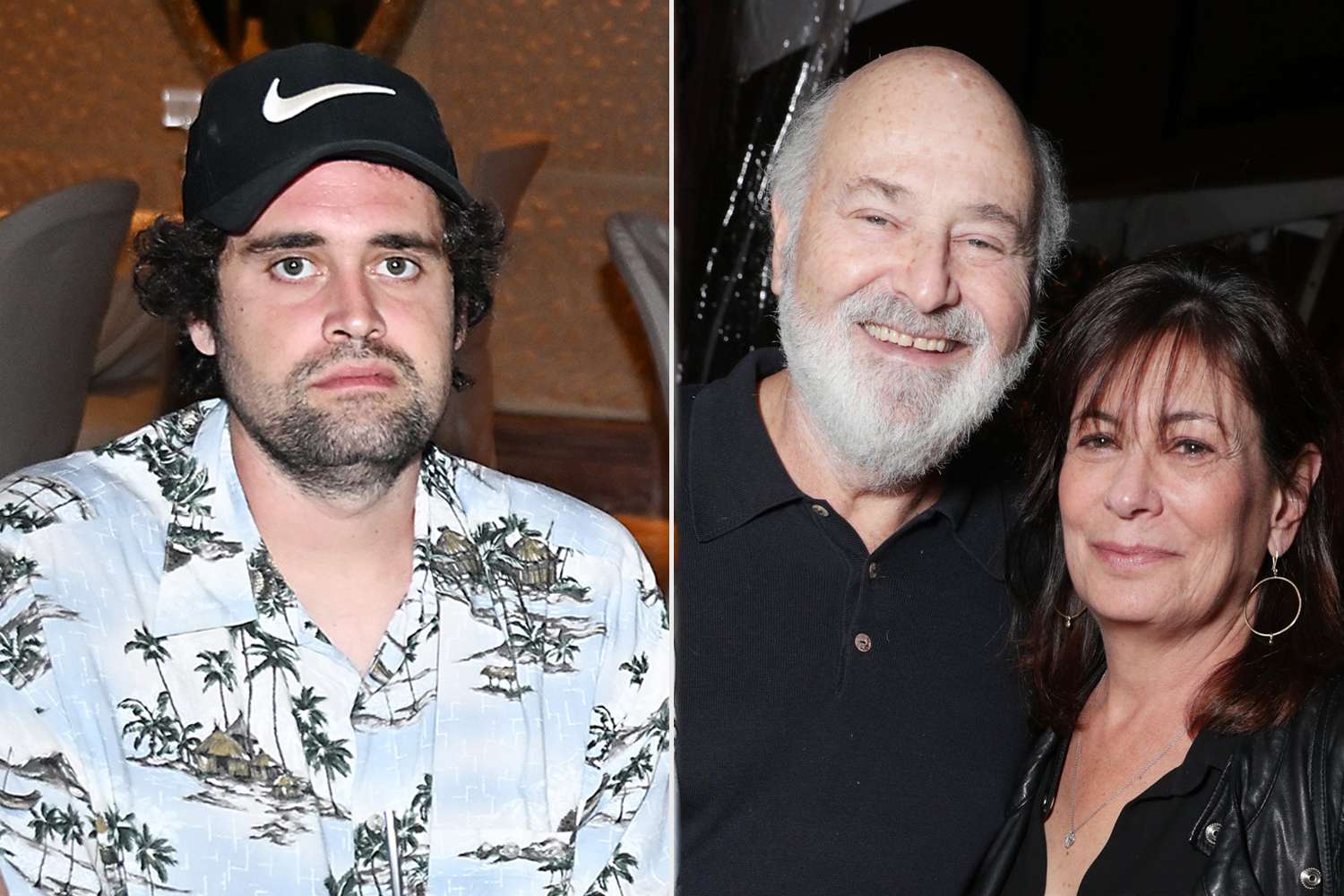
Nick Reiner, son of renowned movie director Rob Reiner, had been under a mental health conservatorship for several years before the tragic incident involving the deaths of his parents. Conservatorship, especially in cases involving mental health, is a legal mechanism designed to protect individuals who are unable to make informed decisions about their well-being due to psychiatric conditions. In Nick’s case, this conservatorship was put in place to manage his schizophrenia treatment and ensure his safety.
The conservatorship Nick was under is known as a Lanterman-Petris-Short (L.P.S.) conservatorship, a California law enacted in 1967 to provide involuntary psychiatric treatment for individuals who pose a danger to themselves or others. Unlike general probate conservatorships, which handle financial and broad medical decisions, L.P.S. conservatorships focus specifically on mental health treatment and are typically initiated following involuntary hospitalization.
Nick’s conservatorship was established after years of battling schizophrenia, a chronic mental health disorder characterized by hallucinations, delusions, and cognitive difficulties. This legal arrangement was intended to provide him with structured care and medication management to stabilize his condition.
Medication Changes and Their Impact on Nick’s Mental Health
Despite the conservatorship and ongoing treatment, Nick Reiner’s mental health took a drastic turn in the weeks leading up to the murders of his parents, Rob and Michele Reiner. According to sources close to the family, Nick had been on a specific schizophrenia medication that was effective in managing his symptoms but caused severe side effects. These side effects prompted a change in his medication regimen.
Approximately one month before the tragic event, Nick switched to a different antipsychotic medication. Unfortunately, this new medication did not have the same stabilizing effect and may have contributed to a rapid deterioration in his mental state. Family insiders noted that after the medication change, Nick “went off the rails,” exhibiting behaviors and symptoms that were alarming and uncharacteristic compared to his previous condition.
This sudden decline underscores the delicate balance involved in managing schizophrenia, where medication adjustments can have profound impacts on a patient’s mental stability. Side effects from antipsychotic drugs can range from mild to debilitating, and finding the right medication often requires careful monitoring and trial.
Understanding the Conservatorship and Its Limitations
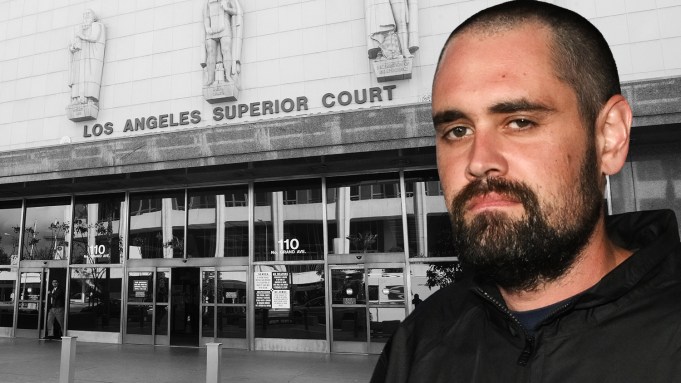
While conservatorships like the L.P.S. are designed to protect individuals with severe mental illness, they also come with limitations. The conservator appointed to oversee Nick’s care, Steven Baer, a licensed fiduciary, was responsible for making decisions about Nick’s treatment and welfare. However, conservatorships do not guarantee complete control over every aspect of a person’s health or behavior, especially when it comes to the complex and unpredictable nature of mental illnesses like schizophrenia.
Mental health experts emphasize that conservatorships are a tool, not a cure. They provide a legal framework to ensure treatment compliance but cannot always prevent crises or sudden changes in a patient’s condition. In Nick’s case, the medication change and subsequent mental health decline happened rapidly, highlighting the challenges faced by caregivers and conservators in managing severe psychiatric disorders.
Steven Baer commented on the situation, describing mental health as “an epidemic that is widely misunderstood” and lamenting the tragedy that unfolded. This statement reflects the broader societal difficulties in addressing mental illness, including stigma, treatment access, and the unpredictable course of conditions like schizophrenia.
The Aftermath and Ongoing Discussions on Mental Health Care
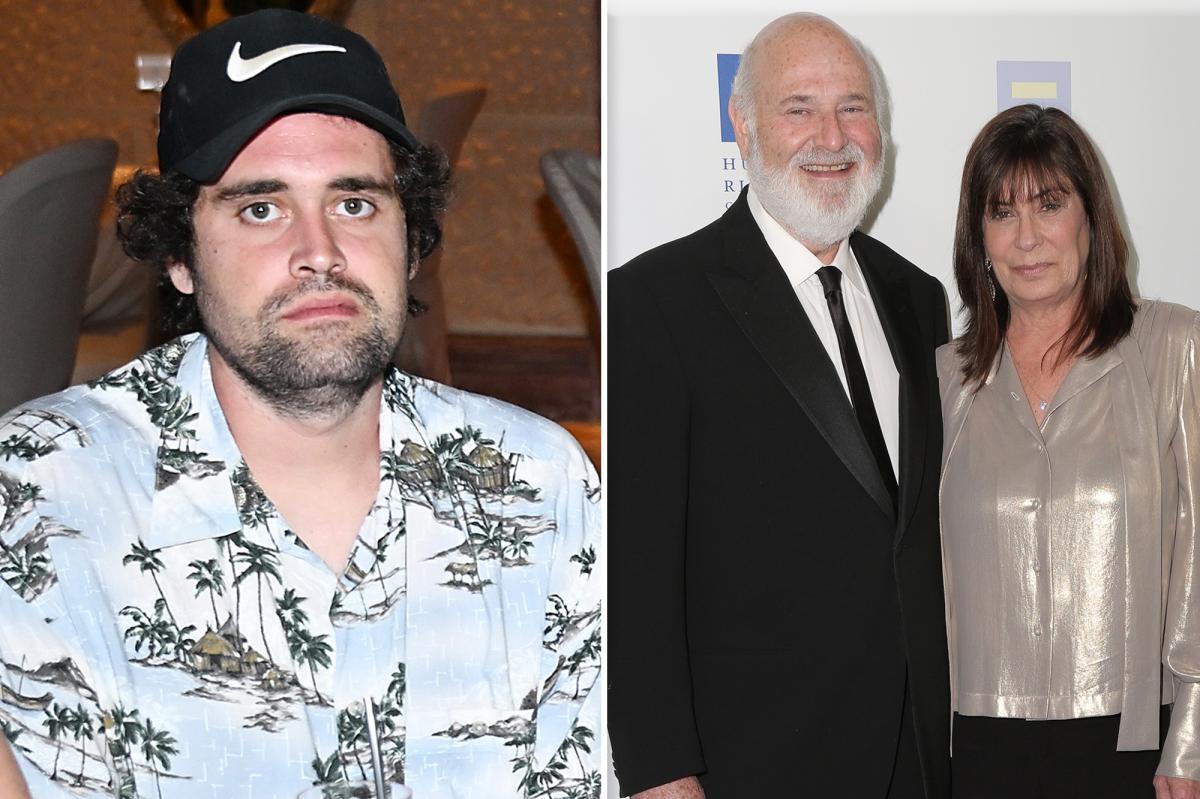
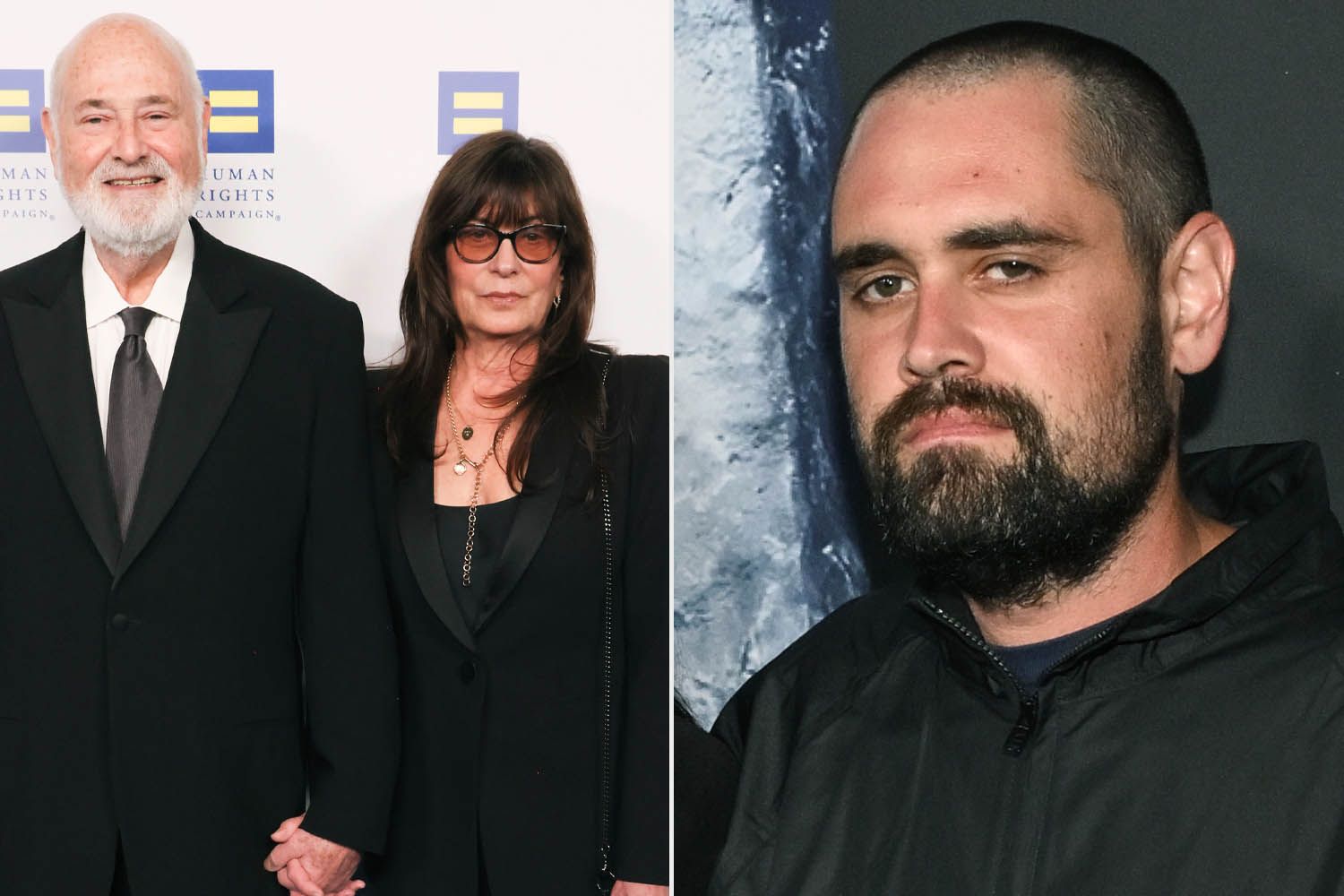
The murders of Rob and Michele Reiner by their son Nick have sparked widespread conversations about mental health care, conservatorship laws, and the support systems available for individuals with severe psychiatric conditions. Many advocates argue for improved mental health services, better medication management, and more comprehensive support for families affected by mental illness.
This case also brings attention to the importance of monitoring medication side effects closely and ensuring that changes in treatment are accompanied by increased supervision and support. The tragic outcome serves as a somber reminder of the complexities involved in treating schizophrenia and the critical need for ongoing research and resources.
Conclusion
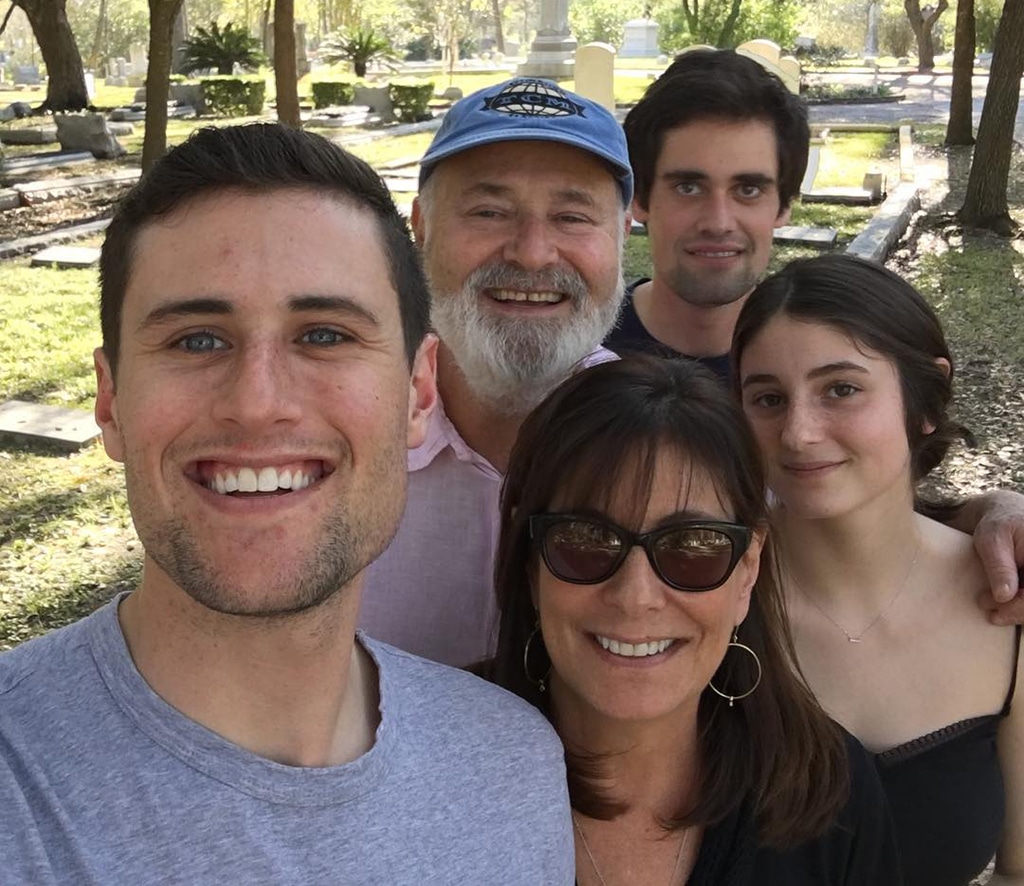
Nick Reiner’s story is a heartbreaking example of how mental health conservatorship and medication management intersect in the lives of individuals with schizophrenia. Despite legal protections and treatment efforts, the challenges of managing severe mental illness remain significant, especially when medication side effects prompt changes that can destabilize a patient’s condition.
If you or a loved one is struggling with mental health issues, it is crucial to seek professional help and ensure that treatment plans are carefully monitored. Early intervention and consistent care can make a difference. For more information on mental health resources and support, don’t hesitate to reach out to qualified healthcare providers today.