
Siblings Accusing Michael Jackson of Abuse Appear in Court as Judge Says They Likely Can’t Sue Due to Past Settlement
Michael Jackson Abuse Allegations: Court Hearing Highlights Legal Challenges

On January 14, 2026, four siblings who have accused Michael Jackson of childhood abuse appeared in a Los Angeles courtroom for a critical hearing. Frank, Aldo, Marie-Nicole, and Dominic Cascio, accompanied by their parents, sought to challenge a 2020 settlement agreement with the late pop icon’s estate. Their lawyer, Mark Geragos, argued that the settlement was unlawful and that the siblings were coerced into accepting it. However, the presiding judge indicated that the previous settlement likely prevents the siblings from pursuing further legal action against Jackson’s estate.
This hearing marks a significant development in a complex and emotionally charged legal battle that has spanned several years. The siblings’ allegations emerged publicly following the 2019 documentary series Leaving Neverland, which reignited scrutiny of Michael Jackson’s legacy and allegations of child abuse. Previously, the Cascio siblings had defended Jackson against abuse claims, but they later reversed their stance, accusing him of grooming, manipulation, and molestation during their childhood.
The 2020 Settlement and Its Impact on the Case

The 2020 settlement between the Cascio siblings and Michael Jackson’s estate is central to the current legal dispute. According to court documents and statements from the estate’s lawyer, Marty Singer, the siblings initially agreed to confidential arbitration as part of the settlement. Singer emphasized that the siblings had renegotiated for additional compensation but were now attempting to bypass the original agreement by filing a public lawsuit.
Singer described the lawsuit as a breach of the settlement terms and accused the siblings of making extortion demands totaling $213 million. “We categorically dispute these claims of abuse by Jackson,” Singer stated in court, highlighting the estate’s firm stance against the allegations.
In response, Geragos contended that the agreement was unenforceable because it was designed to conceal abuse. He asserted that the siblings felt pressured into signing the settlement and that justice required revisiting the case. Despite these arguments, the judge appeared inclined to compel arbitration, which would effectively block the siblings from pursuing a public lawsuit.
Emotional Courtroom Moments and Ongoing Legal Battles

The January 14 hearing was marked by emotional moments, including reports of one sibling visibly upset during proceedings. Geragos expressed frustration over the tentative ruling, describing it as “wrong on the law” and emphasizing the family’s determination to seek justice.
Additional legal drama unfolded as Howard King, another attorney representing the Cascio siblings, revealed possession of extensive video evidence containing sworn testimony about alleged abuse. King claimed that the estate’s lawyer had reviewed parts of this testimony, though Singer denied these assertions, calling them fabrications.
The dispute also involves accusations of extortion and counterclaims, with the estate alleging that Frank Cascio made an extortion demand. Both sides have maintained firm positions, and the case remains unresolved with another hearing scheduled for March 5, 2026.
What This Means for Michael Jackson’s Legacy and Legal Precedents
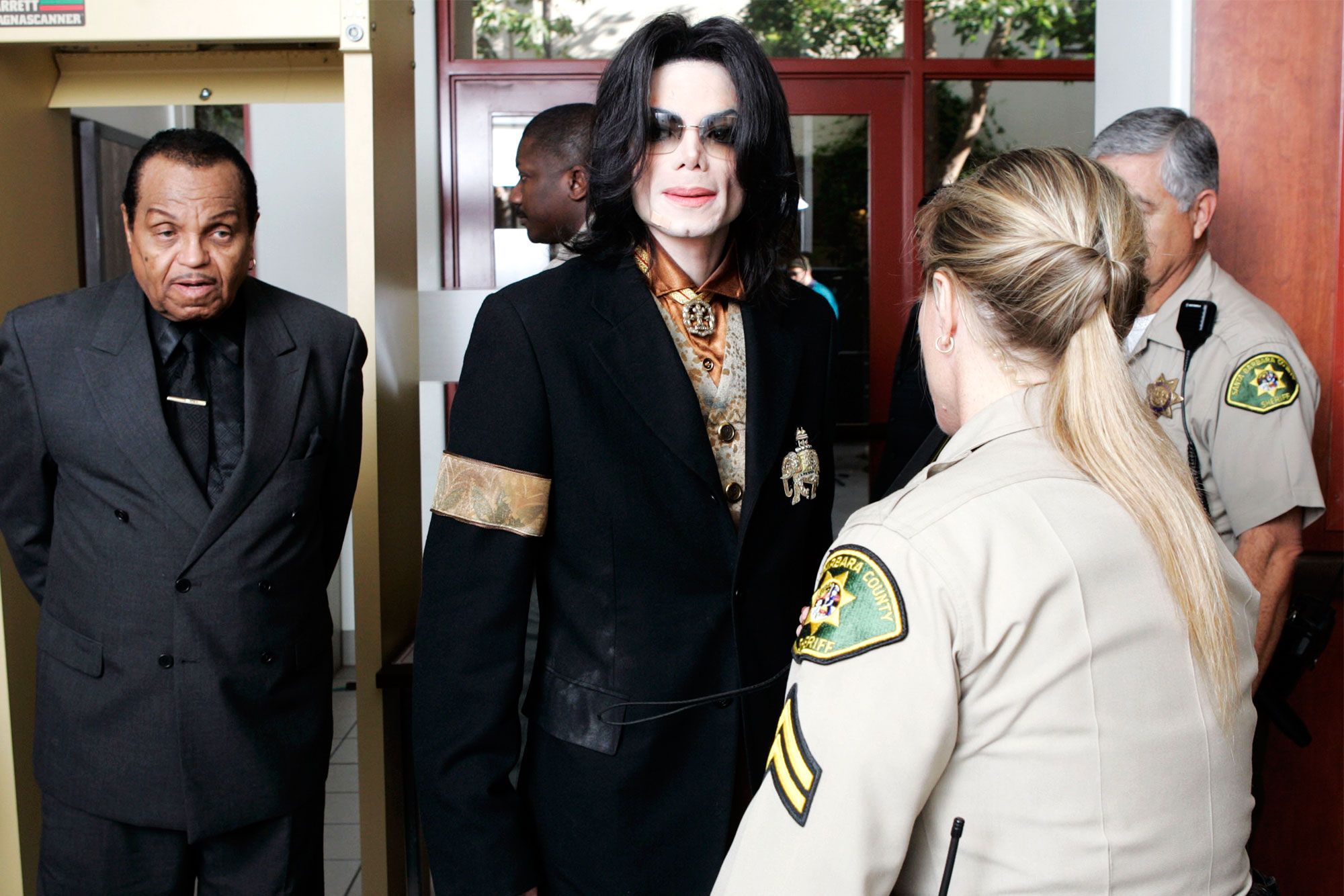
The ongoing legal battle involving the Cascio siblings and Michael Jackson’s estate underscores the complexities of abuse allegations against high-profile figures, especially when previous settlements are involved. The judge’s indication that the siblings may be barred from suing due to the 2020 settlement highlights the legal weight such agreements carry, even amid serious accusations.
This case also raises broader questions about the enforceability of settlements in cases involving alleged abuse and whether victims can seek justice after agreeing to confidentiality clauses. The outcome could influence how similar cases are handled in the future, particularly those involving estates of deceased celebrities.
Moreover, the public nature of the allegations and the courtroom drama continue to impact Michael Jackson’s legacy, which remains a subject of intense debate and scrutiny decades after his death.
Next Steps in the Legal Process
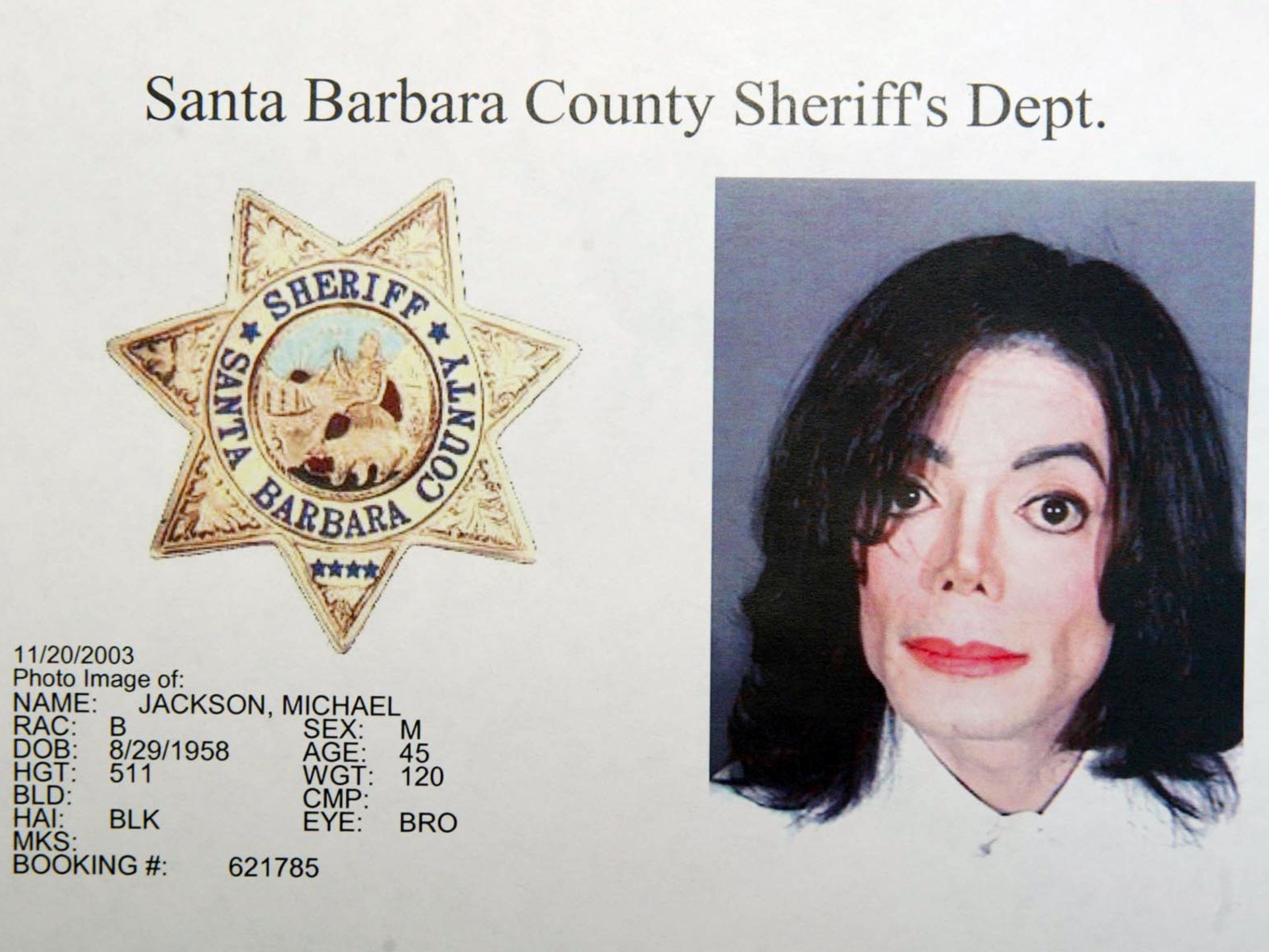
With the next hearing set for March 5, 2026, both parties are preparing for further legal arguments. The court will likely address whether arbitration must proceed and if the siblings can move forward with their claims publicly. Until then, the case remains a focal point for media coverage and public interest.
Legal experts suggest that if the court enforces arbitration, the details of the dispute may remain confidential, limiting public insight into the allegations and evidence. Conversely, if the siblings succeed in nullifying the settlement, it could open the door for a full trial and potentially new revelations.
Conclusion
The court appearance of the siblings accusing Michael Jackson of abuse highlights the ongoing struggle between seeking justice and the constraints imposed by past legal settlements. As the case progresses, it will be crucial to monitor how the court balances these competing interests and what implications the ruling may have for survivors of abuse and estate law.
If you want to stay updated on this developing story and other high-profile legal cases, subscribe to our newsletter for the latest news and expert analysis. Don’t miss out on important updates—sign up today!