ICE Agent Unlikely to Face Charges in Renee Good’s Death: Report
Investigation into Renee Good’s Death and the ICE Agent’s Legal Status
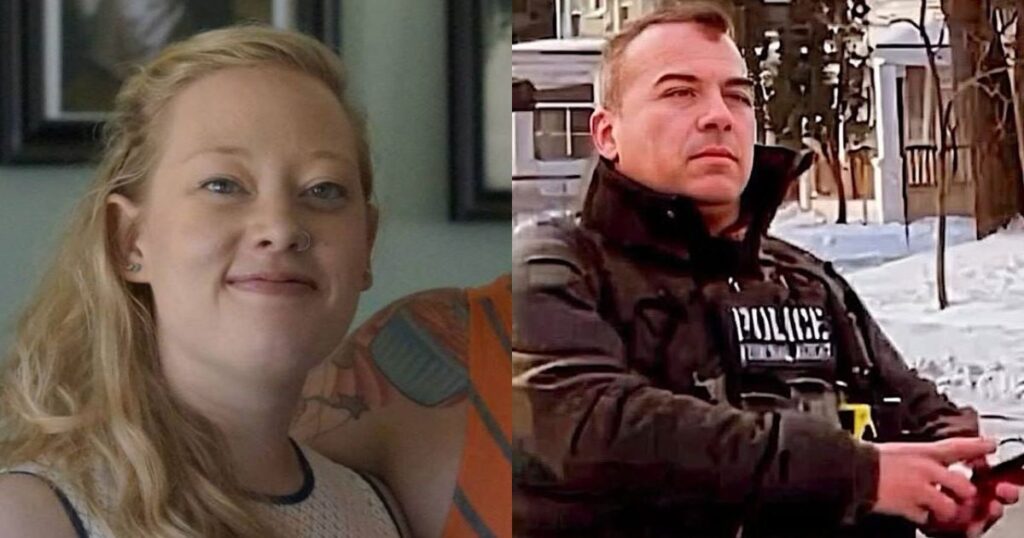
The tragic death of Renee Nicole Good, a protester fatally shot by an Immigration and Customs Enforcement (ICE) agent in Minneapolis, has drawn national attention and sparked widespread protests. According to recent reports, the ICE agent involved, Jonathan Ross, is unlikely to face criminal charges related to the shooting. Federal investigators, including the FBI, have taken over the case from local authorities and are conducting a thorough review of the incident. However, the Department of Justice (DOJ) does not currently plan to open a civil rights investigation into the matter.
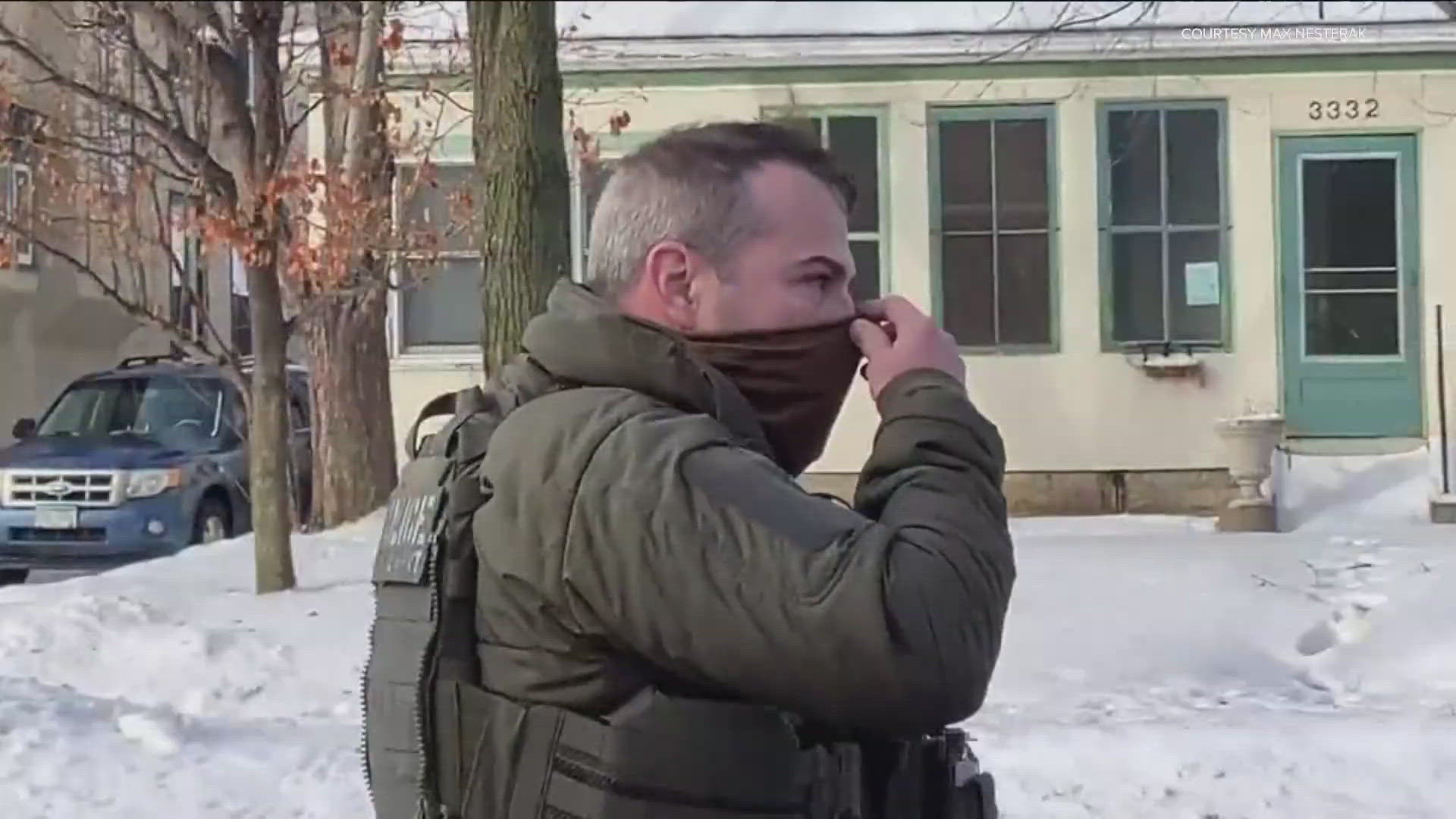
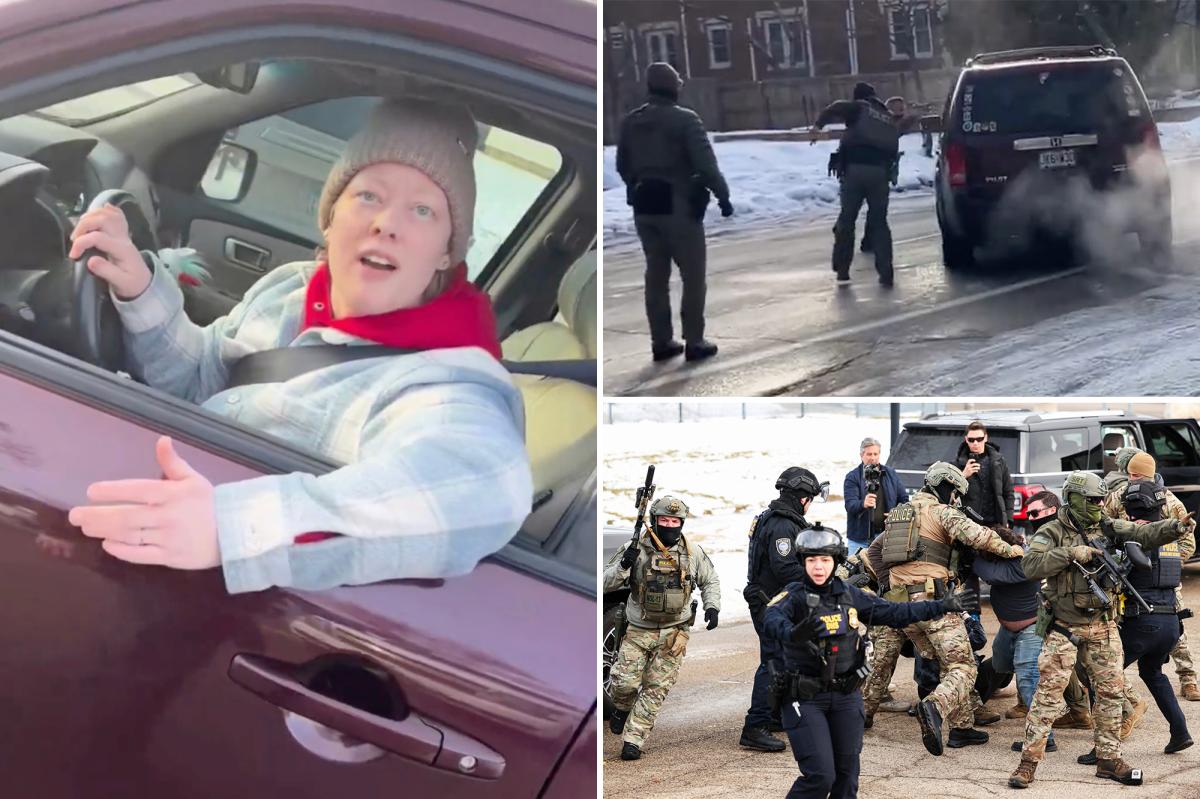
The shooting occurred on January 7, 2026, when Good drove her SUV toward two ICE officers conducting an enforcement operation. Ross fired three shots, resulting in Good’s death. The incident has raised questions about the use of force by federal agents and the rights of protesters, especially those involved in anti-ICE activism.
Details of the Shooting and Federal Review
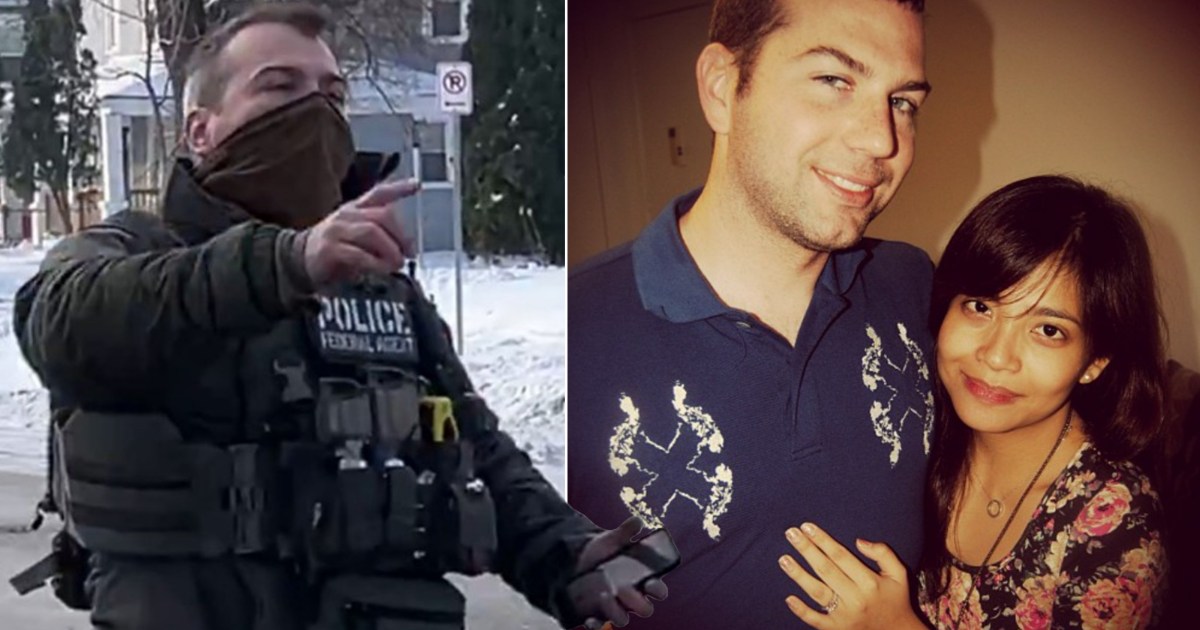
The FBI’s investigation focuses on multiple aspects of the shooting, including the conduct of Agent Ross and the physical evidence, such as the handgun used. Sources familiar with the case have indicated that the likelihood of charges being filed against Ross is low, although the situation could evolve as new information emerges.
The DOJ’s civil rights division has so far declined to investigate whether Ross violated Good’s civil rights. This decision comes amid political controversy, with the Trump administration quickly labeling Good a “domestic terrorist.” Homeland Security Secretary Kristi Noem defended the agent’s actions as self-defense, citing that Good allegedly struck Ross with her vehicle before the shooting.
Renee Good’s Activism and Community Impact

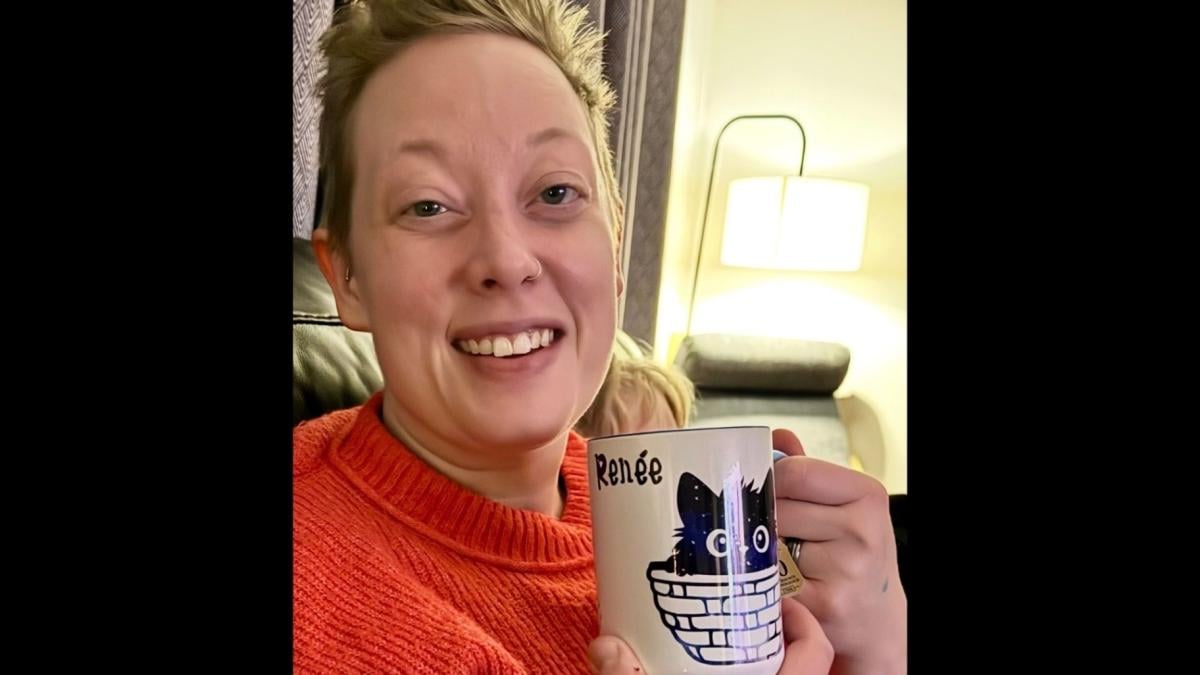
Renee Good was known as an anti-ICE activist, deeply involved in local efforts to resist federal immigration enforcement. Friends and community members described her as a “warrior” who was motivated by her 6-year-old son’s experiences and her commitment to social justice. Good regularly participated in “ICE Watch” groups, which monitor immigration enforcement activities and advocate for immigrant rights.
The group she was affiliated with had connections to more radical organizations and was known for organizing neighborhood watch activities aimed at protecting communities from ICE raids. These activities included training sessions and manuals on resisting police actions, which have been scrutinized as part of the federal investigation.
The shooting has intensified protests in Minneapolis and across the country, highlighting ongoing tensions between immigration enforcement agencies and activist communities. Good’s death has become a rallying point for those opposing the Trump administration’s immigration policies.
Political and Social Reactions to the Incident
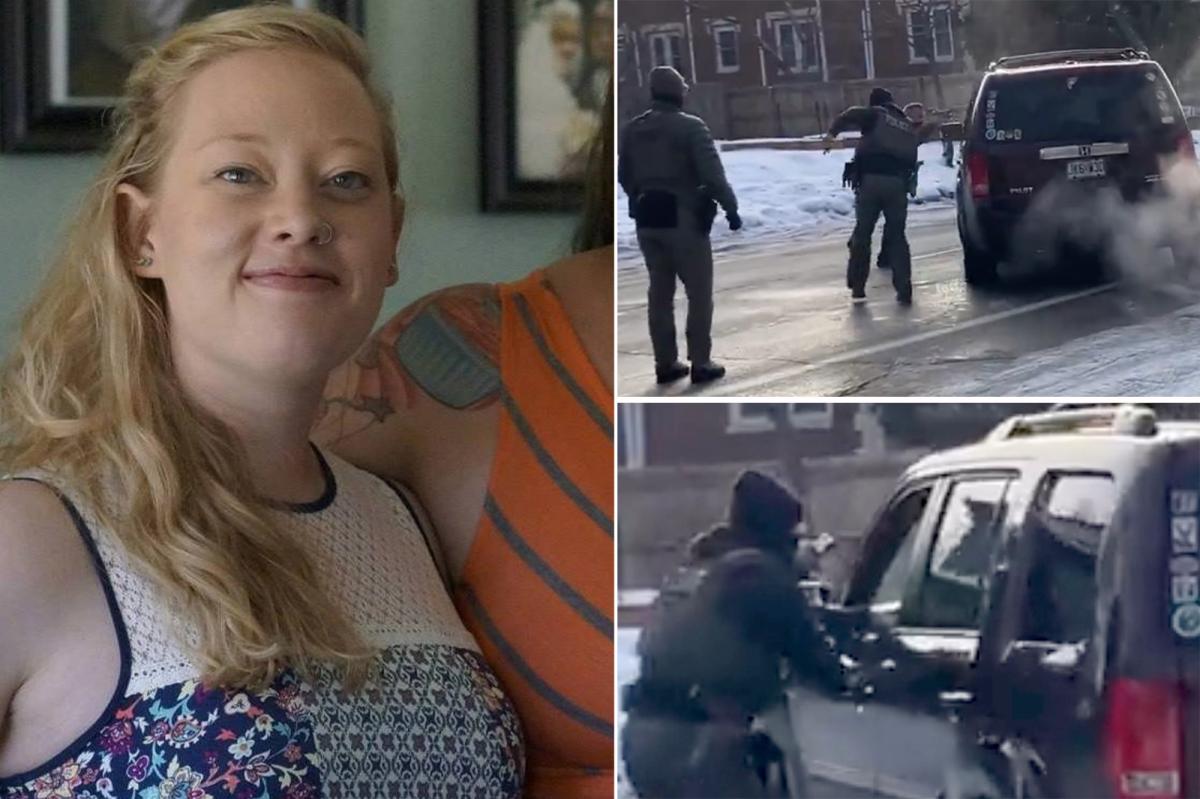
The response to Renee Good’s death has been polarized. Supporters of the ICE agent emphasize the dangers faced by law enforcement officers during enforcement operations and argue that Ross acted in self-defense. Conversely, activists and community members condemn the use of lethal force and call for accountability and reform.
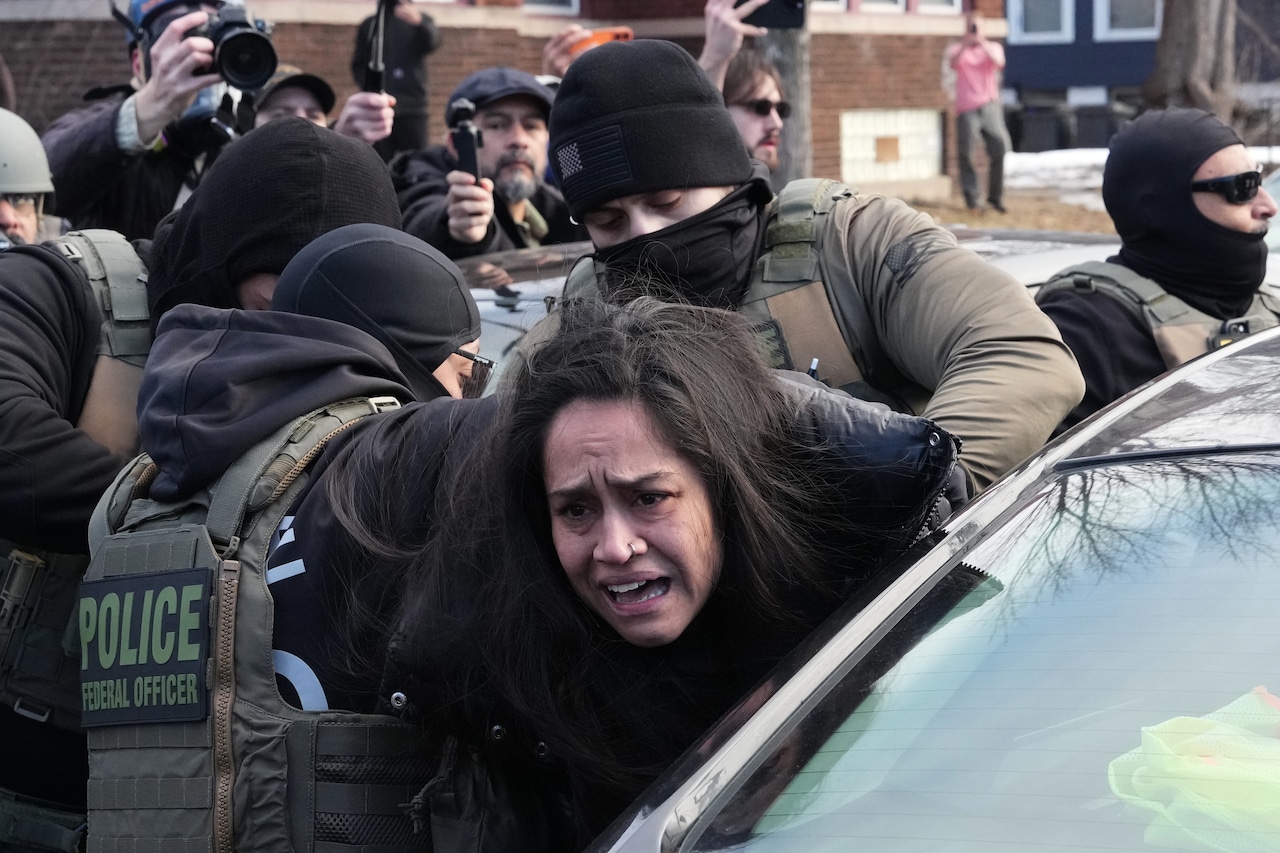
Good’s wife, Rebecca, was present at the scene and was visibly distraught after the shooting. Her emotional reaction has been widely shared, underscoring the human cost of the incident. The case has also sparked debates about the role of federal agencies in local communities and the balance between security and civil liberties.
Conclusion
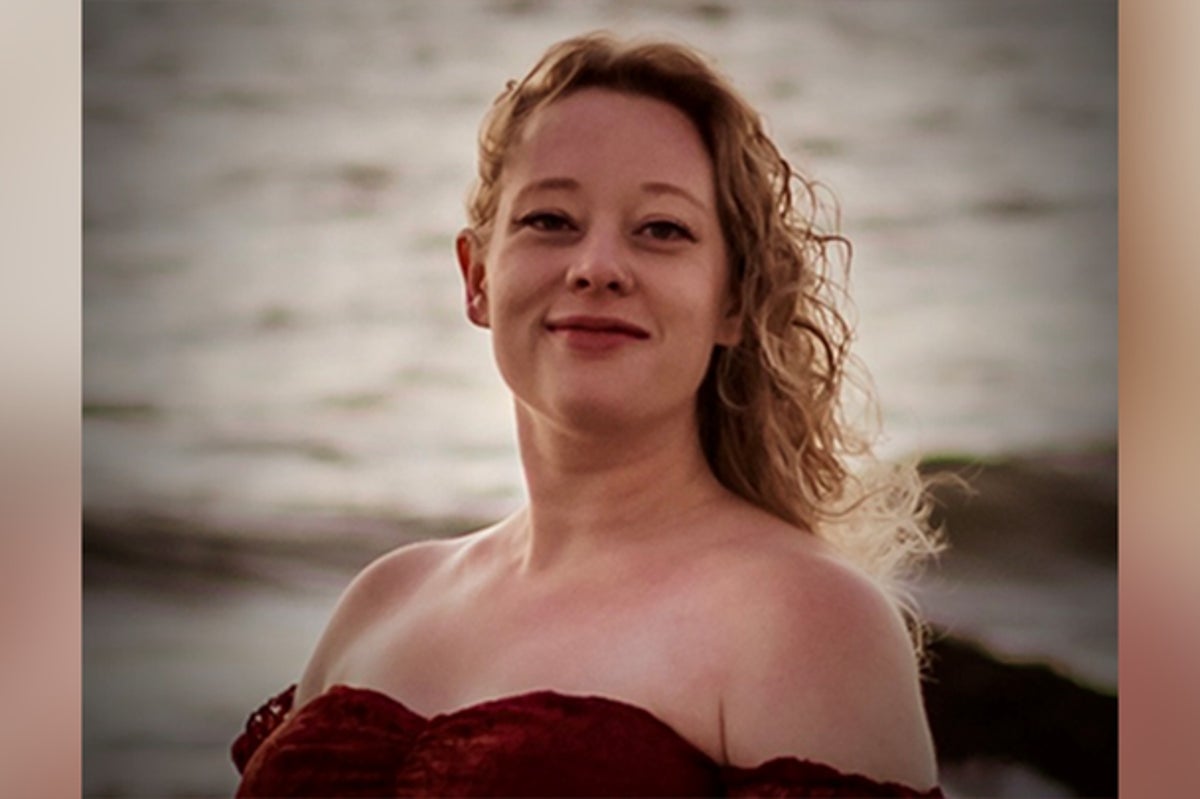
The report that the ICE agent involved in Renee Good’s death is unlikely to face charges adds a complex layer to an already contentious issue. As federal investigations continue, the case remains a focal point for discussions about immigration enforcement, protest rights, and law enforcement accountability. For those interested in staying informed about this developing story and related topics, it is crucial to follow credible news sources and engage in community dialogues.
If you want to learn more about immigration policies, law enforcement practices, and civil rights, subscribe to our newsletter for the latest updates and expert analysis. Stay informed and be part of the conversation shaping the future of justice and community safety.