
Matt Lauer Accuser Brooke Nevils Explains Why She Didn’t Call Police After Alleged 2014 Rape
Why Brooke Nevils Didn’t Report the Alleged 2014 Rape to Police

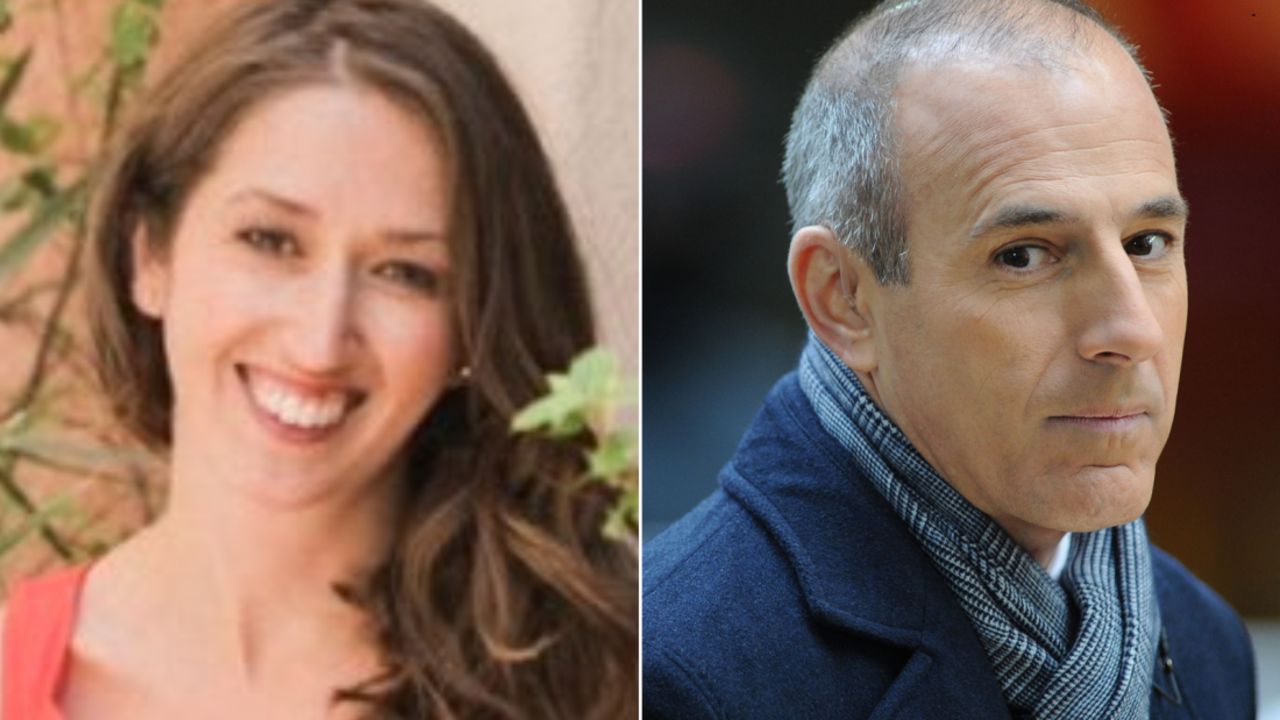
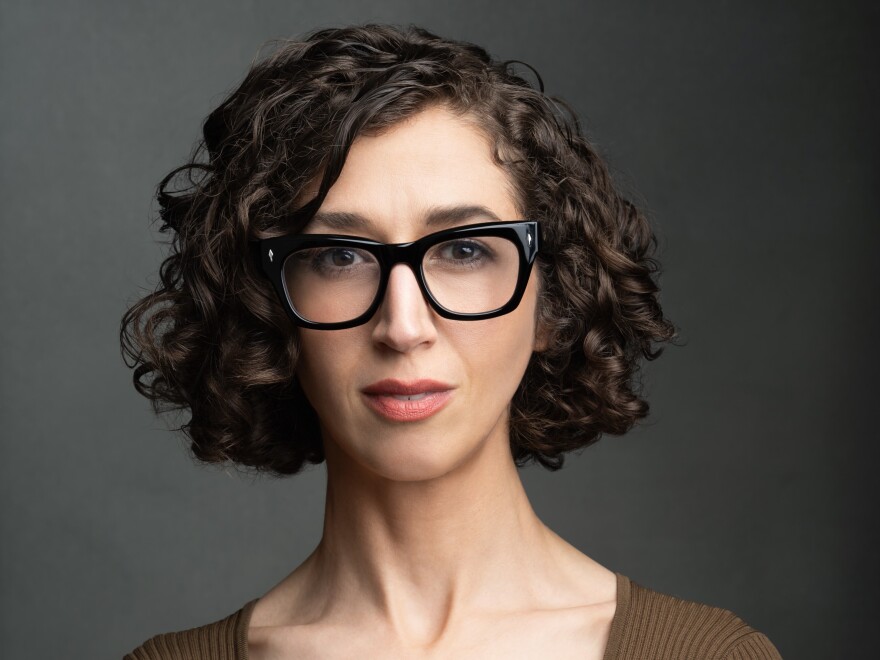
In her forthcoming memoir, Brooke Nevils, who accused former NBC anchor Matt Lauer of rape, provides a candid explanation for why she did not contact law enforcement after the alleged assault in 2014. Nevils recounts that the incident occurred during the Winter Olympics in Sochi, Russia, where she was working as an NBC employee. The combination of Lauer’s immense influence and the foreign environment contributed heavily to her decision to remain silent at the time.
Nevils writes that if anyone else had committed the act, she would have immediately sought police help. However, the reality of the situation was starkly different. She was thousands of miles from home, surrounded only by NBC colleagues, and in a country where she felt the authorities would not offer protection or justice. “Who would I call? Putin? The KGB?” she questioned, highlighting the futility she felt in seeking help in Russia.
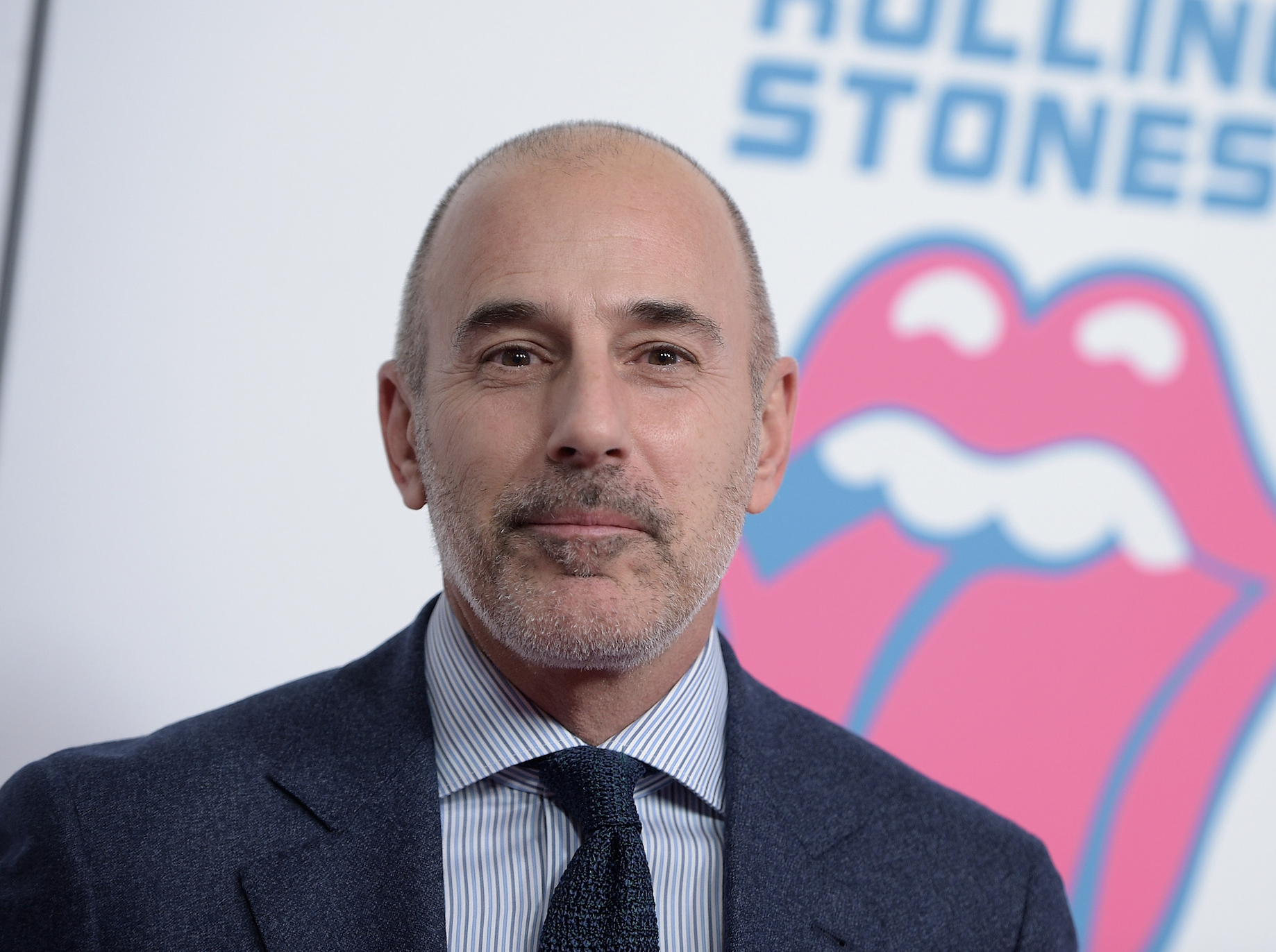
Moreover, Nevils explains that Matt Lauer was “Today’s” longest-serving anchor with a lucrative contract, making him one of the most powerful figures in morning television. His status created an environment where his perspective was considered absolute, and any dissent was dismissed. This power imbalance left Nevils feeling that the incident was her fault, that she had somehow failed to prevent it or handle it gracefully without damaging Lauer’s reputation.
The Environment of Fear and Isolation in Russia

The setting of the alleged assault played a critical role in Nevils’ silence. NBC had implemented strict surveillance measures during the Olympics, including copying the hard drives of employees’ devices before departure to detect any malware upon return. This meant that any attempt by Nevils to reach out for help via phone or internet would have been monitored by NBC, further isolating her.
Additionally, the only medical professional available was employed by NBC, and all the people Nevils knew in Russia were connected to the network and, by extension, to Lauer’s career. This network of control made Nevils feel trapped, as her own career depended on Lauer’s success. The fear of retaliation or disbelief was overwhelming.
Nevils also describes the physical aftermath of the alleged rape, waking up in her hotel room with blood-stained underwear and sheets. Despite this, she chose to discard the evidence and continue her day as if nothing had happened, a testament to the shock and trauma she endured.
The Complex Relationship and Its Impact on Recognition of Assault
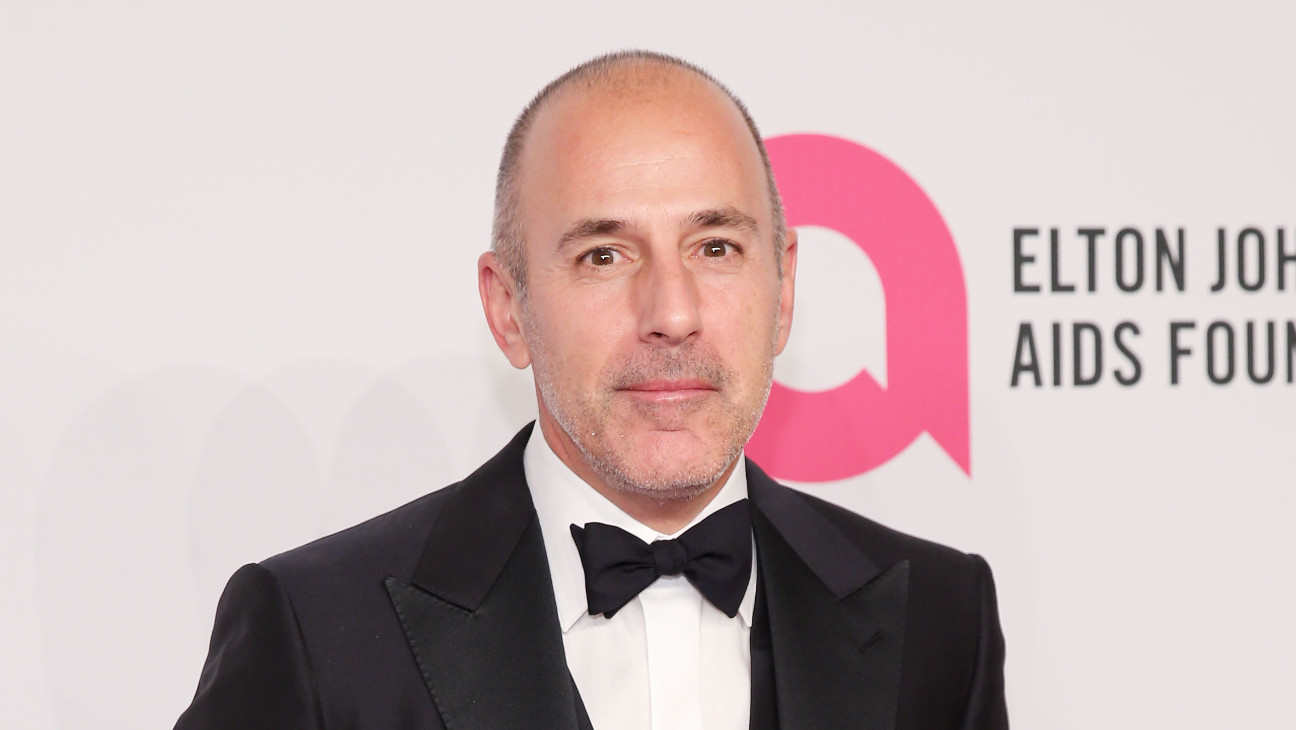
Nevils’ memoir reveals that she and Lauer had a preexisting relationship, which complicated her understanding of the assault. She states that this history made her less likely to immediately recognize the event as an assault. The blurred lines between consensual encounters and abuse can often delay recognition and reporting, especially when the accused holds significant power.
In November 2017, Nevils finally filed a complaint with NBC, accusing Lauer of sexual misconduct. The network swiftly terminated Lauer within 24 hours. Following the allegations, Lauer lost his job and his marriage to Annette Roque ended. Lauer denied the rape accusations but admitted to an extramarital affair with Nevils.
The public fallout from the allegations led to other accusations against Lauer surfacing, though he has denied all claims. Since the scandal, Lauer has maintained a low profile, reportedly living quietly in the Hamptons.
Brooke Nevils’ Courage to Speak Out
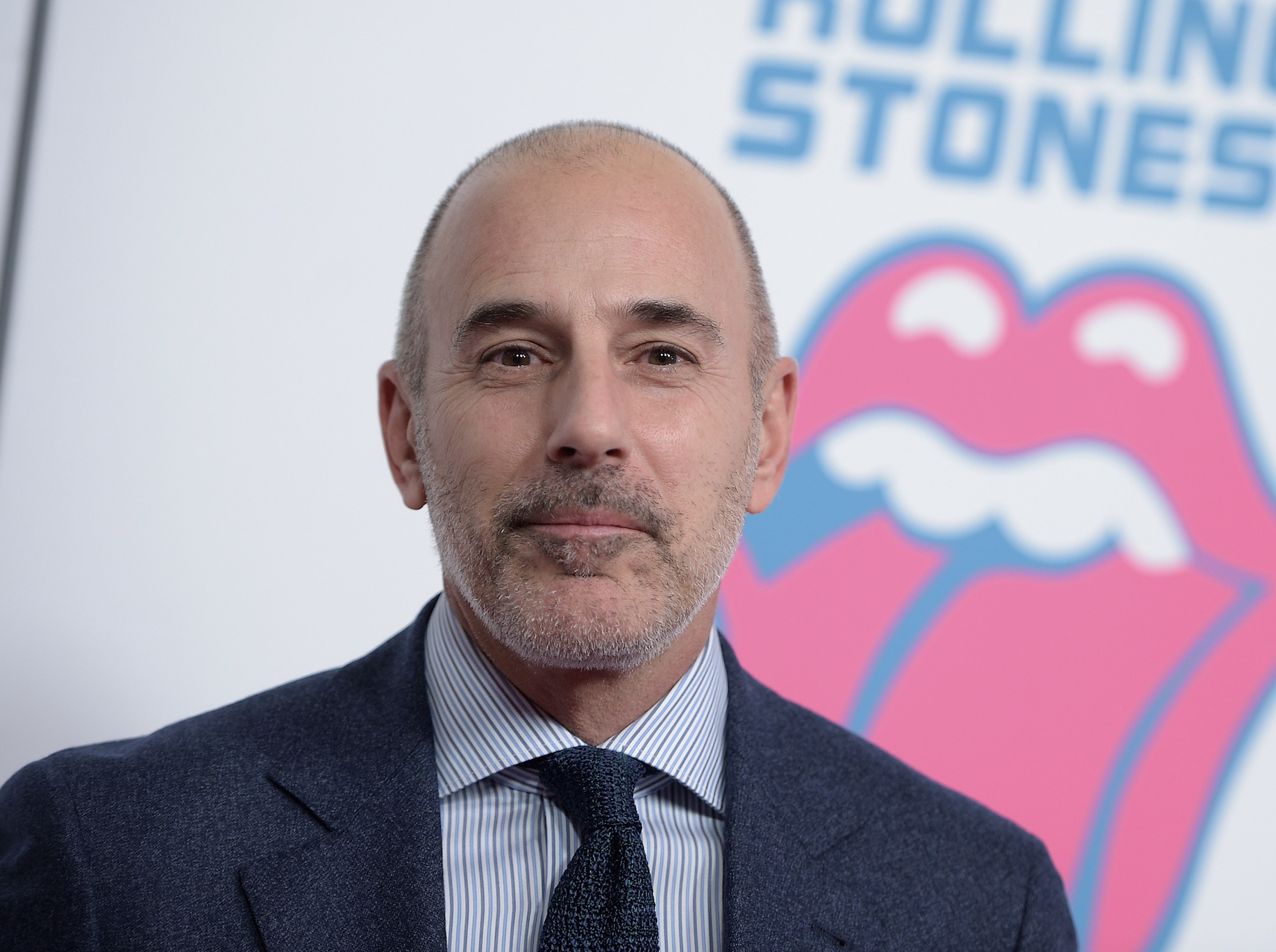
Nevils first publicly described the alleged rape in Ronan Farrow’s 2019 book, “Catch and Kill,” and subsequently took a leave of absence from NBC, never returning. Her decision to share her story has shed light on the challenges victims face when confronting powerful abusers, especially within industries that prioritize reputation over justice.
NBC issued a statement reaffirming their stance against Lauer’s conduct, calling it “appalling, horrific and reprehensible.” The network emphasized their support for Nevils and other victims of sexual misconduct.
If you or someone you know has been affected by sexual assault, help is available. Contact the Sexual Assault Hotline at 1-800-330-0226 for support and resources.
Conclusion
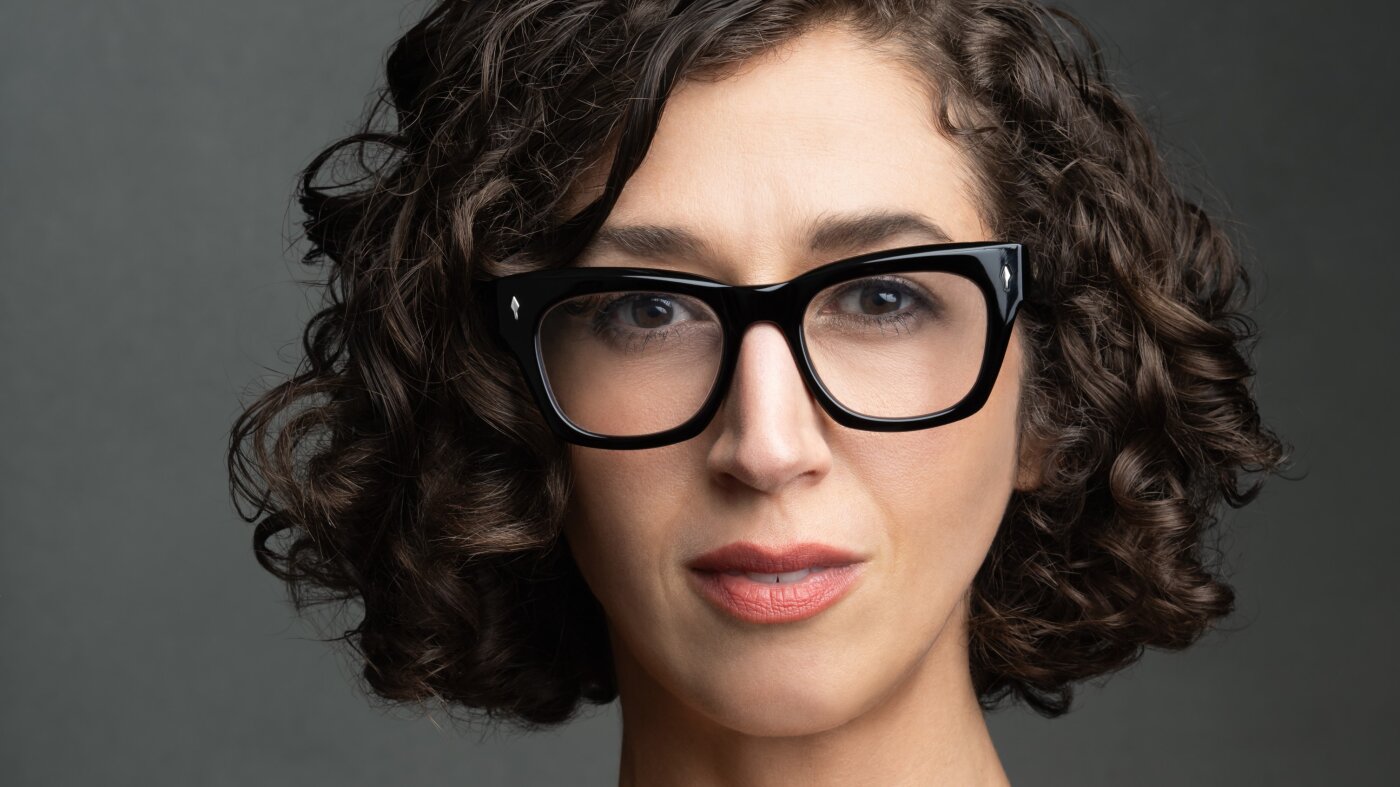
Brooke Nevils’ explanation of why she didn’t call the police after the alleged 2014 rape by Matt Lauer reveals the complex interplay of fear, power, and isolation that many survivors face. Her story underscores the importance of creating safe environments where victims feel empowered to speak out and seek justice. If you or someone you know is struggling with similar experiences, don’t hesitate to reach out for help. Sharing your story can be the first step toward healing and change.