

Slate Writer Suggests JD Vance Got Wife Pregnant to Quash Erika Kirk Rumors
In a recent and highly controversial article, Slate published a piece that has stirred significant debate across political and social media circles. The article, penned by Heather Schwedel, insinuates that J.D. Vance and his wife Usha Vance chose to have a fourth child as a strategic move to silence persistent rumors involving Erika Kirk, the widow of Charlie Kirk. These rumors suggested that Vance might leave his wife for Kirk, a claim that has been widely criticized as baseless and offensive. This article explores the background of these rumors, the Slate writer’s claims, and the broader implications of such narratives in today’s political climate.
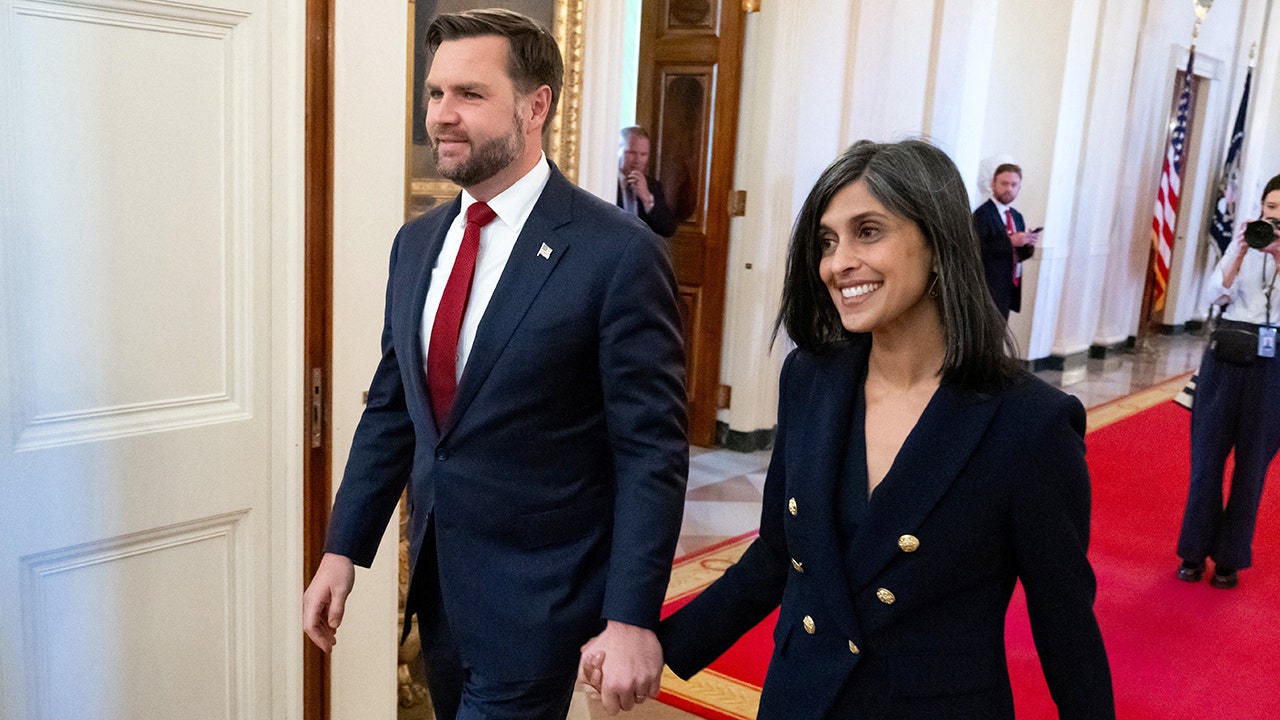
The Controversial Claim: J.D. Vance’s Fourth Child as a Political Statement
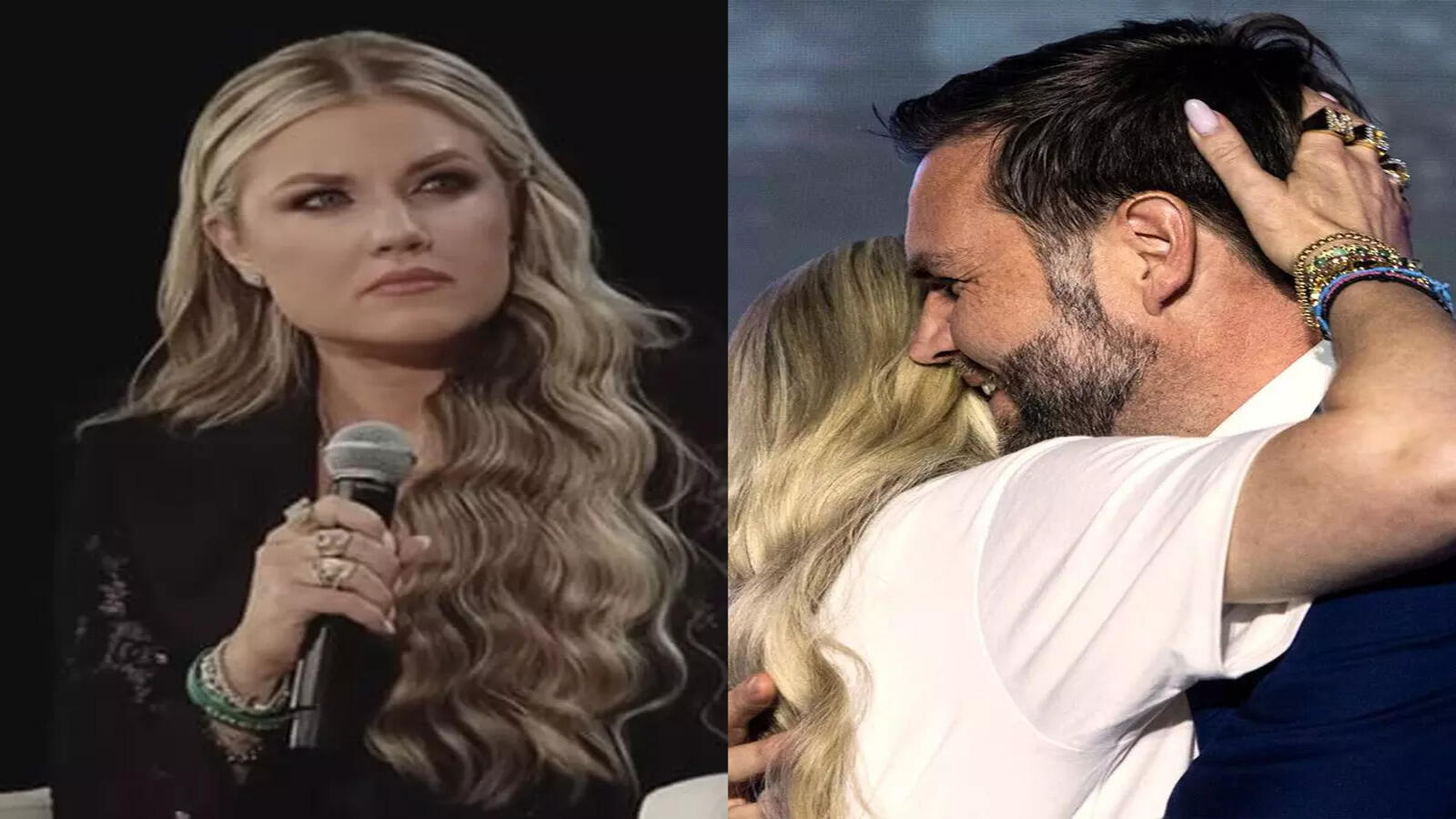
Heather Schwedel’s article on Slate posits a provocative theory: that J.D. Vance and Usha Vance’s announcement of expecting a fourth child was not merely a personal family decision but a calculated response to quell swirling divorce rumors. These rumors, which emerged from fringe left-wing commentators, alleged that Vance might abandon his wife, who is Indian-American, in favor of Erika Kirk, a white woman and the widow of conservative activist Charlie Kirk.
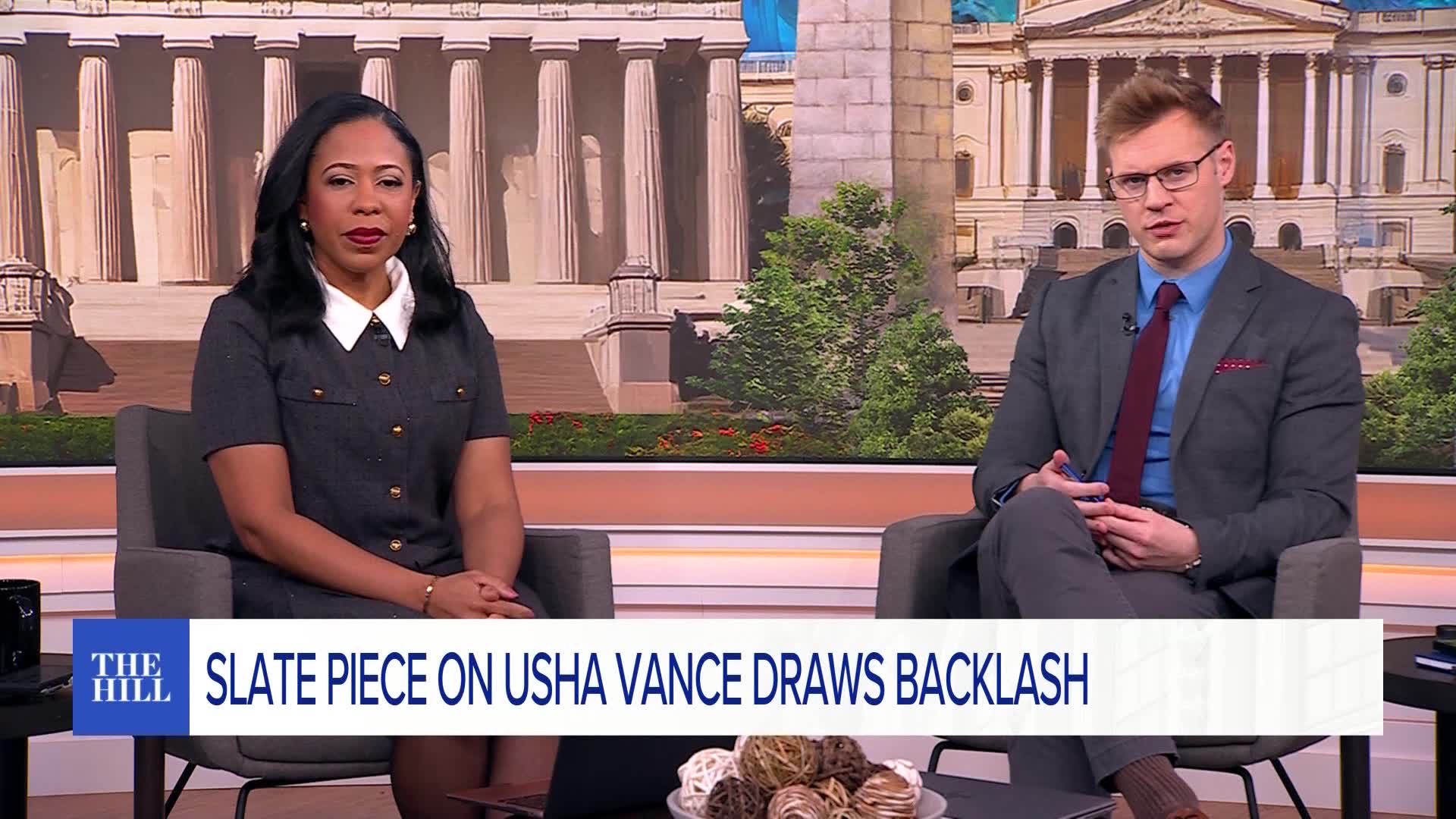
Schwedel’s article suggests that the Vances’ growing family serves as a public rebuttal to these claims, framing the pregnancy as a symbolic gesture to reaffirm their marriage and Vance’s commitment to his wife. The writer further argues that this move is designed to maintain Vance’s standing within the MAGA (Make America Great Again) movement, which some perceive as favoring traditional conservative values, including racial and cultural homogeneity.

However, this theory has been met with widespread criticism for its speculative nature and for reducing a deeply personal family decision to a mere political tactic. Critics argue that such narratives are not only invasive but also perpetuate harmful stereotypes and undermine the dignity of the individuals involved.
Background: The Erika Kirk Divorce Rumors and Political Undertones

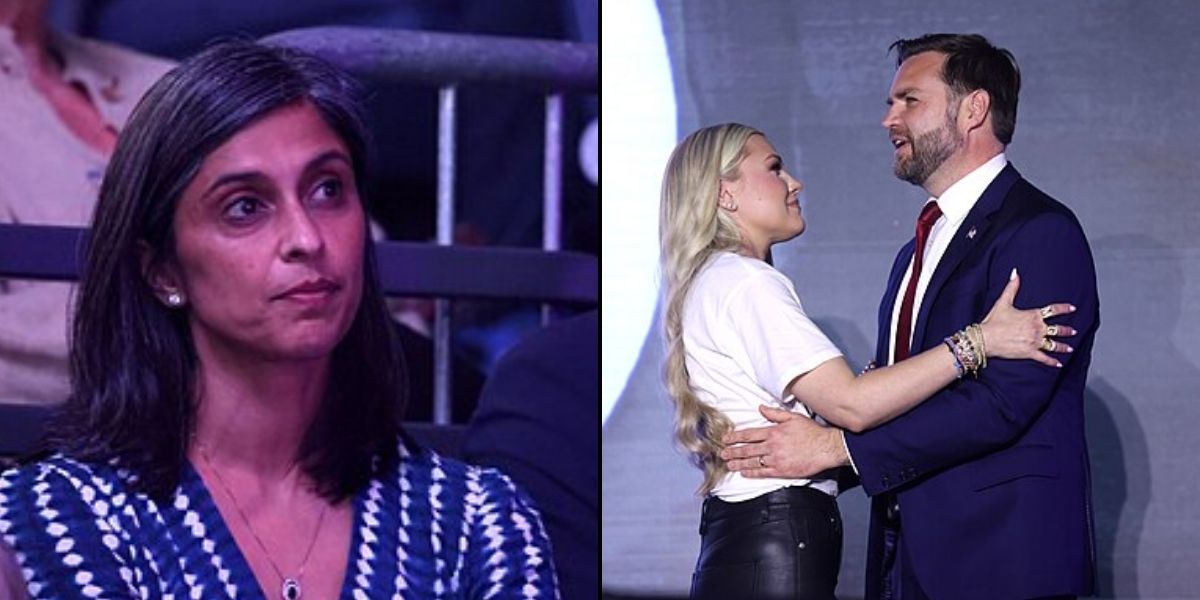
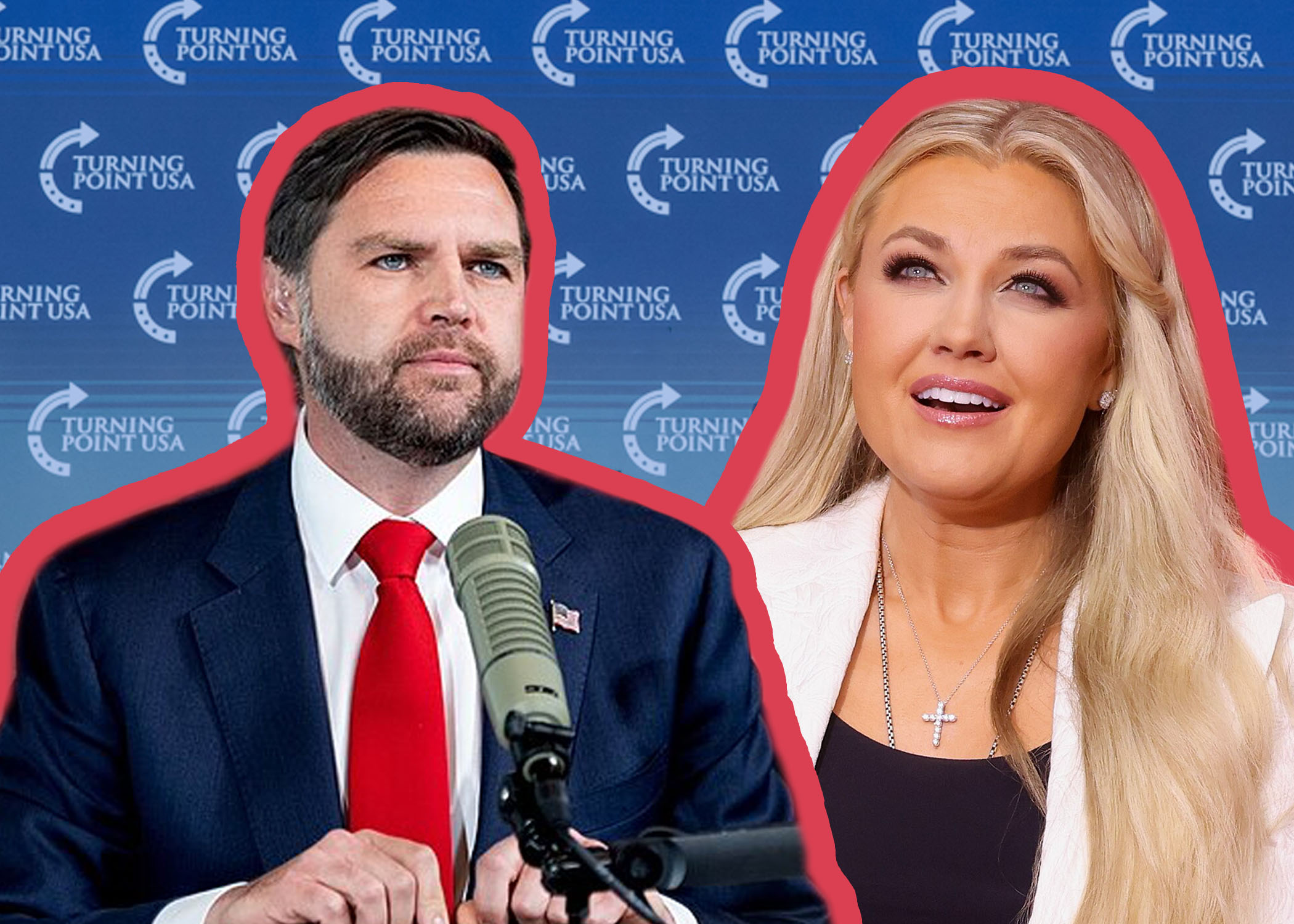
The rumors linking J.D. Vance to Erika Kirk began circulating after a brief on-stage hug between the two last year, which some commentators seized upon to speculate about an affair or impending divorce. These rumors were amplified by certain left-leaning figures who framed the story through a racial and cultural lens, suggesting that Vance’s marriage to Usha, an Indian-American woman, was at odds with the predominantly white, Christian nationalist base of the MAGA movement.

One notable example was former MSNBC host Joy Reid, who publicly questioned whether Vance might prefer a “white queen” over his “brown Hindu” wife, implying that such a change would better align with the movement’s values. This racially charged commentary sparked backlash for its overtly prejudiced undertones and for attempting to weaponize personal relationships for political gain.

In this context, Schwedel’s Slate article can be seen as an extension of these divisive narratives, suggesting that the Vances’ family expansion is a direct response to these racially and politically motivated rumors.
The Vances’ Relationship: A Normal Family Amid Political Turmoil

Despite the swirling rumors and political speculation, J.D. and Usha Vance appear to maintain a stable and loving relationship, one of the few in the often turbulent political landscape of Washington, D.C. Unlike many political couples who face constant public scrutiny and scandal, the Vances have largely kept their personal lives private and grounded.

Observers note that the couple’s decision to have another child should be respected as a personal family choice rather than politicized or used as fodder for speculative narratives. The suggestion that their pregnancy is a calculated move to “prove” loyalty to a political base is not only unfounded but also diminishes the authenticity of their family life.
Implications of the Slate Article and Public Reaction

The Slate article has drawn sharp criticism for its reckless and insensitive framing. Many argue that it reflects poorly on the publication’s editorial standards and raises questions about the ethics of politicizing personal family matters. The piece has been described as “gross” and “reckless,” highlighting the dangers of allowing speculative and racially charged narratives to dominate public discourse.
Furthermore, critics point out the double standards in media coverage. For instance, if a right-leaning outlet had published similar claims about a black Democratic politician’s family, it would likely have sparked outrage and accusations of racism and sexism. This inconsistency underscores the need for responsible journalism that respects individuals’ privacy and avoids perpetuating harmful stereotypes.
Neither the Vances nor Slate have issued official responses to the controversy, leaving the public to grapple with the implications of such reporting on political figures and their families.
Why Responsible Reporting Matters
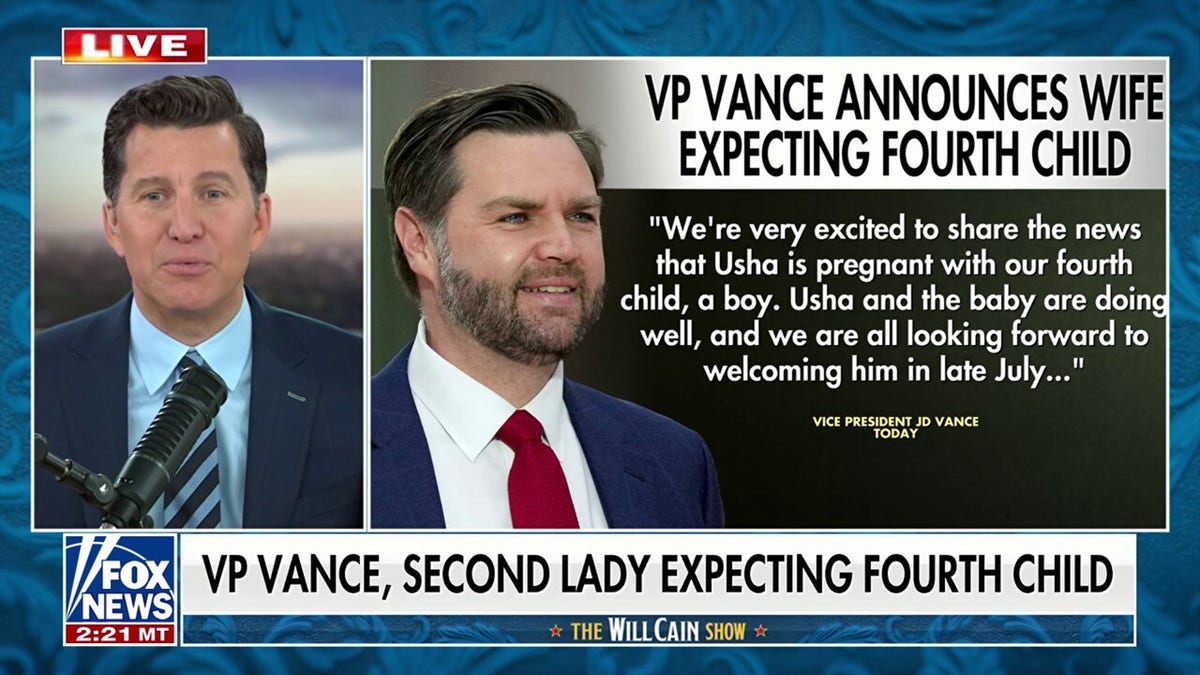
This episode serves as a reminder of the importance of ethical journalism, especially in politically charged environments. Reporting that speculates on personal relationships without evidence can cause real harm, not only to the individuals involved but also to public trust in the media.
As consumers of news, it is crucial to critically evaluate the sources and motivations behind such stories and to advocate for coverage that prioritizes accuracy, respect, and fairness over sensationalism.
Conclusion
The Slate writer’s suggestion that J.D. Vance and his wife Usha had a fourth child to quash rumors involving Erika Kirk has ignited a contentious debate about the intersection of politics, race, and personal lives. While the article attempts to frame the pregnancy as a political statement, the broader consensus emphasizes respecting the Vances’ privacy and recognizing the dangers of politicizing family matters.
As readers and citizens, we must demand responsible journalism that avoids speculative and racially charged narratives. To stay informed with balanced and ethical political news, subscribe to trusted news sources and engage critically with the stories you encounter.