
Former CNN Anchor Don Lemon Arrested by Federal Agents in Los Angeles: Attorney
Don Lemon’s Arrest and Charges: An Overview
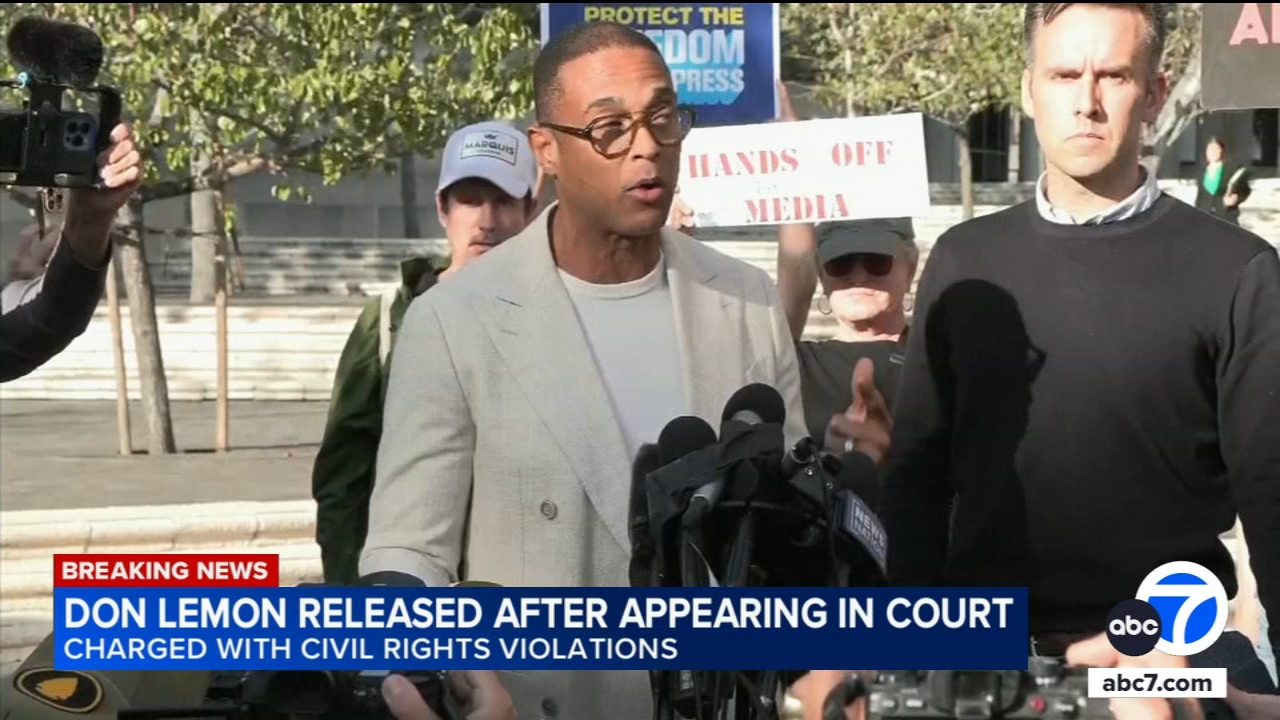
Former CNN anchor Don Lemon was taken into custody by federal agents in Los Angeles on Thursday evening, according to his attorney. The arrest stems from Lemon’s involvement in an anti-ICE protest held at Cities Church in St. Paul, Minnesota, on January 18, 2026. Federal authorities have charged Lemon with conspiracy to deprive rights and violation of the FACE Act, which prohibits interfering by force with someone’s First Amendment rights.
The 59-year-old journalist was attending the 2026 Recording Academy Honors in Los Angeles when he was handcuffed and arrested. The Department of Homeland Security confirmed the charges, highlighting the seriousness of the allegations tied to the protest where approximately 30 to 40 individuals confronted Pastor David Easterwood, director of St. Paul’s ICE field office.
Legal Response and First Amendment Concerns
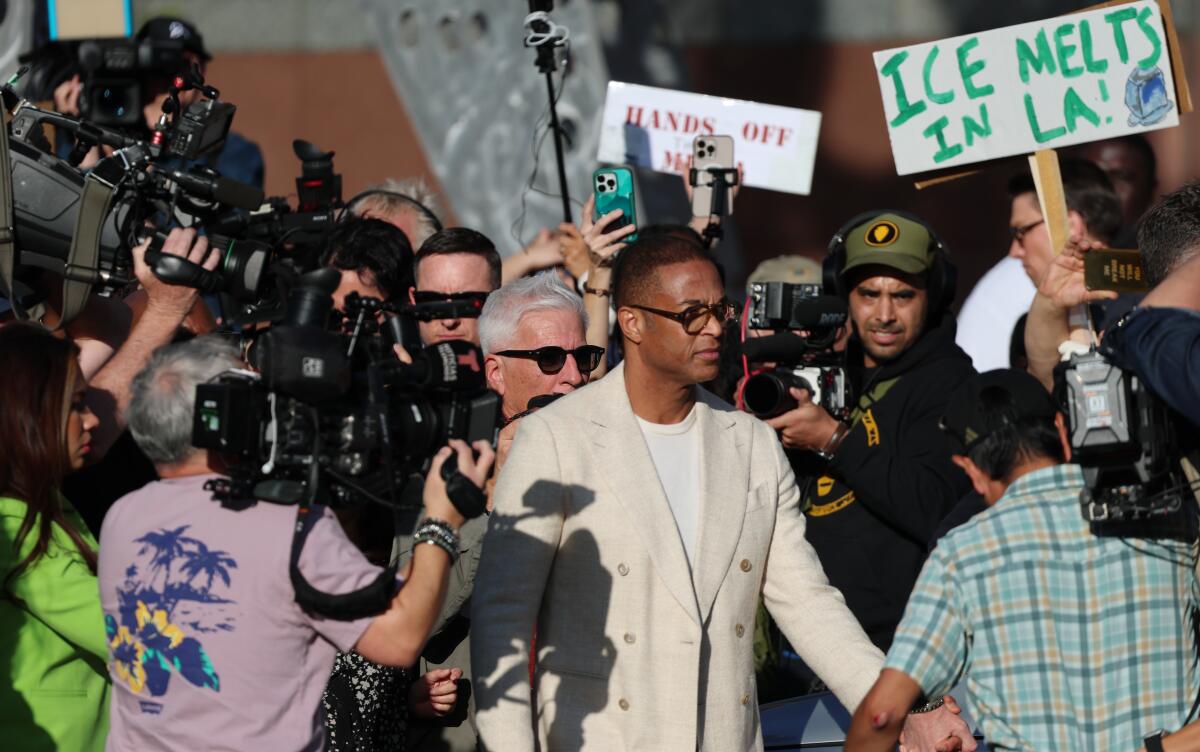
Don Lemon’s lawyer, Abbe Lowell, issued a statement via Instagram emphasizing that Lemon will vigorously contest the charges in court. Lowell described the arrest as an “unprecedented attack” on the First Amendment, underscoring Lemon’s three-decade career as a journalist whose work is constitutionally protected. The attorney argued that Lemon’s presence at the protest was consistent with his role in shining a light on the truth and holding those in power accountable.
Lowell also criticized the Trump Justice Department’s focus on prosecuting Lemon instead of investigating the deaths of two peaceful Minnesota protesters, Renee Good and Alex Pretti. The lawyer suggested that the arrest was an attempt to divert attention from broader political and social crises.
Context of the Protest and Government Reaction
The protest at Cities Church was organized to confront ICE activities and policies. Don Lemon posted a video from the event, acknowledging that protests are inherently uncomfortable but necessary for democratic expression. The Department of Justice, represented by Attorney General Pam Bondi, responded firmly, stating that federal authorities will prosecute crimes to uphold the rule of law if state leaders fail to prevent lawlessness.
Attorney General Harmeet Dhillon also weighed in, asserting that a house of worship is not a public forum for protests, signaling the government’s strict stance on the event. Despite these pressures, a magistrate judge approved charges against three protestors but not Lemon, highlighting the complexity of the legal proceedings.
Implications for Journalistic Freedom and Public Protest
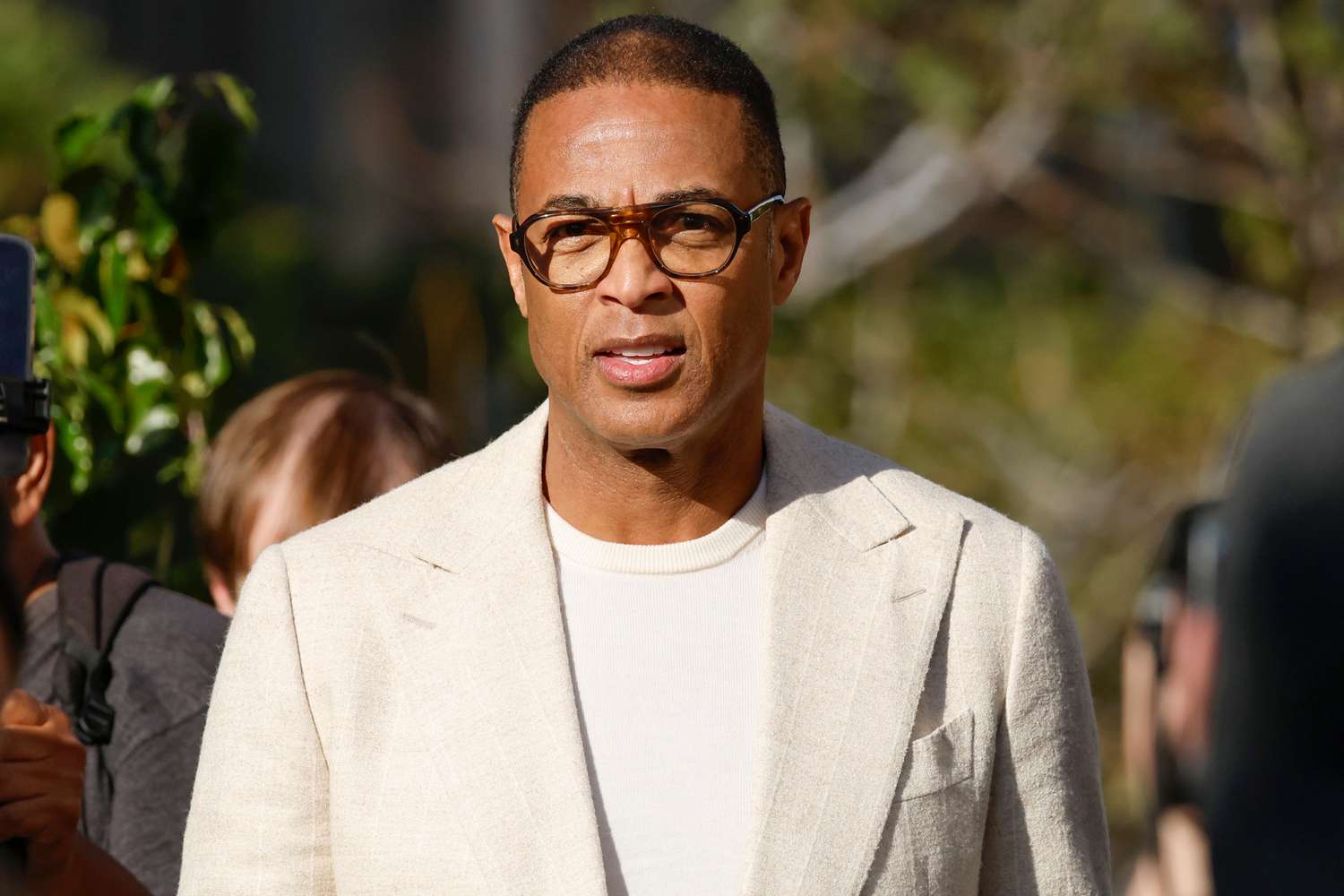
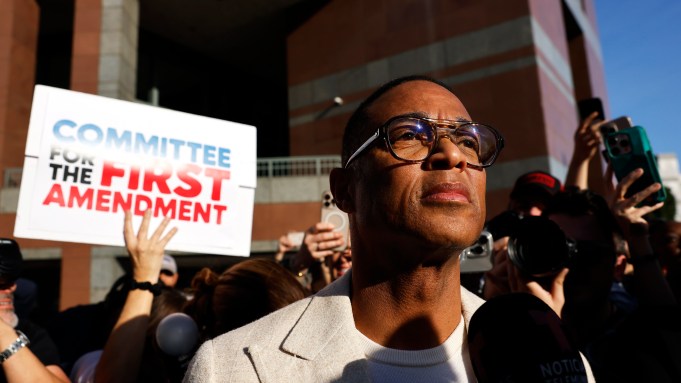
Don Lemon’s arrest raises significant questions about the boundaries of journalistic freedom and the protection of First Amendment rights in the United States. As a seasoned journalist, Lemon’s involvement in the protest was framed by his attorney as part of his constitutional duty to report on critical social issues.
The case spotlights the tension between federal law enforcement’s efforts to maintain order and the rights of citizens and journalists to engage in and cover protests. Lemon himself has stated that he was unfairly singled out as the “face of a protest,” despite not being the only reporter present. He has faced a barrage of threats and slurs but remains steadfast in defending his reporting.
This incident also reflects broader national debates about the role of protests in democracy, the limits of government authority, and the protection of civil liberties. Lemon’s arrest could set a precedent affecting how journalists cover protests and how the government responds to dissent.
What’s Next for Don Lemon?
As the legal process unfolds, Don Lemon’s attorney has promised a thorough defense against the charges. The case is likely to attract significant media attention given Lemon’s high profile and the constitutional issues involved. Observers will be watching closely to see how the courts balance the enforcement of federal laws with the protection of free speech and press freedoms.
Meanwhile, Lemon continues to cover major events, including the Grammys, demonstrating his ongoing commitment to journalism despite the legal challenges. His situation serves as a reminder of the risks journalists may face when reporting on contentious issues and the importance of safeguarding their rights.
Conclusion
The arrest of former CNN anchor Don Lemon by federal agents in Los Angeles marks a pivotal moment in the ongoing dialogue about press freedom and the right to protest in America. Facing serious charges related to an anti-ICE protest, Lemon and his legal team are prepared to fight what they describe as an unprecedented assault on First Amendment rights. This case underscores the vital role journalists play in holding power accountable and the challenges they encounter in doing so.
Stay informed about this developing story and other important news by subscribing to our newsletter. Don’t miss out on updates that matter—sign up today and join the conversation on press freedom and civil rights.