
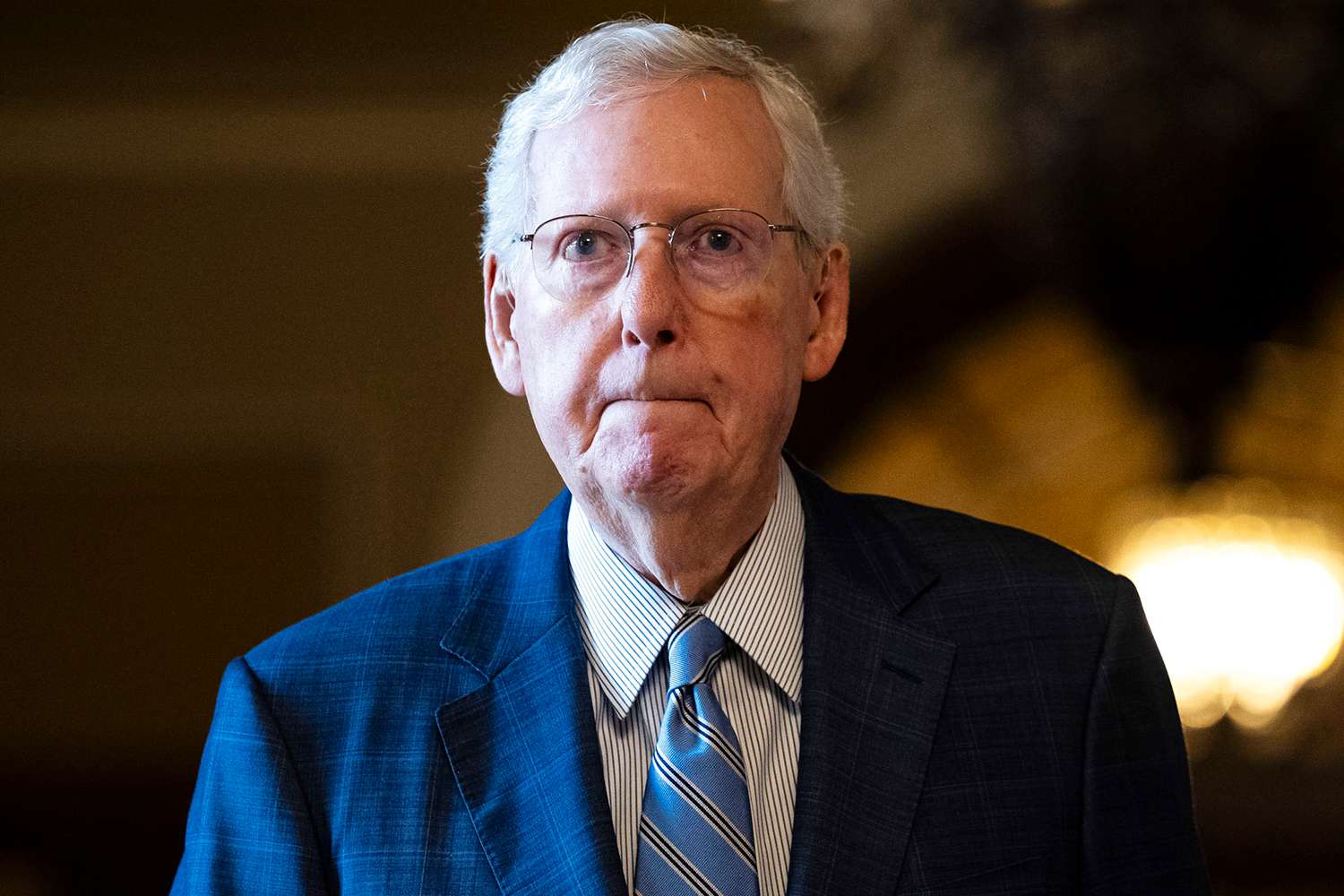
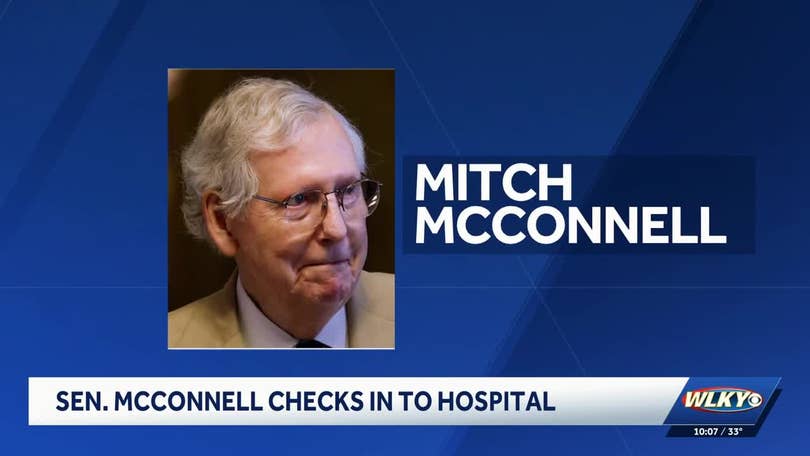
Senator Mitch McConnell, 83, Hospitalized with ‘Flu-Like Symptoms’
Senator Mitch McConnell’s Hospitalization: What We Know So Far
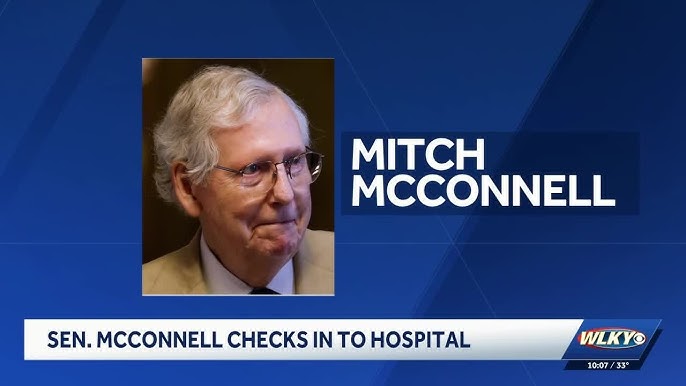
Senator Mitch McConnell, the 83-year-old Republican from Kentucky and one of the most influential figures in US politics, has been admitted to a local hospital after experiencing flu-like symptoms. According to his spokesperson, David Popp, McConnell took this step “in an abundance of caution” following the onset of these symptoms over the weekend. The senator’s prognosis is reportedly positive, and he is receiving excellent medical care.
This news comes amid growing public concern over McConnell’s health, as he has had several incidents in recent years that have raised questions about his physical condition. Notably, McConnell has suffered multiple falls and moments of apparent disorientation captured on camera, which have fueled speculation about his ability to continue serving in office.
Recent Health Incidents and Public Concerns
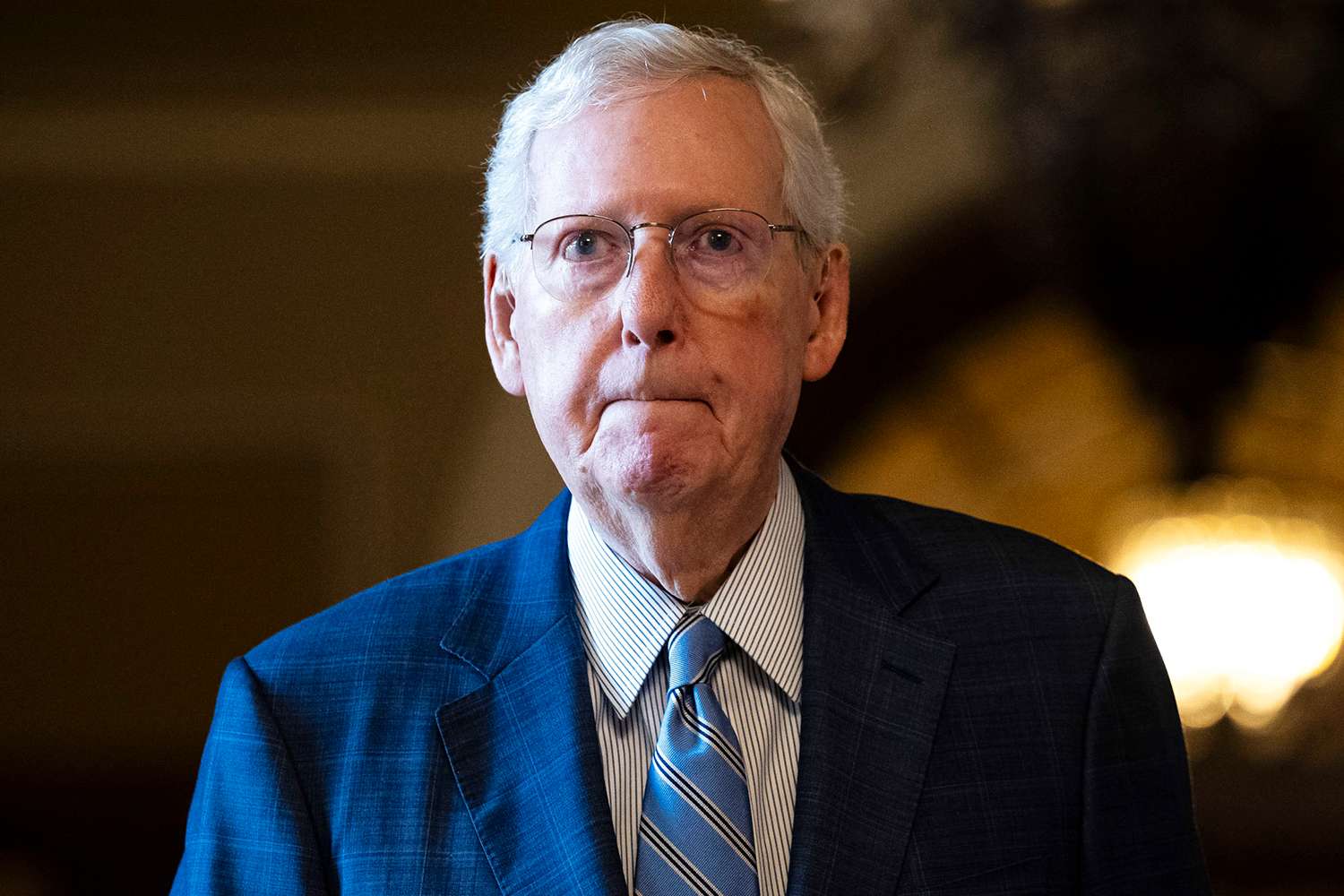
Senator McConnell’s health has been under scrutiny for some time. In the past few years, he has experienced a series of public falls and episodes where he appeared to freeze or become disoriented during public appearances. For example, in October last year, McConnell fell in a hallway inside the U.S. Capitol after being approached by an activist. This was not an isolated incident; previous injuries include a sprained wrist in 2024 and a concussion in 2023.
Despite these incidents, McConnell has remained active in his Senate duties, although he missed votes on Monday and Tuesday following his hospitalization. His spokesperson confirmed that McConnell remains in regular contact with his staff and is eager to return to Senate business as soon as possible.
McConnell’s Political Career and Future Plans
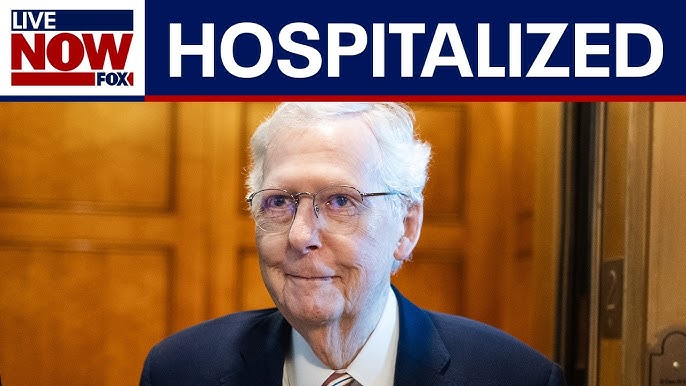
Mitch McConnell is Kentucky’s longest-serving senator, having first been elected in 1984. He also holds the record as the longest-serving Senate leader, a position he held for 18 years before stepping down in 2024. Nearly a year ago, McConnell announced that he would not seek reelection in 2026, with his current term set to end in January 2027.
In his retirement announcement, McConnell emphasized his commitment to strengthening American hard power and addressing unfinished business during his remaining time in office. His decision not to run again has sparked discussions about the future leadership of the Senate and the impact of aging politicians on governance.
Health and Age Concerns Among US Lawmakers
Senator McConnell’s hospitalization highlights a broader issue concerning the age and health of elected officials in Washington, D.C. A recent NBC News review revealed that 24 members of Congress are aged 80 or older, with 13 of them seeking reelection this year. This demographic trend has led to increasing calls for age limits on elected officials.
According to a 2023 Pew Research Center survey, 79 percent of Americans support imposing a maximum age limit for politicians serving in Washington. The debate centers on balancing experience and wisdom with the physical and mental demands of public office, especially in a rapidly changing political landscape.
The Importance of Transparency and Public Trust
As public figures age, transparency about their health becomes crucial for maintaining trust with constituents. Senator McConnell’s hospitalization and past health incidents underscore the need for clear communication from elected officials about their ability to serve effectively.
While McConnell’s spokesperson has reassured the public about his positive prognosis, ongoing monitoring of his health will be essential. This situation also raises questions about succession planning and the readiness of political institutions to handle unexpected health crises among senior leaders.
Conclusion
Senator Mitch McConnell’s hospitalization with flu-like symptoms has brought renewed attention to the health challenges faced by aging politicians. As one of the most prominent figures in American politics, his condition is closely watched by both supporters and critics. While his prognosis is positive and he remains committed to his Senate duties, this episode highlights the broader conversation about age, health, and leadership in government.
Stay informed about the latest developments in US politics and health updates of key leaders by subscribing to our newsletter. Your awareness helps you understand the evolving political landscape and the people shaping it.