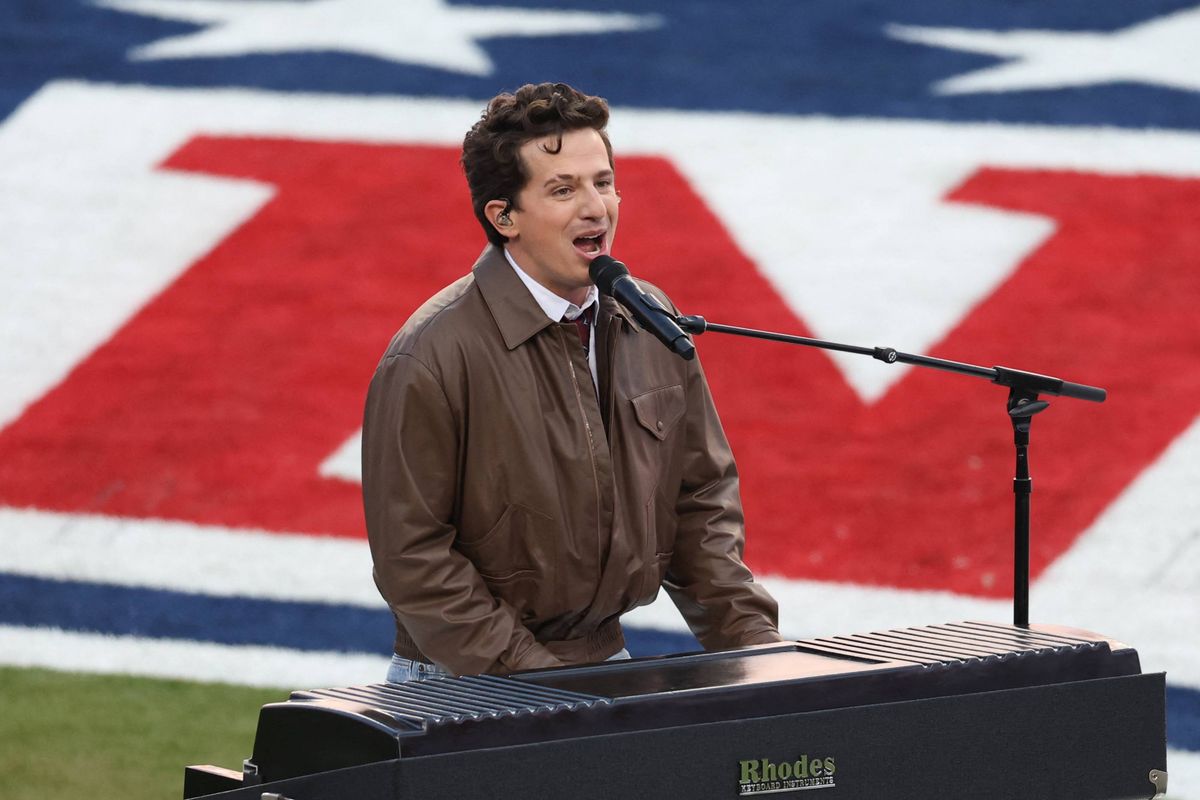
Super Bowl Viewers Think Charlie Puth Lip-Synced National Anthem as Rendition Leaves Fans Split
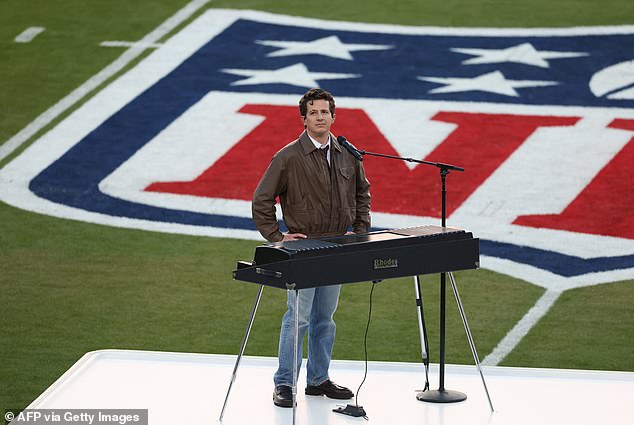
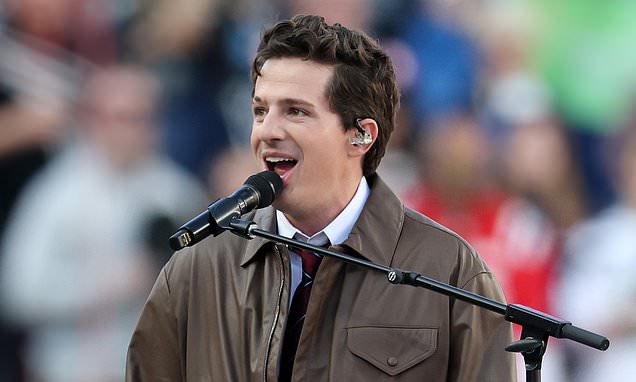
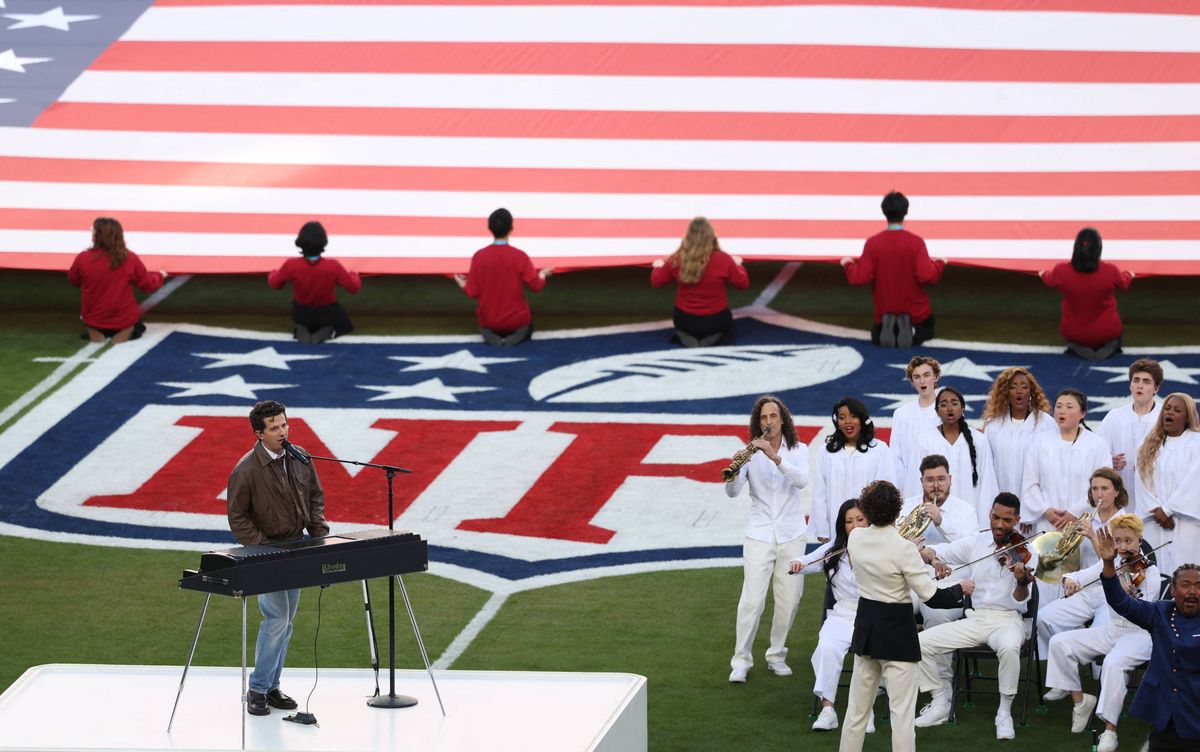
The Super Bowl is one of the most anticipated sporting events in the United States, drawing millions of viewers worldwide. Alongside the thrilling football action, the national anthem performance is a cherished tradition that sets the tone for the event. This year, pop sensation Charlie Puth took center stage to perform the Star-Spangled Banner before Super Bowl LX. However, his rendition sparked a heated debate among fans, with many accusing him of lip-syncing. This article explores the controversy surrounding Charlie Puth’s national anthem performance and why it left Super Bowl viewers divided.
Why Fans Suspect Charlie Puth Lip-Synced the National Anthem
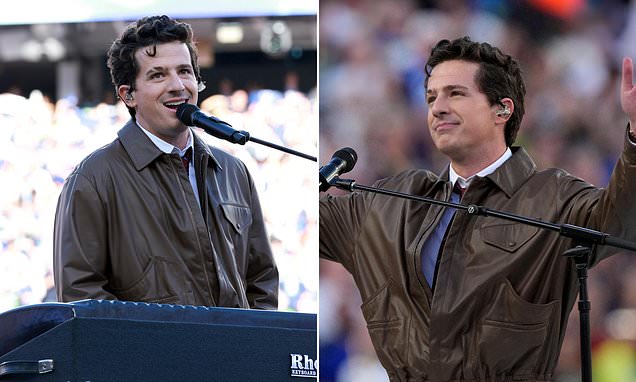
Charlie Puth, known for his flawless vocal abilities and chart-topping hits, was expected to deliver a memorable live performance at the Super Bowl. Instead, his rendition of the national anthem featured a “special arrangement” that included unusual vocal runs and stylistic choices, which caught many viewers off guard. While some appreciated the fresh take on the classic song, others were quick to question the authenticity of the live vocals.
Social media platforms quickly became the battleground for opinions. Several viewers expressed skepticism, suggesting that Puth’s performance sounded too perfect and polished, leading them to believe he might have lip-synced. Comments such as “Did Charlie Puth just lip sync the national anthem?” and “It sounded lip synced, and I think it should always be live” reflected the growing suspicion.
The debate highlights the high expectations audiences have for live performances at major events like the Super Bowl. Fans expect raw, unedited vocals that showcase the artist’s true talent, especially when performing a patriotic song that holds significant emotional weight.
The Impact of Lip-Syncing Allegations on Live Performances

Lip-syncing allegations can significantly impact an artist’s reputation, especially when the performance is on a global stage like the Super Bowl. For many viewers, live singing is synonymous with authenticity and emotional connection. When doubts arise about whether a performance was genuinely live, it can diminish the audience’s appreciation and trust.
In Charlie Puth’s case, the controversy may stem from the technical challenges of performing live in a stadium environment. Factors such as sound quality, acoustics, and pressure to deliver a flawless rendition can lead artists or production teams to opt for pre-recorded vocals or backing tracks. While this practice is not uncommon, it often sparks backlash from purists who value live artistry.
Moreover, the unique vocal arrangement Puth chose might have contributed to the confusion. His intricate runs and vocal embellishments could have been layered or enhanced in post-production, making it harder for viewers to discern what was live and what was not.
Despite the backlash, some fans defended Puth’s performance, praising his vocal skills and the emotional depth he brought to the anthem. They argued that the focus should be on the spirit of the performance rather than technical perfection.
What This Means for Future Super Bowl Anthem Performances
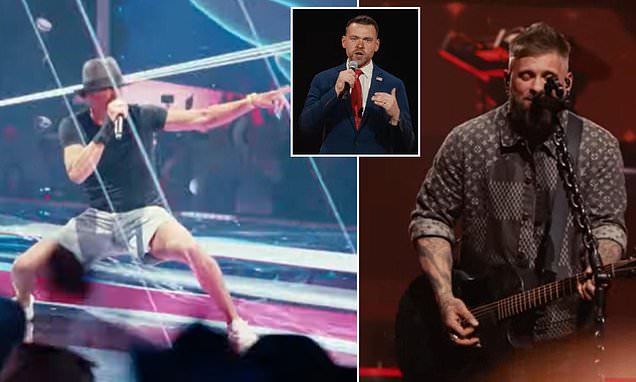
The controversy surrounding Charlie Puth’s national anthem performance raises important questions about the expectations for live music at major televised events. Organizers and artists alike must balance the desire for flawless sound quality with the demand for authentic, live vocals.
As technology advances, the line between live singing and studio-enhanced performances continues to blur. Future Super Bowl performers may face increased scrutiny, with audiences more vigilant about detecting lip-syncing or overproduction.
To maintain credibility and fan trust, artists might consider embracing the imperfections that come with live singing. These moments of vulnerability often resonate deeply with viewers and create memorable experiences that polished performances cannot replicate.
Additionally, event producers could improve transparency by clarifying whether performances are live or pre-recorded. This openness could help manage audience expectations and reduce speculation.
Conclusion
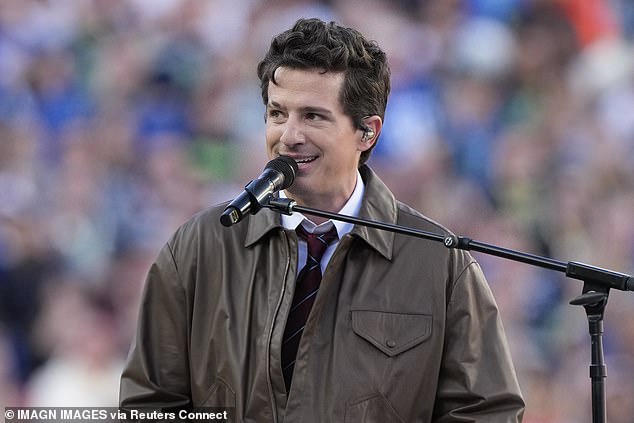
Charlie Puth’s national anthem performance at Super Bowl LX undeniably left fans divided, with many suspecting he lip-synced during the rendition. While some appreciated his unique vocal arrangement and delivery, others felt the performance lacked the authenticity expected at such a prestigious event. This debate underscores the challenges artists face when performing live on massive stages and the high standards audiences hold for these moments. Whether you believe Charlie Puth’s performance was live or not, it sparked an important conversation about the future of live music at major events. If you enjoyed this article, be sure to share your thoughts and follow us for more updates on entertainment and live performances!