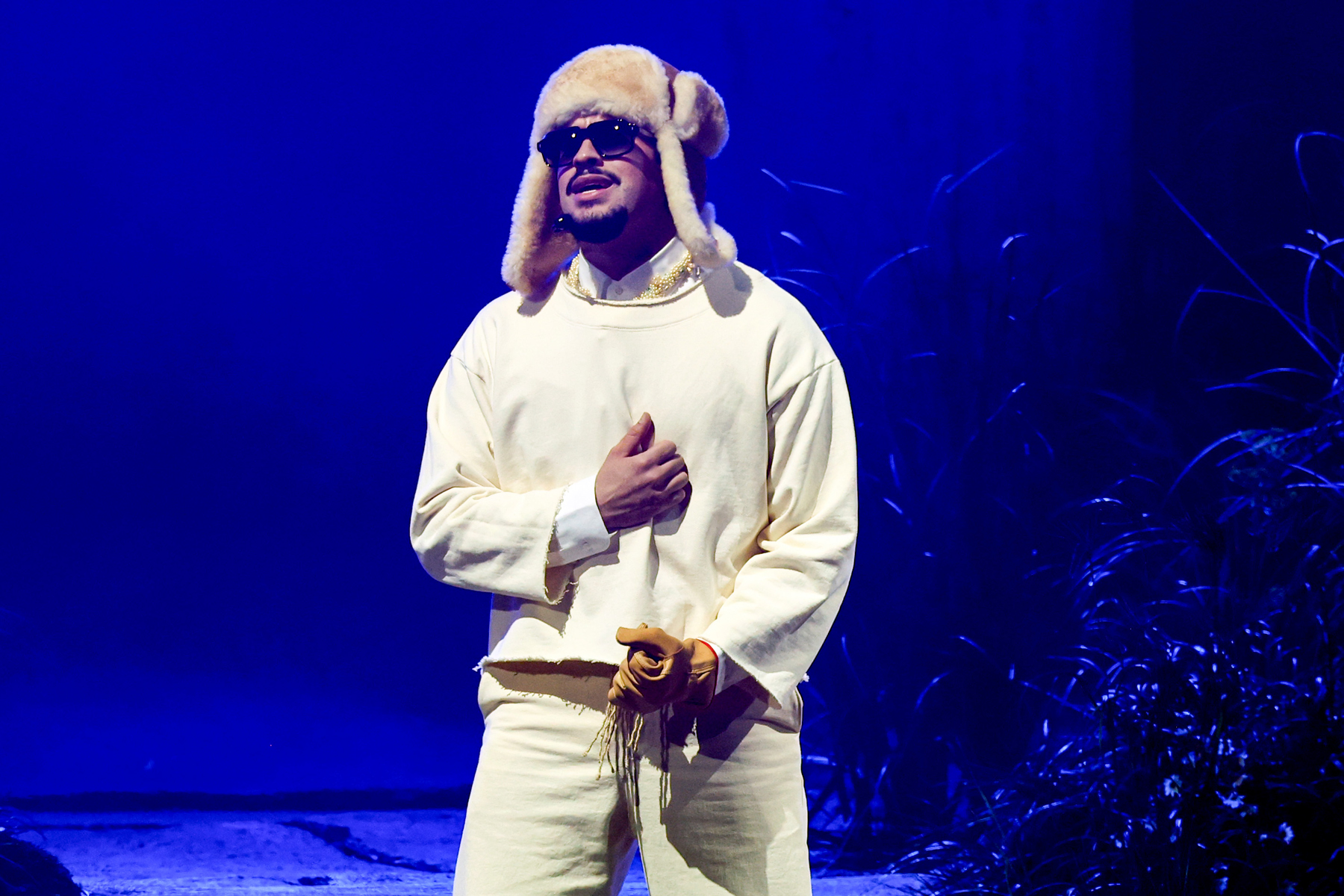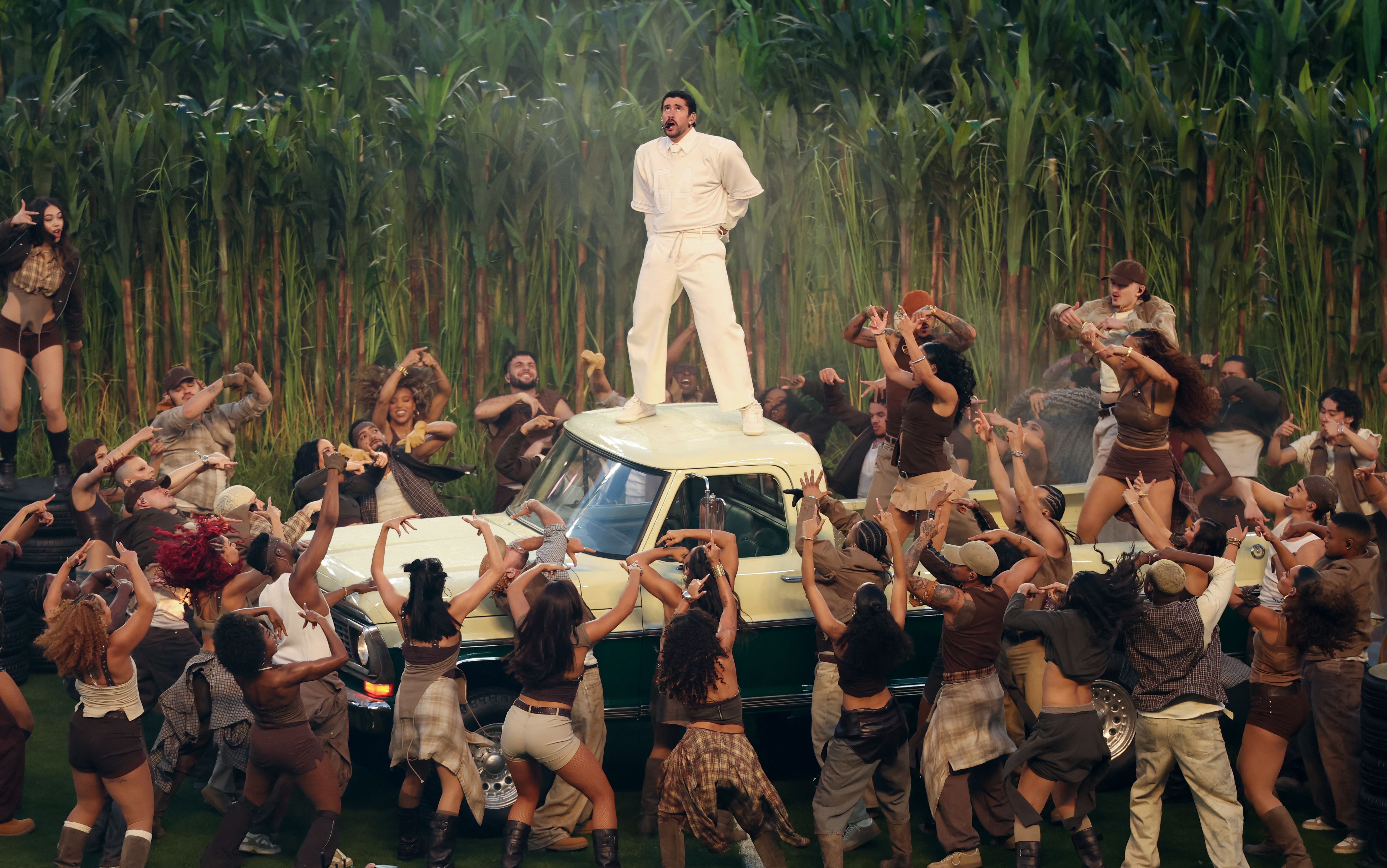
MILLIONS of Super Bowl Fans Tune Into Turning Point USA’s Halftime Show Instead of Bad Bunny’s Spanish-Only Performance
The Super Bowl halftime show is traditionally one of the most-watched musical events of the year, drawing millions of viewers worldwide. However, this year’s halftime entertainment sparked a surprising shift in viewer preferences. Instead of tuning into the NFL’s official halftime show featuring Puerto Rican rapper Bad Bunny performing exclusively in Spanish, millions of fans opted to watch Turning Point USA’s alternative “All-American” halftime show. This unexpected change has ignited conversations about cultural representation, entertainment choices, and political undertones surrounding the event.
Why Millions Switched From Bad Bunny to Turning Point USA’s Halftime Show

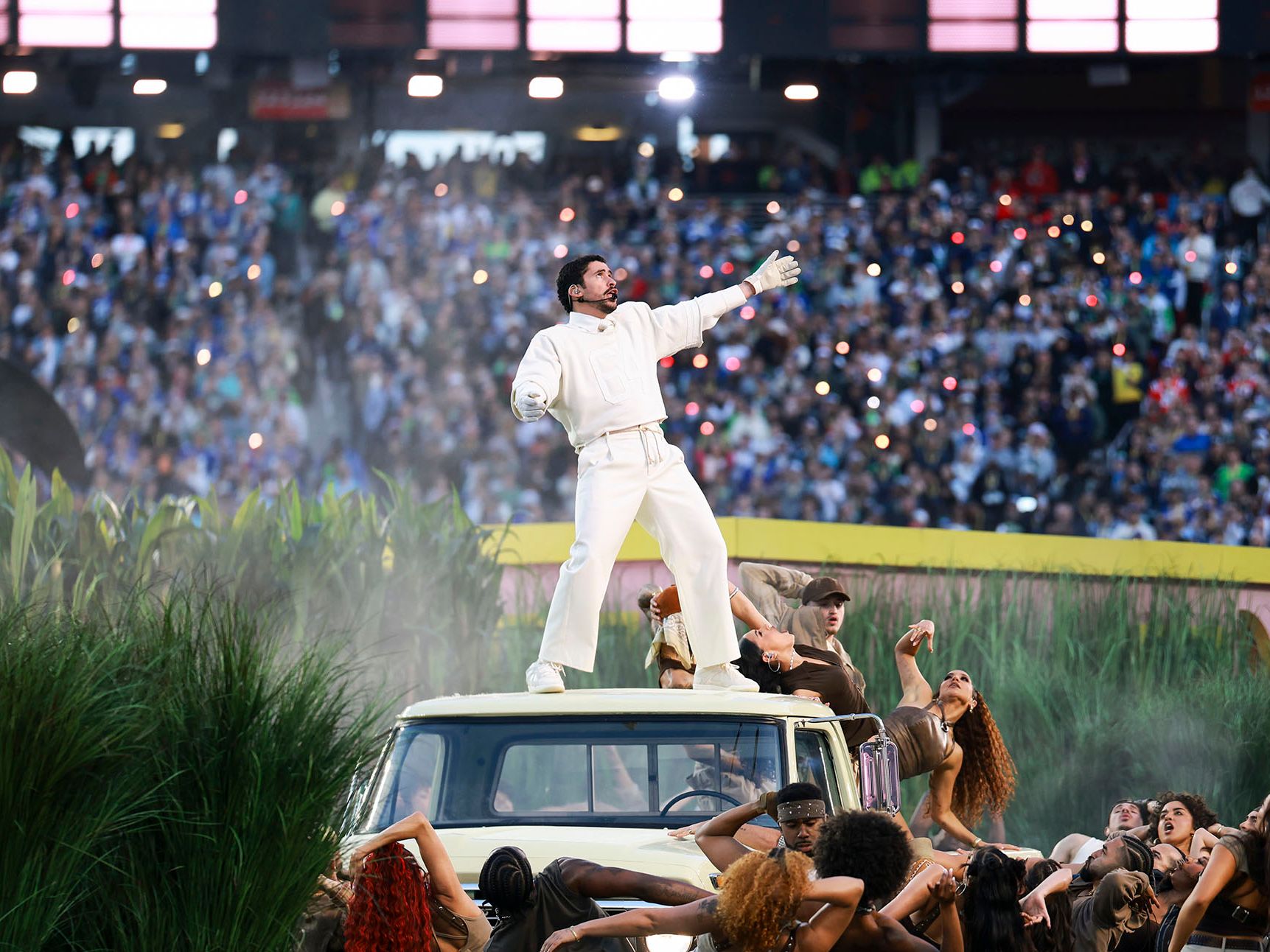
The NFL’s decision to feature Bad Bunny, a globally renowned artist known for his reggaeton and Latin trap music, was met with mixed reactions. While many celebrated the inclusion of a Spanish-language performance on such a prominent stage, a significant portion of the audience expressed dissatisfaction. Critics argued that the Spanish-only set alienated non-Spanish-speaking viewers and did not resonate with the broader American audience traditionally tuning into the Super Bowl.
In response, Turning Point USA, a conservative nonprofit organization, organized an alternative halftime show titled the “All-American Halftime Show.” Headlined by Kid Rock, with performances from country artists Brantley Gilbert, Lee Brice, and Gabby Barrett, the show aimed to provide a patriotic, English-language alternative to the NFL’s official entertainment.
The alternative halftime show was initially planned to be streamed on the social media platform X (formerly Twitter), but due to last-minute licensing restrictions, the stream was pulled. Undeterred, Turning Point USA quickly shifted the broadcast to their YouTube channel, where it attracted a peak audience of over 5 million viewers. This remarkable turnout highlights a significant segment of Super Bowl fans seeking entertainment that aligns more closely with their cultural and political preferences.
The Impact of Language and Cultural Representation in Super Bowl Entertainment
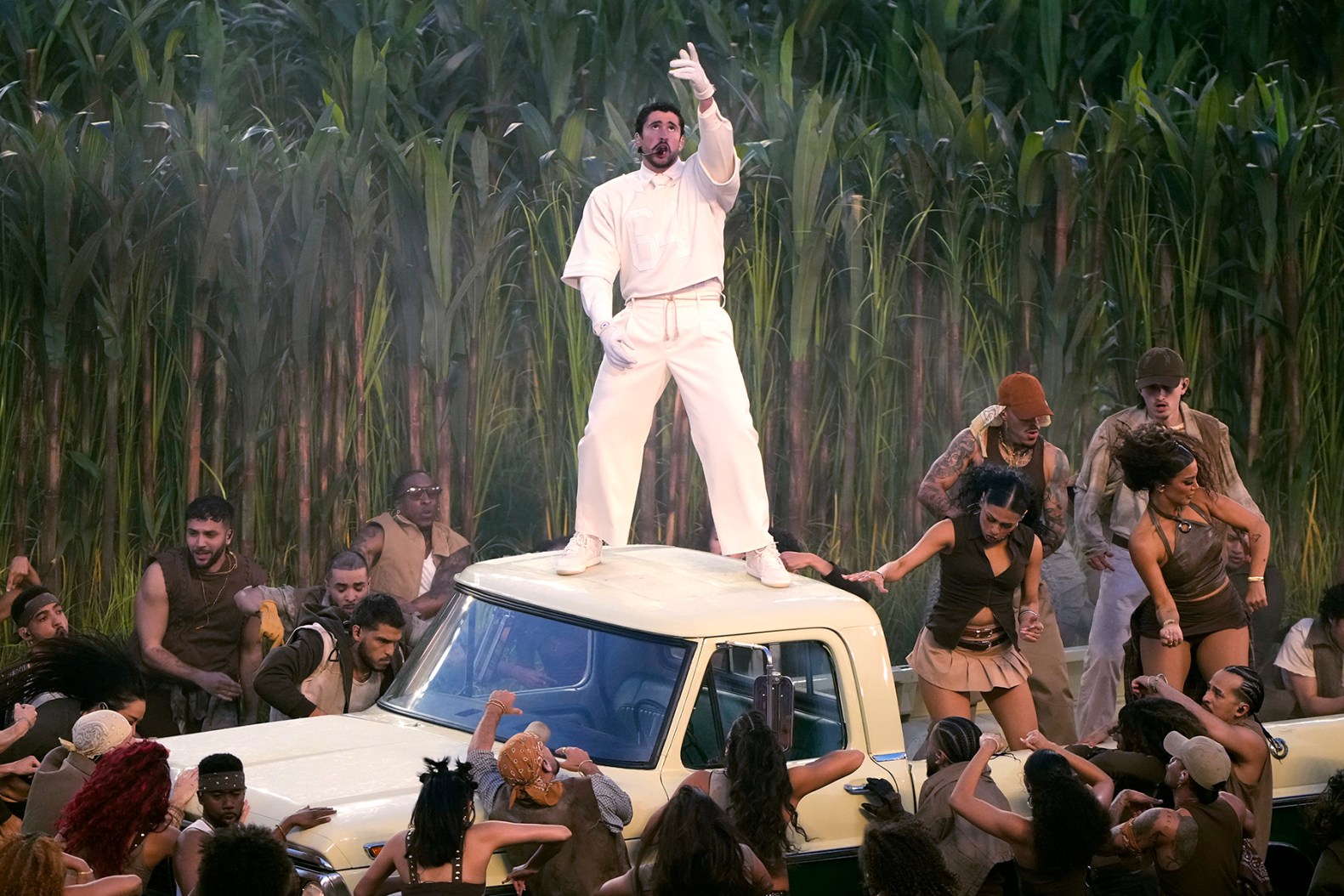
Language plays a crucial role in how audiences connect with entertainment, especially during a national event like the Super Bowl. Bad Bunny’s Spanish-only performance was a bold move that showcased Latin culture and music on one of the biggest stages in the United States. For many, this was a refreshing and much-needed representation of the country’s diverse population.
However, the choice also sparked debate about inclusivity and accessibility. Some viewers felt excluded by the lack of English-language songs, which led them to seek alternative entertainment options. Turning Point USA’s “All-American” show capitalized on this sentiment by offering a lineup of familiar country and rock artists performing patriotic-themed music in English.
This division underscores the ongoing cultural and political polarization in the United States, where entertainment choices often reflect broader societal values and identities. The contrasting halftime shows became a microcosm of this divide, with fans gravitating toward the performance that best represented their personal beliefs and cultural affiliations.
Turning Point USA’s Alternative Halftime Show: A Closer Look
Turning Point USA’s “All-American” halftime show was more than just a musical performance; it was a statement. Featuring Kid Rock, a musician known for his outspoken conservative views, the show embraced themes of patriotism and traditional American values. The inclusion of country artists Brantley Gilbert, Lee Brice, and Gabby Barrett further reinforced the show’s appeal to a demographic that felt underrepresented by the NFL’s official halftime choice.
Despite the last-minute streaming complications on X, the show’s successful transition to YouTube demonstrated Turning Point USA’s ability to mobilize a large audience quickly. The 5 million peak viewership not only rivaled but in some moments surpassed the official halftime show’s numbers, signaling a significant demand for alternative entertainment options during major national events.
The success of this alternative halftime show may encourage other organizations to consider similar initiatives in the future, especially as cultural and political divides continue to influence entertainment consumption patterns.
The NFL’s Response and Future Implications
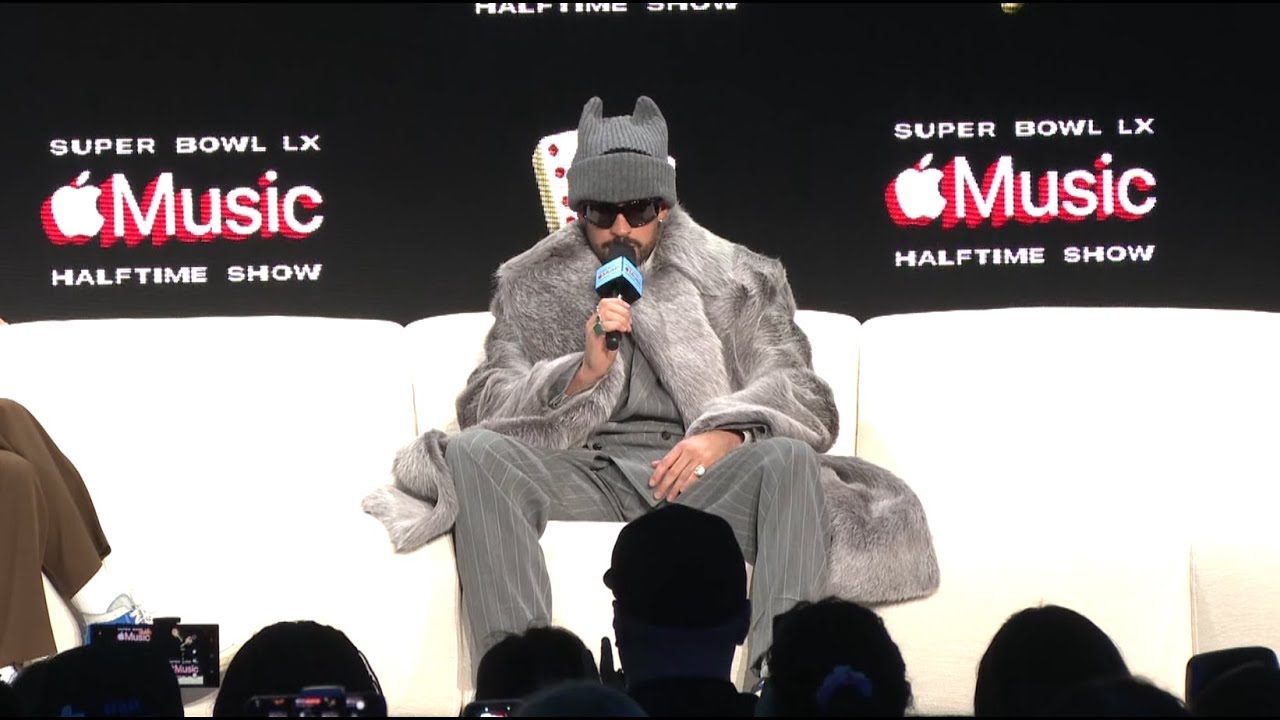
The NFL has yet to issue a detailed response regarding the viewership shift and the controversy surrounding the halftime show. However, the mixed reactions to Bad Bunny’s performance and the success of Turning Point USA’s alternative show provide valuable insights for future halftime show planning.
Balancing cultural representation with broad audience appeal remains a challenge for the NFL. As the league continues to diversify its entertainment offerings, understanding the preferences and sensitivities of its diverse fan base will be crucial. The 2024 Super Bowl halftime show controversy highlights the importance of inclusivity and the potential consequences when segments of the audience feel disconnected from the event.
Conclusion
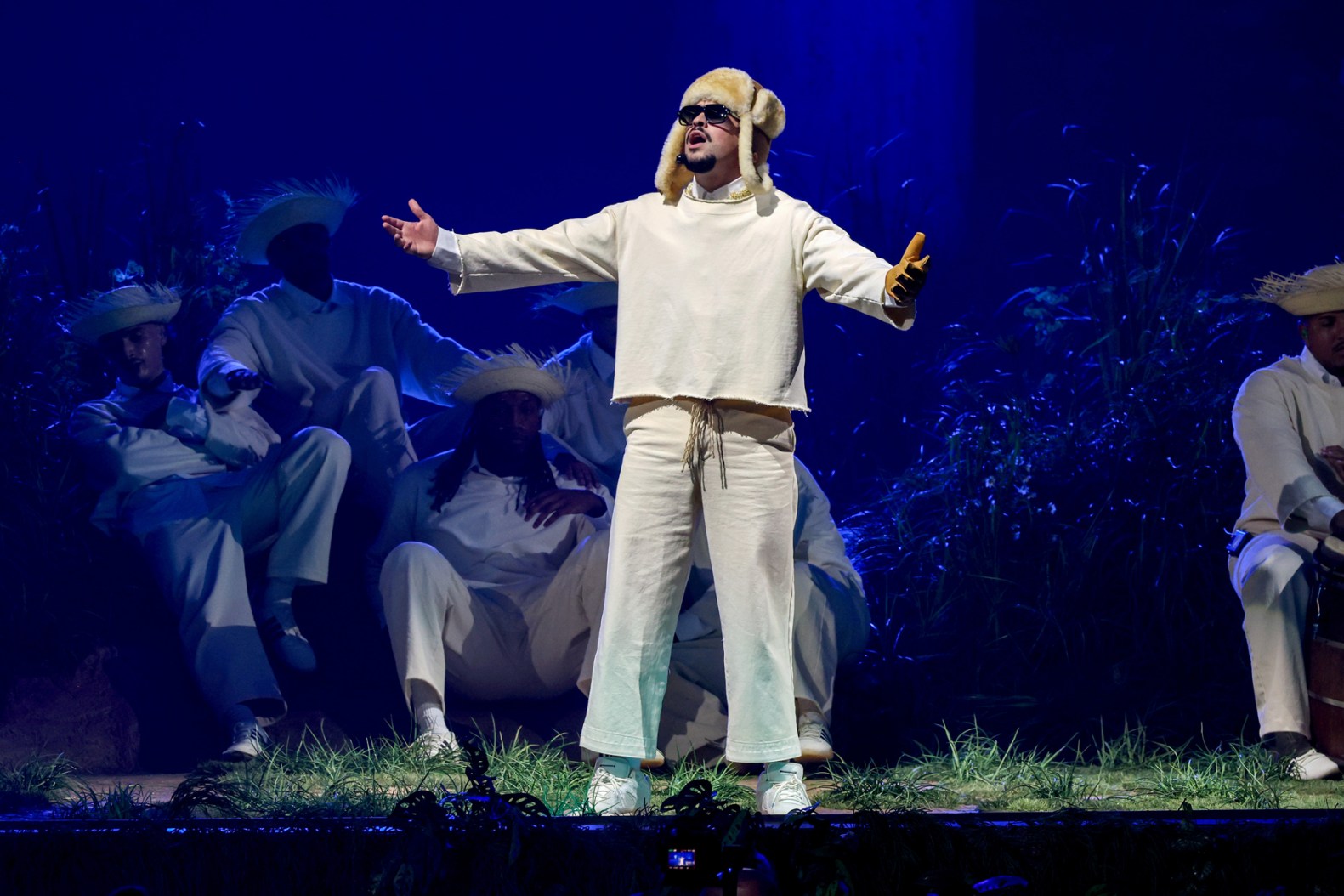
The 2024 Super Bowl halftime show marked a pivotal moment in how millions of fans engage with one of America’s biggest entertainment spectacles. Millions chose Turning Point USA’s “All-American” halftime show over Bad Bunny’s Spanish-only performance, reflecting deeper cultural and political divides within the country. This shift underscores the need for inclusive entertainment that resonates with a broad audience while respecting diverse cultural expressions.
Are you interested in staying updated on the latest in sports entertainment and cultural trends? Subscribe to our newsletter for in-depth analysis and exclusive content on major events like the Super Bowl. Don’t miss out on the conversations shaping the future of American entertainment!