The Medical Reason That Explains Robert F. Kennedy Jr.’s Voice
Understanding the Medical Reason Behind Robert F. Kennedy Jr.’s Voice

Robert F. Kennedy Jr. is widely recognized not only for his political legacy and activism but also for his uniquely raspy and quivering voice. This distinctive vocal quality has intrigued many, especially as it became more noticeable during his 2023 presidential campaign. Unlike typical voice changes caused by overuse or aging, Kennedy’s voice is affected by a specific medical condition known as spasmodic dysphonia. This neurological disorder impacts the muscles involved in voice production, leading to involuntary spasms that alter the sound and control of the voice.
In this article, we will explore what spasmodic dysphonia is, how it affects Robert F. Kennedy Jr.’s voice, the symptoms and types of this condition, available treatments, and its presence in other public figures. Understanding this condition sheds light on the challenges faced by those who live with it and highlights the resilience of individuals like Kennedy who continue to communicate publicly despite vocal difficulties.
What Is Spasmodic Dysphonia?

Spasmodic dysphonia is a rare neurological disorder that affects the muscles of the larynx (voice box) and sometimes the esophagus, causing involuntary muscle spasms during speech. These spasms disrupt normal voice production, resulting in a voice that may sound strained, breathy, hoarse, or shaky. It is estimated that around 50,000 people in North America suffer from this condition.
Unlike temporary voice changes caused by illness or overuse, spasmodic dysphonia is a chronic condition. The spasms can make speaking difficult, and the voice may break or sound strangled. The exact cause of spasmodic dysphonia is not fully understood, but it is believed to involve abnormal neurological signals that affect the muscles controlling the vocal cords.
Types of Spasmodic Dysphonia
There are three primary types of spasmodic dysphonia, each affecting the voice in different ways:
– Adductor Spasmodic Dysphonia: This is the most common form. During spasms, the muscles in the throat suddenly tighten, causing the vocal cords to slam together. This results in a strained, strangled voice that can be difficult to understand. Interestingly, people with this type often do not experience spasms when singing, laughing, or whispering.
– Abductor Spasmodic Dysphonia: In this type, the muscles relax involuntarily, causing the vocal cords to open too widely. This leads to a breathy, weak voice that lacks resonance and clarity.
– Mixed Spasmodic Dysphonia: The rarest form, mixed spasmodic dysphonia, combines symptoms of both adductor and abductor types, causing a complex pattern of vocal disruptions.
Robert F. Kennedy Jr.’s Experience with Spasmodic Dysphonia

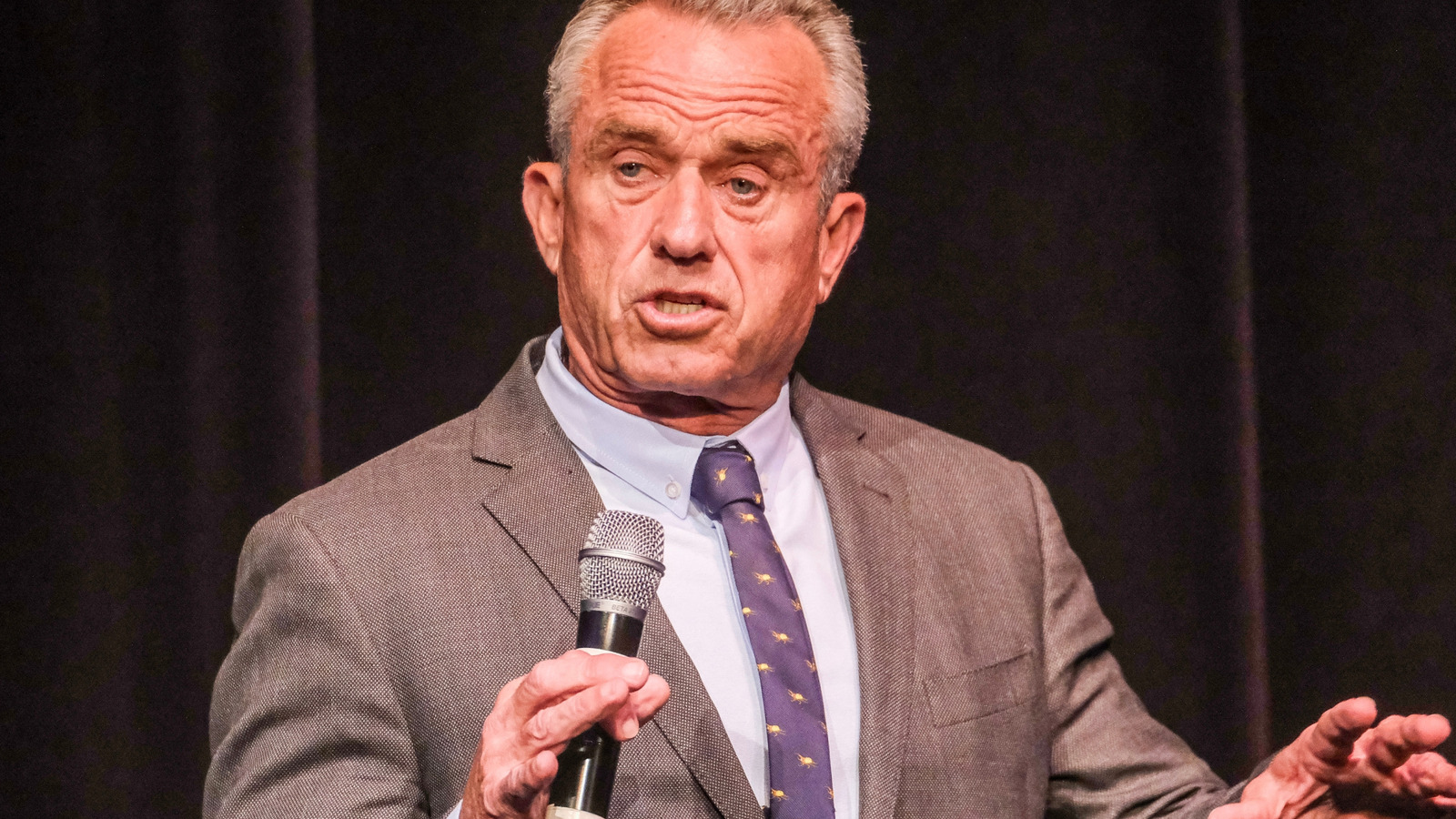
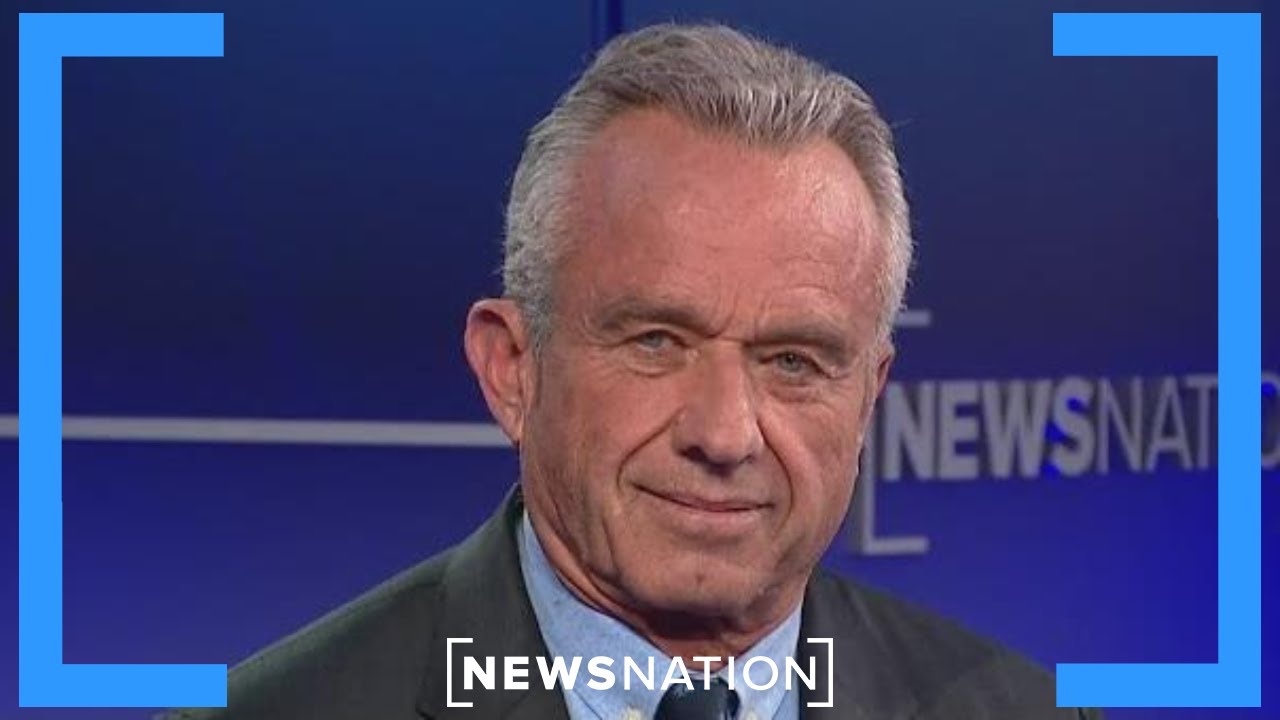
Robert F. Kennedy Jr. has openly discussed his struggle with spasmodic dysphonia, a condition he has lived with since his early 40s. His voice’s distinctive rasp and quiver are hallmark signs of this disorder. Despite the challenges, Kennedy has continued to speak publicly and campaign, demonstrating remarkable perseverance.
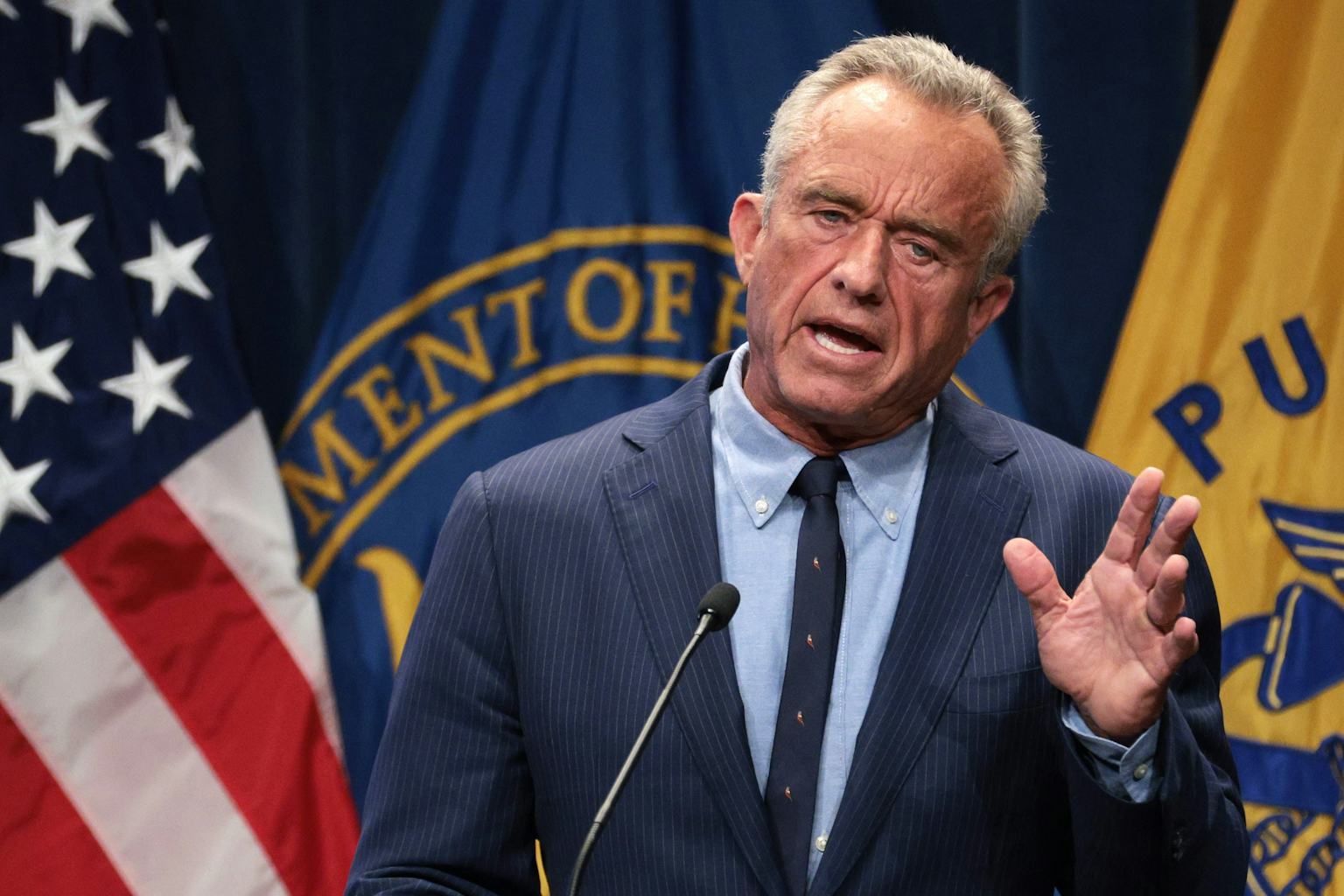
In 2022, Kennedy revealed that he had undergone Botox injections to help manage his vocal spasms. Botox works by temporarily paralyzing the muscles responsible for the spasms, reducing their intensity and improving voice control. However, Kennedy has expressed dissatisfaction with the results, stating that while his voice does not tire, it still sounds “terrible” due to the neurological nature of the injury.
His experience highlights the complexity of spasmodic dysphonia treatment and the ongoing effort required to manage symptoms effectively.
Treatment Options for Spasmodic Dysphonia
While spasmodic dysphonia is not life-threatening, it can significantly impact quality of life, especially for those who rely on their voice professionally. Fortunately, several treatment options can help alleviate symptoms:
– Botox Injections: The most common treatment involves injecting botulinum toxin into the affected muscles. Botox reduces muscle spasms by blocking nerve signals, leading to improved voice quality for several months before repeat injections are needed.
– Voice Therapy: Speech therapy can help patients develop techniques to improve voice control and reduce strain. Voice therapy is often used in conjunction with Botox treatments.
– Surgical Options: In some cases, surgery may be considered to alter the muscles or nerves responsible for spasms, though this is less common.
– Emerging Technologies: Advances in technology are providing new tools to assist individuals with spasmodic dysphonia in improving speech clarity and communication.
Other Public Figures with Spasmodic Dysphonia

Kennedy is not alone in facing this condition publicly. Actress Selma Blair has spoken candidly about her diagnosis of spasmodic dysphonia, which is linked to her multiple sclerosis. Journalist Diane Rehm also shared her journey with the disorder, including her use of Botox treatments to manage symptoms.
These public disclosures help raise awareness about spasmodic dysphonia and encourage others experiencing similar symptoms to seek medical advice.
Recognizing the Signs and When to Seek Help

Occasional voice changes are normal, but persistent difficulties with speech may indicate spasmodic dysphonia or another vocal disorder. Warning signs include:
– A voice that sounds strained, breathy, or shaky regularly
– Difficulty controlling pitch or volume
– Frequent voice breaks or interruptions during speech
If these symptoms are new or worsening, consulting an otolaryngologist (ear, nose, and throat specialist) or a neurologist is advisable. Early diagnosis can lead to better management and improved quality of life.
Conclusion
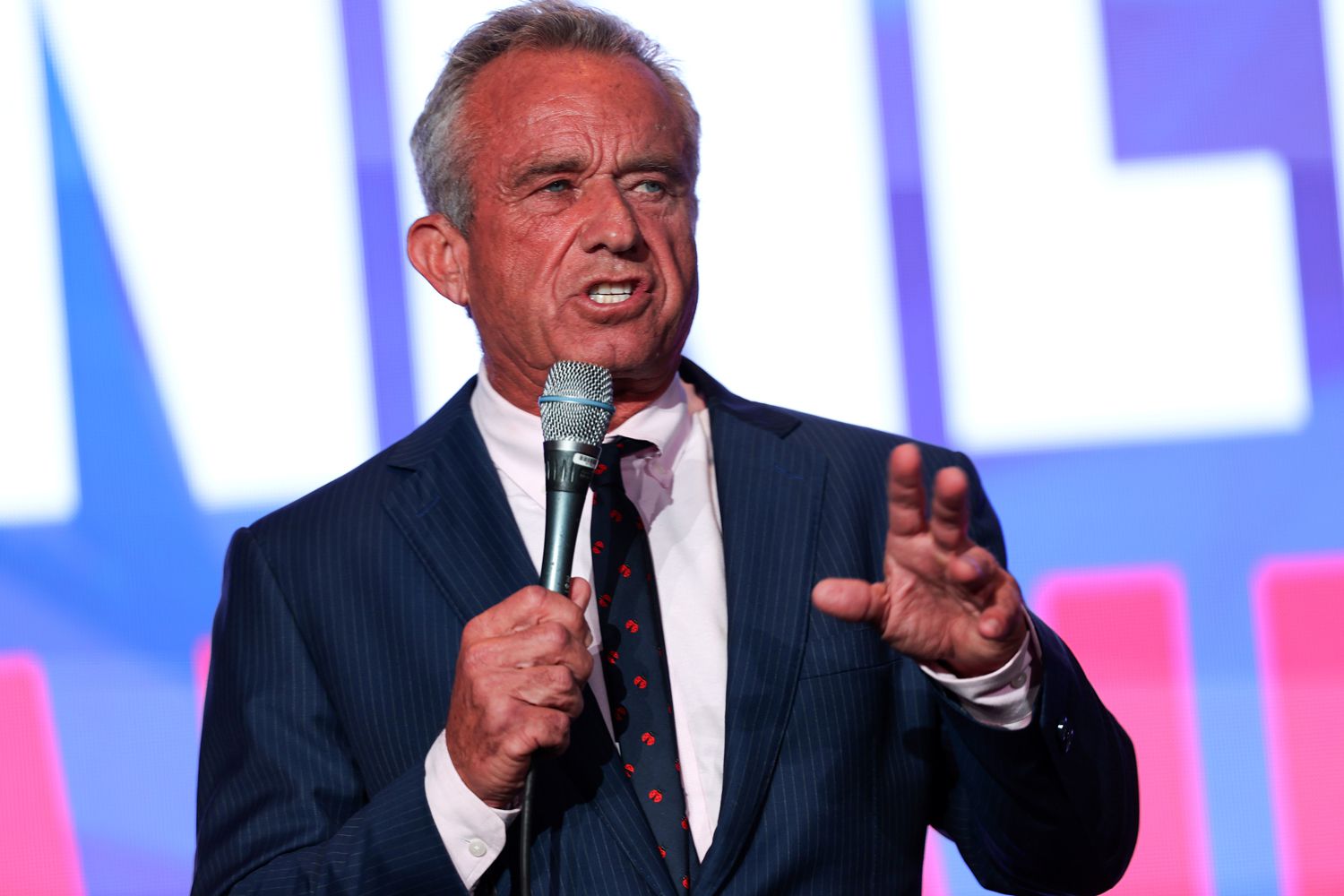
Robert F. Kennedy Jr.’s distinctive voice is the result of spasmodic dysphonia, a neurological condition that causes involuntary muscle spasms in the vocal cords. While it presents challenges, Kennedy’s ongoing public speaking demonstrates that this condition need not silence those affected. Treatments like Botox injections and voice therapy offer hope for managing symptoms, though results can vary.
If you or someone you know experiences persistent voice difficulties, don’t hesitate to seek professional evaluation. Early intervention can make a significant difference. Stay informed about spasmodic dysphonia and support those who face this unique vocal challenge.
For more insights on voice health and neurological conditions, subscribe to our newsletter and stay updated with the latest medical information.