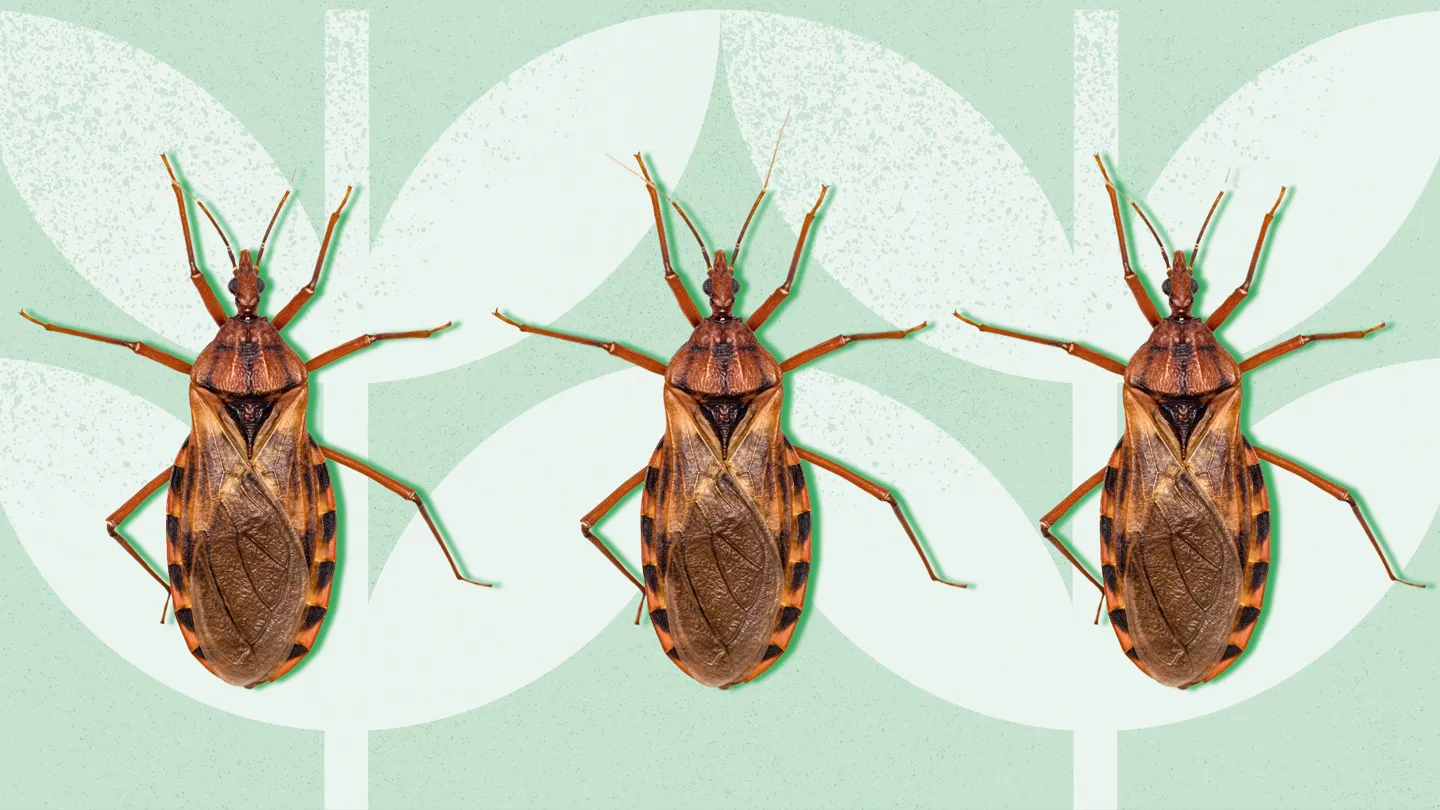
Kissing Bug Disease is Here to Stay in the US, Experts Say. Here’s Why It’s Spreading
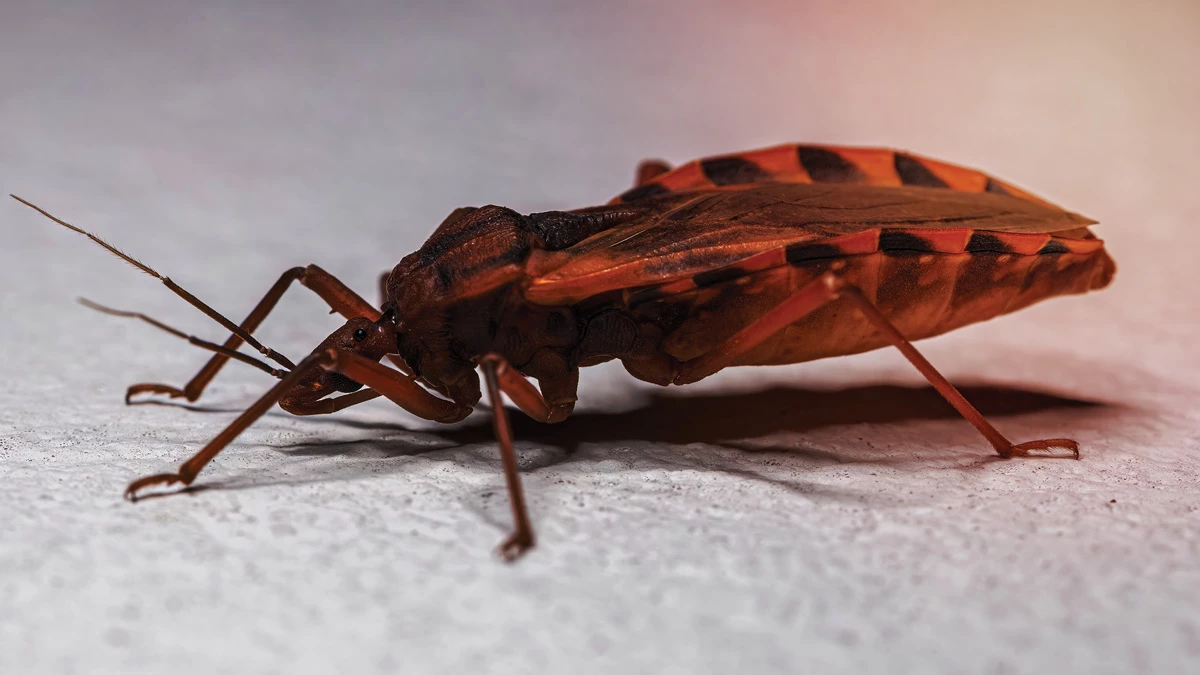
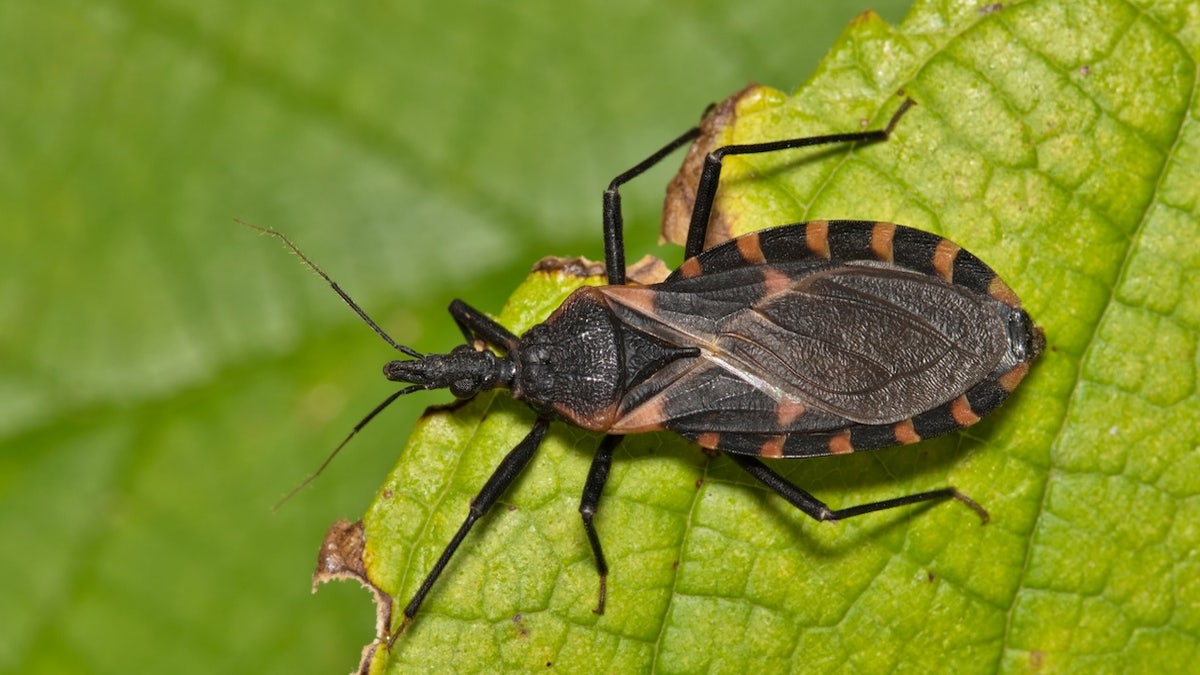
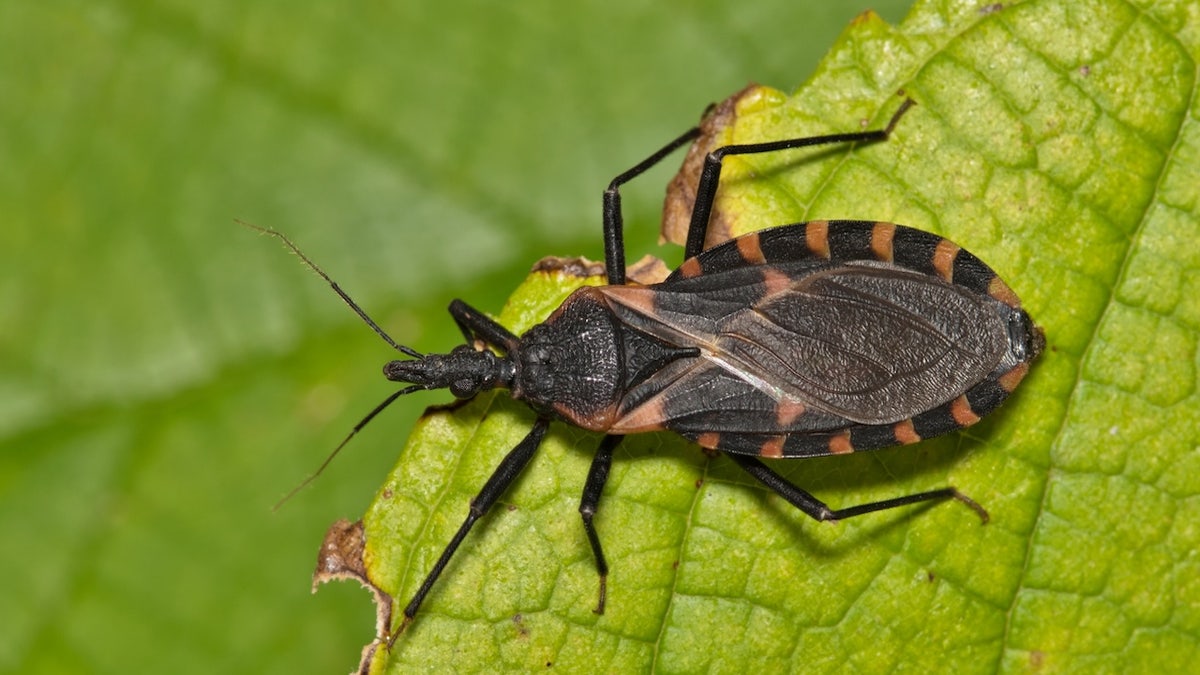
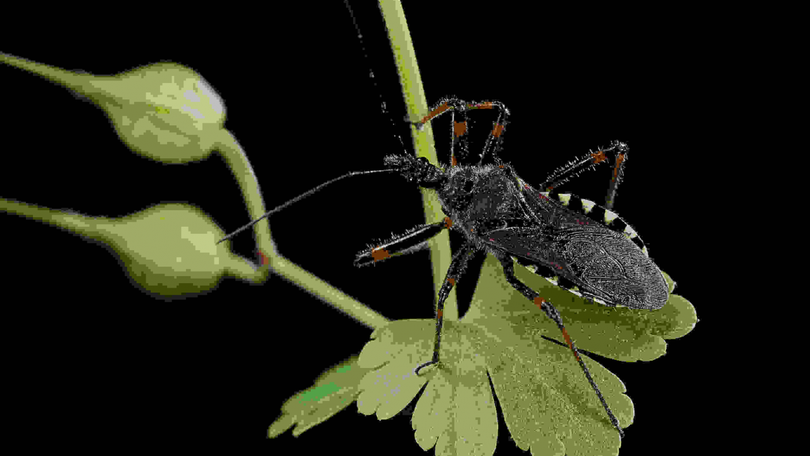
Kissing bug disease, scientifically known as Chagas disease, has emerged as a persistent health threat in the United States. This complex disease, caused by the parasite Trypanosoma cruzi, is transmitted primarily through the bites of kissing bugs, and experts insist that it is here to stay. The growing prevalence of this neglected tropical disease highlights the need for increased awareness and public health initiatives to mitigate its spread.
Understanding Chagas Disease and Its Transmission
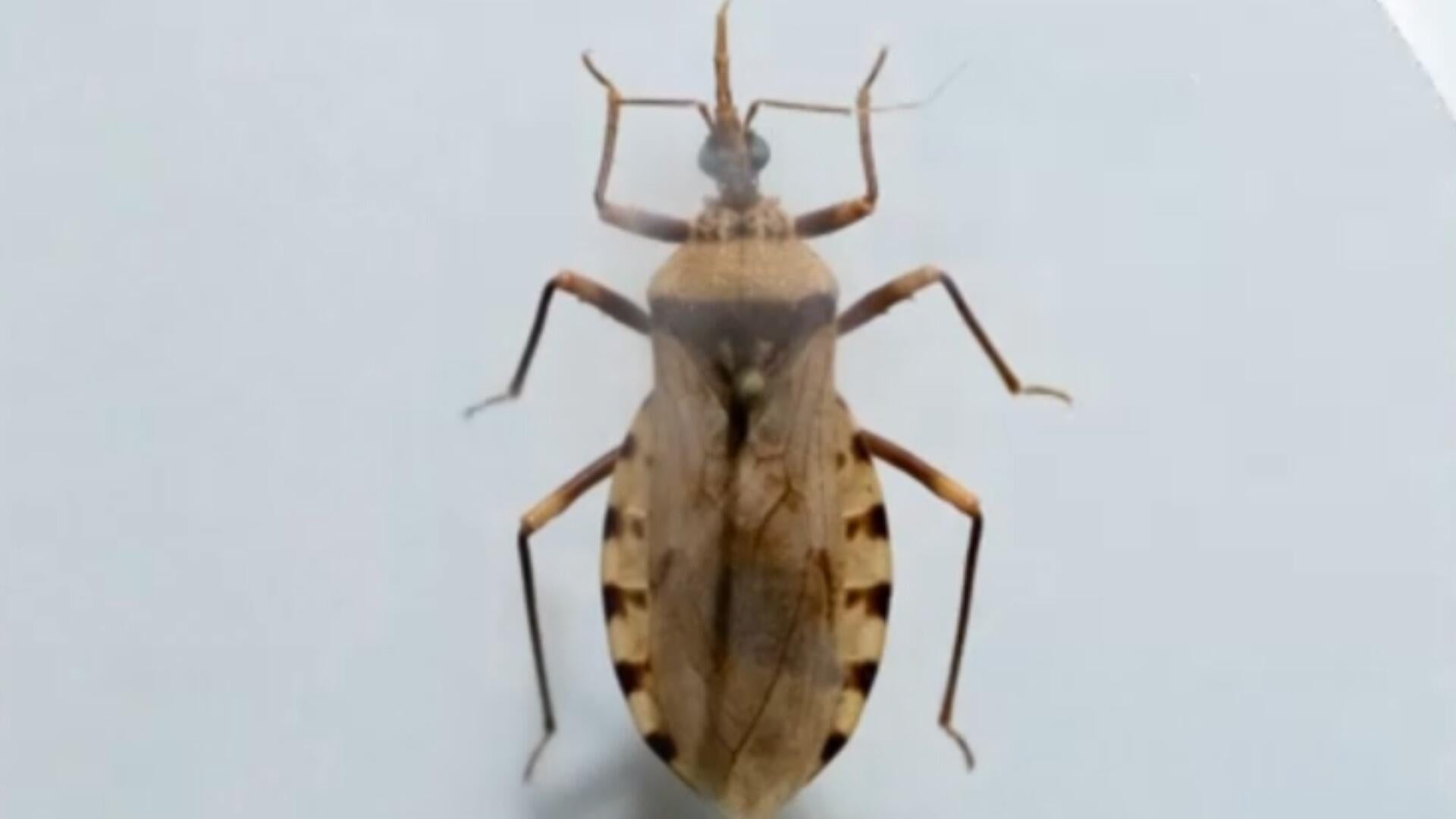
Chagas disease, endemic in many parts of Latin America, is now gaining a foothold in the U.S., with approximately 280,000 individuals estimated to be infected. The principal vector, the kissing bug, thrives in warm climates, making southern states like Texas, California, Arizona, and Florida particularly vulnerable to outbreaks.
The transmission of the disease occurs when a kissing bug bites its human host, often during the night, and defecates near the bite site. The Trypanosoma cruzi parasite can then enter the bloodstream through the bite wound, leading to infection. Other transmission methods include contaminated food and blood, organ transplants, and even from mother to child during pregnancy.
Symptoms and Long-term Health Risks
Initial symptoms of Chagas disease mimic the flu, including fever, fatigue, and body aches. However, many infected individuals may remain asymptomatic for years. Alarmingly, about 20-30% of those who do develop symptoms may face severe long-term complications, such as cardiac issues that can lead to heart failure or stroke. These long-term health risks make early detection and treatment crucial.
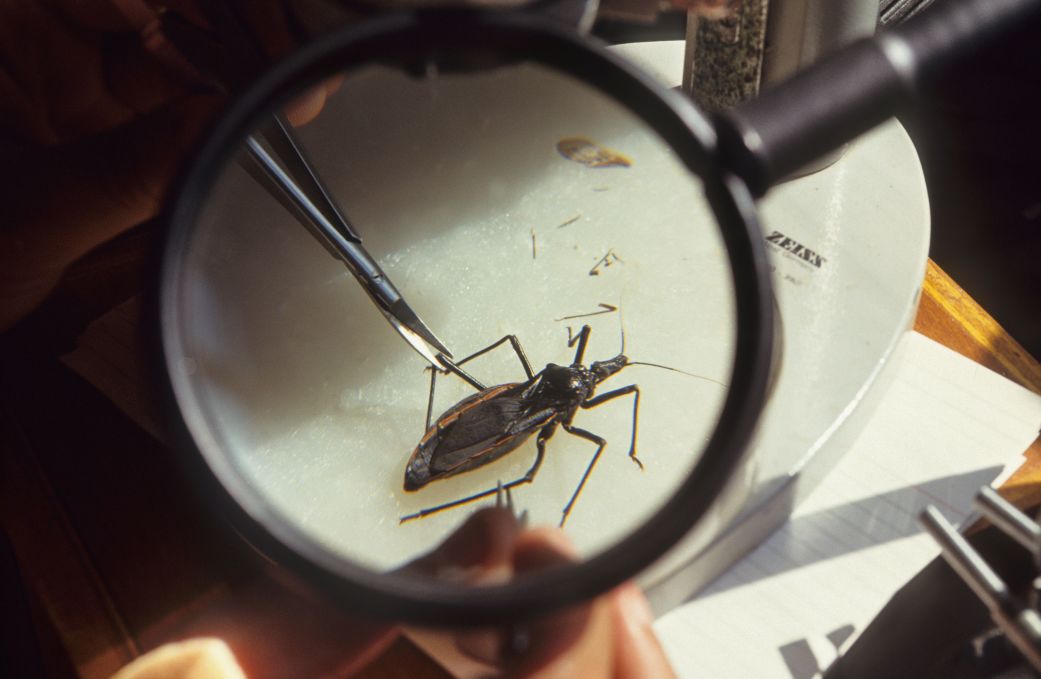
Current treatments, such as benznidazole, are effective if administered early. Unfortunately, the lack of awareness among both the public and healthcare practitioners means that many cases go undiagnosed and untreated.
The Rise of Kissing Bugs and Implications for Public Health
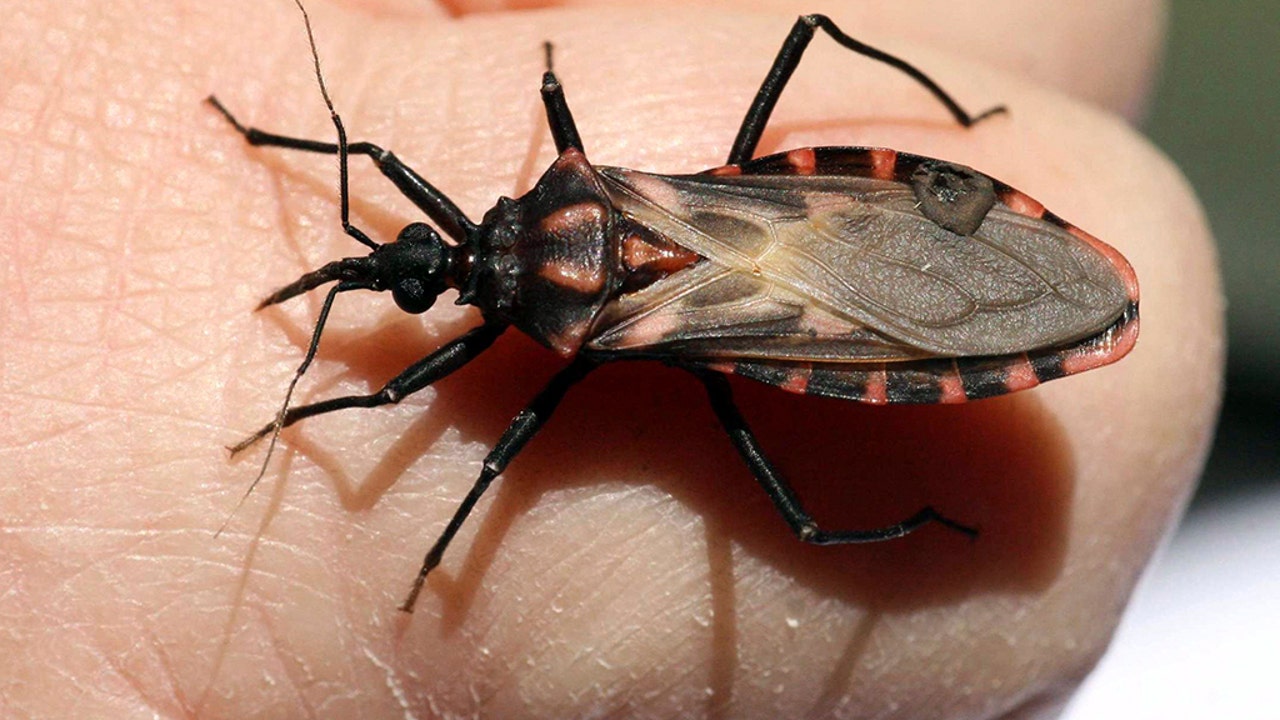
The distribution of kissing bugs in the U.S. has notably expanded due to climate change and increased urbanization. These factors have allowed the insects to thrive in areas where they were previously uncommon. Experts warn that the increase in global temperatures and fluctuating weather patterns will continue to facilitate the spread of these bugs, putting more people at risk of Chagas disease.
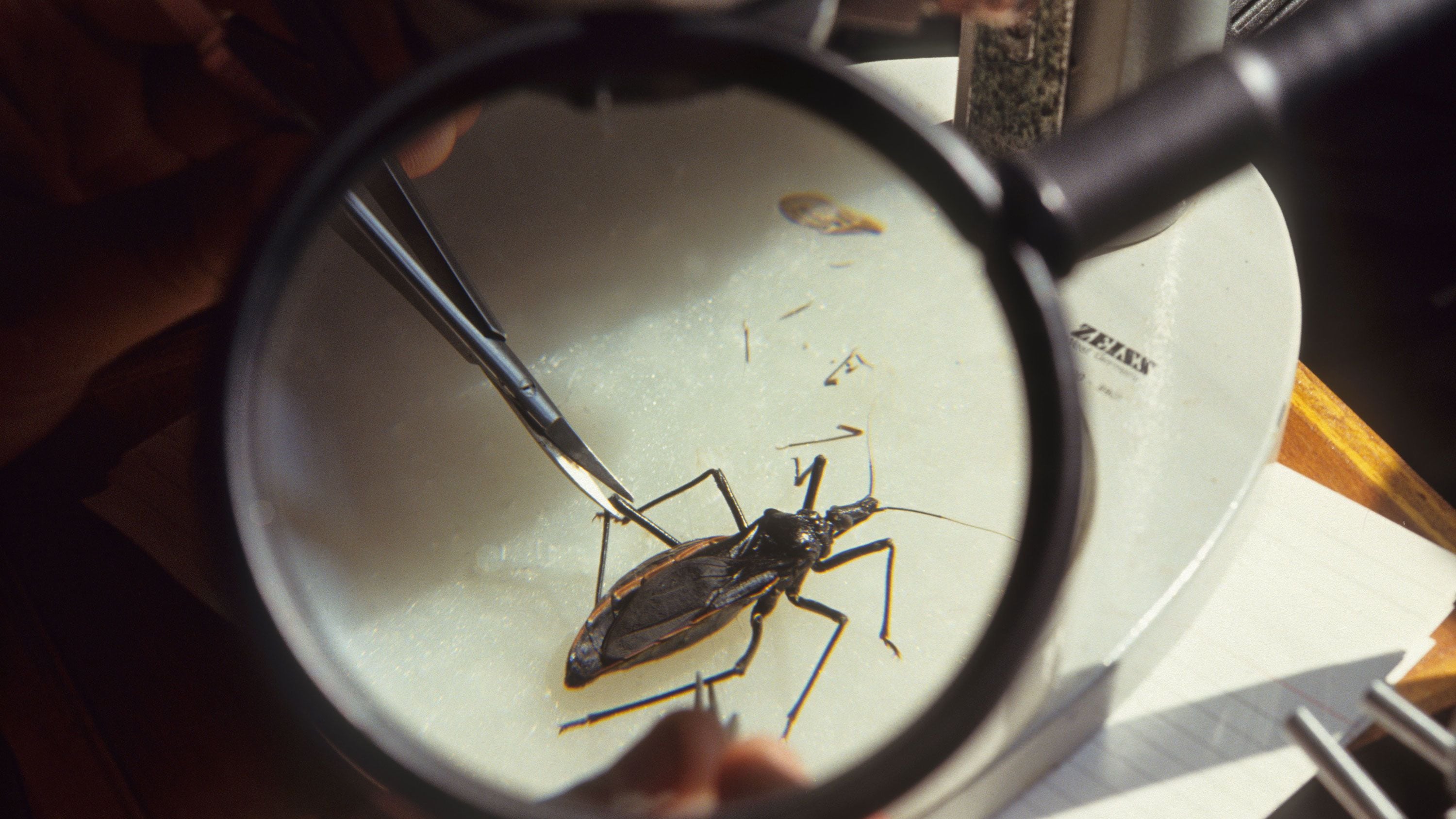
Health officials stress the necessity of enhanced surveillance and educational initiatives to address Chagas disease proactively. Similar to successful mosquito control programs, public health measures targeting kissing bug populations could make a significant difference. Dr. Norman Beatty, a leading researcher in Chagas disease, advocates for increased funding for research and better training for health professionals to recognize the disease and its symptoms.
Heightened awareness and proactive measures are key to combating the spread of this serious yet often overlooked disease. Communities need to understand the importance of monitoring kissing bug populations and adopting preventive measures to protect public health. As Chagas disease becomes more familiar within the U.S., it is vital that health campaigns evolve to address this growing threat effectively.
If you want to learn more about Chagas disease and how you can help raise awareness, consider joining local initiatives focused on public health education. Your involvement can make a difference in combating this emerging health crisis.