Officials Made Decoy Jeffrey Epstein Body to ‘Thwart’ Media, Move Corpse Unnoticed After Suicide: DOJ Files
Decoy Jeffrey Epstein Body Created to Thwart Media Attention
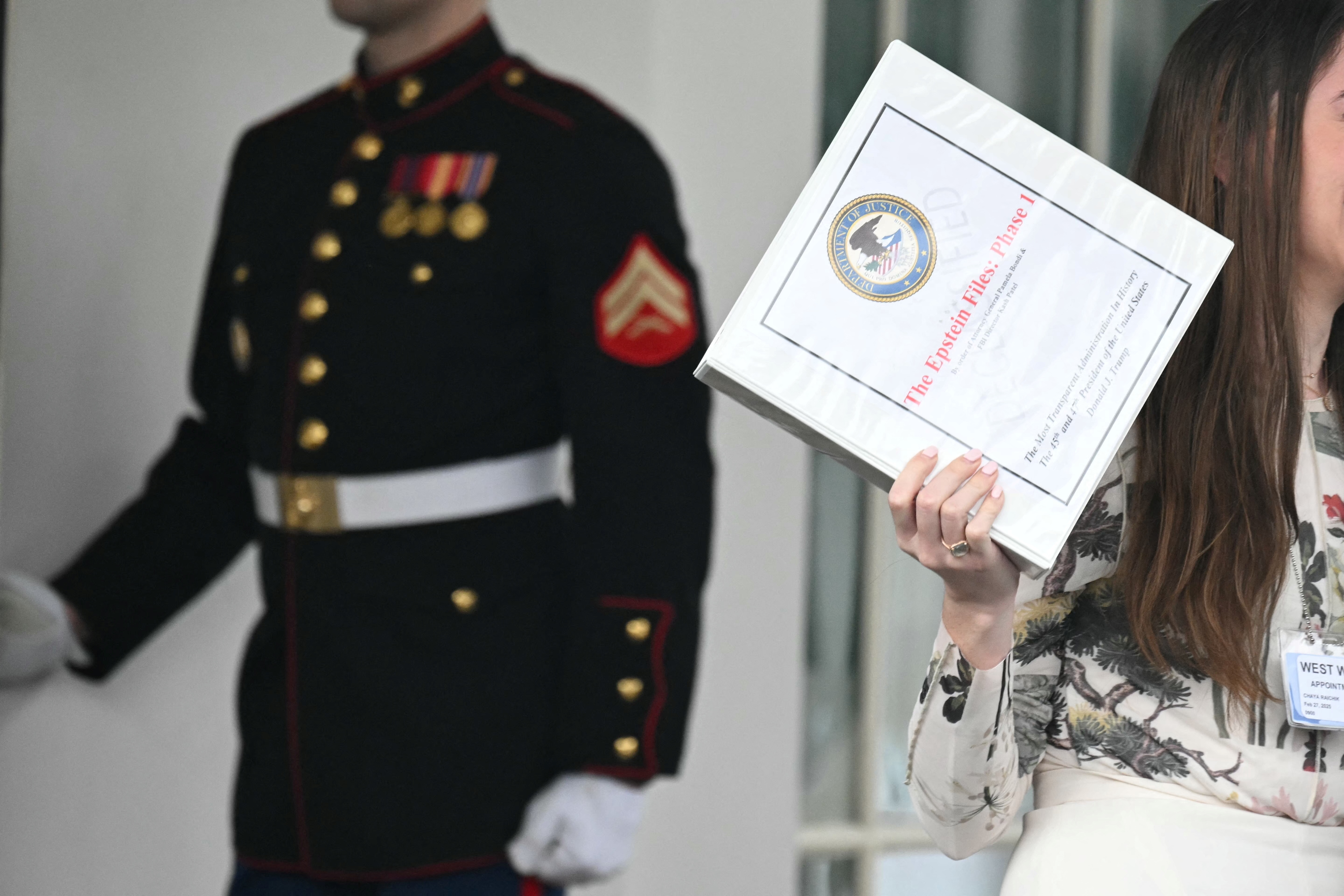
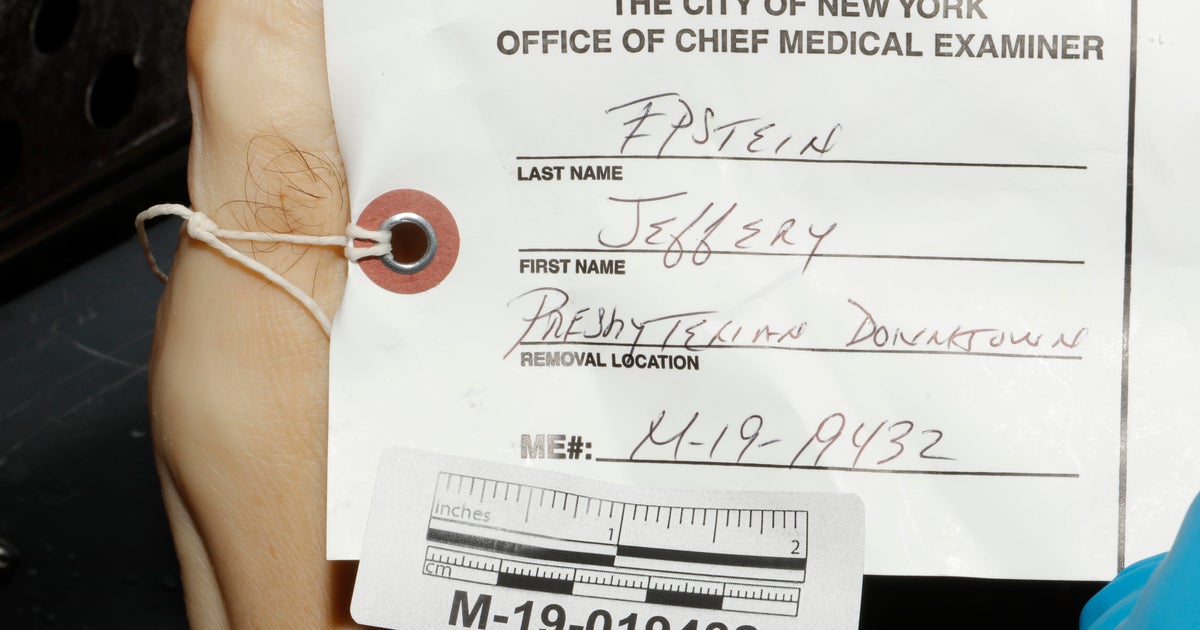
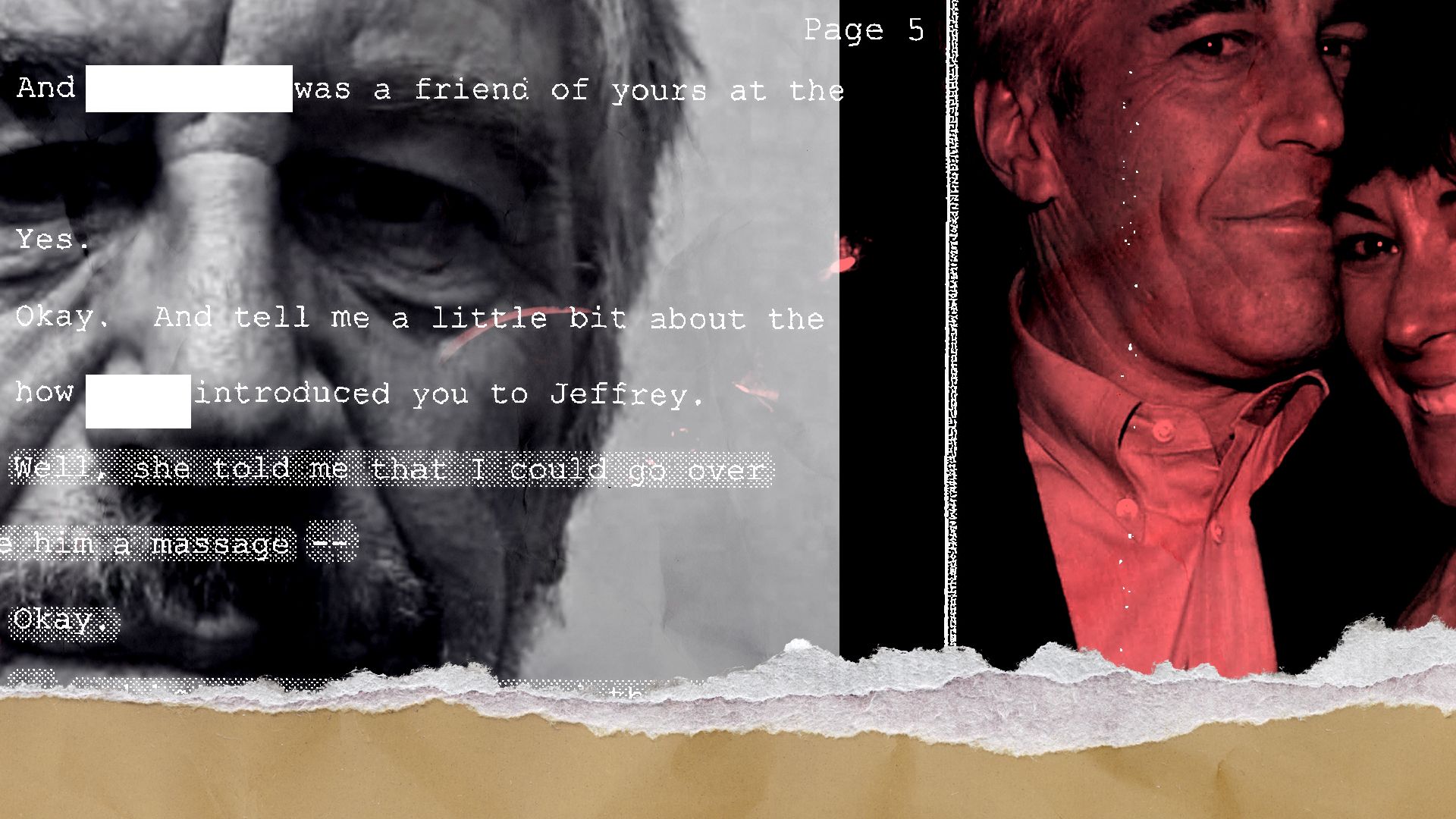
In a startling revelation from recently released Department of Justice (DOJ) files, officials involved in handling Jeffrey Epstein’s death reportedly fabricated a decoy body to mislead the media. This covert operation was designed to divert press attention and allow Epstein’s actual corpse to be moved discreetly following his suicide in August 2019. The documents shed light on the extraordinary measures taken by New York City’s Office of Chief Medical Examiner (OCME) and the Metropolitan Correctional Center (MCC) guards to manage the intense media scrutiny surrounding the disgraced financier’s death.
The Context Behind the Decoy Operation
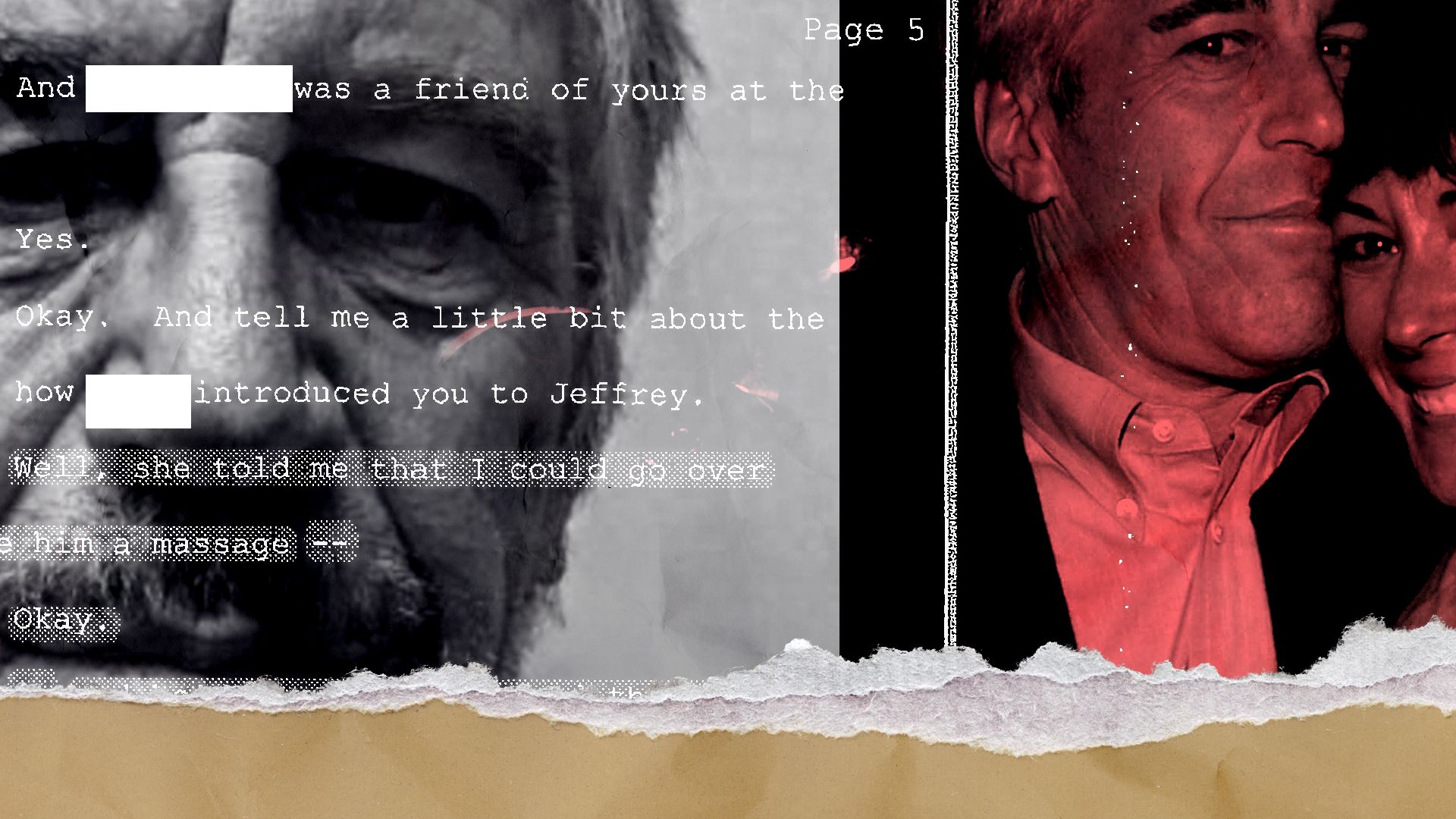
Jeffrey Epstein, a wealthy financier facing federal sex trafficking charges, was found dead in his jail cell on August 10, 2019, in what was officially ruled a suicide. His death triggered widespread public and media interest, with reporters gathering outside the hospital and correctional facilities to capture any developments. To prevent the media from witnessing the transportation of Epstein’s body and potentially causing a public spectacle, officials devised a plan to create a fake body.
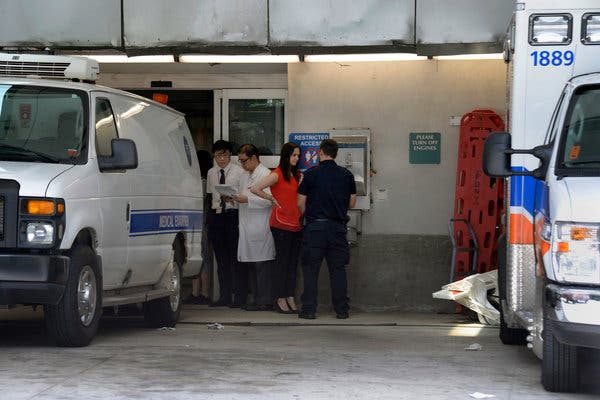
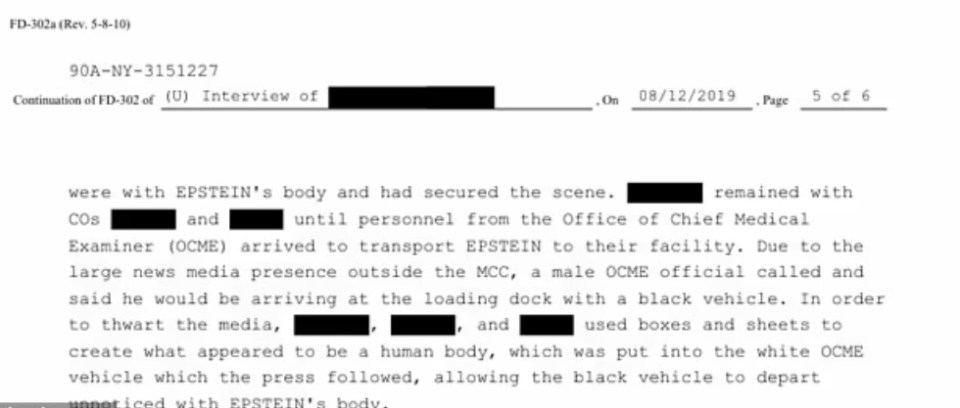
According to an FBI interview document from 2019, boxes and sheets were used to construct a human-like figure. This decoy was then placed inside a white OCME vehicle, which the press followed, believing it carried Epstein’s corpse. Meanwhile, the real body was transported in a separate, unmarked black vehicle, allowing it to leave the hospital premises unnoticed.
How the Decoy Was Executed
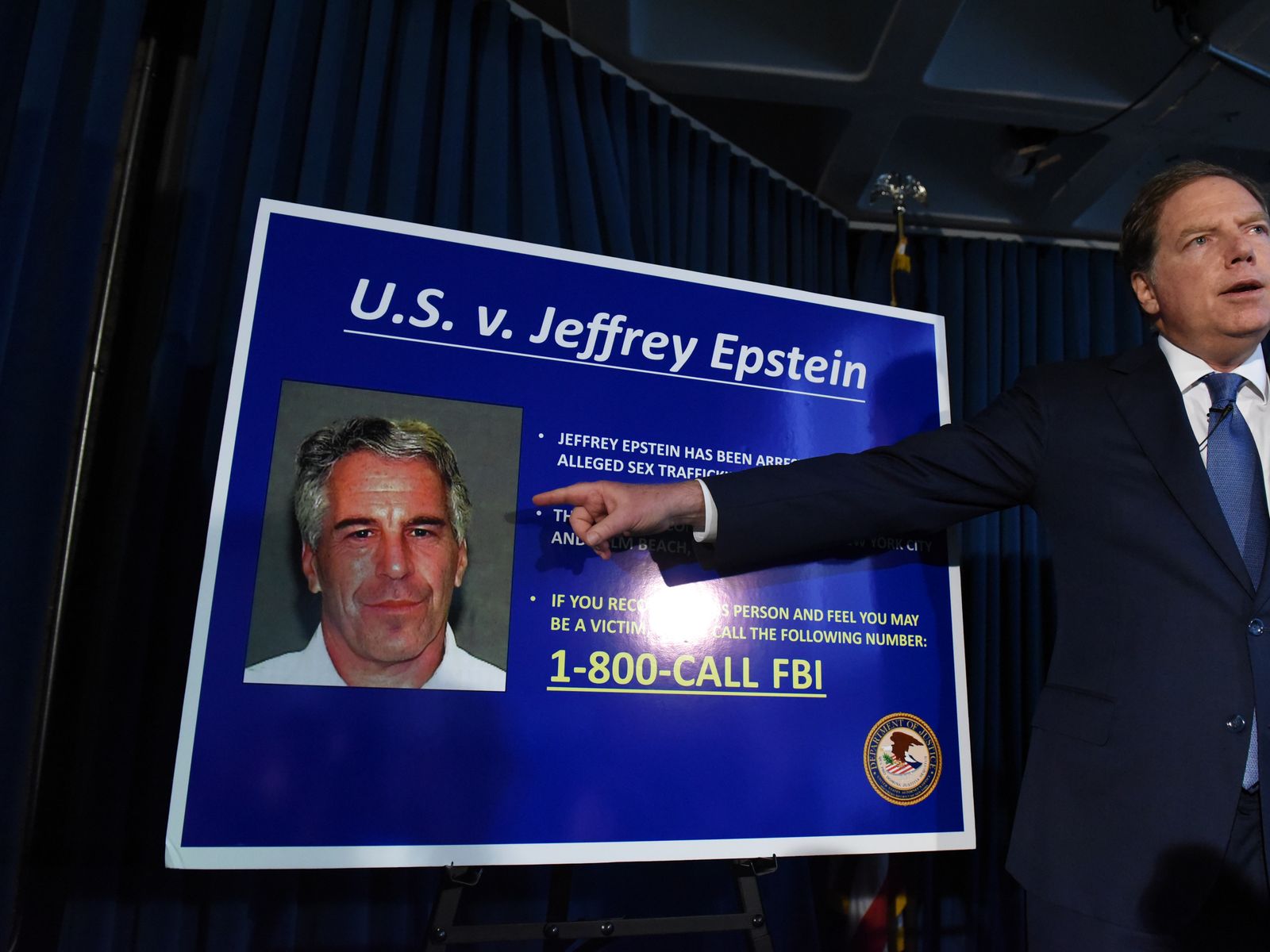
The DOJ files detail the collaboration between the OCME staff and MCC guards in orchestrating the deception. Hospital personnel staged a scene suggesting Epstein was being moved through the emergency room’s front entrance, where media had gathered. Meanwhile, the actual body was quietly loaded into a black van parked at the hospital’s rear exit.
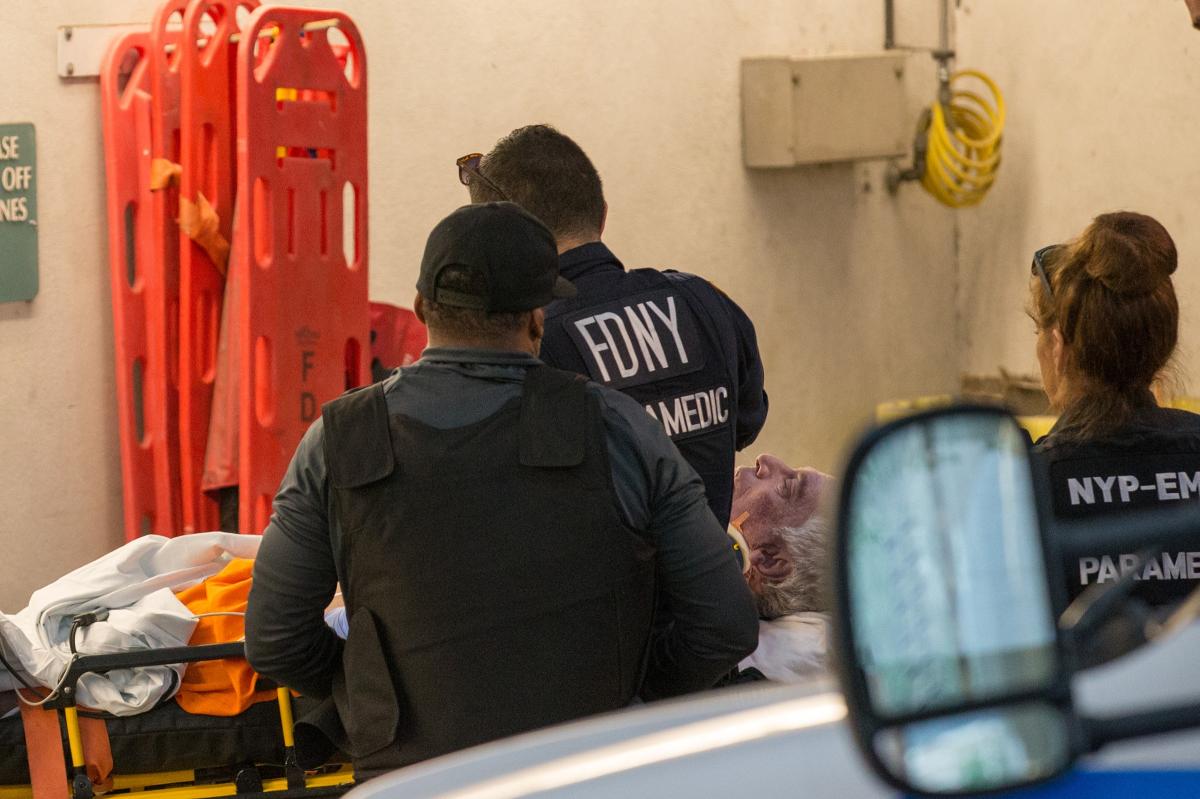
Despite the elaborate ruse, the New York Post’s photographer William Farrington managed to capture exclusive images of Epstein’s body being wheeled into New York Presbyterian Hospital at 7:30 a.m. on the day of his death. Farrington also photographed EMTs attempting to revive Epstein and later documented the body bag containing Epstein’s corpse as it was loaded into the black van.
Implications of the Decoy Jeffrey Epstein Body Incident
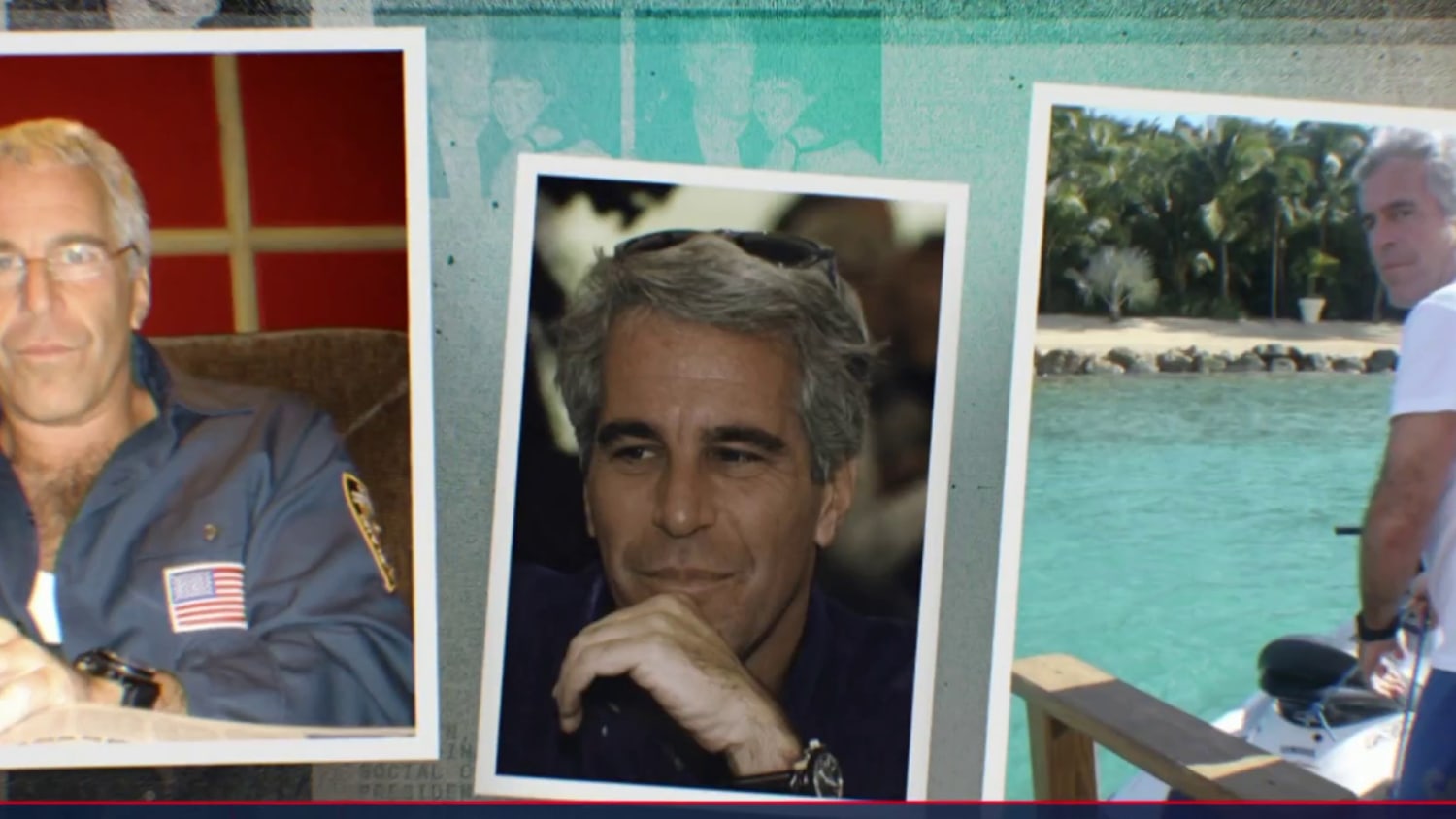
The creation of a decoy Jeffrey Epstein body highlights the extraordinary lengths authorities went to control the narrative and manage media presence during a highly sensitive and controversial event. Epstein’s death had already sparked numerous conspiracy theories and public skepticism, and the use of a decoy added another layer of complexity to the case.
This tactic raises questions about transparency and the handling of high-profile deaths within the justice system. While officials may argue that the decoy was necessary to maintain order and respect privacy, critics contend that such actions can fuel mistrust and speculation.
Public and Media Reaction
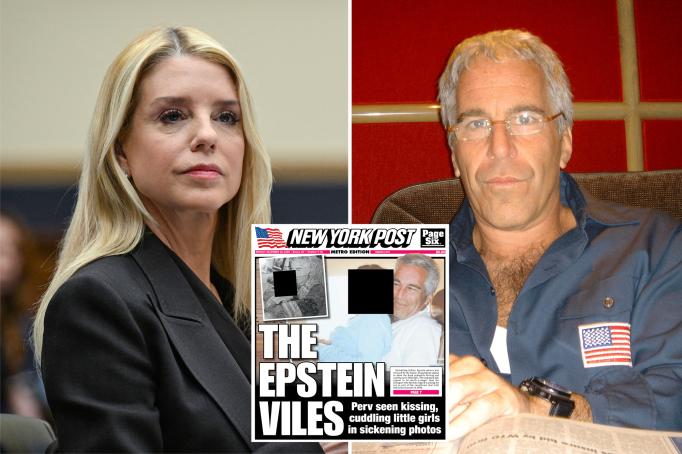
The media’s reaction to the revelation of the decoy body has been mixed. Some journalists praised the ingenuity of the officials in managing a chaotic scene, while others expressed concern that the public was deliberately misled. The New York Post’s exclusive photos played a crucial role in countering the official narrative and providing visual evidence of the actual events.
Public interest in Epstein’s case remains high, with ongoing investigations and legal proceedings related to his associates and alleged co-conspirators. The decoy incident adds to the complex legacy of Epstein’s death and the broader conversation about accountability and justice.
What This Means for Future High-Profile Cases
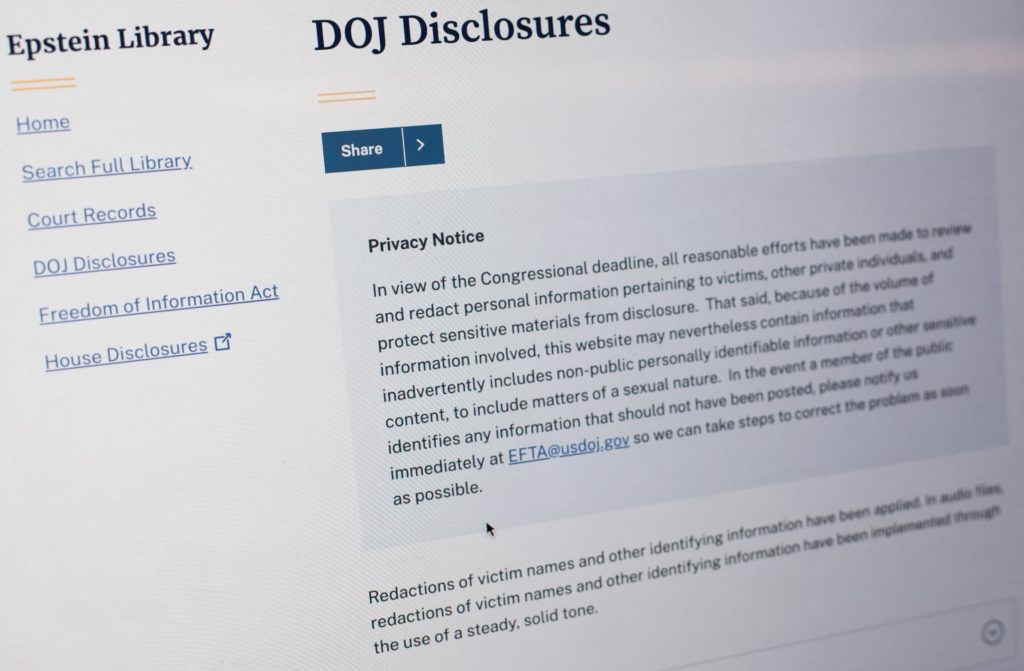
The use of a decoy body to mislead the media sets a precedent for how authorities might handle future high-profile deaths or sensitive situations involving intense media scrutiny. It underscores the challenges law enforcement and medical examiners face in balancing transparency with operational security.
Moving forward, agencies may need to develop clearer protocols and communication strategies to maintain public trust while ensuring safety and privacy during such events.
Conclusion
The DOJ files revealing the creation of a decoy Jeffrey Epstein body to thwart media attention provide a fascinating glimpse into the behind-the-scenes efforts to manage one of the most high-profile deaths in recent history. This unprecedented tactic underscores the challenges faced by officials in controlling the narrative amid intense public and media scrutiny. As investigations continue and the public demands greater transparency, understanding these covert operations is essential for fostering trust in the justice system. Stay informed on this evolving story and related developments by subscribing to our newsletter for the latest updates.