Nancy Guthrie Investigators Deploy Advanced Bluetooth Signal Detector in Effort to Find Pacemaker
Using Advanced Bluetooth Technology to Locate Nancy Guthrie’s Pacemaker

In a determined effort to find Nancy Guthrie, the 84-year-old mother of “Today” show host Savannah Guthrie, investigators have turned to cutting-edge technology. Authorities are utilizing an advanced Bluetooth signal detector, a device often referred to as a signal sniffer, to track the electronic signals emitted by Nancy’s pacemaker. This innovative approach is part of a broader search strategy aimed at locating Nancy, who was reported missing from her home on February 1, 2026.
The Bluetooth signal detector is being deployed from a helicopter flying low and slow over the area surrounding Nancy’s residence in Tucson, Arizona. This aerial search method allows investigators to cover a large area efficiently while attempting to pick up the faint Bluetooth signals from the pacemaker. The technology is sophisticated but comes with limitations, particularly the need to be in close proximity to the device to detect its signal accurately.
Background of the Search and Technology Deployment

Nancy Guthrie was last seen around 9:30 p.m. on January 31, 2026. Shortly after, her pacemaker disconnected from the monitoring app on her phone, and her home’s Nest Cam also went offline, raising immediate concerns. The Pima County Sheriff’s Department, along with the FBI, quickly launched a search operation that has since involved numerous law enforcement agencies and community volunteers.
The Bluetooth signal detector, typically used by the FBI for tracking electronic devices, is a crucial tool in this investigation. It works by detecting the short-range Bluetooth signals emitted by devices like pacemakers. However, as former FBI special agent Maureen O’Connell explained, the device’s effectiveness depends heavily on proximity. “The pacemaker sets off a very short-distance alert, so they’re going to have to get really close,” she told NewsNation.
Despite these challenges, the deployment of this technology from a helicopter allows investigators to scan large areas methodically, increasing the chances of picking up the pacemaker’s signal if Nancy is nearby.
Challenges and Developments in the Investigation

The search for Nancy Guthrie has been complicated by several factors. The short-range nature of the Bluetooth signal means that investigators must cover the search area meticulously. Additionally, several ransom notes demanding bitcoin payments have been sent to media outlets, though authorities are still verifying their authenticity.
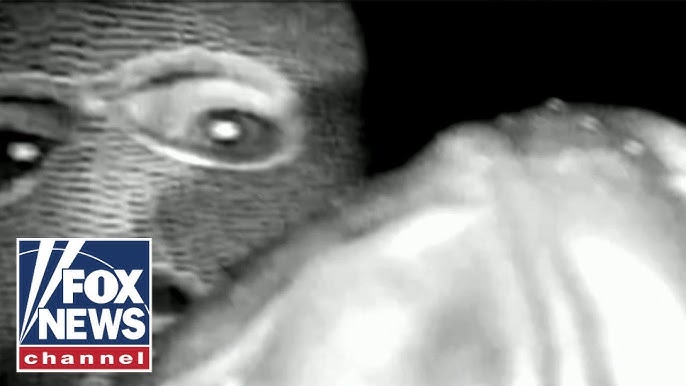
The FBI has released surveillance footage showing a masked suspect tampering with Nancy’s doorbell camera shortly before her disappearance. The suspect is described as a male between 5’9” and 5’10” with an average build, carrying a large hiking backpack. This lead has prompted increased law enforcement activity in the area.
To date, nearly 18,000 tips have been received by the Pima County Sheriff’s Department, but no suspects have been officially identified. The reward for information leading to Nancy’s safe return or the arrest of those responsible has been increased to $100,000, underscoring the urgency and seriousness of the case.
The Role of Technology in Modern Missing Person Investigations

The use of advanced Bluetooth signal detectors in the Nancy Guthrie case highlights the growing role of technology in solving missing person cases. Devices like pacemakers, smartphones, and home security systems emit electronic signals that can provide critical clues to an individual’s location. Law enforcement agencies increasingly rely on these signals to narrow down search areas and gather evidence.
However, the effectiveness of such technology depends on several factors, including signal range, environmental conditions, and the availability of compatible detection equipment. In Nancy’s case, investigators are leveraging aerial technology to overcome some of these limitations, demonstrating how innovation can enhance traditional search methods.
Conclusion

The deployment of an advanced Bluetooth signal detector in the search for Nancy Guthrie’s pacemaker represents a significant step forward in the investigation. While challenges remain, the combination of technology, law enforcement expertise, and community support continues to drive efforts to locate Nancy and bring clarity to this troubling case. If you have any information that could assist in the search, please contact the Pima County Sheriff’s Department immediately. Your help could make all the difference in reuniting Nancy with her family.