
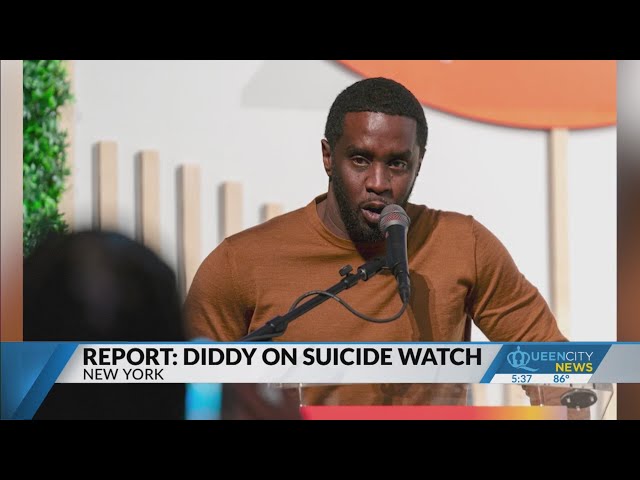
Diddy Placed Under 24/7 Suicide Watch: Lawyer Alleges Inhumane Conditions While Awaiting Sentencing in Federal Custody
Diddy’s Legal Team Highlights Inhumane Conditions and Mental Health Concerns
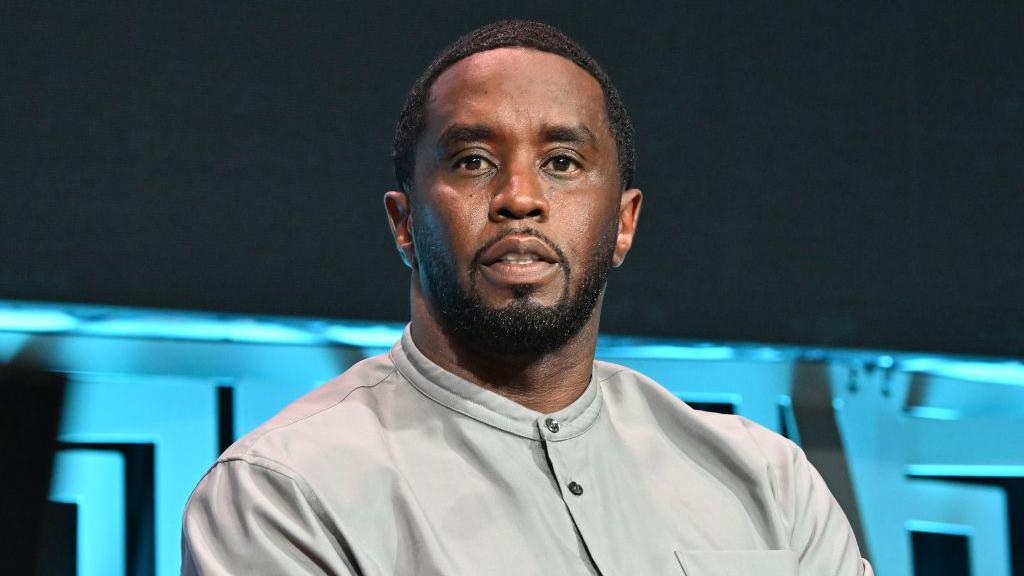
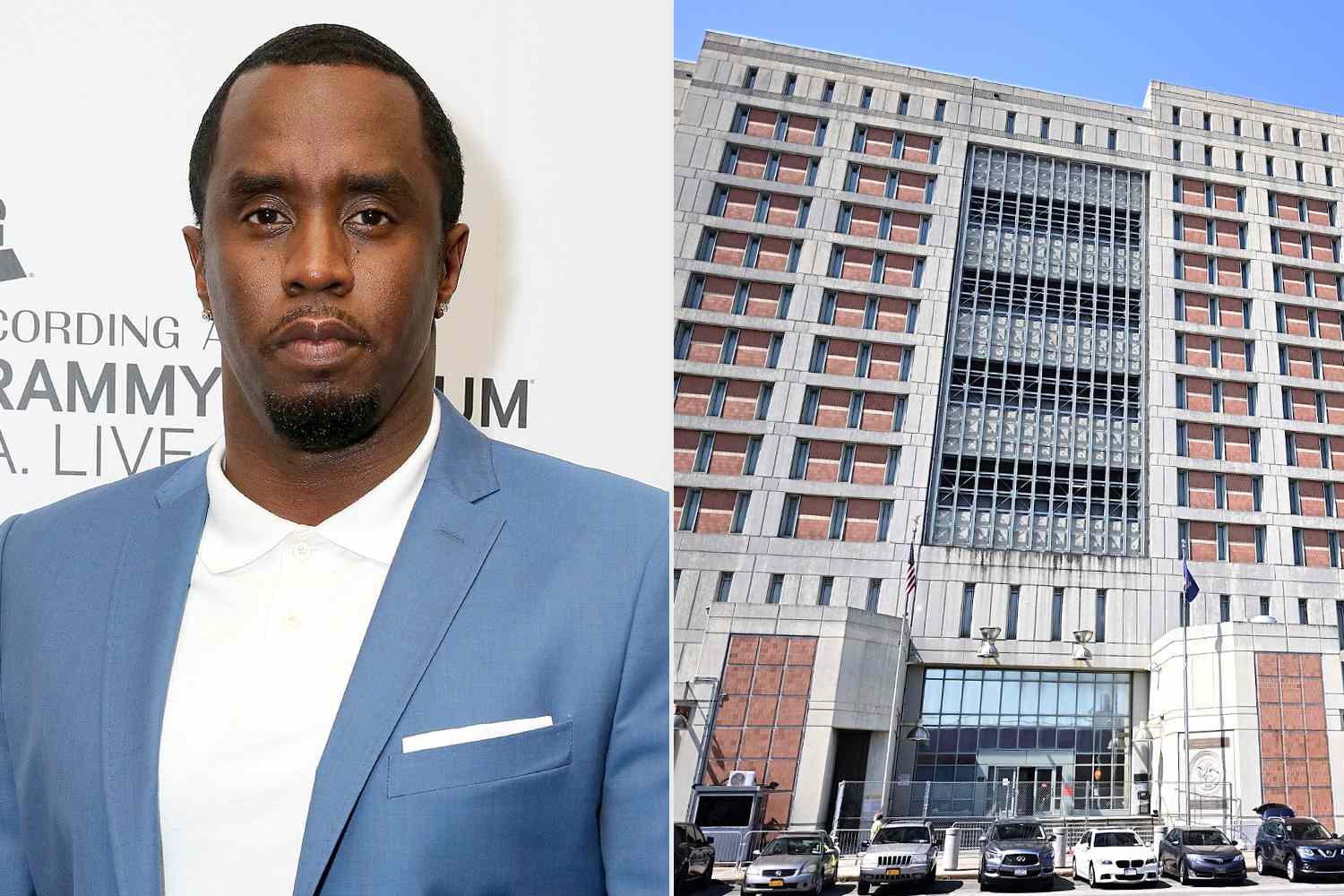
Sean “Diddy” Combs, the renowned music producer and rapper, has been placed under 24/7 suicide watch during his ongoing detention at the Metropolitan Detention Center (MDC) in Brooklyn. According to his legal representatives, the hip-hop icon is enduring harsh and inhumane conditions while awaiting sentencing on federal charges related to transportation to engage in prostitution. This development comes after Diddy’s conviction in July 2024, which has sparked a flurry of legal motions and public interest.
Diddy’s attorneys have argued that the conditions of his confinement have severely impacted his mental and physical well-being. In a recent sentencing memorandum, they emphasized that the musician has already spent 13 months behind bars and has been sufficiently punished for his offenses. The legal team is pushing for a reduced sentence of 14 months ahead of the scheduled October 3rd hearing, asserting that continued incarceration serves no rehabilitative or restorative purpose.
The memorandum states, “Mr. Combs has suffered physically and mentally, and continued incarceration serves no positive goal. Courts do not simply punish, but must restore and rehabilitate with a goal to returning the convicted person to their community as soon as practicable.” The defense further highlighted Diddy’s intentions to comply fully with court orders upon release and to focus on repairing relationships and contributing positively to his family and community.
Background of the Case and Current Legal Status

Diddy’s legal troubles stem from federal charges accusing him of transporting individuals to engage in prostitution. While he was acquitted of the most severe allegations, including racketeering and sex trafficking, the conviction on lesser charges has kept him behind bars. His defense team has consistently maintained that his lifestyle choices, including consensual relationships with his ex-girlfriends, should not be grounds for prolonged detention.
The rapper’s lawyers have also challenged the applicability of standard sentencing guidelines, arguing that they fail to consider the “pervasive violence and inhumane conditions” Diddy has endured at MDC Brooklyn. They contend that these factors warrant leniency and a reconsideration of his sentence.
Despite these arguments, Judge Arun Subramanian denied Diddy’s initial bail request and subsequent motions for release. The judge cited concerns about Diddy’s history of violence in personal relationships, referencing surveillance footage that surfaced in May 2024 showing an altercation with ex-girlfriend Cassie Ventura at a hotel. This evidence played a significant role in the decision to keep Diddy in custody, with the court emphasizing the need to ensure the safety of others.
If sentenced to the maximum penalty, Diddy could face up to 20 years in prison—10 years for each count of conviction. The upcoming hearing will be critical in determining the length of his incarceration and the conditions under which he will serve his sentence.
The Impact of Detention on Diddy’s Mental Health and Well-being
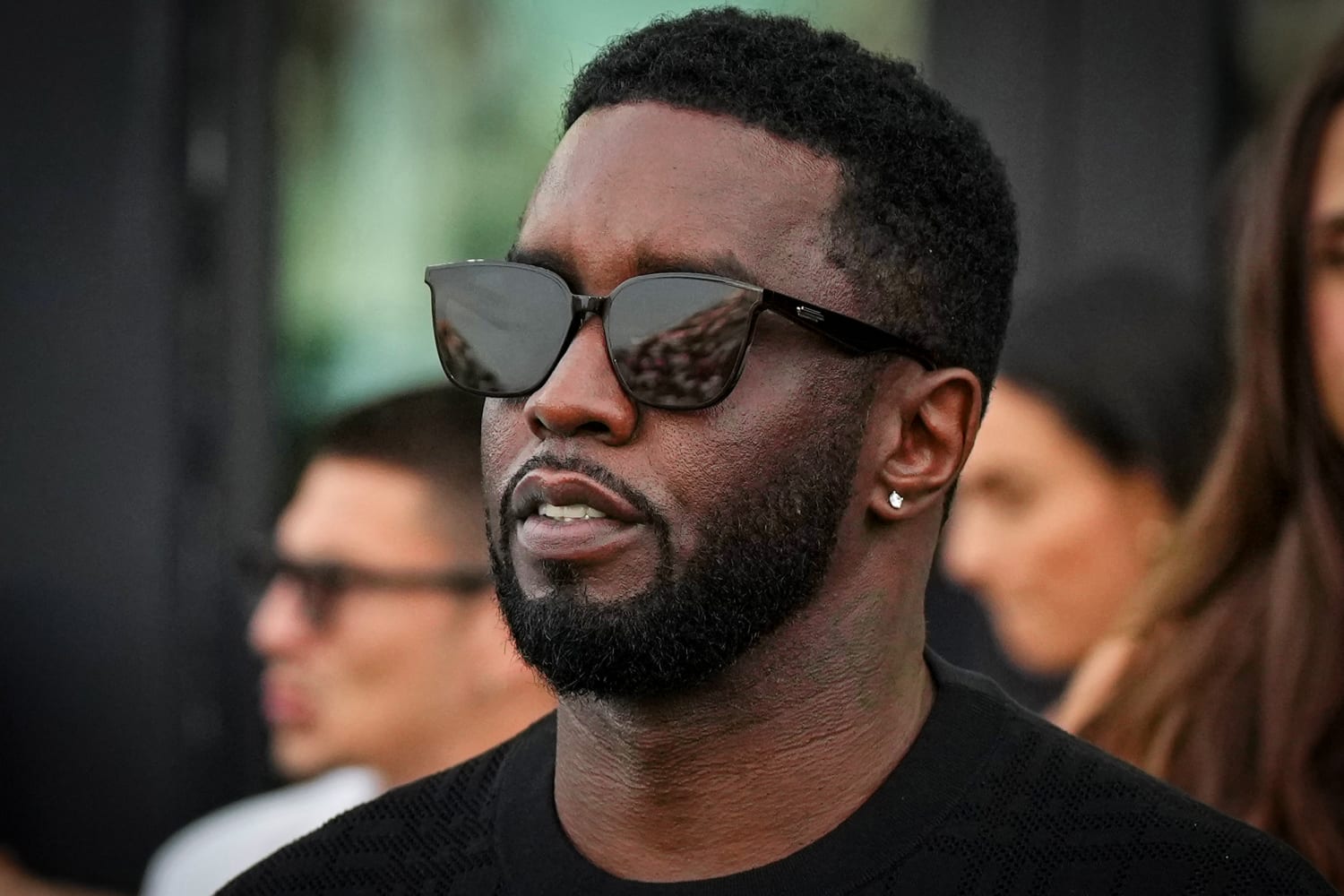
Being placed under constant suicide watch is a serious indication of the toll that incarceration has taken on Diddy’s mental health. Suicide watch protocols typically involve continuous monitoring to prevent self-harm, reflecting concerns about the detainee’s psychological state. The defense’s claims of inhumane conditions at MDC Brooklyn include allegations of inadequate medical care, isolation, and other factors that may exacerbate mental health struggles.
The legal team’s emphasis on these conditions aims to highlight the need for a more compassionate approach to sentencing, one that prioritizes rehabilitation over punishment. They argue that Diddy’s ongoing detention under such stressful circumstances undermines the justice system’s goal of restoring individuals to society as productive members.
Moreover, the defense has expressed Diddy’s commitment to positive change, including plans to engage in community initiatives and mend personal relationships once released. This narrative seeks to humanize the rapper and present him as more than just a defendant, but as someone capable of growth and contribution.
What’s Next for Diddy? Upcoming Sentencing and Legal Prospects
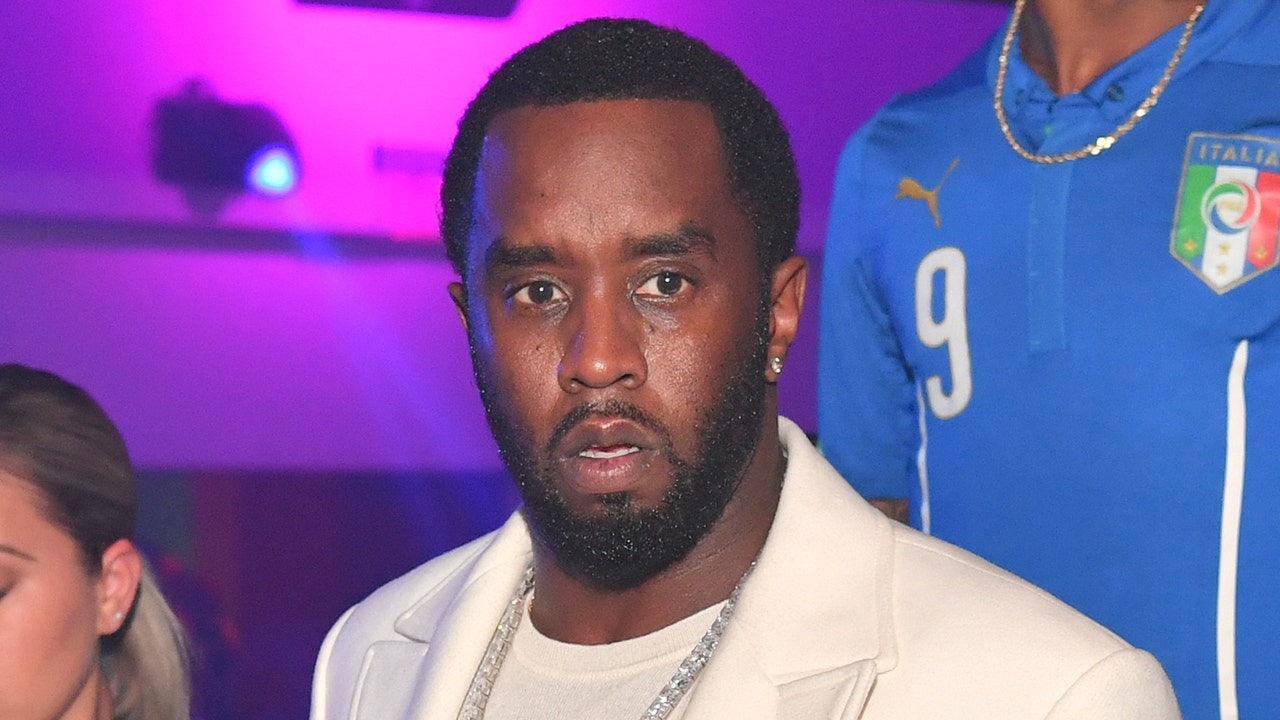
As the October 3rd sentencing date approaches, all eyes remain on the courtroom to see how the judge will weigh the defense’s arguments against the prosecution’s case. Diddy’s lawyers are hopeful that the court will consider the time already served, the alleged harsh conditions of confinement, and his plans for rehabilitation when determining his sentence.
The defense’s push for a 14-month sentence reflects a strategic effort to minimize further incarceration while acknowledging the conviction. Meanwhile, prosecutors may seek a harsher penalty, citing the seriousness of the charges and the evidence presented during the trial.
Public opinion remains divided, with some sympathizing with Diddy’s plight and others emphasizing accountability. The case also raises broader questions about the treatment of high-profile inmates and the conditions within federal detention centers.
In the meantime, Diddy remains in custody under strict supervision, with his legal team continuing to advocate for his rights and well-being. The outcome of this case could set precedents for how similar cases are handled in the future, particularly regarding mental health considerations and sentencing leniency.
Conclusion
Sean “Diddy” Combs’ placement under 24/7 suicide watch amid allegations of inhumane detention conditions highlights the complex intersection of justice, mental health, and incarceration. As his legal team fights for a reduced sentence and improved treatment, the upcoming sentencing hearing will be pivotal in shaping the next chapter of this high-profile case. Stay tuned for updates on Diddy’s legal journey and the broader implications for federal custody practices.