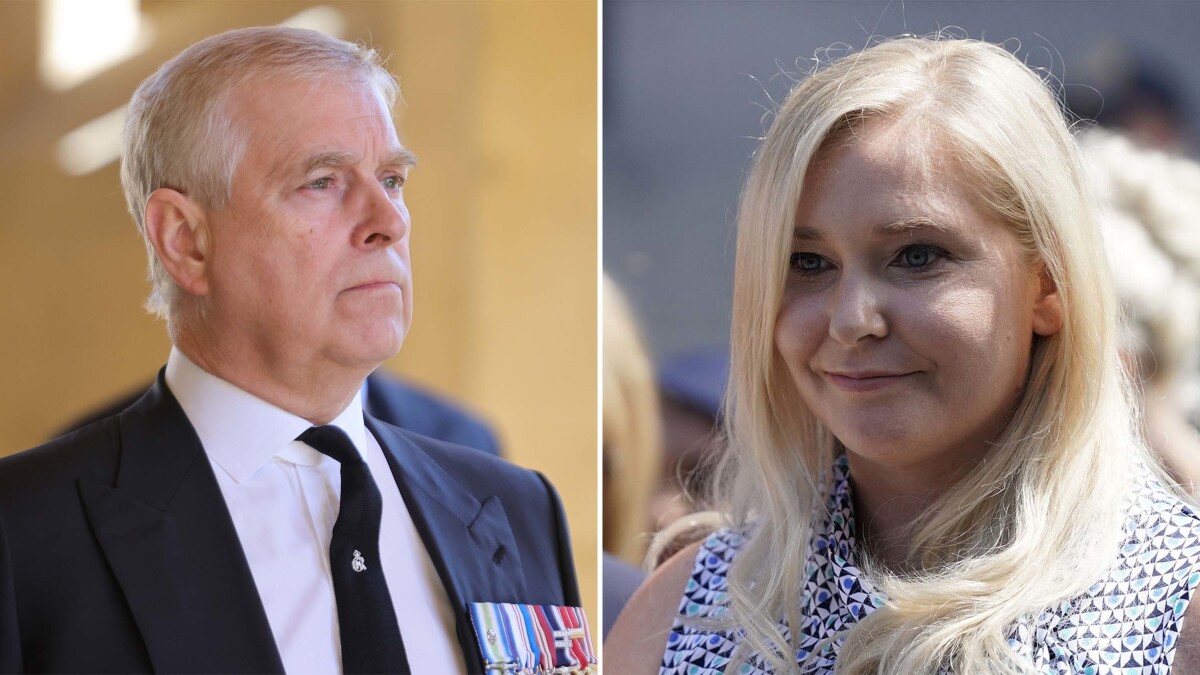
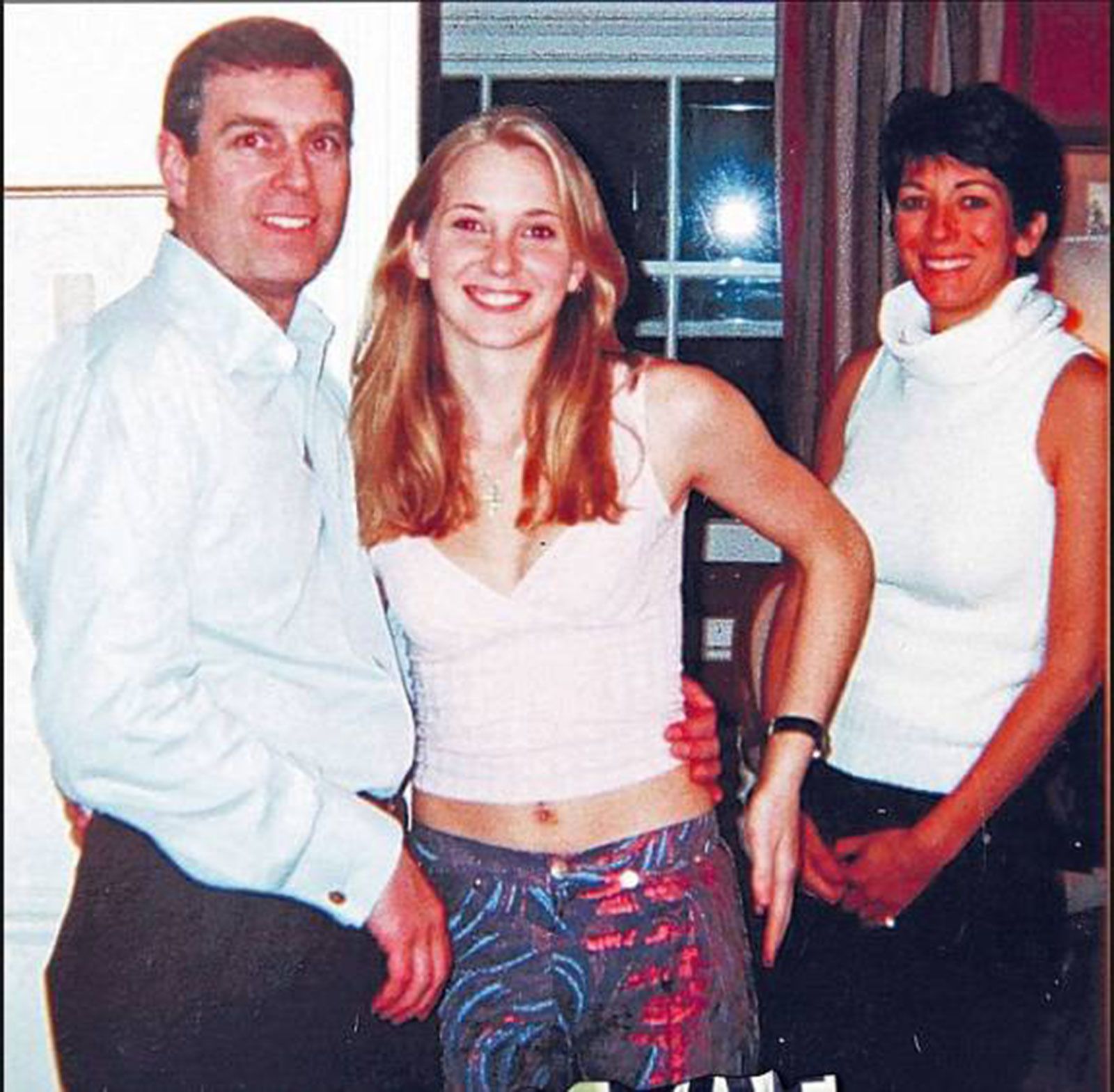
Why DID the royals pay Virginia Giuffre £12million?
The Background of the Virginia Giuffre Lawsuit
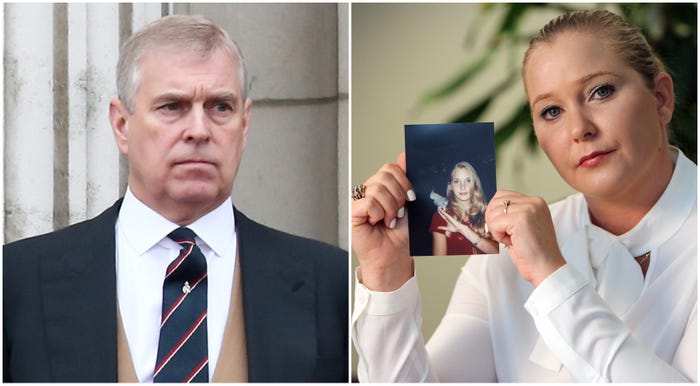
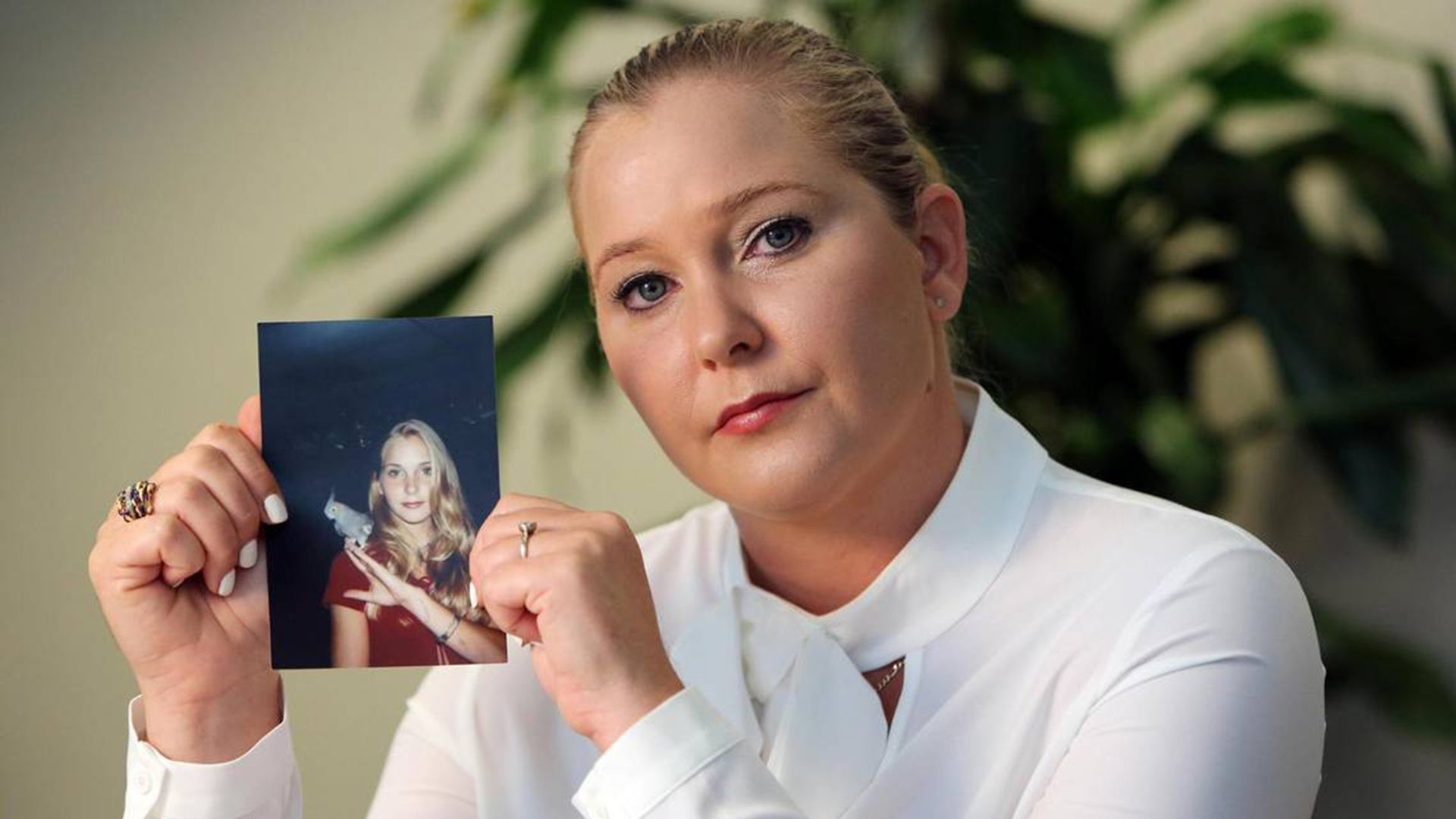
In recent years, the name Virginia Giuffre has become synonymous with one of the most controversial legal battles involving the British royal family. Virginia Giuffre, a victim of the notorious sex trafficker Jeffrey Epstein, accused Prince Andrew, Duke of York, of sexual abuse when she was just 17 years old. The allegations claimed that Giuffre was forced into sexual encounters with the prince on multiple occasions, a claim that Prince Andrew has vehemently denied.
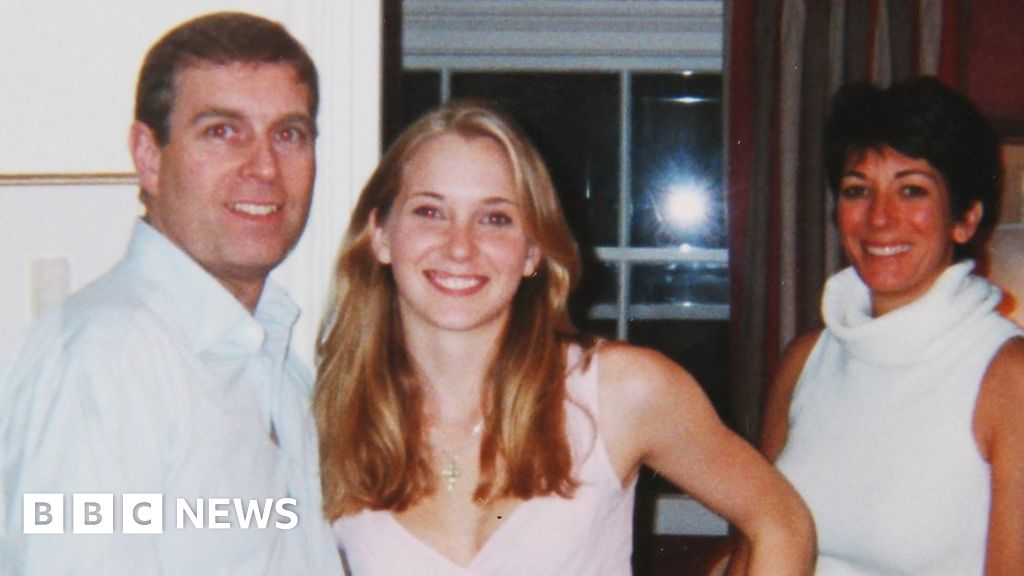
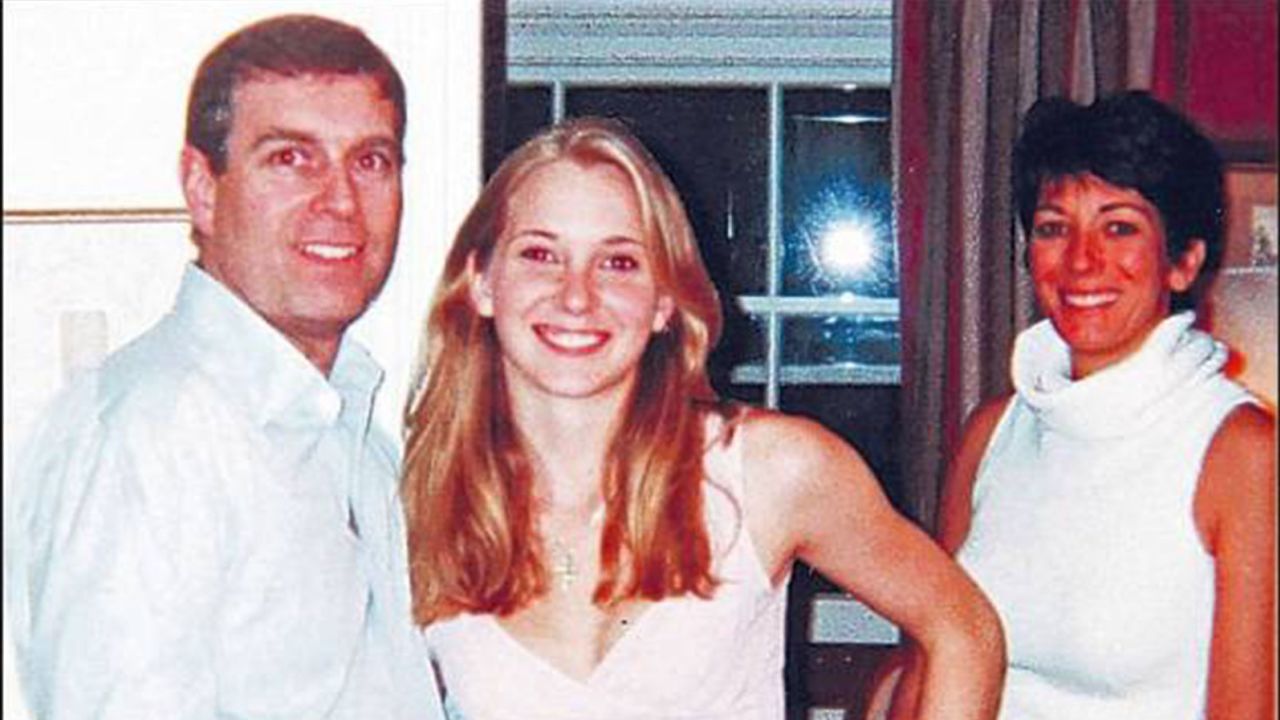
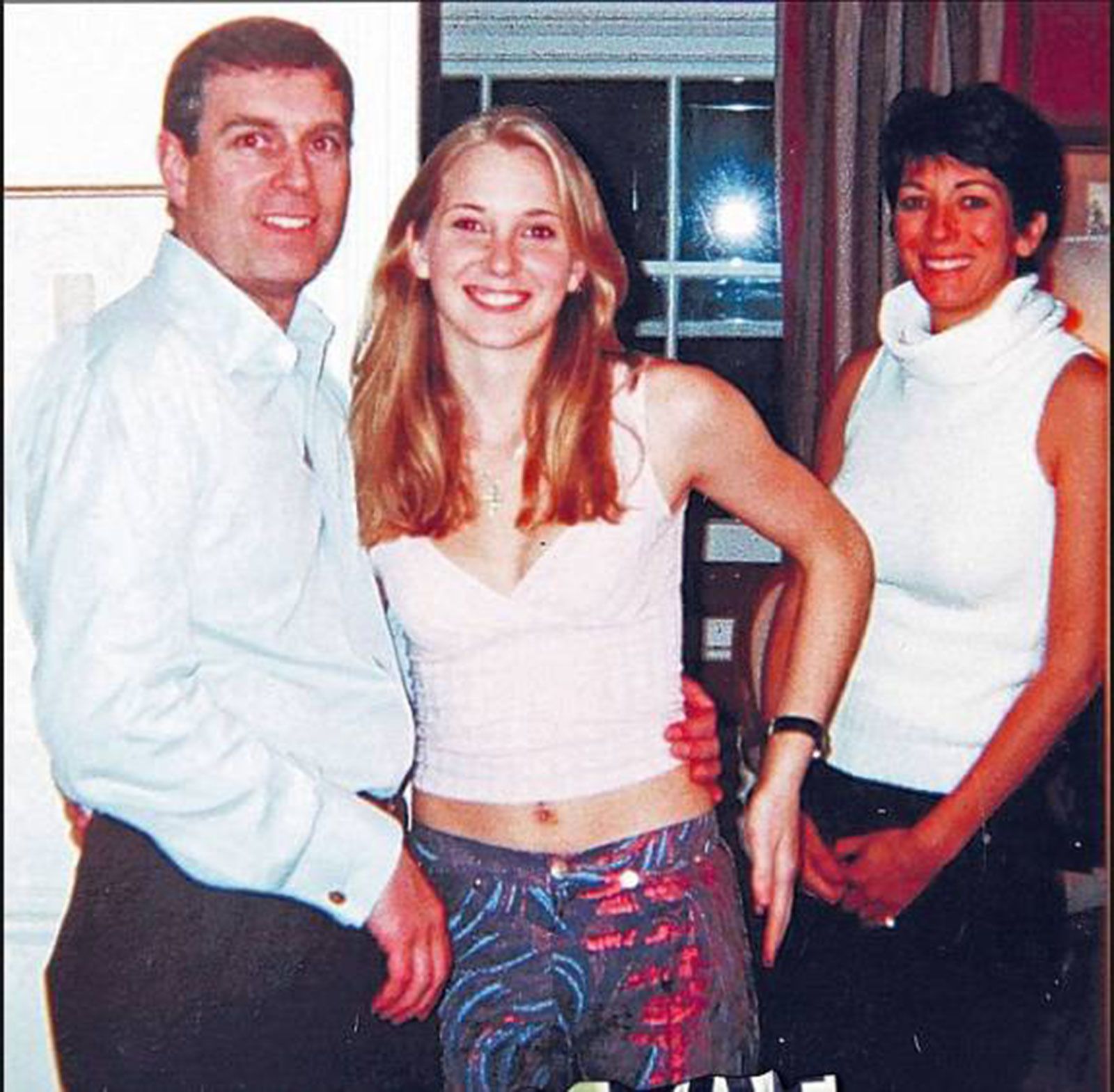
The case gained widespread media attention after a photograph surfaced showing a young Virginia Giuffre with Prince Andrew’s arm around her waist in 2001. This image became a central piece of evidence in the public eye, fueling speculation and outrage. Despite Andrew’s repeated denials, the lawsuit proceeded, threatening to expose damaging details in a public courtroom.
Prince Andrew’s Denials and Public Statements
Prince Andrew’s response to the allegations was firm and unequivocal. In a 2019 BBC interview, he famously stated, “I have no recollection of ever meeting this lady,” referring to Virginia Giuffre. He went on to challenge the credibility of her claims by providing alibis for the dates in question. For instance, he mentioned that he was with his daughter Beatrice at a Pizza Express in Woking on one of the alleged dates, making it impossible for him to be with Giuffre.
Additionally, Prince Andrew disputed other details of the accusations, such as the claim that he had danced with Giuffre at London’s Tramp nightclub. He argued that he could not have been sweating during the dance due to a medical condition, and he denied ever buying her a drink at the venue. These denials were part of a broader effort to discredit the allegations and protect his reputation.
Why the Royals Agreed to Pay £12million to Virginia Giuffre
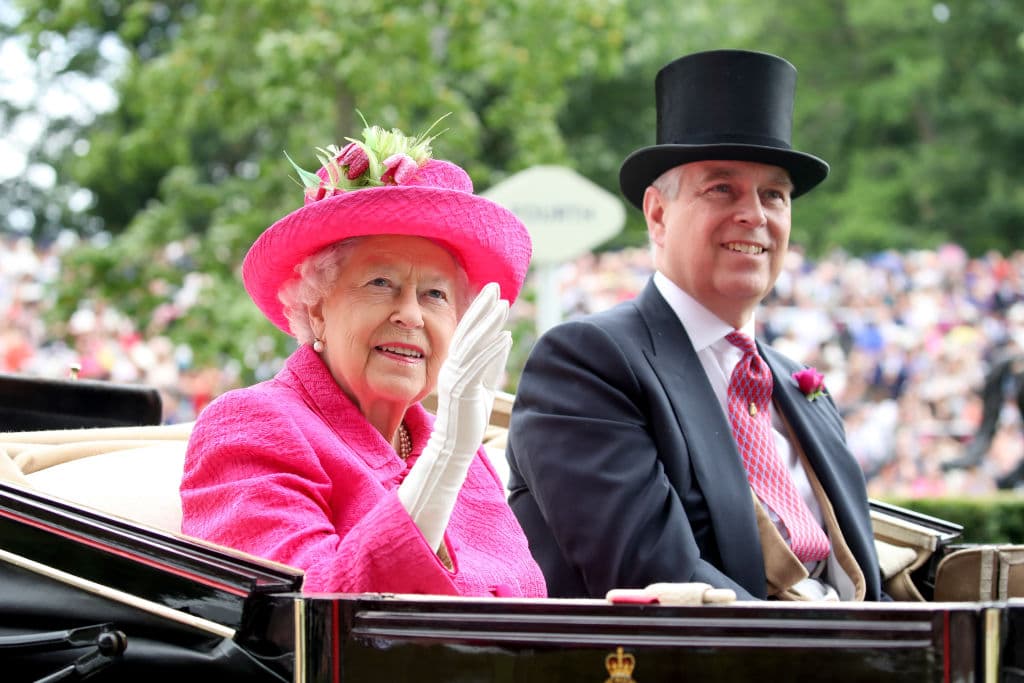
Despite Prince Andrew’s strong denials, the royal family ultimately agreed to pay Virginia Giuffre a reported £12million to settle the lawsuit out of court in 2022. This decision surprised many, given the prince’s insistence on his innocence. So why did the royals decide to make this substantial payment?
The primary reason was to avoid a humiliating public trial that could have severely damaged the reputation of both Prince Andrew and the British monarchy. A jury trial would have brought sensitive and potentially damaging details into the public domain, risking a prolonged media frenzy and further scrutiny of the royal family’s connections to Jeffrey Epstein.
Settling the case allowed the royals to control the narrative and bring the legal battle to a swift conclusion without admitting any liability. The settlement was explicitly made without any admission of wrongdoing, which is a common legal strategy in high-profile cases to avoid setting a precedent or acknowledging guilt.
The Impact on the Royal Family’s Reputation

The decision to settle was undoubtedly influenced by concerns over the royal family’s public image. The monarchy relies heavily on public support and trust, and the allegations against Prince Andrew posed a significant threat to that foundation. By settling the lawsuit, the royal family aimed to minimize further damage and move past the controversy.
However, the settlement did not erase the public’s curiosity or skepticism. Many questioned why such a large sum was paid if Prince Andrew maintained his innocence. Critics argued that the payment could be seen as an attempt to silence a victim and avoid accountability. Nonetheless, from a legal and public relations perspective, the settlement was a strategic move to contain the fallout.
Legal and Social Implications of the Settlement
The £12million settlement between the royals and Virginia Giuffre has broader implications beyond the immediate parties involved. It highlights the challenges victims of sex trafficking and abuse face when seeking justice against powerful individuals. The case also underscores the complexities of navigating legal battles that involve high-profile figures and sensitive allegations.
Moreover, the settlement has sparked discussions about the responsibility of institutions, including the monarchy, to address and prevent abuse within their circles. It has prompted calls for greater transparency and accountability, as well as support for survivors of trafficking and exploitation.
What This Means for Future Cases
The Giuffre settlement may set a precedent for how similar cases are handled in the future. High-profile defendants might be more inclined to settle out of court to avoid damaging trials, while victims may gain increased visibility and support for their claims. However, the lack of admission of liability in such settlements can also complicate efforts to establish legal accountability and systemic change.
Conclusion
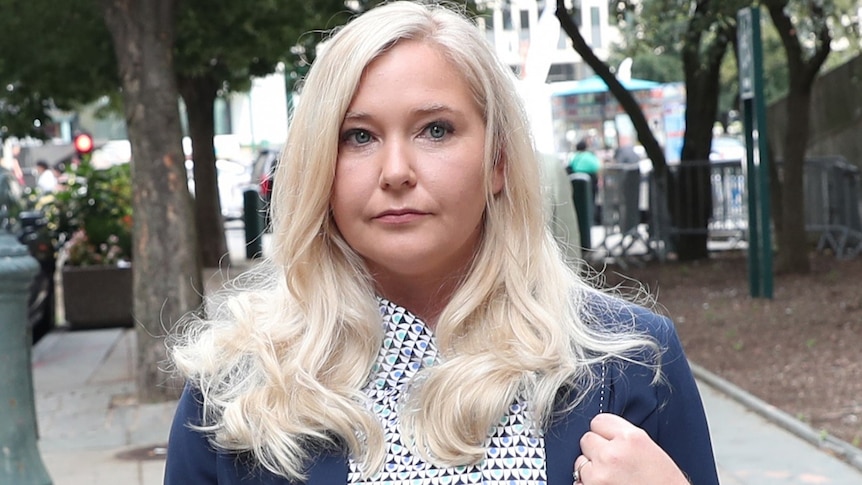
The decision by the royals to pay Virginia Giuffre £12million was driven by a desire to avoid a damaging public trial and protect the monarchy’s reputation, despite Prince Andrew’s persistent denials of any wrongdoing. This high-profile settlement sheds light on the complexities of addressing allegations of abuse involving powerful figures and raises important questions about justice, accountability, and institutional responsibility.
If you want to stay informed about the latest developments in high-profile legal cases and royal news, be sure to subscribe to our newsletter and follow our updates regularly.