

Don’t Run, Says Doc — The Exercise You Should Do Instead, It Won’t Age You As Much
Why Running Might Be Aging You Faster Than You Think
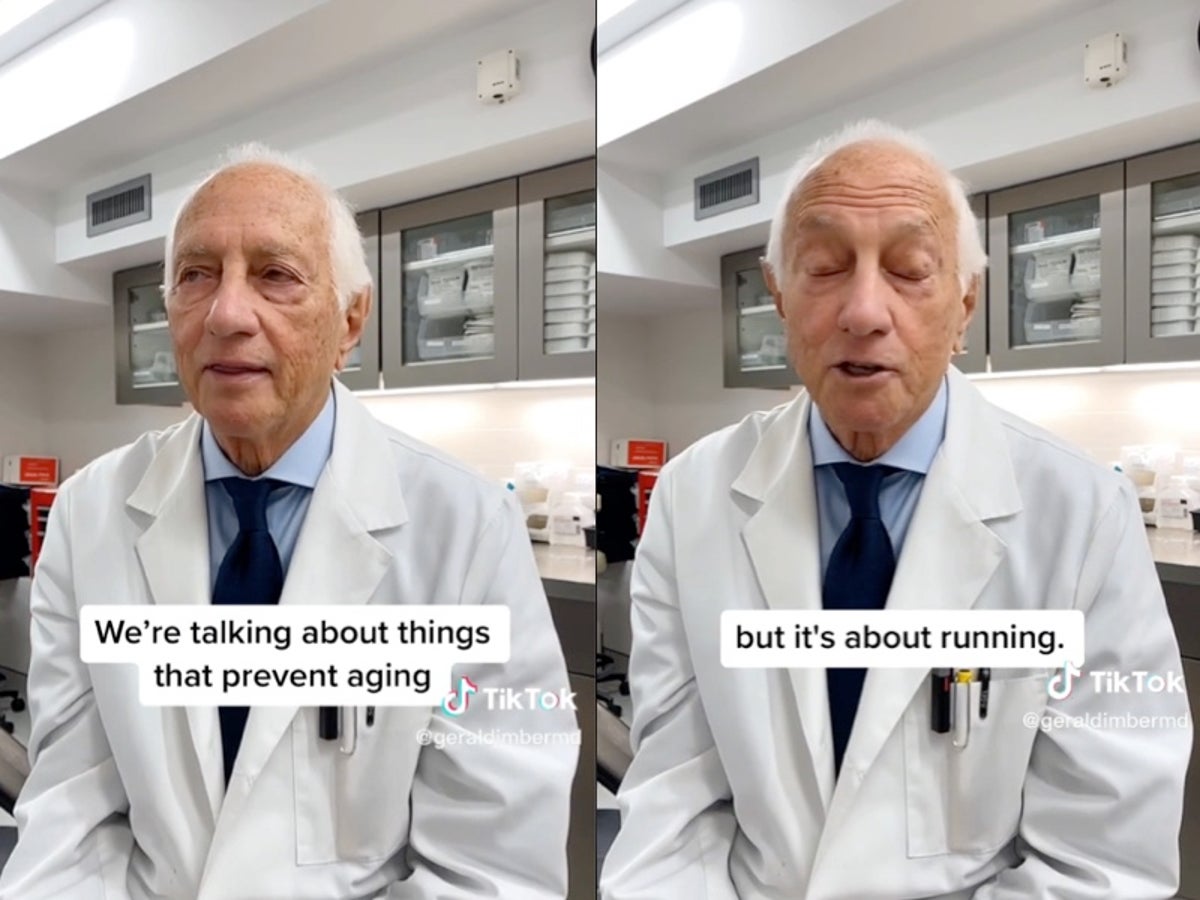
Running has long been celebrated as a go-to exercise for cardiovascular health, weight management, and mental well-being. However, recent insights from Dr. Gerald Imber, a renowned NYC-based plastic surgeon, suggest that excessive running could be taking a toll on your body in ways you might not expect. According to Dr. Imber, the repetitive pounding from running can accelerate wear and tear on your joints — including knees, ankles, and hips — and even contribute to premature aging of your skin and facial structure.
In a viral social media post, Dr. Imber explained that while running feels exhilarating and offers many benefits, it comes at a cost. The constant impact can lead to joint deterioration, loss of height due to spinal compression, and a gaunt, aged appearance in the face caused by fat loss and skin sagging. This perspective has sparked a lively debate among fitness enthusiasts, with some agreeing and others defending their long-term running habits.
The Science Behind Running and Aging
The aging effects linked to running primarily stem from its high-impact nature. Each foot strike sends shockwaves through your skeletal system, which over time can contribute to cartilage breakdown and joint inflammation. This is particularly concerning for older adults or those predisposed to osteoarthritis.
Moreover, intense aerobic exercise like long-distance running can reduce overall body fat, including the fat that cushions and supports facial tissues. Combined with natural declines in collagen and elastin production as we age, this can lead to a hollowed, sagging facial appearance. Ultraviolet exposure during outdoor runs further exacerbates skin aging by damaging these essential proteins.
That said, running in moderation is generally safe and beneficial. The key issue is excessive or high-intensity running without adequate recovery or cross-training.
The Better Exercise: Why Cycling Is the Low-Impact Alternative That Won’t Age You As Much
If running’s impact on your body and face has you reconsidering your workout routine, cycling might be the ideal alternative. Dr. Imber recommends hopping on a bike instead of pounding the pavement, highlighting cycling’s numerous advantages as a low-impact aerobic exercise.
Cycling provides a cardiovascular workout comparable to running but with significantly less stress on your joints. The smooth, gliding motion of pedaling minimizes impact forces, reducing the risk of joint pain, cartilage damage, and injury. This makes it an excellent choice for people of all ages, including those with arthritis or joint sensitivities.
Health Benefits of Cycling Beyond Joint Protection

– Improved Cardiovascular Fitness: Like running, cycling strengthens your heart and lungs, enhancing endurance and metabolic health.
– Muscle Strength and Balance: Cycling engages major leg muscles, core, and even upper body for balance, promoting overall muscular fitness.
– Joint Health Preservation: Studies show that regular cycling is associated with a lower incidence of osteoarthritis and knee pain in older adults.
– Cognitive and Mental Health Boost: Cycling has been linked to improved brain function, reduced risk of dementia, and elevated mood.
– Enhanced Coordination and Fall Prevention: By improving balance and coordination, cycling helps reduce the risk of falls, a crucial benefit for seniors.
These benefits make cycling not only a joint-friendly alternative but also a comprehensive exercise that supports longevity and quality of life.
Incorporating Cycling Into Your Fitness Routine

Switching from running to cycling doesn’t mean giving up your fitness goals. You can start by cycling a few times a week, gradually increasing duration and intensity. Whether you prefer outdoor biking or stationary cycling indoors, consistency is key.
For those who enjoy running’s intensity, interval training on a bike can provide similar cardiovascular challenges without the joint impact. Pair cycling with strength training and flexibility exercises to create a balanced, sustainable fitness regimen.
Expert Opinions and Balanced Perspectives

While Dr. Imber’s warnings about running have gained attention, many experts emphasize moderation and variety in exercise. Dr. Boris Paskhover, a facial plastic surgeon, notes that high-intensity aerobic exercise can lead to facial fat loss, but this is just one factor in aging. Genetics, nutrition, skin care, and sun protection also play vital roles.
Most health organizations recommend adults engage in at least 150 minutes of moderate-intensity aerobic activity weekly. Whether that’s running, cycling, swimming, or brisk walking, the best exercise is one that you enjoy and can maintain long-term without injury.
Conclusion

If you’re worried that your running routine might be accelerating your aging process, it’s worth considering cycling as a low-impact, joint-friendly alternative. Cycling offers many of the same cardiovascular and muscular benefits as running but with less wear and tear on your body and skin. By making this switch, you can protect your joints, maintain a youthful appearance, and enjoy a sustainable fitness routine.
Ready to give cycling a try? Grab a bike, hit the road or your local gym, and experience the benefits of this age-defying exercise for yourself. Your body and face will thank you!