Larry Summers Resigning from Harvard University Over Jeffrey Epstein Ties
Larry Summers Resignation from Harvard University: Understanding the Epstein Connection

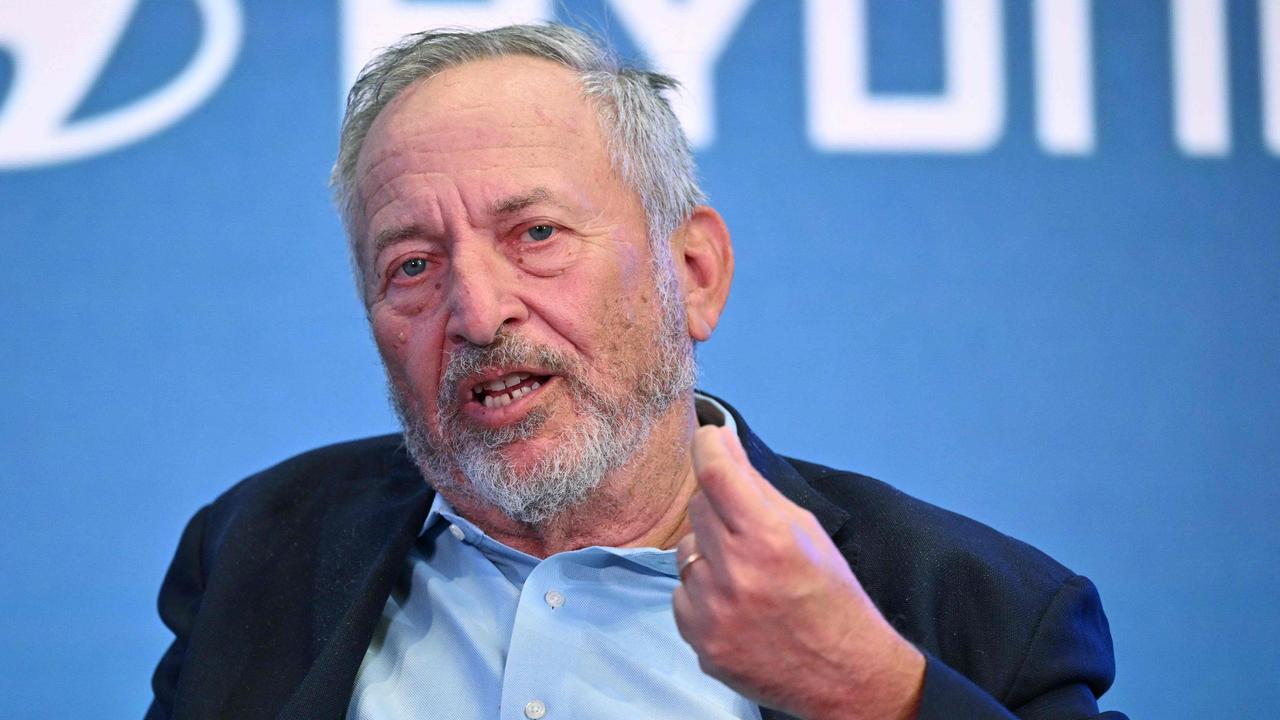
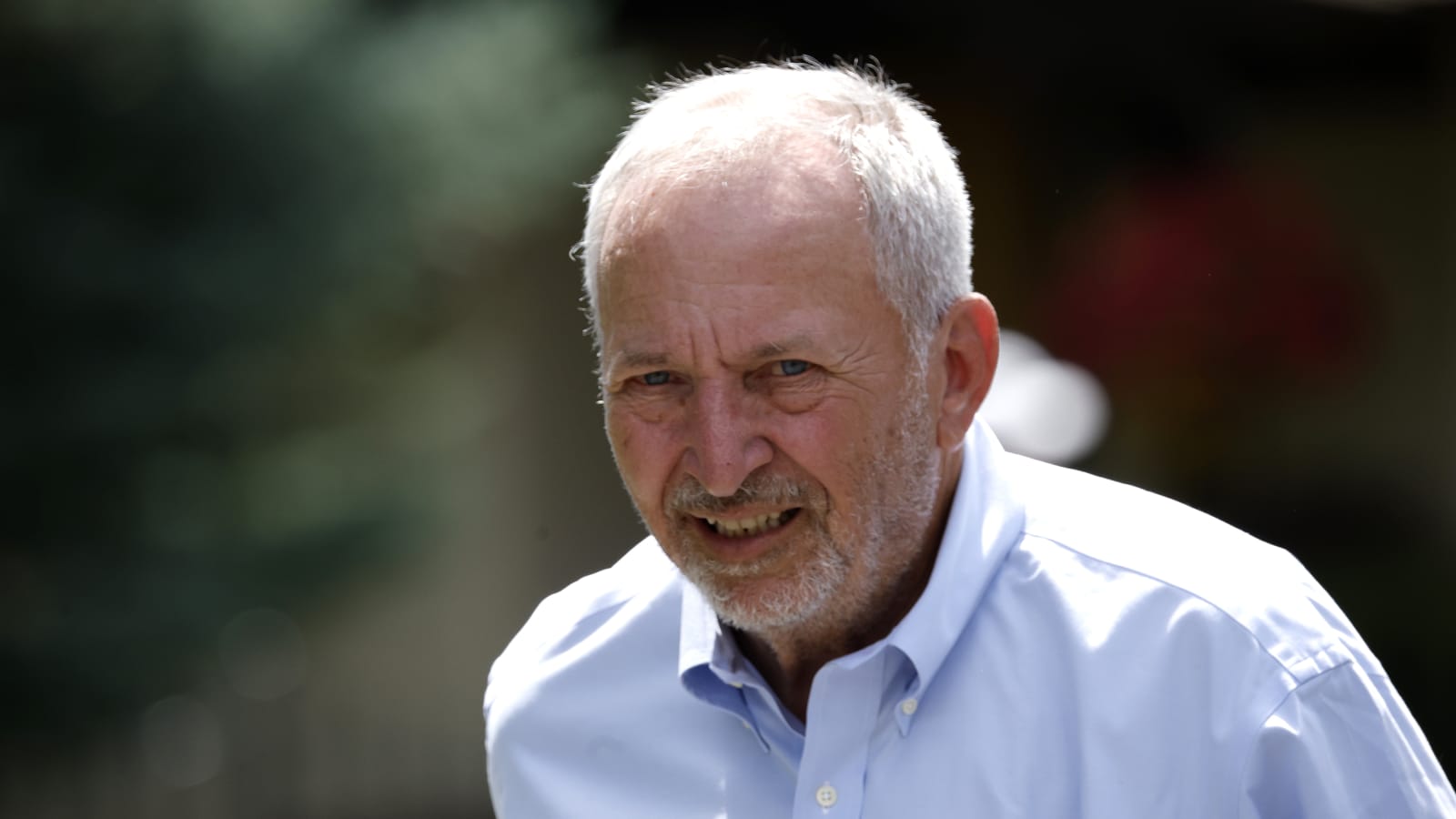
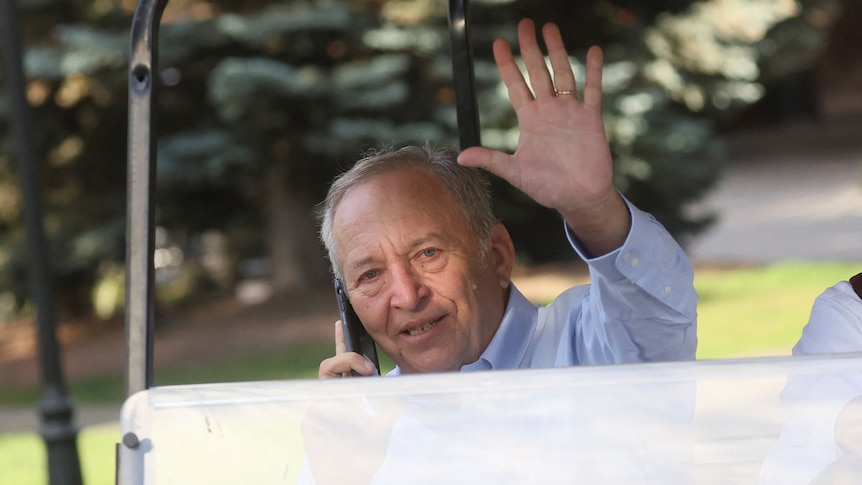
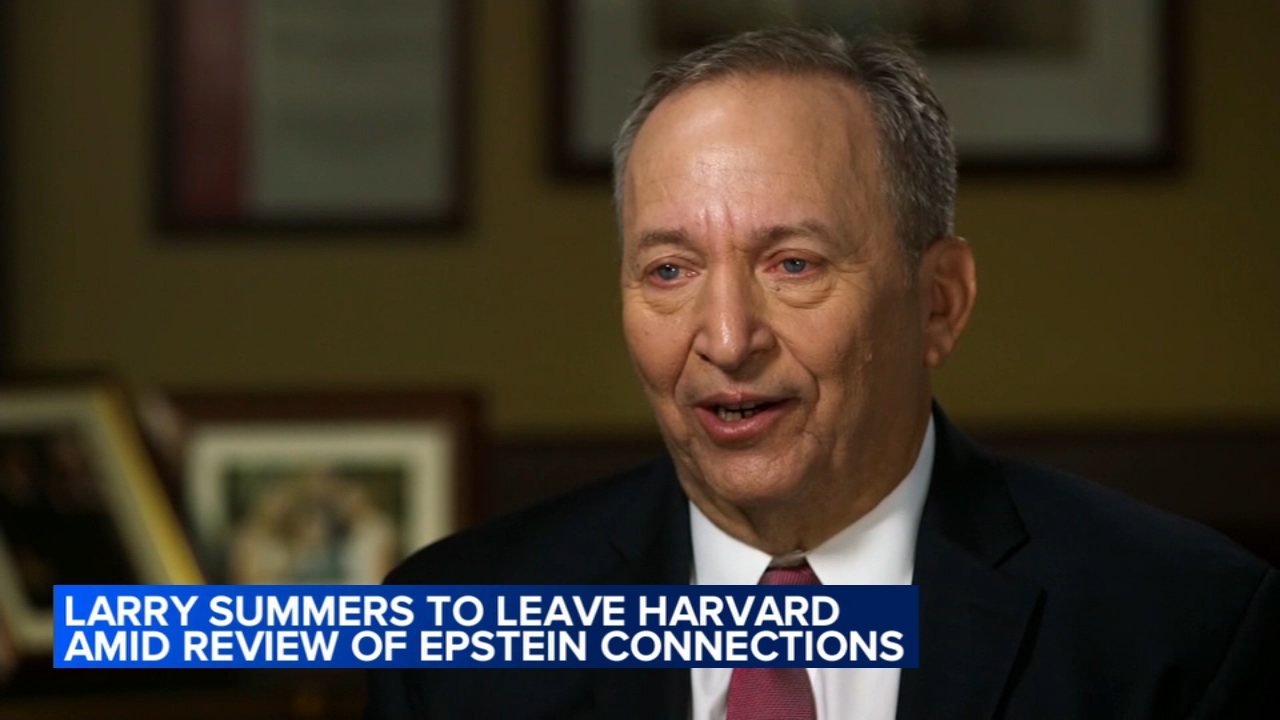
Larry Summers, a prominent economist and former U.S. Treasury Secretary, has announced his retirement from Harvard University at the end of the current academic year. This decision comes in the wake of renewed scrutiny over his association with the late convicted sex offender Jeffrey Epstein. Harvard University confirmed Summers’ resignation, marking the end of a significant chapter in his long-standing academic career.
Summers has been a key figure at Harvard for over five decades, initially joining as a graduate student and later serving as the university’s president from 2001 to 2006. His resignation follows the public release of messages exchanged between him and Epstein, which raised questions about the nature of their relationship. Although Summers has not been accused of any illegal activity, the controversy surrounding Epstein has cast a shadow over his remaining roles at the institution.
Background: Larry Summers’ Career and Epstein Ties
Larry Summers is widely recognized for his influential roles in both academia and government. Before his tenure as Harvard’s president, he served as the U.S. Treasury Secretary under President Bill Clinton from 1999 to 2001. Later, he was appointed director of the National Economic Council during the Obama administration from 2009 to 2011. At Harvard, he held the prestigious Charles W. Eliot University Professorship and co-directed the Mossavar-Rahmani Center for Business and Government at the Kennedy School.
The controversy began when dozens of emails between Summers and Epstein were released by the House Oversight Committee in November. These communications revealed that Summers maintained contact with Epstein even after Epstein’s 2008 guilty plea on prostitution charges in Florida, and before his 2019 arrest on federal sex trafficking charges. Epstein’s death by suicide in a New York federal jail in 2019 did not halt investigations, as the Justice Department has since released millions of documents related to his case.
While Summers has not been implicated in any wrongdoing, the association with Epstein has led to significant professional consequences. In addition to stepping down from Harvard, Summers resigned from the board of OpenAI and relinquished other roles at prominent organizations such as Bloomberg News, The New York Times, and the Center for American Progress.
Implications for Harvard University and Summers’ Future
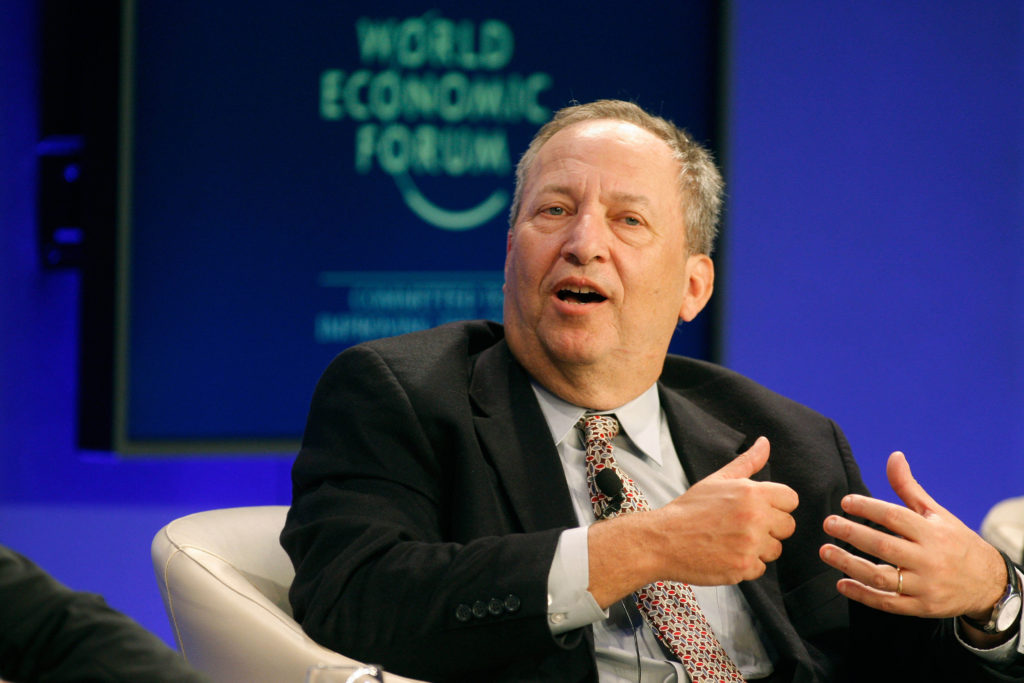
Harvard University’s announcement of Summers’ retirement highlights the institution’s sensitivity to the Epstein scandal and its impact on affiliated individuals. Summers’ departure marks the end of an era for Harvard, where he was considered one of the most distinguished professors. The university spokesperson confirmed that Summers will remain on leave until the academic year concludes, after which he will officially retire.
In his statement, Summers expressed gratitude for his decades-long association with Harvard, acknowledging the privilege of teaching and working alongside thousands of students and colleagues. He also indicated his intention to continue contributing to economic research and commentary as a retired professor and President Emeritus, free from formal administrative responsibilities.
The Epstein scandal has had far-reaching effects beyond Harvard. In the United Kingdom, the release of related documents has led to the arrest of high-profile figures, including former Prince Andrew and former ambassador Peter Mandelson, both facing allegations linked to Epstein’s misconduct. These developments underscore the global ramifications of Epstein’s criminal activities and the widespread scrutiny of those connected to him.
What This Means for Academic and Public Figures

Larry Summers’ resignation serves as a cautionary tale for public and academic figures regarding associations with controversial individuals. Even without direct allegations of wrongdoing, the perception of impropriety can lead to significant professional consequences. Institutions like Harvard are increasingly vigilant about maintaining their reputations and ethical standards, especially in light of high-profile scandals.
For Summers, the decision to retire may allow him to focus on research and analysis without the pressures of public office or administrative duties. However, the Epstein connection will likely remain a notable aspect of his legacy, influencing public and academic discourse for years to come.
Conclusion
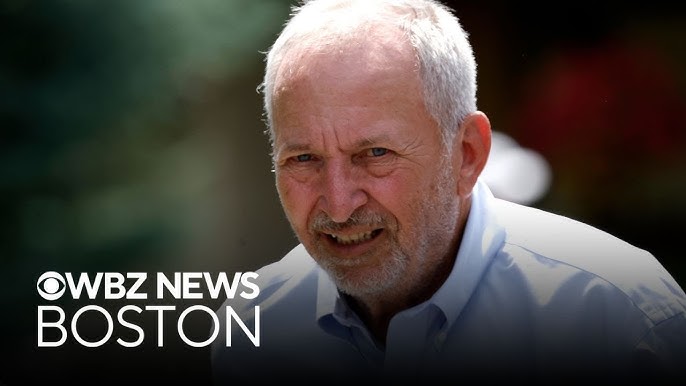
Larry Summers’ resignation from Harvard University amid his ties to Jeffrey Epstein marks a significant moment in both his career and the broader conversation about accountability in academia and public life. While Summers has not been accused of any criminal conduct, the controversy surrounding Epstein has undeniably affected his professional standing. As Harvard moves forward, the institution and its community will continue to grapple with the implications of these revelations.
If you want to stay informed about the latest developments in academic leadership and high-profile controversies, subscribe to our newsletter for timely updates and expert analysis.