
Food Network’s Anne Burrell Was Not Given Narcan to Try to Save Her, Police Reveal
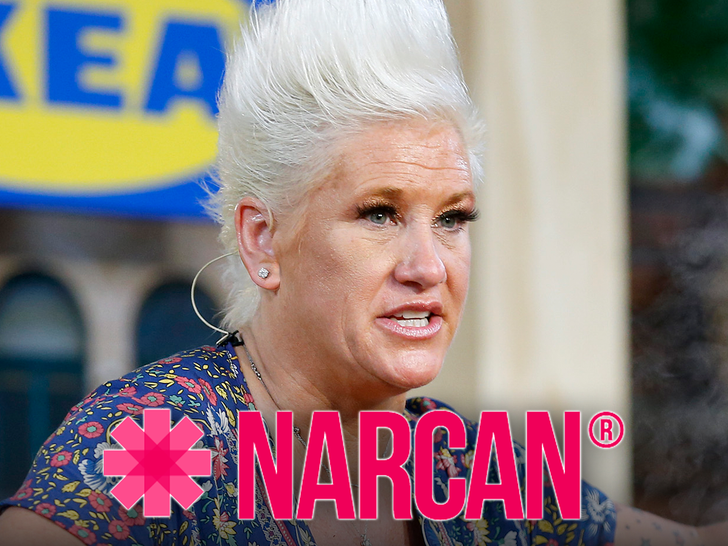
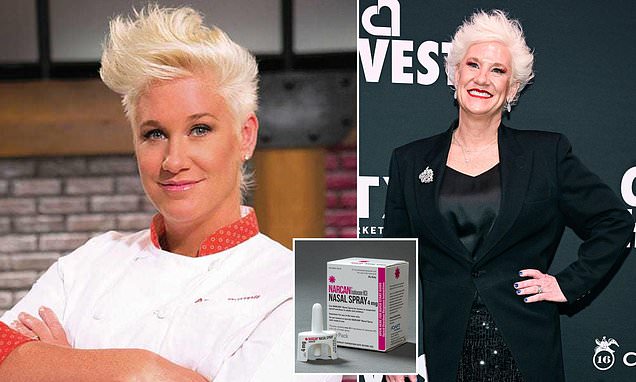
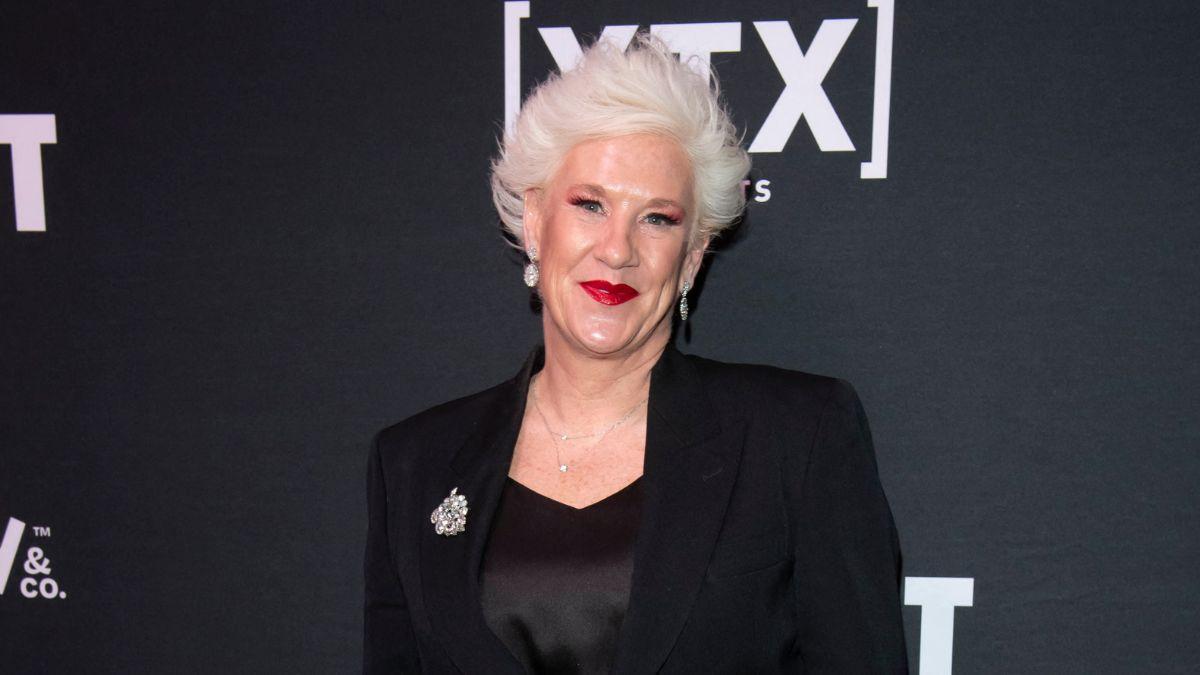
Food Network star Anne Burrell’s sudden and tragic death in June 2025 shocked fans and the culinary community alike. Recent police reports have disclosed that when first responders arrived at Burrell’s Brooklyn home, she was found lifeless and was not administered Narcan, the overdose-reversing drug that could have potentially saved her. This revelation has raised questions about the circumstances surrounding her death and the critical role of Narcan in emergency overdose treatment. In this article, we explore the details of Anne Burrell’s passing, the significance of Narcan in overdose cases, and what the investigation uncovered about the Food Network personality’s final moments.
Why Anne Burrell Was Not Given Narcan at the Scene
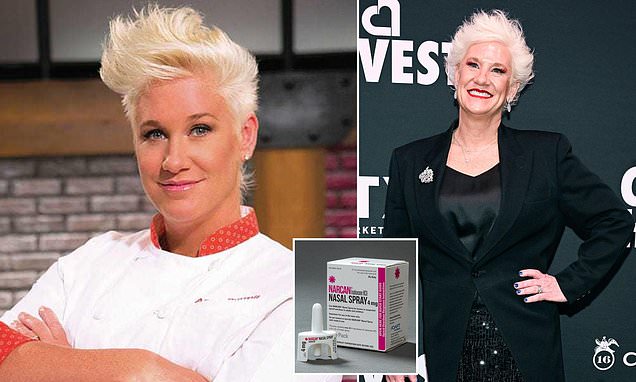
On the morning of June 17, 2025, Anne Burrell’s husband, Stuart Claxton, discovered her unresponsive in the shower of their Brooklyn residence. Emergency medical personnel arrived shortly after and pronounced her dead around 8 a.m. According to a police report obtained by TMZ, paramedics did not administer Narcan, also known by its generic name naloxone, because they determined that Burrell was beyond help at the time of their arrival.
Narcan is widely recognized for its ability to rapidly reverse opioid overdoses by blocking the effects of opioids on the brain. It has also been known to mitigate some symptoms related to amphetamine overdoses, though its primary use remains opioid-related emergencies. The decision not to use Narcan in Burrell’s case was based on the paramedics’ assessment that the overdose was too advanced for intervention.
Further investigation revealed that a bowl containing a mixture of over-the-counter medications was found near Burrell’s body. The New York City medical examiner later ruled her death a suicide, attributing it to acute intoxication from a combination of amphetamine, ethanol (alcohol), and antihistamines such as diphenhydramine and cetirizine. This complex combination of substances likely contributed to the severity of her condition and complicated the emergency response.
The Investigation and Evidence Found at the Scene
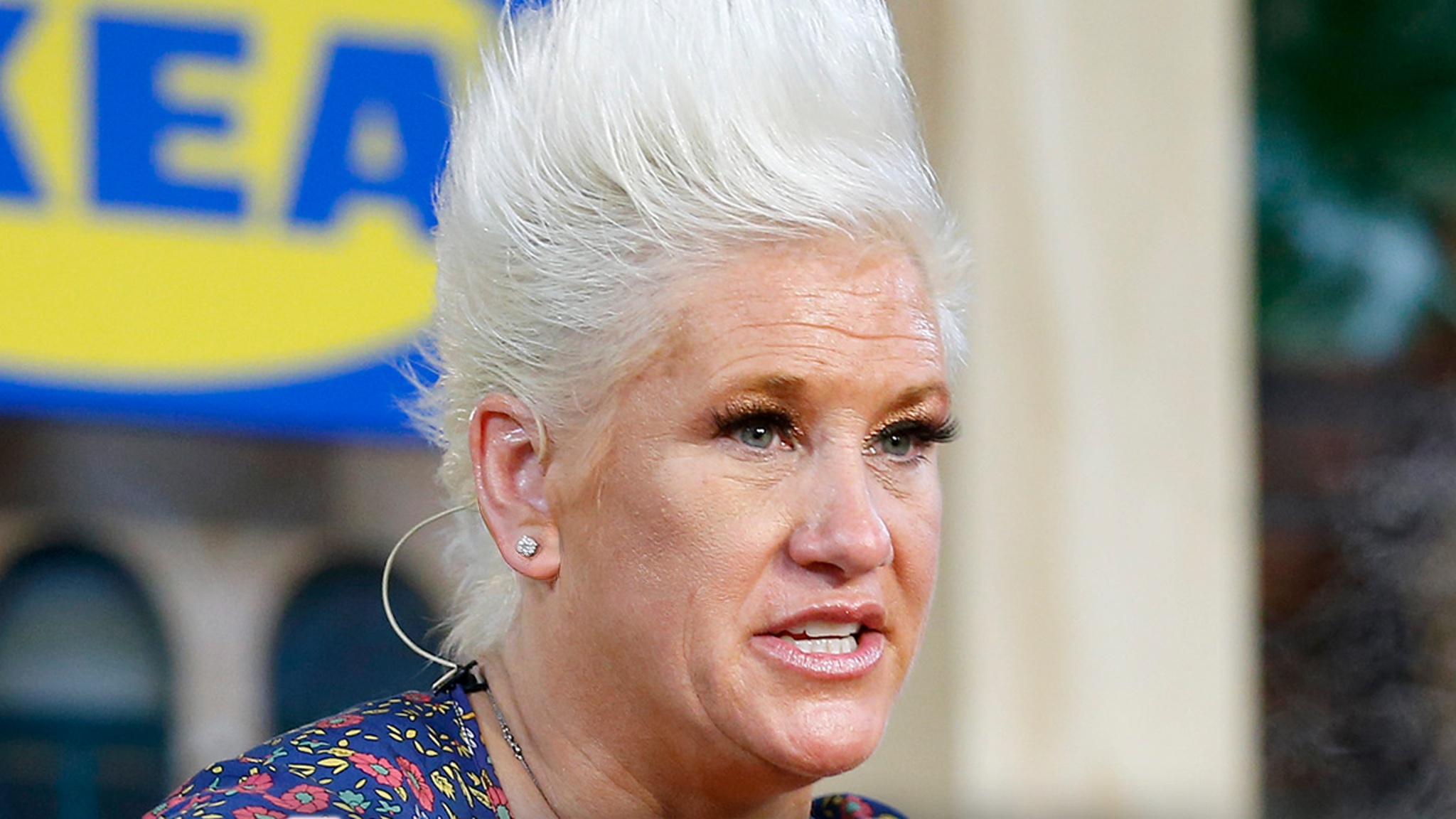
Following the tragic discovery, law enforcement officials conducted a thorough investigation into the circumstances of Anne Burrell’s death. Investigators found what appeared to be a “suicidal note” along with troubling journal entries in the late chef’s bedroom. These writings suggested that Burrell had been struggling with personal issues prior to her death.
The presence of multiple substances in her system, combined with the note and journal entries, led authorities to conclude that her death was intentional. The medical examiner’s report highlighted the acute intoxication caused by the mixture of drugs and alcohol, which ultimately proved fatal.
This heartbreaking revelation has sparked conversations about mental health awareness, substance abuse, and the importance of timely intervention in overdose situations. It also underscores the limitations of emergency treatments like Narcan when an overdose involves multiple substances or is discovered too late.
The Role of Narcan in Overdose Emergencies

Narcan (naloxone) is a life-saving medication designed to rapidly reverse opioid overdoses by binding to opioid receptors in the brain, effectively blocking the effects of opioids such as heroin, fentanyl, and prescription painkillers. It can restore normal breathing in a person whose breathing has slowed or stopped due to opioid use.
While Narcan is highly effective for opioid overdoses, its ability to counteract overdoses involving other substances, such as amphetamines or alcohol, is limited. In cases where multiple drugs are involved, emergency responders must assess the situation carefully to determine the best course of action.
The case of Anne Burrell highlights the critical importance of early detection and intervention in overdose situations. When Narcan is administered promptly, it can save lives. However, if an overdose is discovered too late or involves a complex mix of substances, the chances of successful reversal decrease significantly.
Increasing Awareness and Access to Narcan
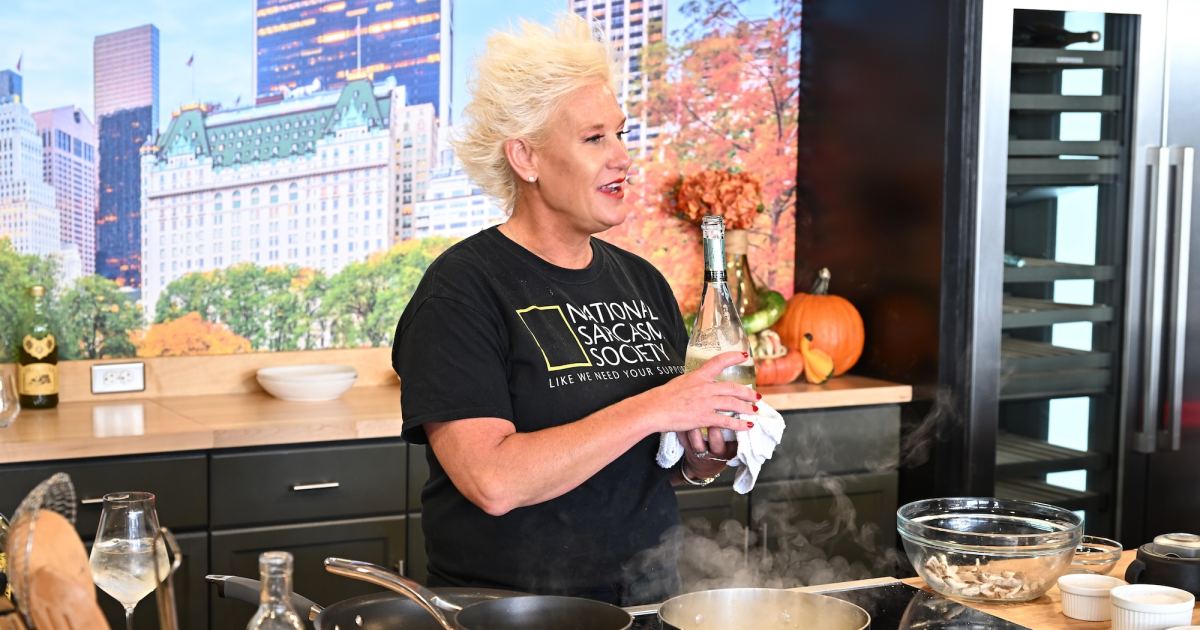
In recent years, public health campaigns have focused on increasing awareness of Narcan and expanding access to the drug. Many states have implemented programs that allow individuals to obtain Narcan without a prescription, and training sessions are offered to teach people how to recognize overdose symptoms and administer the medication.
Despite these efforts, tragedies like Anne Burrell’s death remind us that Narcan is not a cure-all. Comprehensive approaches to mental health support, substance abuse treatment, and emergency response protocols are essential to prevent overdose deaths.
Conclusion
The revelation that Food Network’s Anne Burrell was not given Narcan during the emergency response to her overdose sheds light on the complexities of overdose treatment and the limitations of life-saving interventions when an overdose involves multiple substances. Her tragic passing serves as a somber reminder of the importance of mental health awareness, timely emergency care, and the critical role Narcan plays in saving lives.
If you or someone you know is struggling with substance abuse or mental health challenges, don’t hesitate to seek help. Early intervention can make all the difference. Reach out to local support groups, healthcare professionals, or emergency services to get the assistance needed. Together, we can work towards preventing more heartbreaking losses like Anne Burrell’s.