
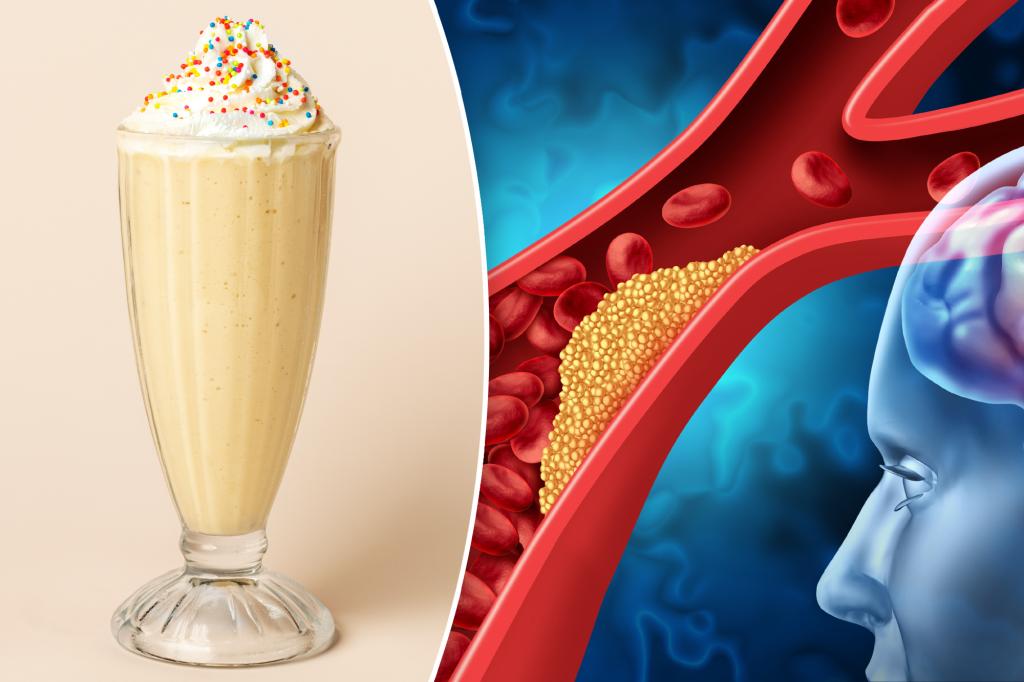
Eye-popping new study reveals how just one milkshake can harm your health: ‘Brain bomb’
How One Milkshake Can Impact Your Brain Health

Recent groundbreaking research has unveiled alarming evidence that consuming just one milkshake high in saturated fat can significantly harm your brain health. This indulgent treat, nicknamed the “brain bomb,” contains heavy whipping cream and packs an astonishing 1,362 calories and 130 grams of fat. While many people enjoy milkshakes as an occasional delight, this study highlights the hidden dangers lurking in these creamy beverages, especially when it comes to brain function and cardiovascular health.
The study, conducted by researchers Chris Marley and Damian Bailey from the University of South Wales, focused on how a single high-fat meal affects blood flow to the brain. Their findings suggest that even one milkshake can stiffen blood vessel walls, impair blood flow, and increase the workload on the heart. These changes can elevate the risk of stroke and dementia, conditions that affect millions worldwide.
The Science Behind the ‘Brain Bomb’ Effect

Fat is an essential nutrient that our bodies need for energy, insulation, and organ protection. However, not all fats are created equal. Saturated fats, commonly found in heavy cream, butter, and fatty meats, have a different chemical structure than unsaturated fats and can have detrimental effects on our health when consumed in excess.
When you consume a meal high in saturated fat, blood fat levels spike, causing blood vessel walls to stiffen. This stiffness reduces the ability of blood vessels to dilate properly, which is crucial for maintaining healthy blood flow. The heart must then work harder to pump blood, and this strain can have immediate and long-term consequences.
In the study, participants aged 18 to 80 consumed the “brain bomb” milkshake, and researchers measured the function of their blood vessels before and after consumption. They discovered that the ability of blood vessels linked to heart and brain health to open was impaired in both younger and older adults. Notably, the effect was about 10% more pronounced in older participants, suggesting that aging brains are more vulnerable to the harmful effects of saturated fat.
This impairment also reduces the brain’s capacity to regulate blood pressure changes, which is vital for protecting delicate brain tissue. The researchers pointed out that high-fat meals increase free radicals—harmful molecules that damage cells—and decrease nitric oxide, a compound that relaxes blood vessels and supports oxygen and glucose transport to the brain.
Why Limiting Saturated Fat Matters

The American Heart Association (AHA) recommends limiting saturated fat intake to less than 6% of total daily calories. For someone consuming 2,000 calories per day, this translates to no more than 120 calories or roughly 13 grams of saturated fat. However, this limit is easy to exceed. For example, just one tablespoon of butter contains about 7 grams of saturated fat, and two slices of bacon add roughly 3 grams.
Replacing saturated fats with healthier polyunsaturated fats—found in foods like oily fish, walnuts, seeds, avocados, and olive oil—has been linked to a reduced risk of heart disease. These fats help maintain flexible blood vessels and support overall cardiovascular and brain health.
While the study focused on saturated fats, researchers noted that more investigation is needed to understand how meals high in polyunsaturated fats affect brain function. Additionally, the study only included male participants, leaving a crucial knowledge gap regarding how women’s brains respond to high-fat meals. This is particularly important since women face a higher risk of stroke and dementia later in life.
Practical Tips to Protect Your Brain from ‘Brain Bomb’ Effects
Given the evidence, it’s clear that what you eat can have immediate effects on your brain and heart health. Here are some practical tips to minimize the risks associated with high-fat meals like the “brain bomb” milkshake:
- Limit Saturated Fat Intake: Keep saturated fat consumption below 6% of your daily calories by reducing butter, cream, fatty meats, and processed foods.
- Choose Healthy Fats: Incorporate polyunsaturated and monounsaturated fats into your diet through fish, nuts, seeds, avocados, and olive oil.
- Monitor Portion Sizes: Even occasional treats like milkshakes should be consumed in moderation to avoid sudden spikes in blood fat levels.
- Stay Hydrated and Active: Regular exercise and hydration help maintain healthy blood vessels and support overall brain function.
- Consult Healthcare Providers: If you have risk factors for heart disease or cognitive decline, seek personalized advice on diet and lifestyle.
Conclusion

This eye-opening study reveals that even a single high-fat milkshake—the so-called “brain bomb”—can impair blood flow to the brain and increase the risk of serious health issues like stroke and dementia. The findings underscore the importance of making mindful dietary choices every day to protect your brain and heart health. By limiting saturated fat intake and opting for healthier fats, you can help maintain flexible blood vessels and support optimal brain function.
Don’t wait until it’s too late—start making smarter nutrition choices today to safeguard your brain health for the future. For more expert tips on healthy eating and brain wellness, subscribe to our newsletter and stay informed!