
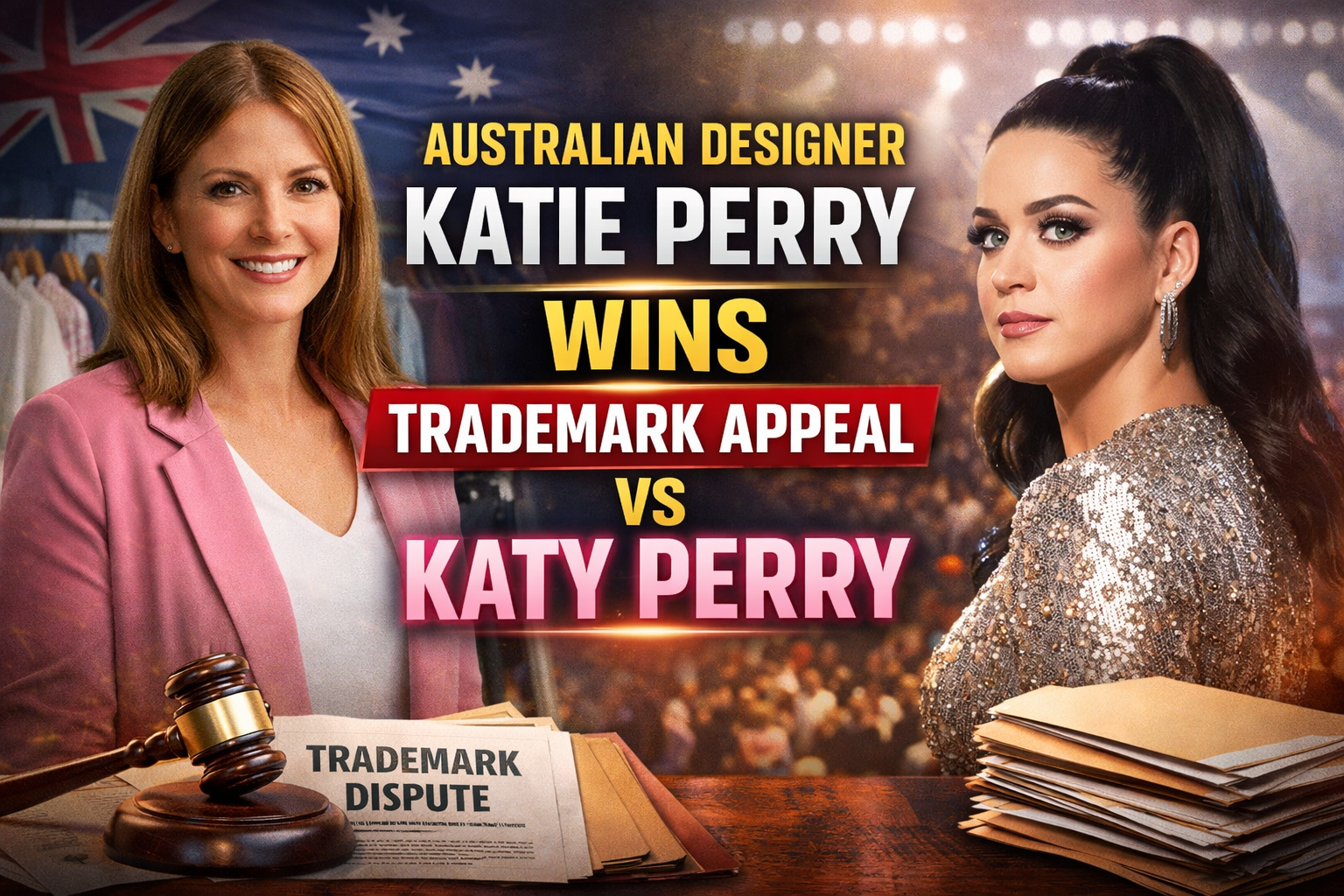
Australian Designer Katie Perry Wins Trademark Appeal Against Pop Star Katy Perry
Katie Perry’s Trademark Victory: A Landmark Decision in Australia

In a significant legal ruling, Australian fashion designer Katie Perry has emerged victorious in her trademark appeal against internationally renowned pop singer Katy Perry. This decision by the High Court of Australia marks a pivotal moment in trademark law, particularly for small businesses striving to protect their brand identity against larger, more powerful entities.
The dispute, which has spanned several years, centers around the use of the name “Katie Perry” in the Australian market. While the US singer Katy Perry is a household name worldwide, the Australian designer has built her own reputable clothing brand under her birth name, Katie Perry. The court’s ruling confirms that the two brands operate in distinct spheres and that the designer’s use of her own name does not infringe upon the singer’s trademark rights.
The Background of the Trademark Dispute
The origins of this legal battle date back to 2007 when Australian designer Katie Perry registered her business name and applied for a trademark for her clothing label. She began selling her fashion products locally, establishing a presence through markets, a dedicated website, and social media platforms. At this time, Perry was unaware of the US singer Katy Perry, who rose to fame shortly after with hits like “I Kissed A Girl.”
In 2009, the singer’s legal team approached the designer, requesting that she cease using the name “Katie Perry” for her brand and signaling intentions to challenge her trademark application. However, these initial legal actions were dropped, allowing the designer to continue operating under her name.
The conflict reignited in 2023 when the designer successfully sued the singer for trademark infringement, following the sale of Katy Perry-branded merchandise during the singer’s 2014 Australian tour. The court initially ruled in favor of the designer, recognizing her rights to the trademark. However, this decision was overturned on appeal in 2024, with judges arguing that the singer had established her trademark use in Australia prior to the designer’s business inception.
Despite this setback, the designer persisted, taking the case to the High Court of Australia, which ultimately ruled in her favor. The court emphasized that the singer’s reputation was so well-established that consumers would not confuse the two brands, thereby allowing the designer to retain her trademark.
Implications of the High Court Ruling

This ruling holds considerable importance for trademark law in Australia, especially for small and medium-sized enterprises (SMEs). It underscores the principle that trademarks should protect businesses of all sizes and that established reputations do not automatically override the rights of smaller entities using their own names legitimately.
Katie Perry, the designer, described the legal journey as a “David and Goliath” battle, highlighting the challenges faced by small businesses when confronted with global celebrities and large corporations. The decision affirms the right of individuals to use their own names in business, provided there is no likelihood of consumer confusion.
From a broader perspective, the ruling clarifies that trademark protections are context-specific and that courts will consider factors such as the distinctiveness of the brand, the nature of the goods or services, and the likelihood of public confusion.
What This Means for Small Businesses and Trademark Law

The outcome of this case sends a strong message to entrepreneurs and small business owners about the importance of securing and defending their trademarks. It also highlights the potential complexities when personal names overlap with famous brands.
For small businesses, this ruling offers reassurance that their rights can be upheld even against well-known international figures. It encourages diligent trademark registration and proactive legal defense to protect brand identity.
Moreover, the case illustrates the necessity for large corporations and celebrities to respect existing trademarks and the rights of smaller entities operating in different markets or sectors. It promotes a fairer business environment where reputation alone does not dictate trademark ownership.
Looking Ahead: The Future of Trademark Disputes in Australia
As trademark disputes become increasingly common in a globalized economy, this High Court decision sets a precedent for future cases involving personal names and brand identity. It highlights the need for clear guidelines and careful consideration of each party’s rights and business history.
Legal experts anticipate that this ruling will influence how trademark applications and oppositions are handled, particularly when dealing with names shared by multiple parties. It may also encourage more businesses to seek legal advice early in the branding process to avoid costly disputes.
For consumers, the decision helps maintain clarity in the marketplace, reducing confusion over brand origins and ensuring that trademarks serve their intended purpose of distinguishing goods and services.
Conclusion
The High Court’s ruling in favor of Australian designer Katie Perry against pop icon Katy Perry is a landmark victory that reinforces the rights of small businesses and clarifies trademark law in Australia. This case demonstrates that even in the face of global fame, rightful trademark ownership and business identity can prevail. If you are a business owner, now is the time to review your trademark protections and ensure your brand is safeguarded. Don’t wait until a dispute arises—take action today to secure your business’s future.