Last Person to See JFK Jr. Alive Reveals Chilling Premonition About His Fatal Flight That Night
The Last Encounter: A Pilot’s Deep Concern Before JFK Jr.’s Final Flight
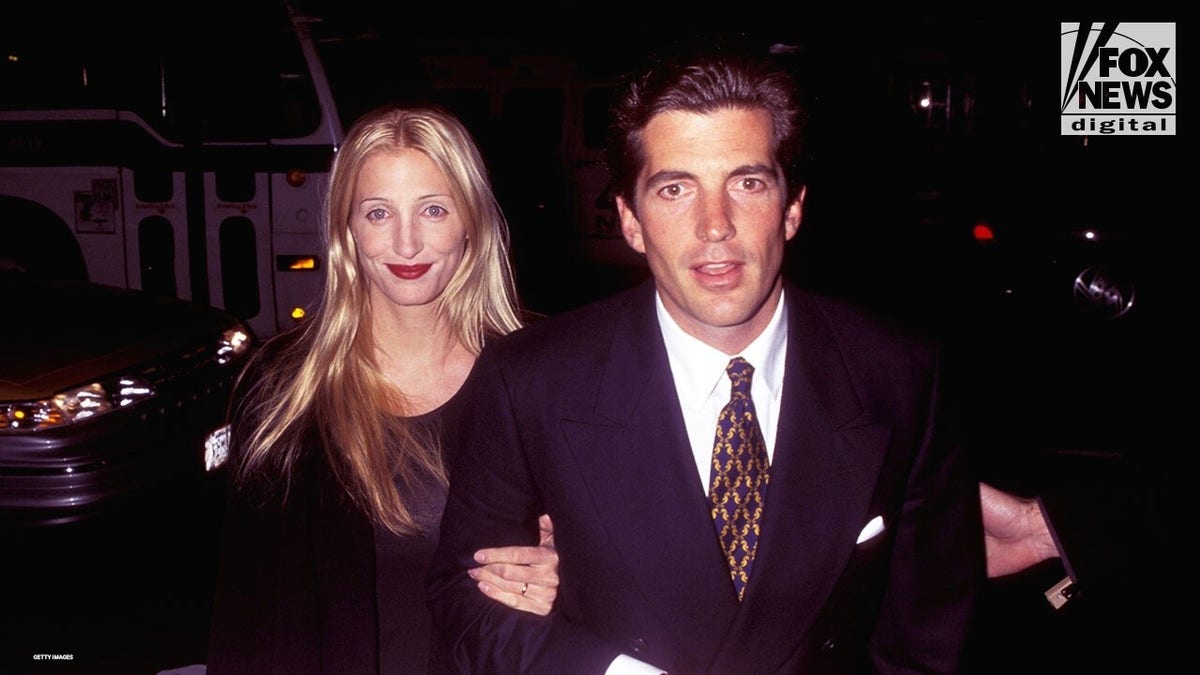
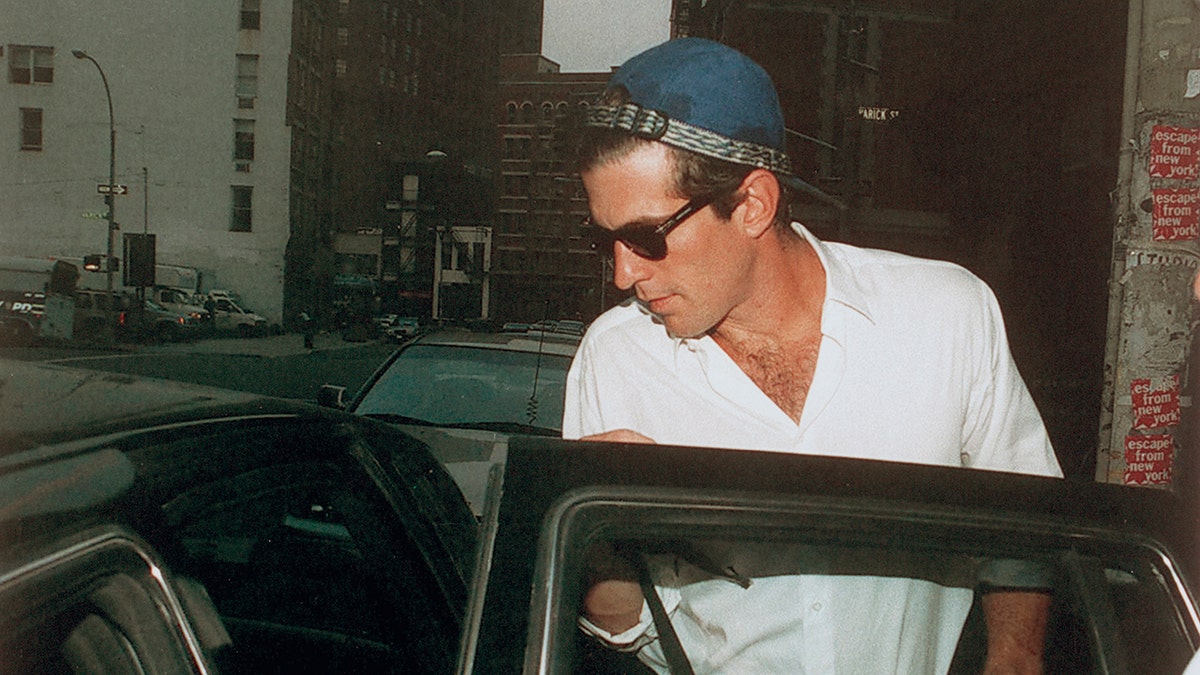
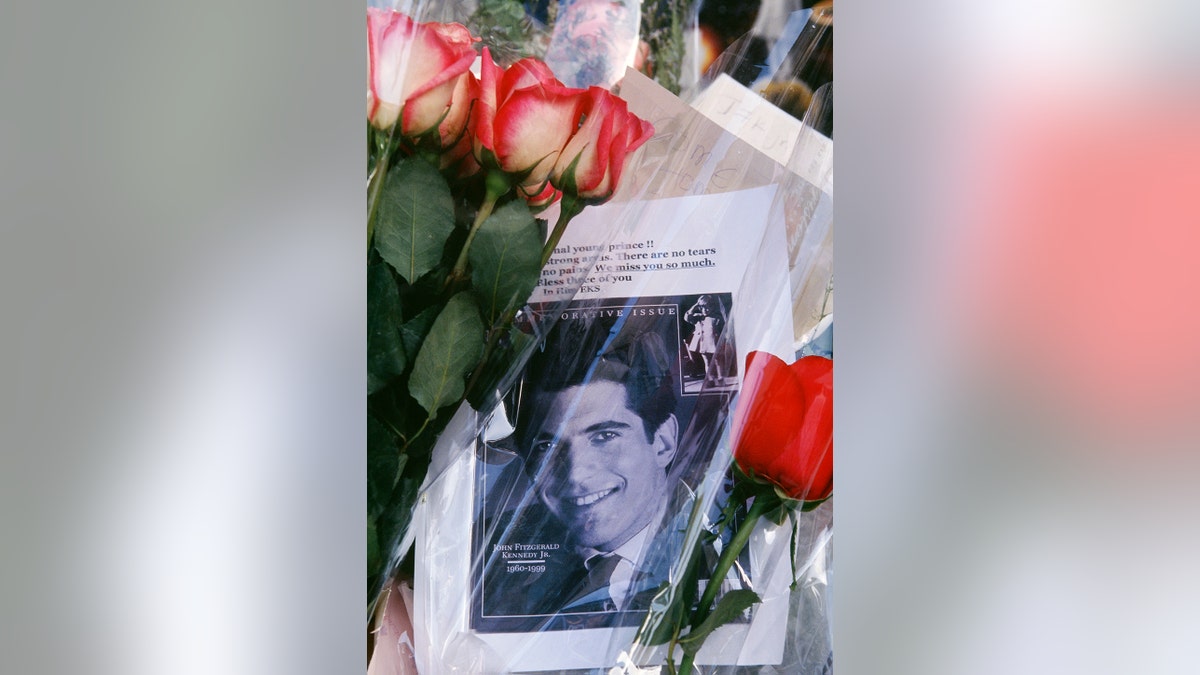
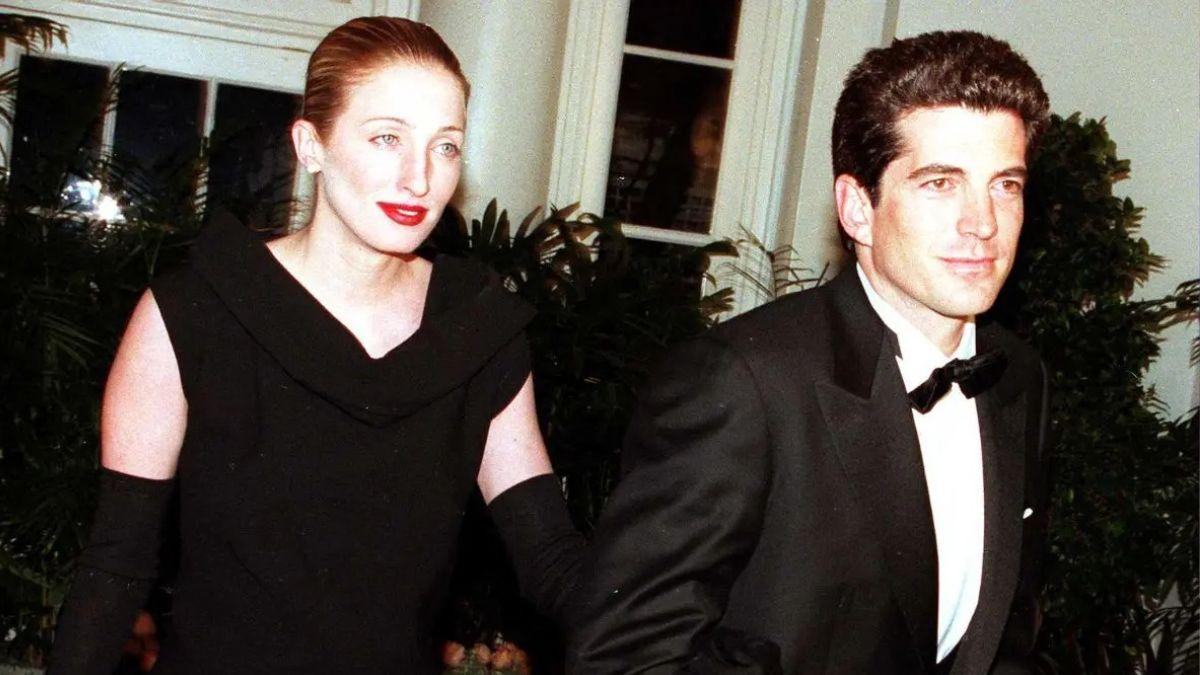
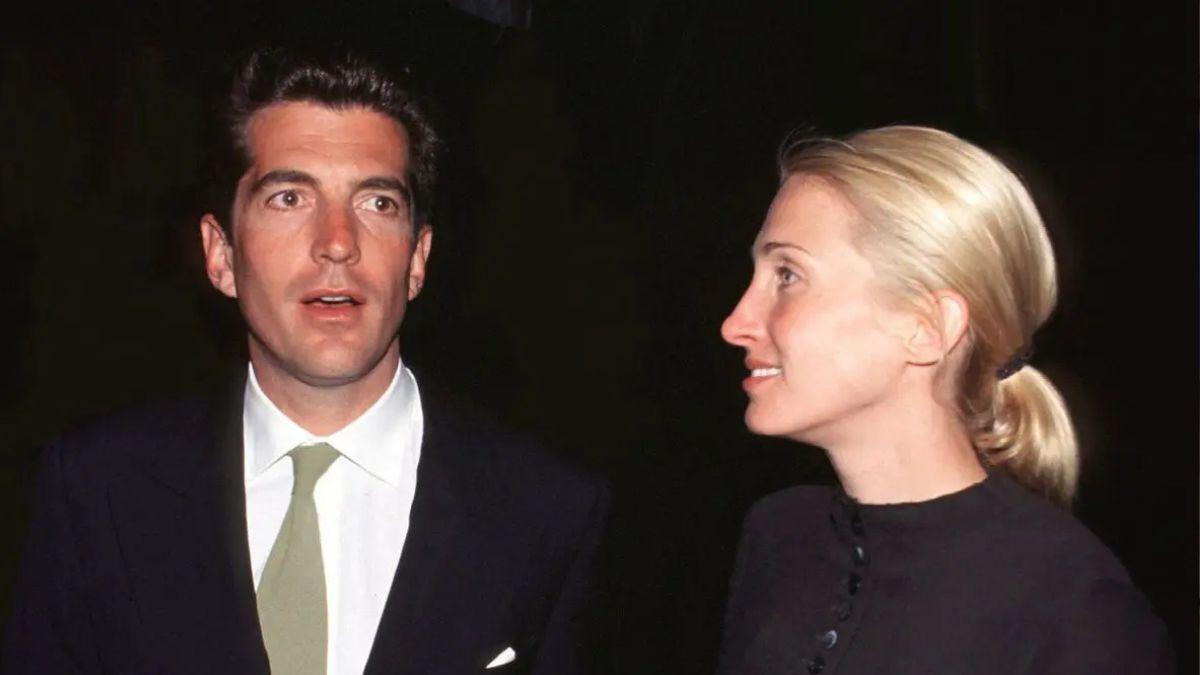
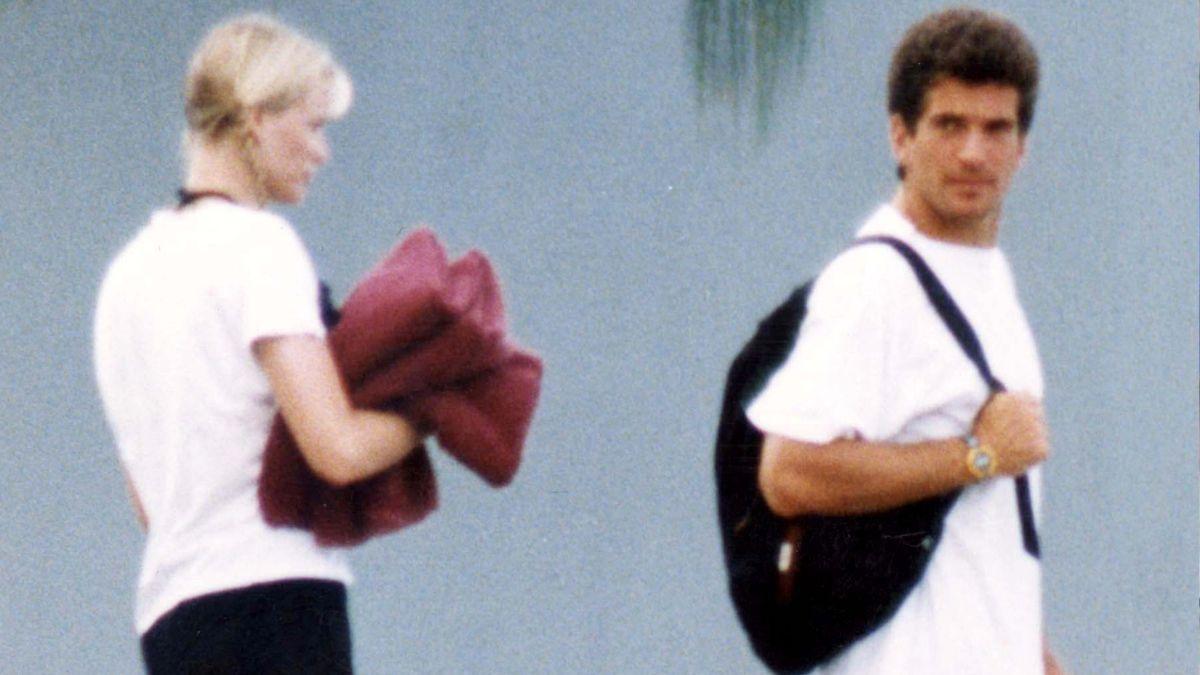
On the evening of July 16, 1999, a tragic event unfolded that would forever mark American history—the fatal crash of John F. Kennedy Jr.’s plane over the Atlantic Ocean near Martha’s Vineyard. Kyle Bailey, a licensed pilot and aviation analyst, was the last known person to see JFK Jr., his wife Carolyn Bessette Kennedy, and sister-in-law Lauren Bessette alive. Bailey’s account reveals a chilling premonition and the ominous weather conditions that foreshadowed the disaster.
Bailey had planned to fly to Martha’s Vineyard that night but ultimately canceled his trip due to deteriorating weather. He recalls the “three H’s”—hazy, hot, and humid conditions typical of a New York City July evening—which contributed to reduced visibility. Despite these challenges, JFK Jr. and his companions boarded the plane around 8:30 p.m., unaware of the dangers ahead.
Weather Conditions and Pilot Experience: A Deadly Combination
The weather that night was far from ideal for flying, especially for a pilot relying on visual flight rules (VFR). Bailey observed that the temperature and dew point were converging, signaling a high probability of ground fog forming along the coast. Such fog could drastically reduce visibility, particularly over water, where visual references are already limited.
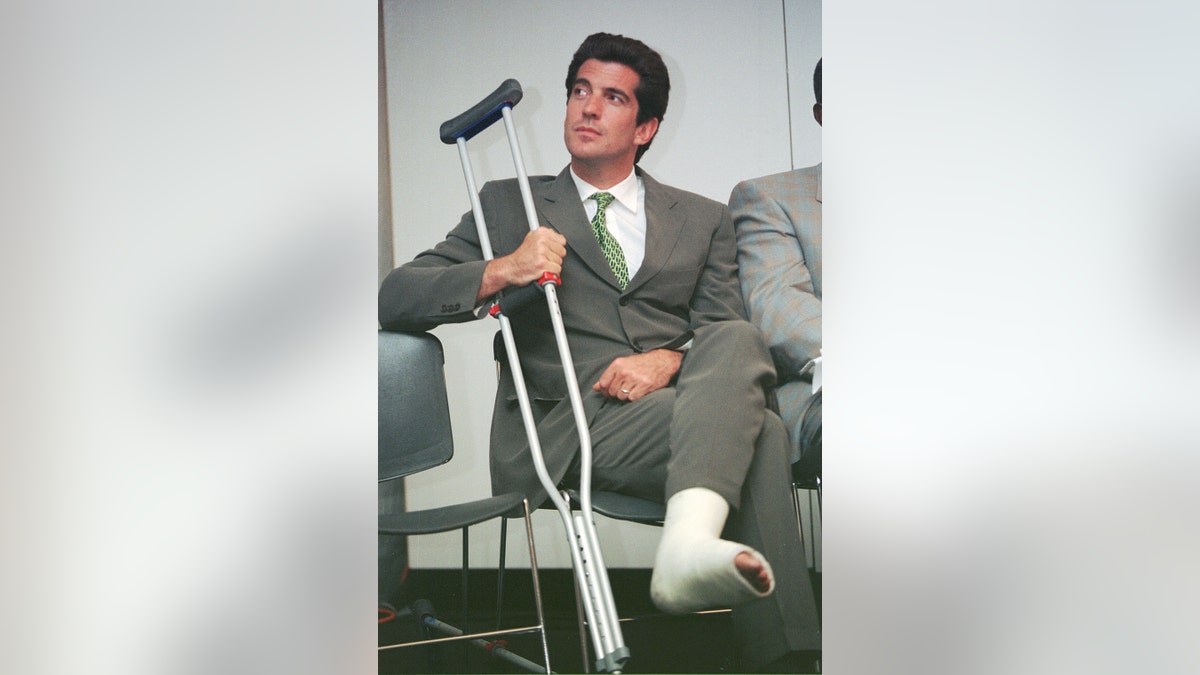
John F. Kennedy Jr. was piloting a Piper Saratoga, a complex, high-performance aircraft he had only recently acquired. Though he had approximately 300 hours of flight experience, his night flying hours in this specific plane were limited. Compounding the risk, JFK Jr. had declined to take his flight instructor along, opting to fly alone despite his ongoing instrument training.
Bailey’s concerns were rooted in his extensive aviation experience. He understood that flying at night under hazy, humid conditions without a clear horizon could lead to spatial disorientation—a dangerous state where a pilot loses the ability to correctly interpret aircraft attitude, altitude, or airspeed. This condition often results in a “graveyard spiral,” a rapid, uncontrolled descent that can be fatal.
The Fatal Flight: What Went Wrong?
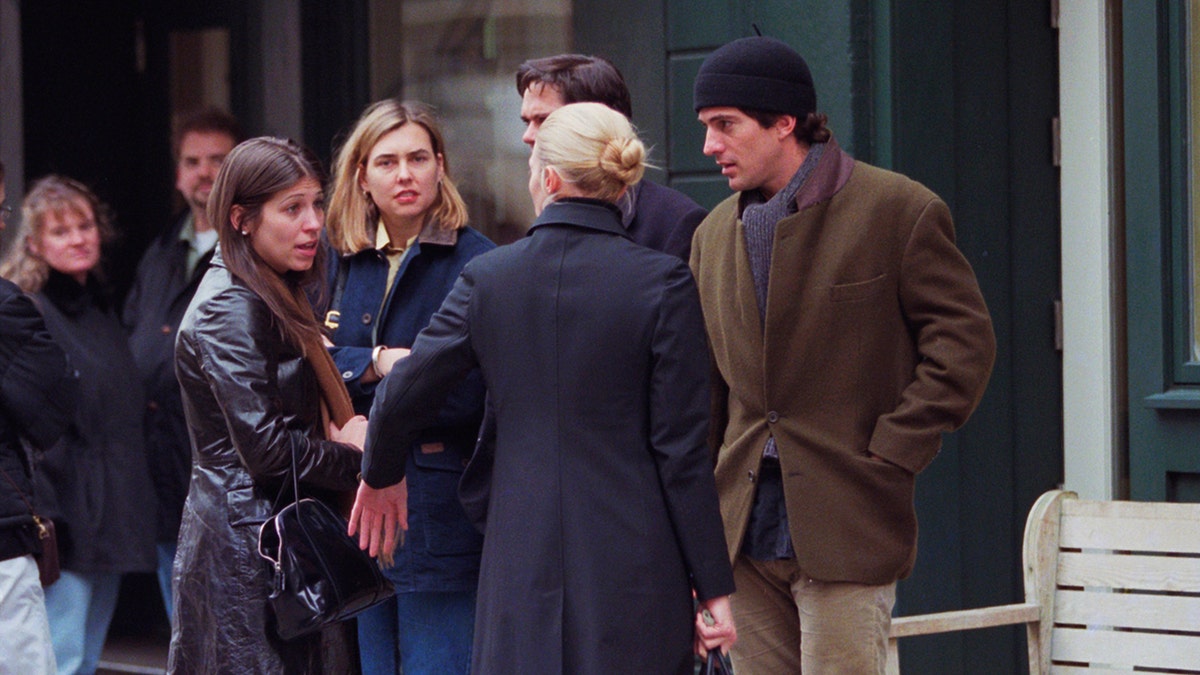
After completing pre-flight checks, JFK Jr. took off at 8:38 p.m., heading toward Martha’s Vineyard. Bailey watched the plane depart but harbored a deep unease. He later confessed, “I just saw JFK Jr. at the airport. I hope he doesn’t kill himself someday in that airplane.” This was not a literal premonition but a reflection of his concern for JFK Jr.’s safety given the conditions and the pilot’s experience.
Investigators later concluded that the probable cause of the crash was JFK Jr.’s failure to maintain control of the airplane during a nighttime descent over water, resulting from spatial disorientation. The dark, moonless night and haze were significant contributing factors.
The “graveyard spiral” likely played a role. In this scenario, a pilot unknowingly enters a tightening turn while believing the plane is flying straight, leading to a rapid descent. The instinctive reaction to pull back on the control column actually worsens the spiral, increasing G-forces and potentially causing structural failure. Tragically, JFK Jr.’s plane crashed into the ocean, killing all three occupants.
Reflecting on the Tragedy: Lessons from JFK Jr.’s Fatal Flight
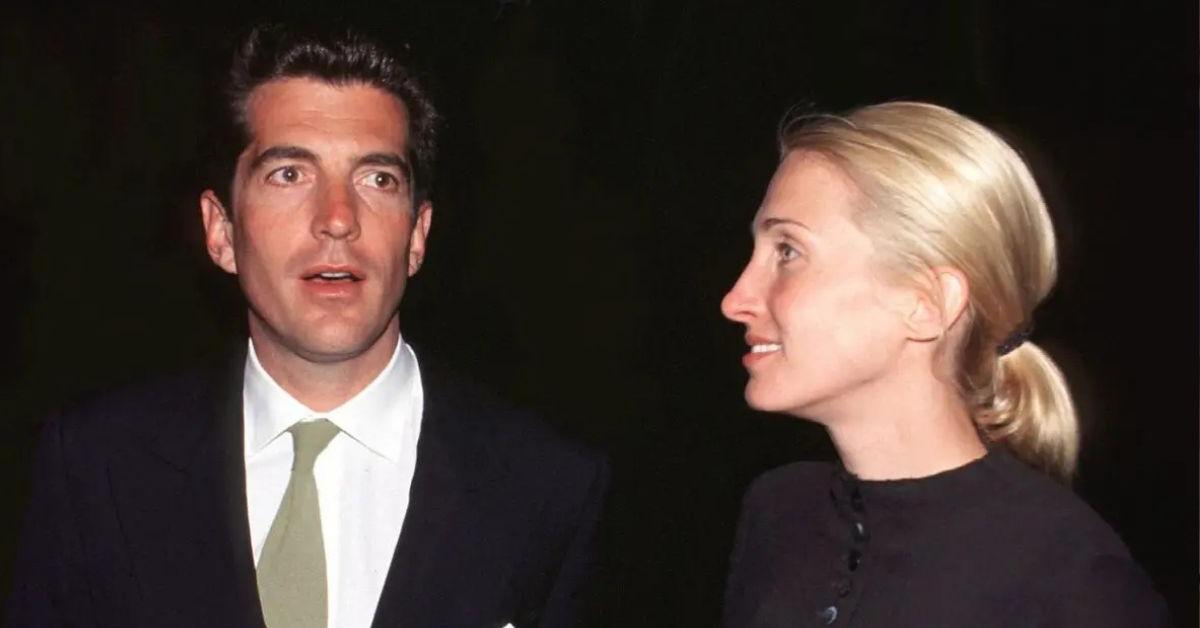
The loss of John F. Kennedy Jr., Carolyn Bessette Kennedy, and Lauren Bessette remains a somber reminder of the risks inherent in aviation, especially under challenging conditions. Kyle Bailey’s firsthand account offers invaluable insight into the factors that contributed to the tragedy.
Bailey’s decision to cancel his own flight due to weather highlights the importance of respecting environmental conditions and knowing one’s limits as a pilot. JFK Jr.’s choice to fly alone without an instructor, despite limited night experience in the aircraft, underscores the critical need for adequate training and caution.
This tragic event also emphasizes the dangers of spatial disorientation, particularly for pilots flying visually at night over water. The absence of a visible horizon can be disorienting and deadly without proper instrument training and experience.
Remembering JFK Jr. and Promoting Aviation Safety
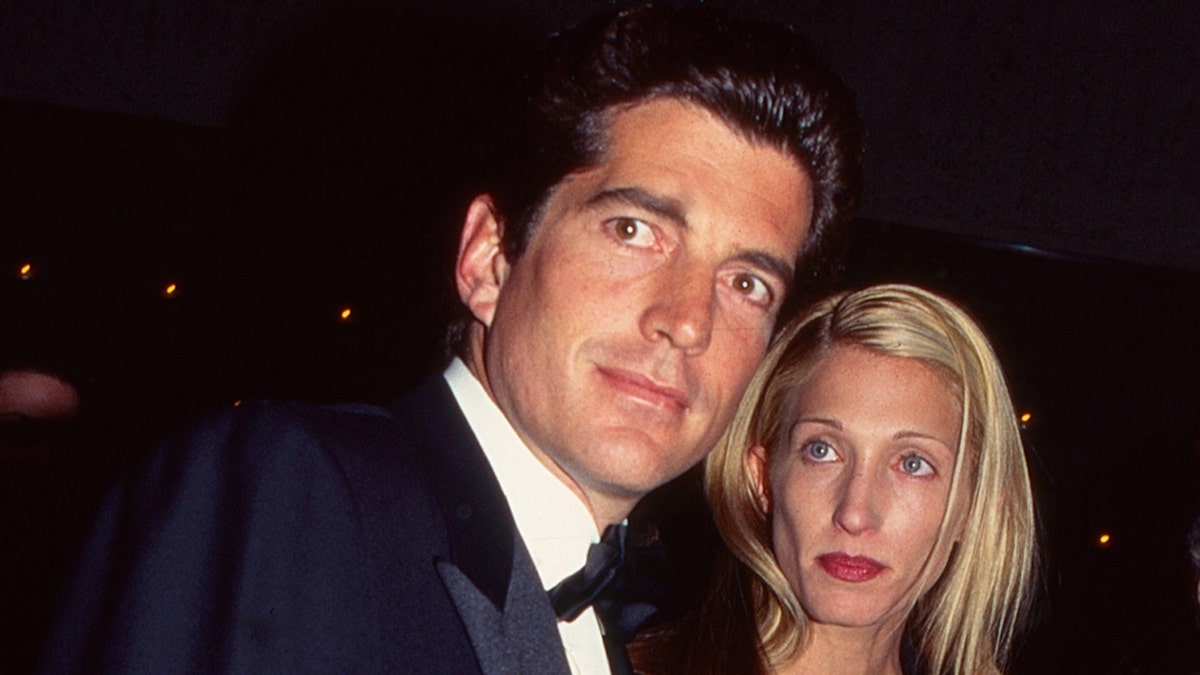
As we reflect on the fatal flight of JFK Jr., it is essential to honor his memory by promoting aviation safety awareness. Pilots must prioritize thorough preparation, heed weather warnings, and seek proper training before undertaking challenging flights.
Kyle Bailey’s book, “Witness: JFK Jr.’s Fatal Flight,” delves deeper into the circumstances surrounding the crash, offering lessons for both aviators and enthusiasts. His story serves as a cautionary tale about the unpredictable nature of flying and the importance of vigilance.
Conclusion
The chilling premonition shared by Kyle Bailey, the last person to see JFK Jr. alive, sheds light on the tragic flight that ended in disaster on July 16, 1999. Weather challenges, limited pilot experience, and the perils of spatial disorientation combined to create a fatal scenario. This story reminds us of the critical importance of safety, preparation, and respect for the elements in aviation.
If you found this article insightful, be sure to explore more stories about aviation safety and historical flights. Stay informed, stay safe, and always prioritize knowledge when taking to the skies.