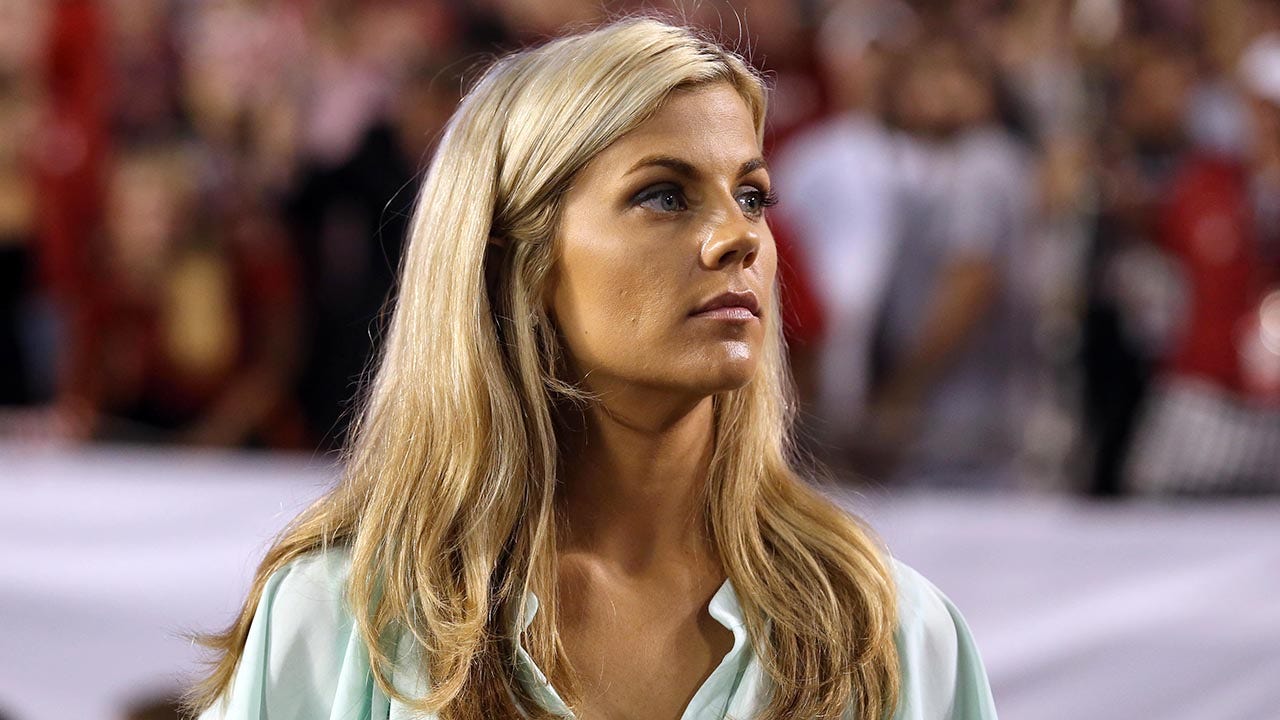
Ex-ESPN Host Reveals the ‘Real Problem’ in US After Getting ‘Vicious’ Messages Following Charlie Kirk’s Death
Former ESPN host Samantha Ponder recently opened up about the harsh backlash she faced on social media after expressing her condolences for Charlie Kirk’s tragic death. Her experience sheds light on a deeper societal issue that goes beyond politics and personal opinions. In this article, we explore Ponder’s revelations about the toxic environment on social media and the broader implications for the United States.
The Social Media Backlash: What Samantha Ponder Experienced
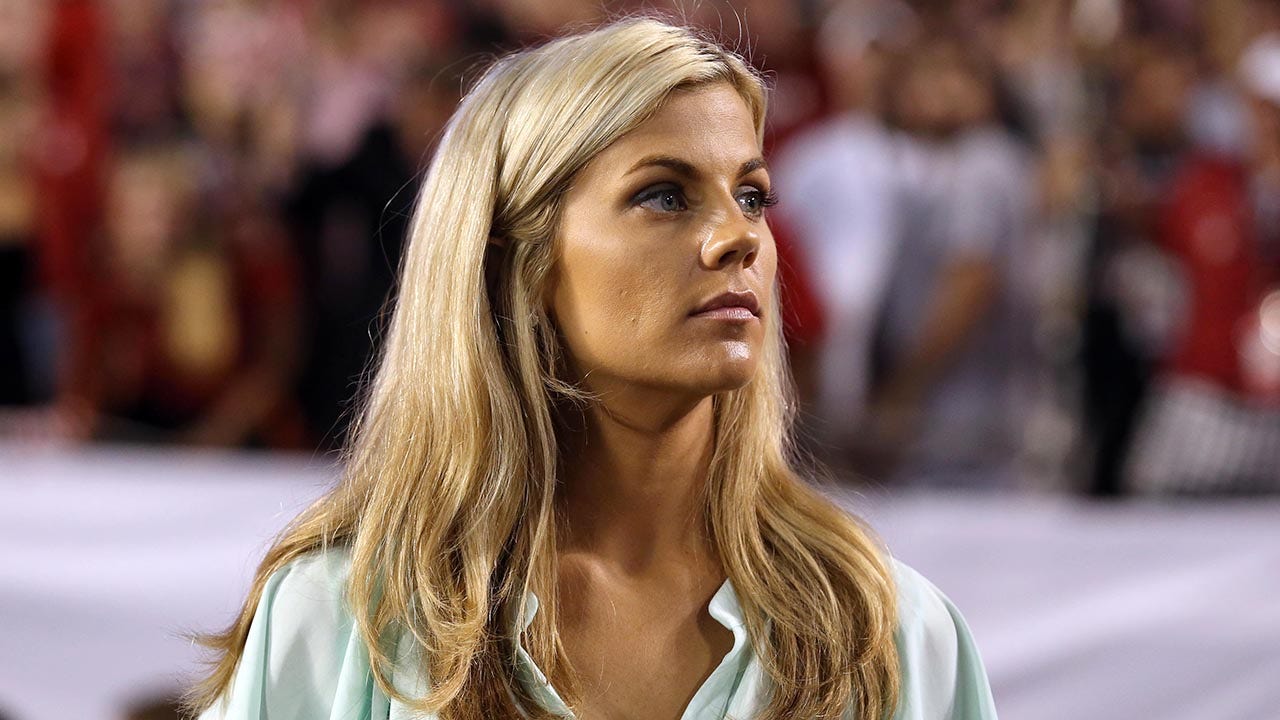
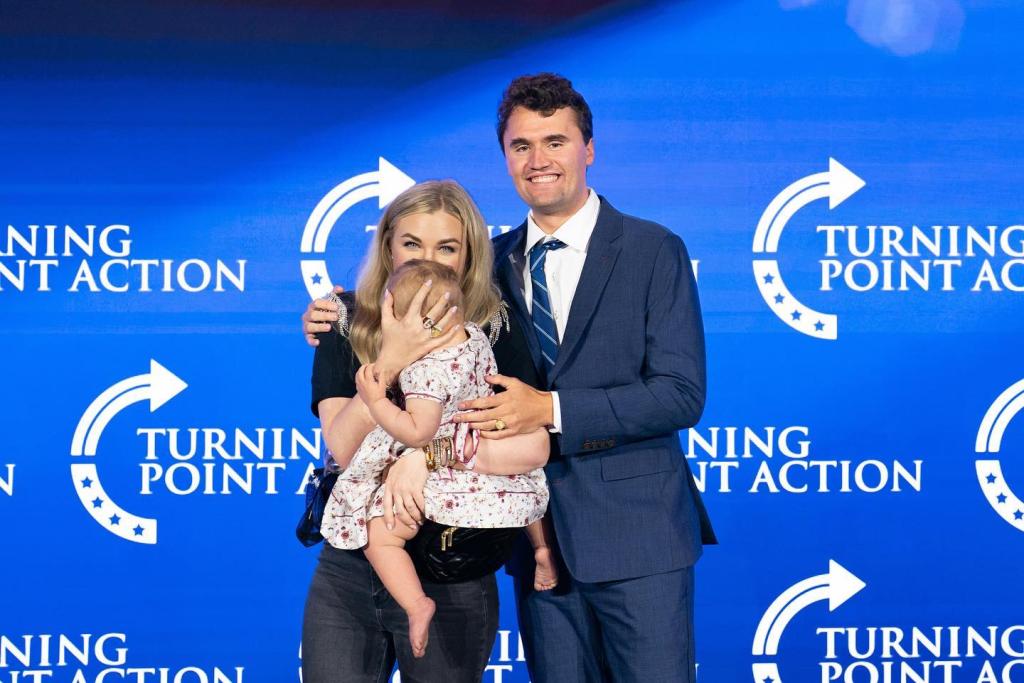
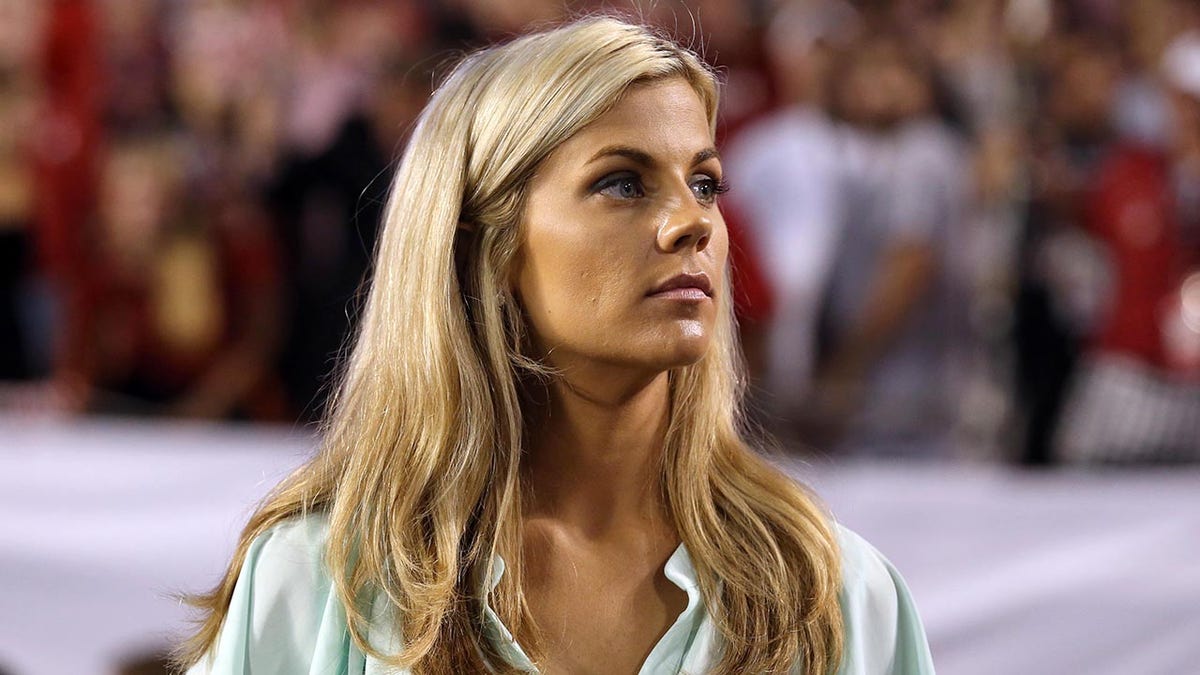
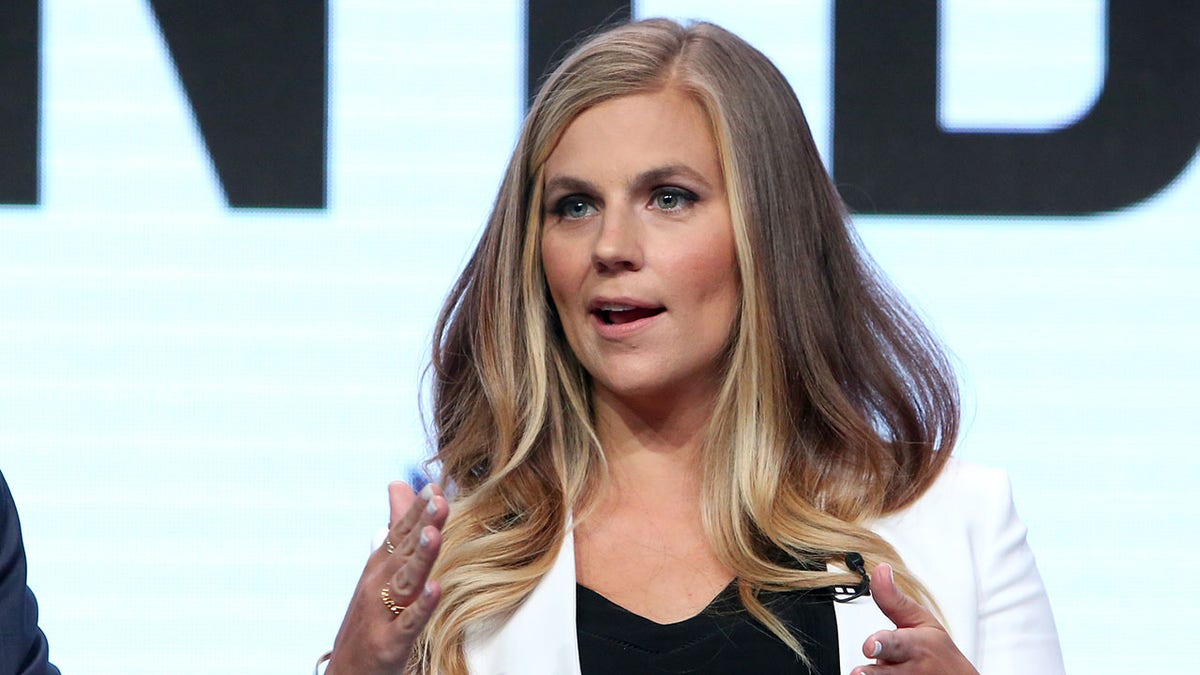
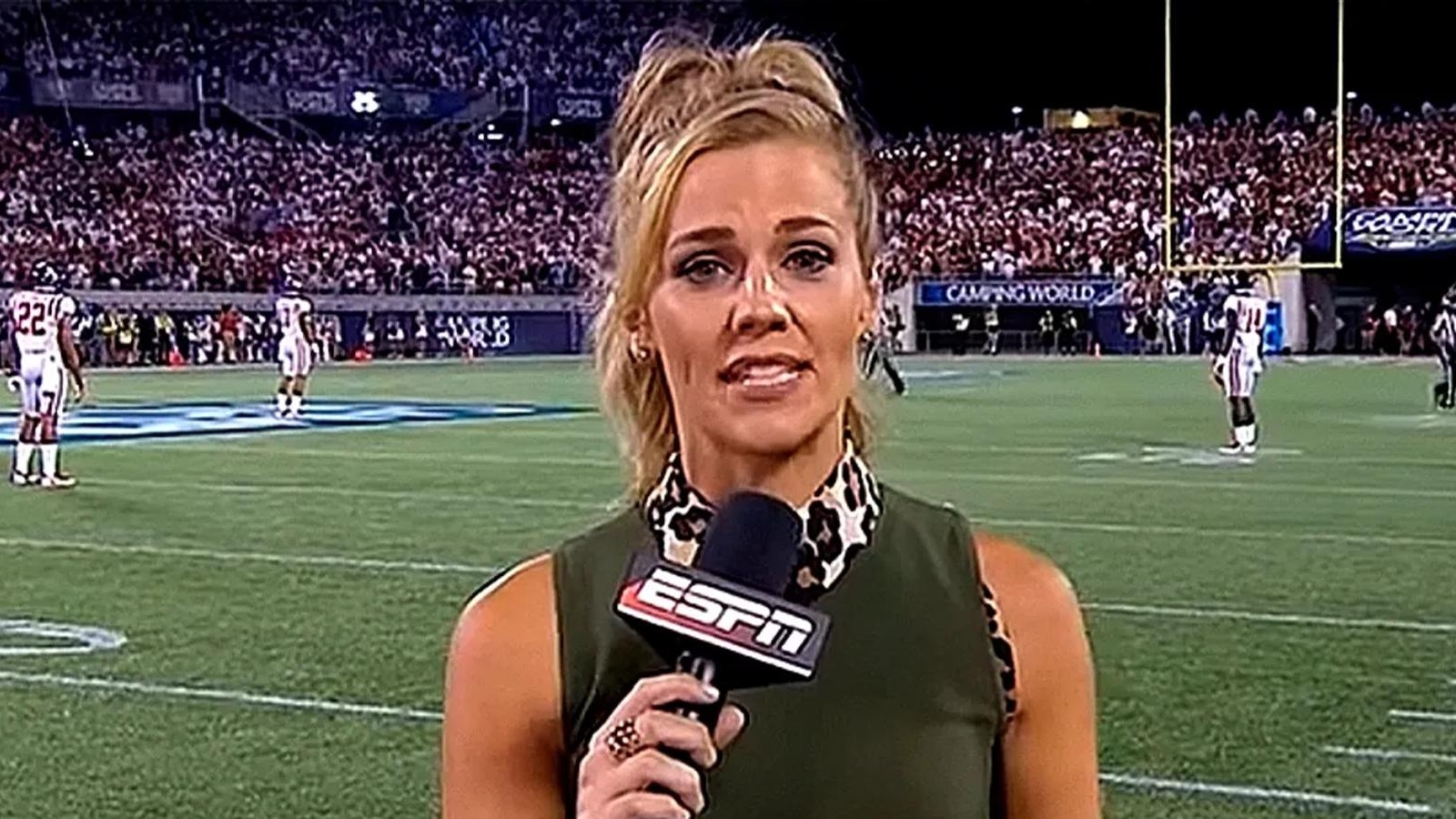
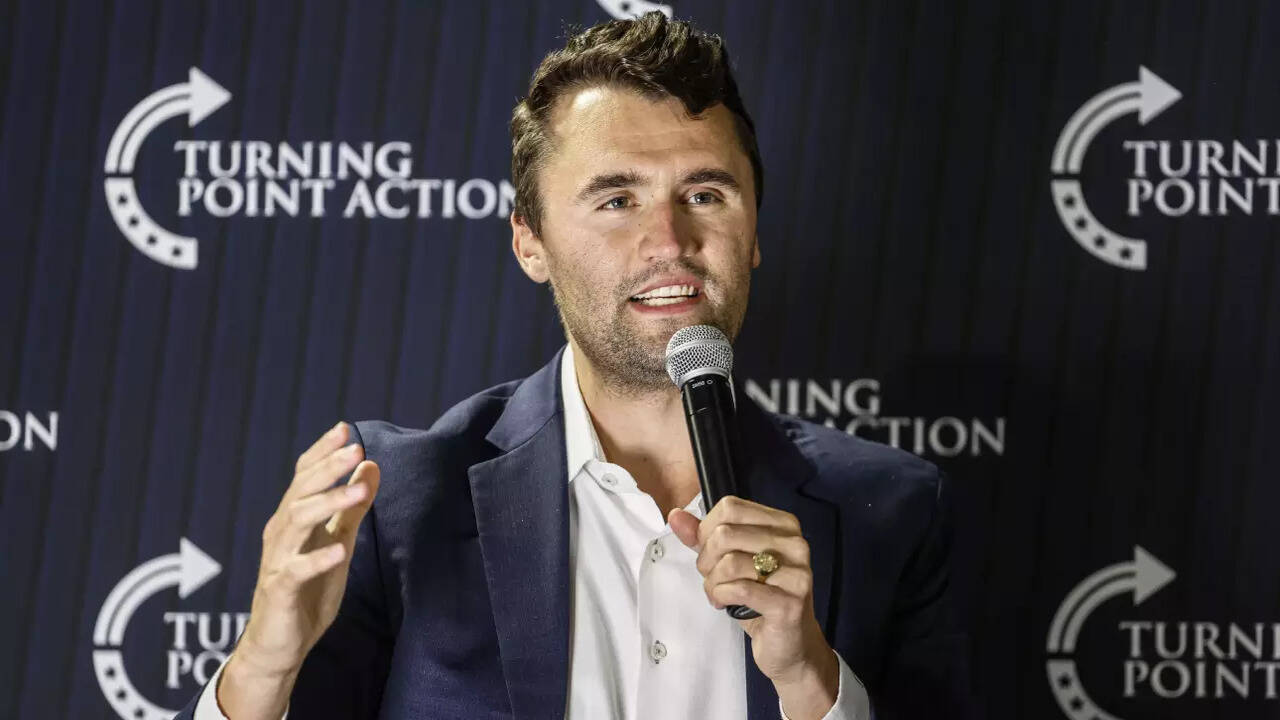
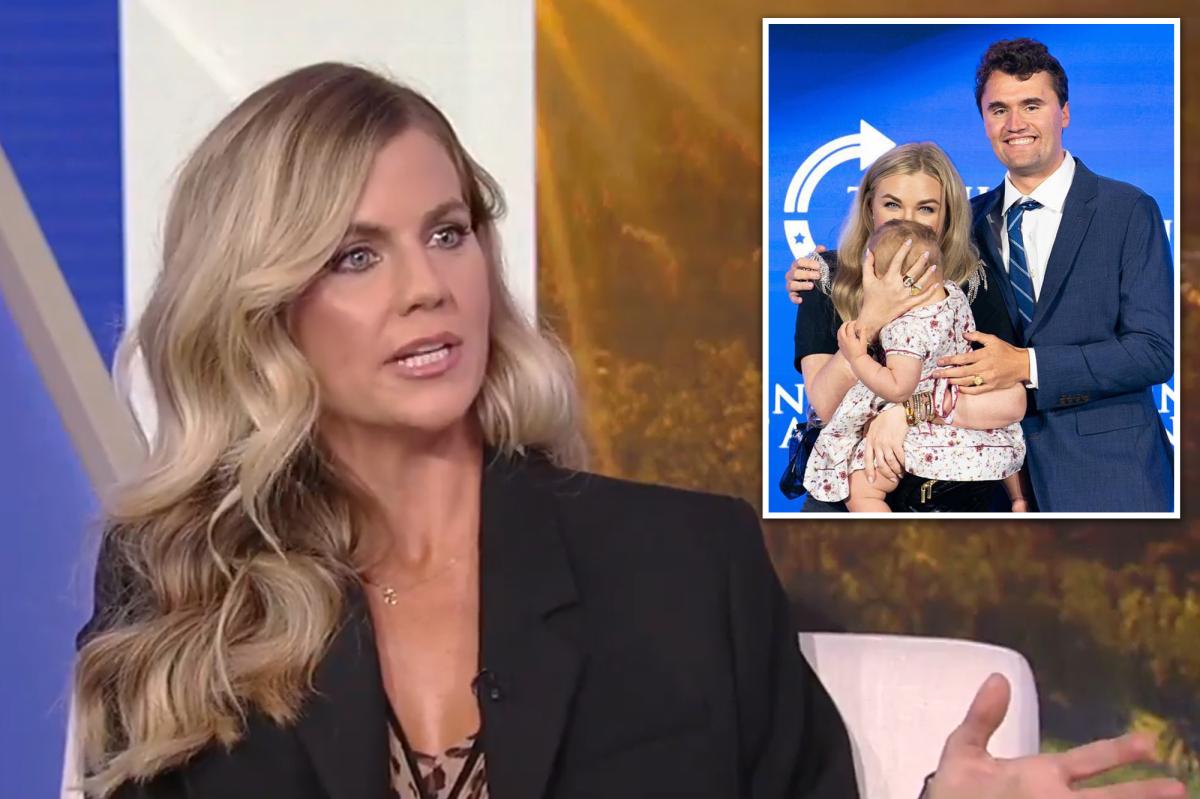
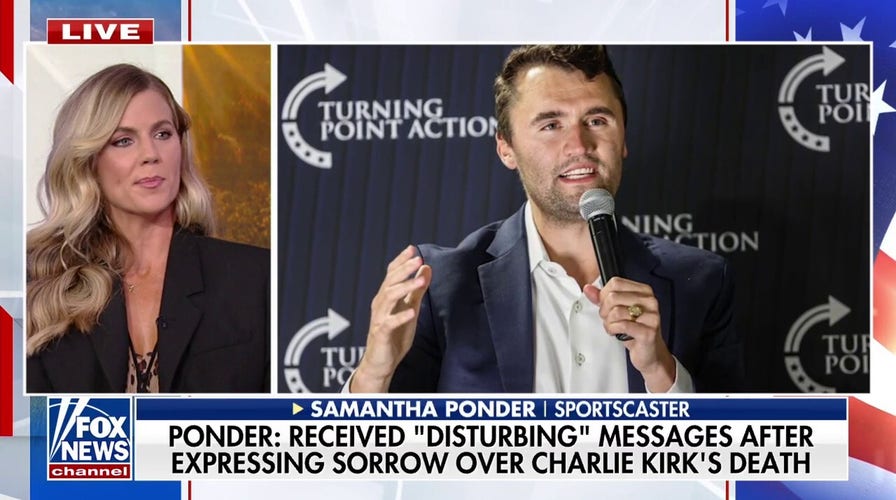
Samantha Ponder, known for her work as a sports broadcaster, shared her story during an appearance on Fox News Channel’s “Saturday in America” with Kayleigh McEnany. After reposting a heartfelt video of Charlie Kirk and his family, Ponder was met with an unexpected wave of negativity. She explained that her intention was simple: to highlight the human side of Kirk, a father and husband, during a difficult time.
“I reposted a video of their family on vacation and I immediately lost thousands of followers – and who cares? This is not about me,” Ponder said. However, the messages she received were not just critical but vicious. Many of the comments attacked her personally and questioned her motives, despite her message being one of sympathy.
Ponder noted that receiving harsh feedback is not new to those in the television industry, but the intensity and nature of these responses were particularly troubling given the context. “I thought that was just something the general public could agree on—that it’s sad when someone’s murdered,” she remarked.
Algorithms and the Creation of Divided Realities
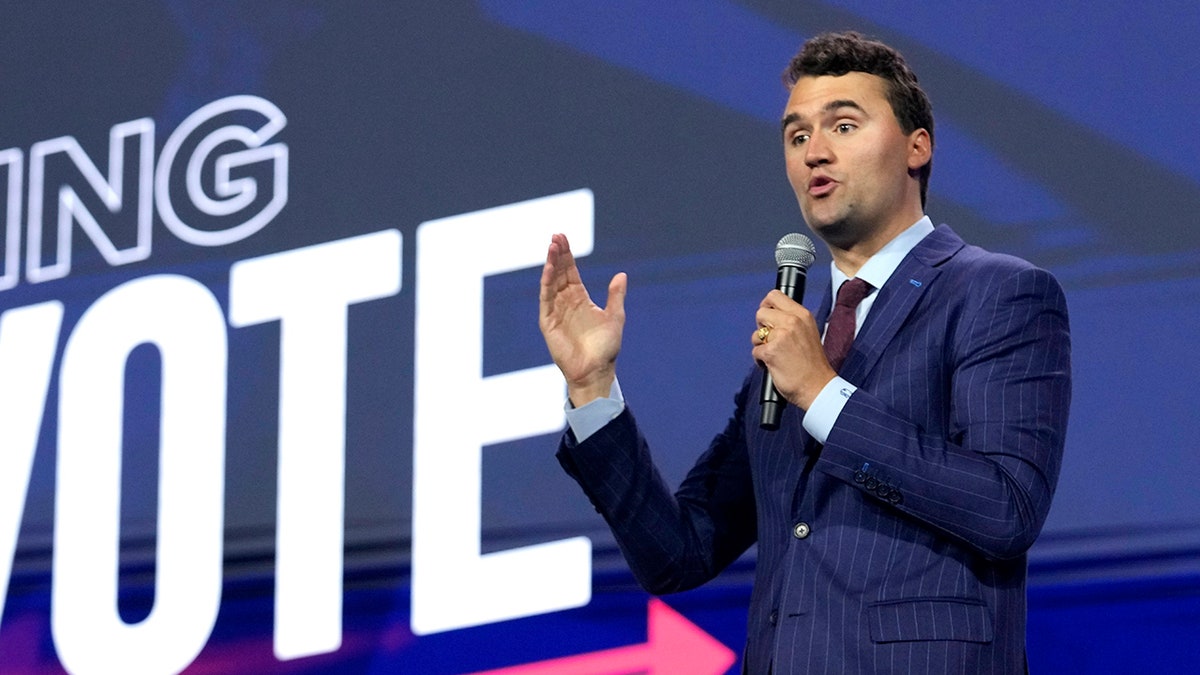
One of the most striking points Ponder made was about the role social media algorithms play in shaping public perception. She observed that the content people see online is heavily filtered by algorithms designed to maximize engagement, often at the expense of truth and nuance.
“I think it said a lot about where we are as a country, but I also think it says a lot about the algorithms that we’re dealing with,” Ponder explained. She encountered numerous messages labeling Kirk as a racist or bigot, claims she found to be based on highly edited and misleading clips rather than full context.
Ponder’s research revealed that many people are exposed only to fragmented and biased portrayals, which distort their understanding of public figures and events. This selective exposure fosters polarization, as users are trapped in echo chambers that reinforce their existing beliefs.
Furthermore, Ponder highlighted the emotional toll of this divided media landscape. While some mourned Kirk’s death, others reacted with hostility or indifference, illustrating the starkly different realities people inhabit online. “Those people weren’t seeing it all. So, that tells us we’re seeing two different Americas,” she said.
The Broader Implications for American Society
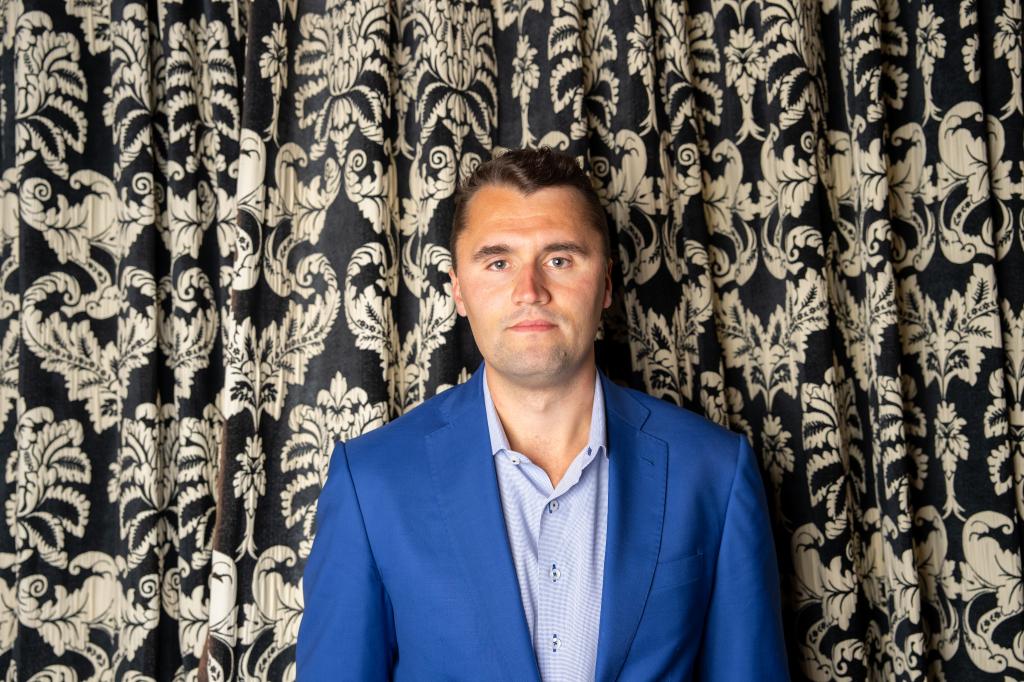
The experience shared by Samantha Ponder is emblematic of a larger problem facing the United States: the fragmentation of social discourse and the erosion of shared truths. Social media platforms, while powerful tools for communication, have inadvertently contributed to a culture of division and misinformation.
This phenomenon has serious consequences for national unity and public trust. When people receive conflicting narratives about the same event, it becomes difficult to find common ground or engage in constructive dialogue. The result is a society increasingly polarized along ideological lines, with social media acting as both a catalyst and a battleground.
Ponder’s story also underscores the emotional and psychological impact on individuals who dare to express empathy or nuanced views in such a charged environment. The fear of backlash can silence voices that might otherwise contribute to healing and understanding.
Conclusion: Addressing the Real Problem in America

Samantha Ponder’s candid reflections on the aftermath of Charlie Kirk’s death reveal a critical issue at the heart of American society today: the divisive power of social media algorithms and the fragmented realities they create. As citizens, it is essential to recognize how these digital forces shape our perceptions and interactions.
To move forward, we must advocate for greater transparency and responsibility from social media platforms, encourage critical thinking and media literacy among users, and foster spaces for respectful conversation. Only by confronting these challenges can we hope to bridge the divides and restore a sense of unity.
If you found this article insightful, share it with your network and join the conversation about the impact of social media on our society. Together, we can work towards a more informed and connected America.