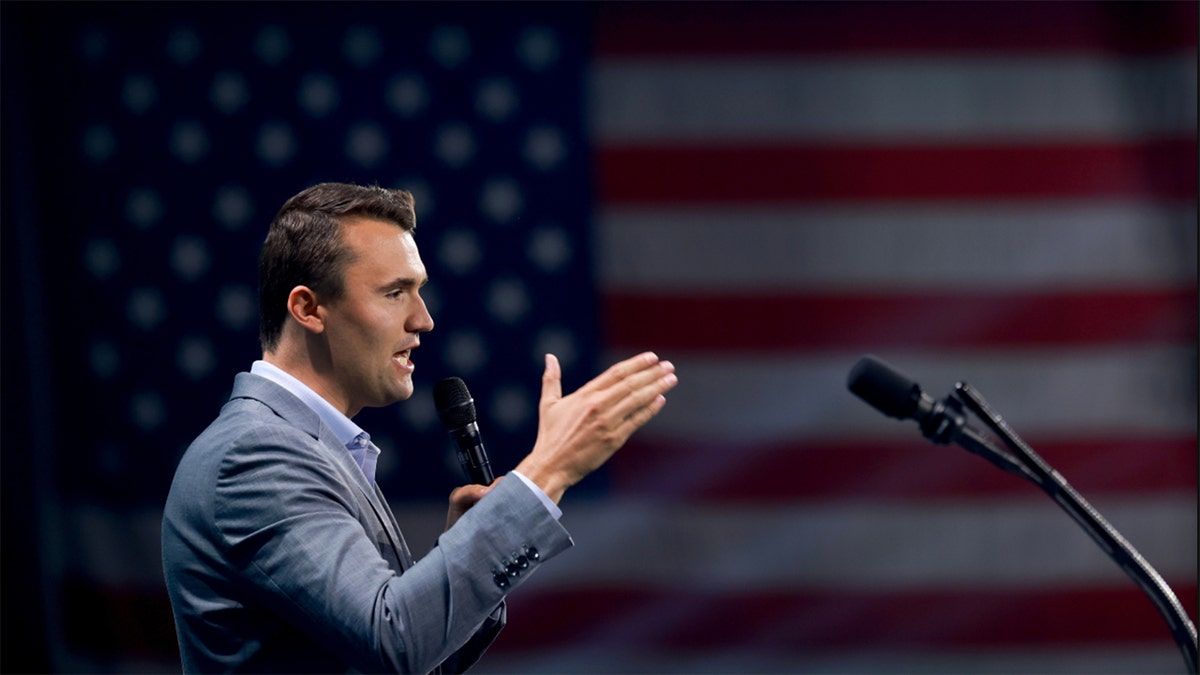
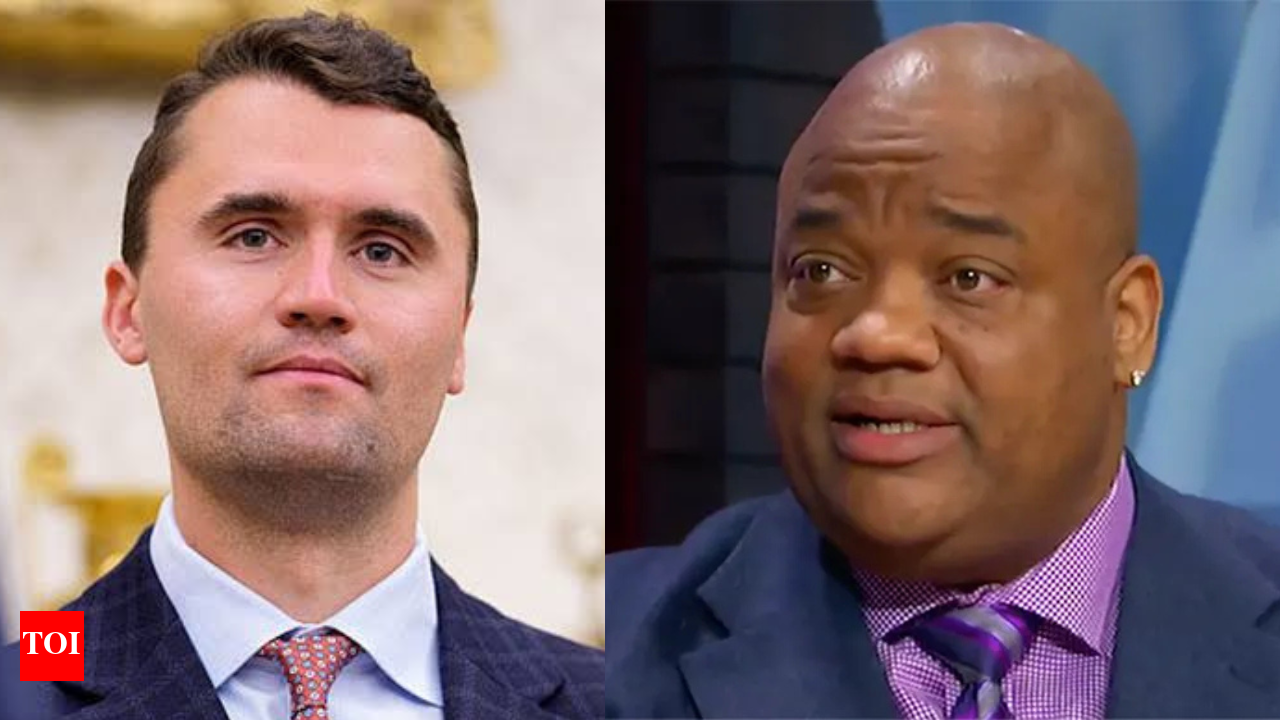
Fired ESPN Host Received ‘Vicious’ Backlash To Charlie Kirk Tribute
In recent times, the intersection of sports media and political commentary has become increasingly contentious. A fired ESPN host recently found themselves at the center of a storm after sharing a tribute to Charlie Kirk, a conservative political activist. This act sparked a wave of intense criticism and backlash, highlighting the challenges media personalities face when expressing political views. This article delves into the details of the incident, the nature of the backlash, and the broader implications for public figures in the media industry.
Understanding the Fired ESPN Host’s Tribute to Charlie Kirk
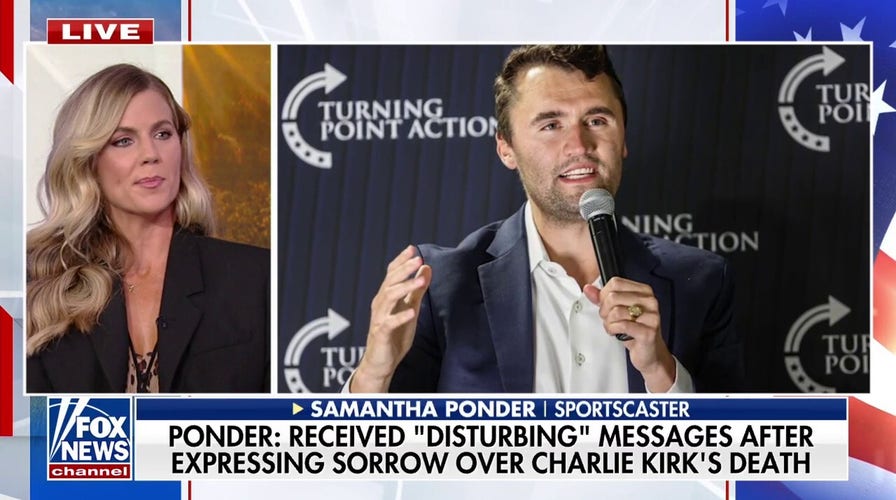
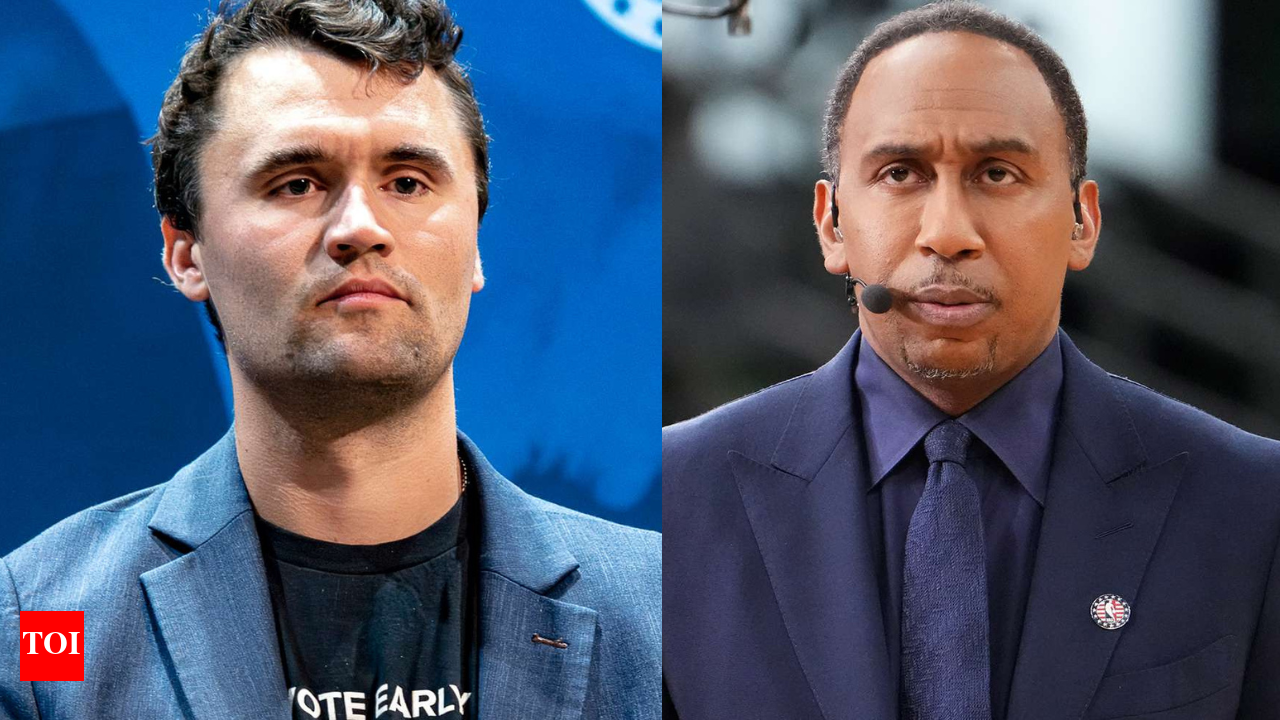
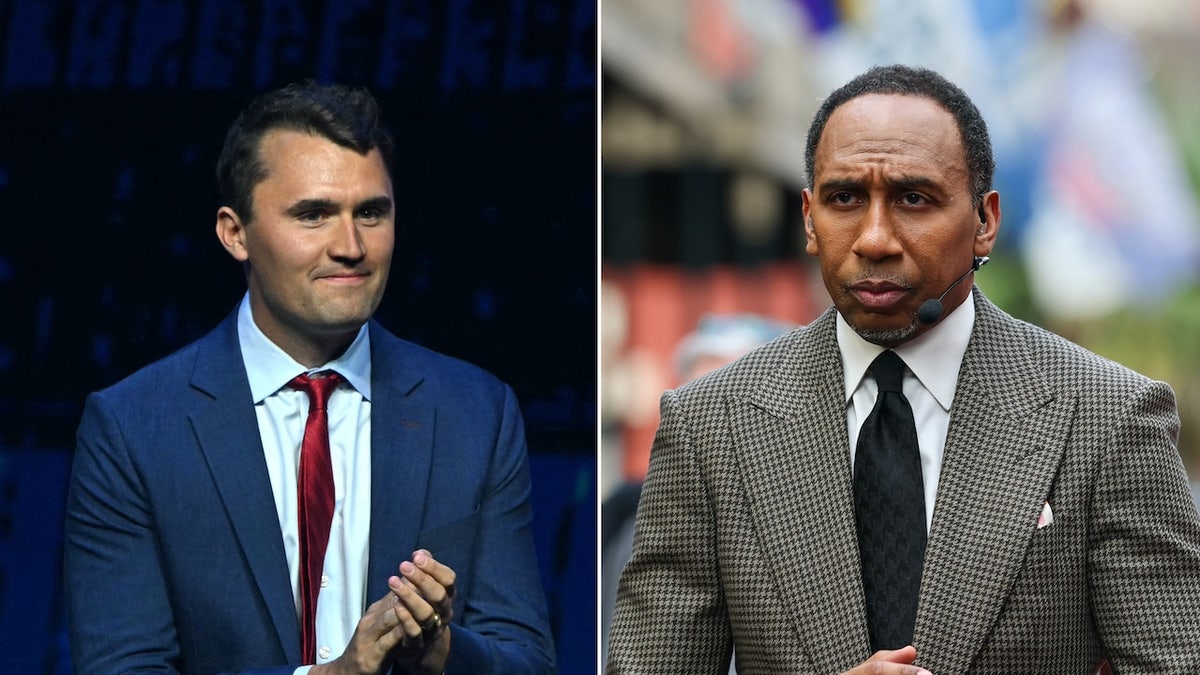
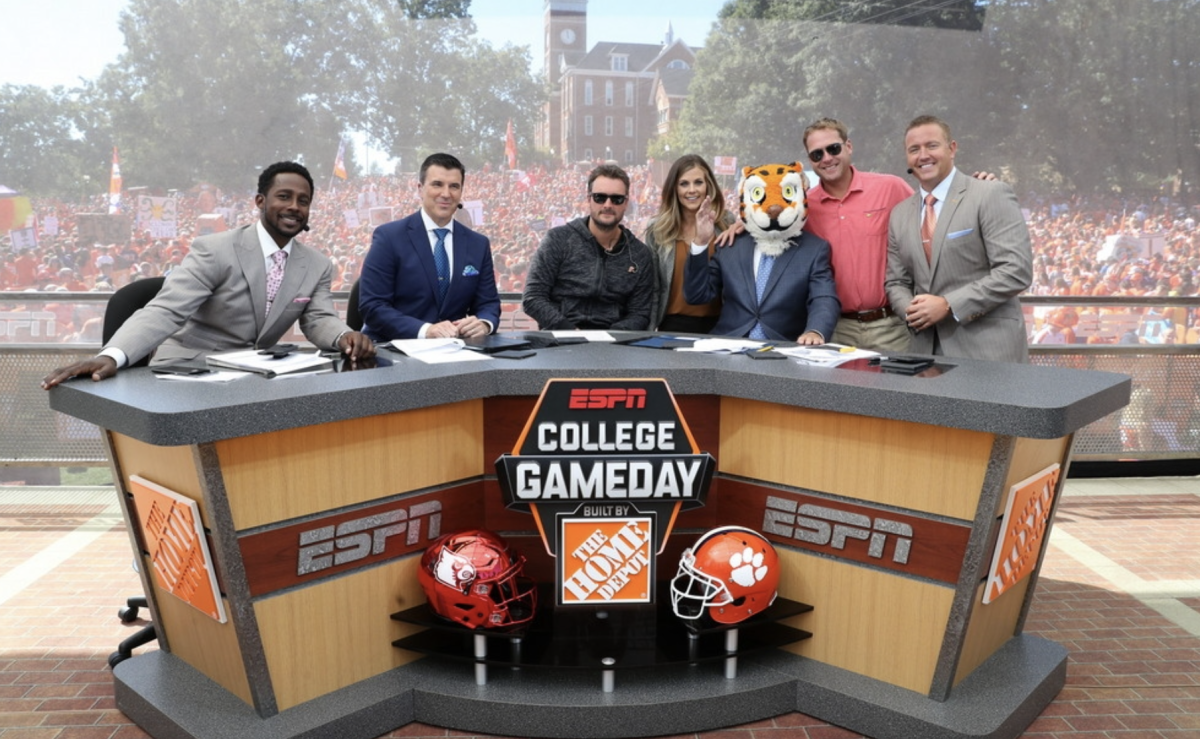
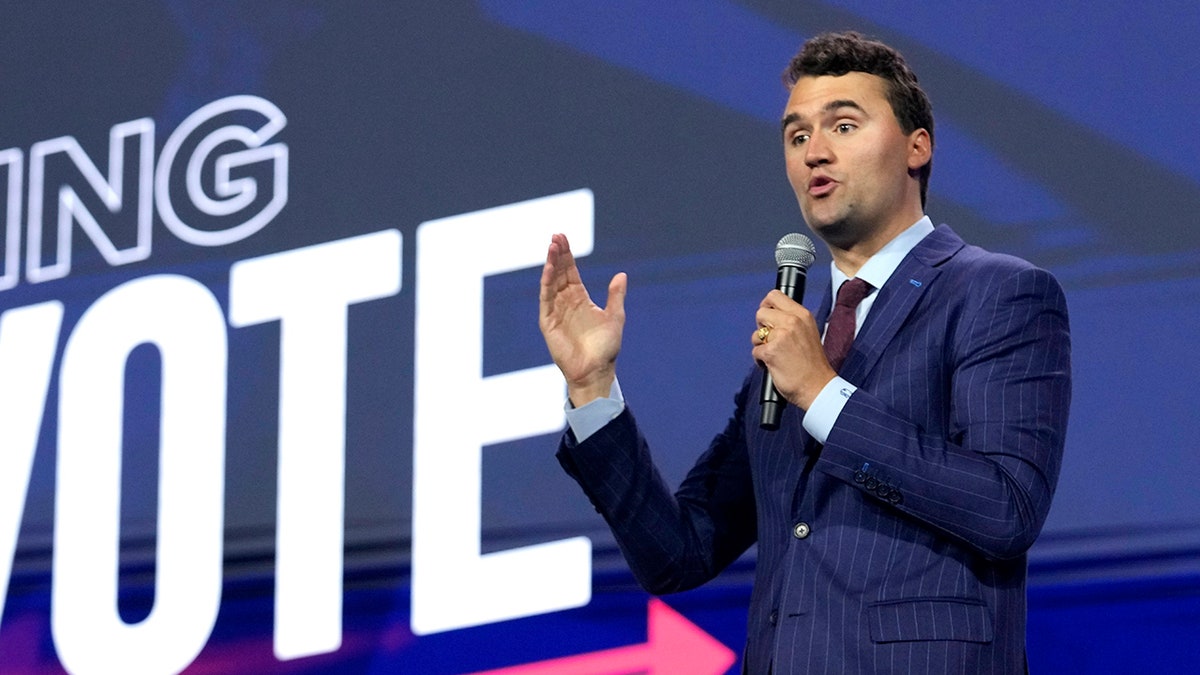
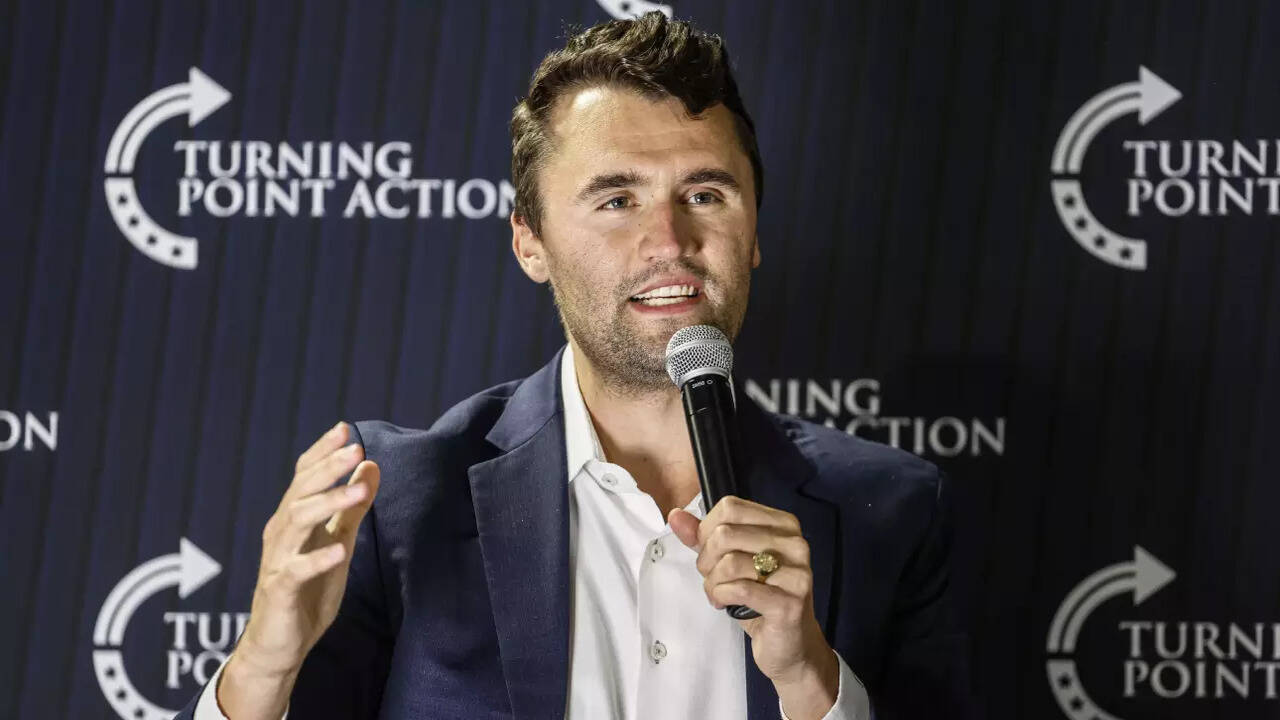
The ESPN host, known for their engaging sports commentary, took to social media to honor Charlie Kirk, praising his activism and influence. Charlie Kirk, founder of Turning Point USA, is a polarizing figure in American politics, often sparking debates across the ideological spectrum. The tribute was intended as a gesture of respect but quickly ignited controversy among fans, colleagues, and the broader public.
The host’s message highlighted Kirk’s role in shaping political discourse among young conservatives. However, given ESPN’s traditionally apolitical stance and the sensitive nature of political expression in sports media, the tribute was met with mixed reactions. Supporters applauded the host’s courage to voice personal beliefs, while detractors accused them of mixing politics with sports, which they believe should remain separate.
The Nature of the ‘Vicious’ Backlash
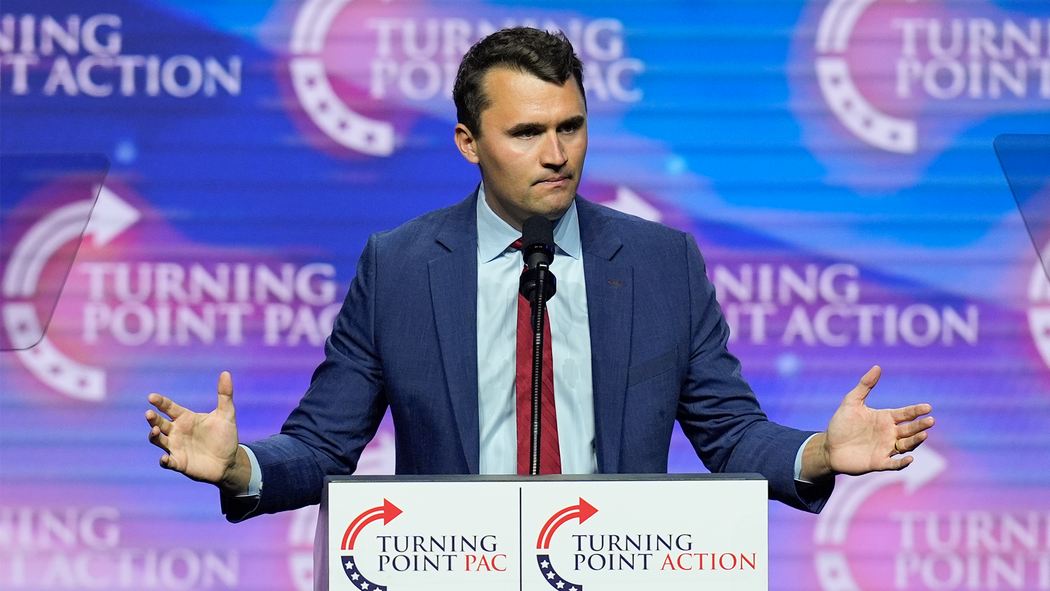
Following the tribute, the ESPN host was subjected to what many described as a ‘vicious’ backlash. Social media platforms became battlegrounds where critics unleashed harsh comments, questioning the host’s professionalism and suitability for their role at ESPN. Some accused the host of alienating a significant portion of the audience by endorsing a controversial political figure.
The backlash extended beyond online criticism. Reports emerged suggesting that internal pressures within ESPN may have contributed to the host’s eventual dismissal. The network, aiming to maintain neutrality and avoid political controversies, reportedly found the tribute incompatible with its brand image.
This incident underscores the precarious position media personalities occupy when navigating personal political expression. The fired ESPN host’s experience serves as a cautionary tale about the potential consequences of publicly aligning with divisive political figures in a professional context.
Broader Implications for Media Personalities and Political Expression
The controversy surrounding the fired ESPN host’s tribute to Charlie Kirk reflects a broader trend in the media landscape. As political polarization intensifies, public figures, especially those in sports media, face increasing scrutiny over their political statements. The expectation to remain neutral often clashes with personal convictions, creating a complex dynamic.
For media organizations like ESPN, balancing freedom of expression with brand integrity is challenging. The network’s decision to part ways with the host highlights the delicate line between personal opinion and professional responsibility. This case raises important questions about the limits of political expression for media professionals and the impact on their careers.
Moreover, the incident has sparked discussions about the role of social media in amplifying controversies. The rapid spread of opinions and the intensity of online backlash can escalate situations quickly, sometimes leading to severe professional consequences.
Conclusion
The fired ESPN host’s experience with the ‘vicious’ backlash following a tribute to Charlie Kirk offers valuable insights into the complexities of political expression within sports media. It highlights the risks media personalities face when their personal beliefs intersect with their professional roles. As audiences and organizations continue to navigate this evolving landscape, it is crucial for media professionals to carefully consider the potential impact of their public statements.
If you found this article insightful, don’t hesitate to share your thoughts or subscribe for more updates on media controversies and the evolving dynamics of political expression in sports.