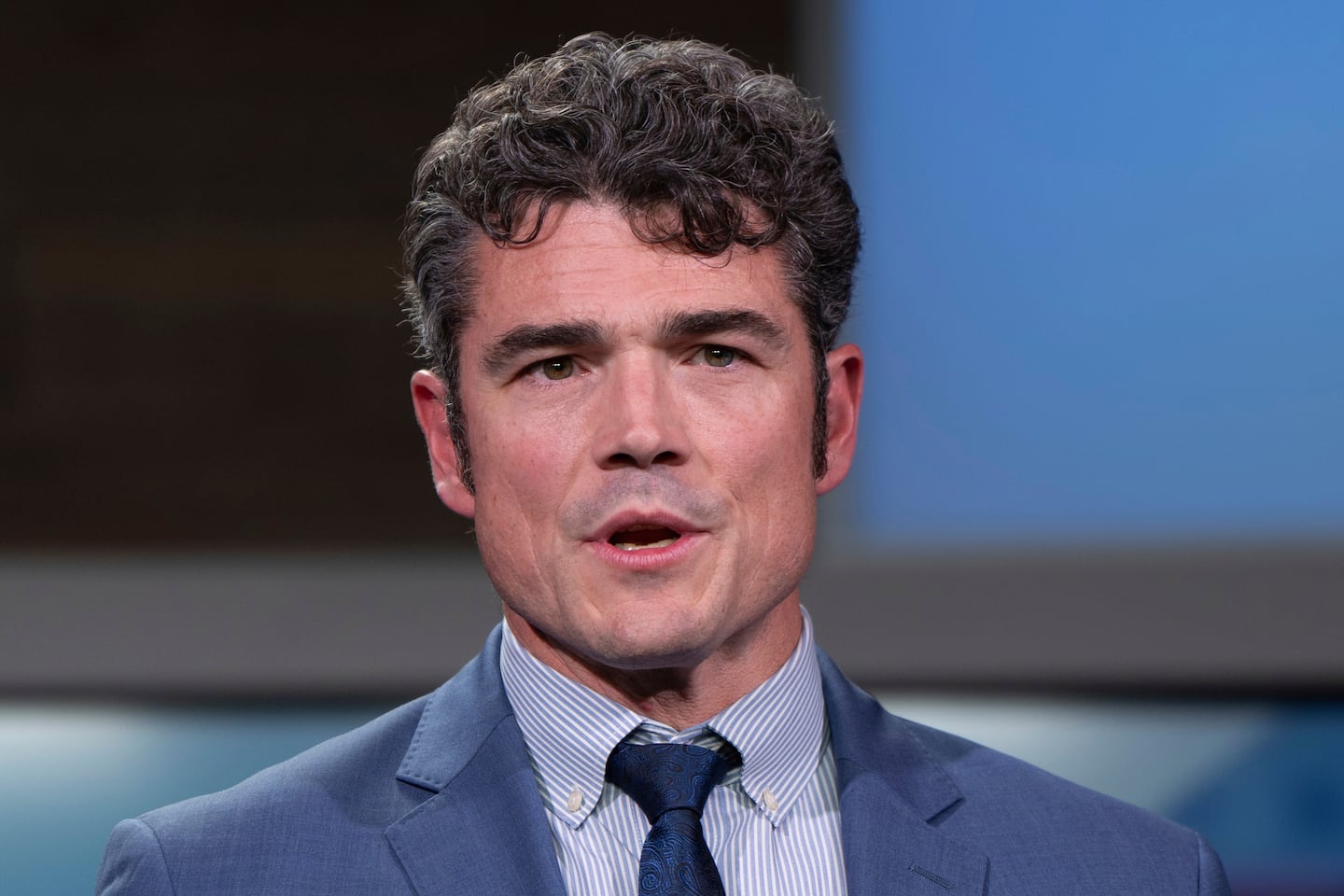
Former Counterterrorism Chief Joe Kent Under FBI Investigation for Alleged Classified Leaks
FBI Investigation Targets Former Counterterrorism Chief Joe Kent for Classified Leaks

The Federal Bureau of Investigation (FBI) has launched an investigation into Joe Kent, the former director of the National Counterterrorism Center (NCTC), over allegations that he leaked classified information. According to multiple sources familiar with the matter, the inquiry began prior to Kent’s departure from his government role, signaling ongoing concerns about the handling of sensitive intelligence data.
The FBI has not publicly commented on the investigation, and attempts to reach Kent for his response have so far been unsuccessful. This development adds a new layer of complexity to an already turbulent period for U.S. counterterrorism leadership.
Background: Joe Kent’s Role and Resignation

Joe Kent, a former Army Green Beret and CIA paramilitary officer, was appointed to lead the National Counterterrorism Center in early 2025. His tenure was marked by a strong stance against prolonged U.S. military engagements in the Middle East. Kent’s resignation on Tuesday shocked many in the intelligence community, as he cited moral objections to the ongoing U.S. war against Iran.
In a public statement, Kent expressed that he “cannot in good conscience support the ongoing war,” emphasizing that Iran did not pose an imminent threat and criticizing the administration’s departure from its previous strategy of avoiding extended conflicts in the region. His resignation highlighted internal divisions within the government regarding foreign policy and military strategy.
Allegations and Internal Concerns

Prior to his resignation, a senior administration official described Kent as a “known leaker,” noting that he had been excluded from intelligence briefings months before stepping down. While it remains unclear whether the FBI’s investigation is directly related to these concerns or involves separate incidents, the allegations have intensified scrutiny on Kent’s conduct.
Leaks of classified information can jeopardize national security and compromise intelligence operations. The investigation underscores the challenges faced by U.S. agencies in safeguarding sensitive data, especially when internal disagreements arise among high-ranking officials.
Implications for National Security and Intelligence Community
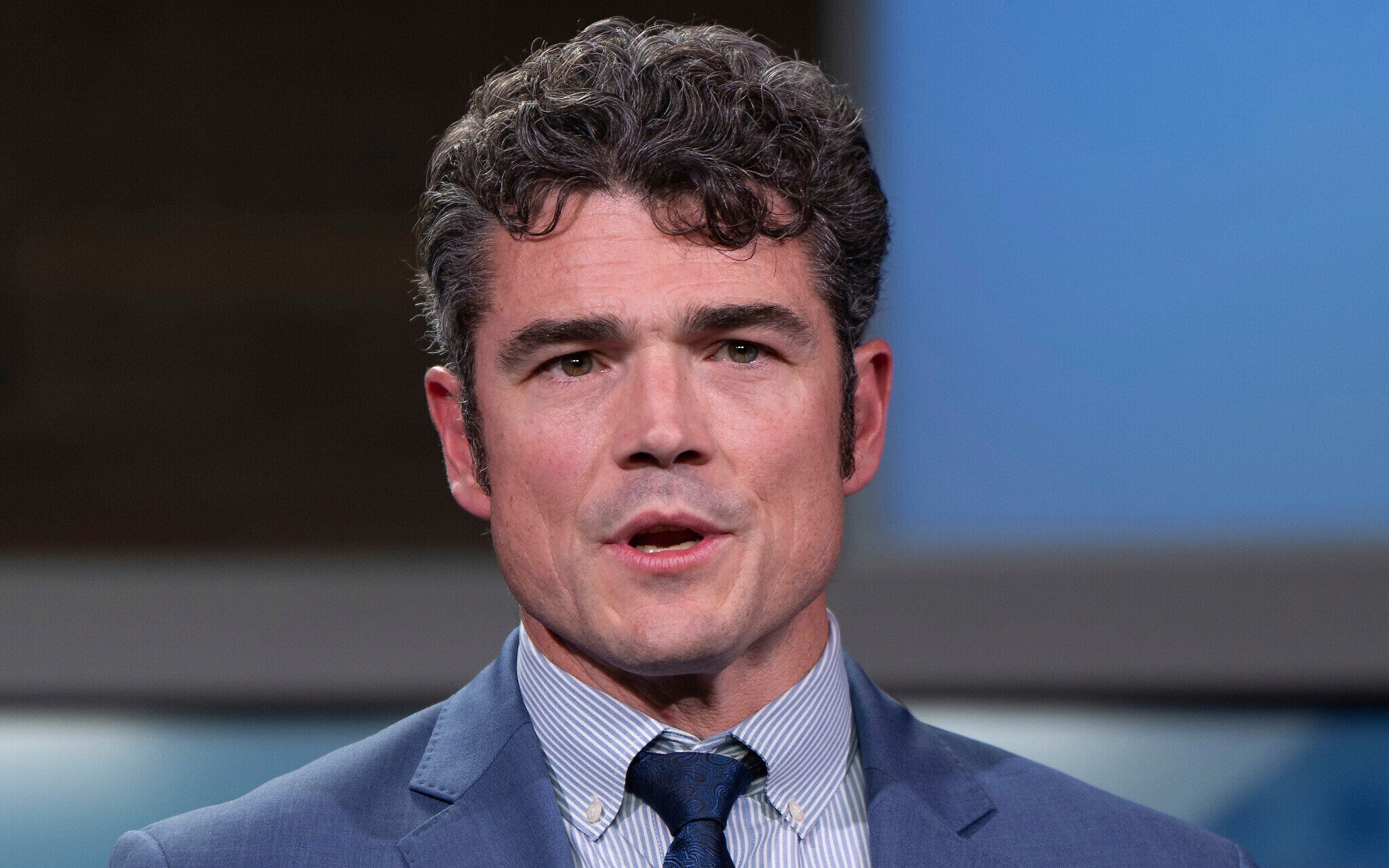
The probe into Joe Kent’s alleged leaks raises important questions about the integrity of intelligence protocols and the potential vulnerabilities within the counterterrorism apparatus. If proven true, the unauthorized disclosure of classified information could have serious ramifications for ongoing operations and diplomatic relations.
Moreover, Kent’s outspoken opposition to U.S. military actions and his subsequent resignation reflect broader tensions within the intelligence community regarding policy decisions and ethical considerations. These dynamics could influence future leadership appointments and the strategic direction of counterterrorism efforts.
Next Steps and Ongoing Developments
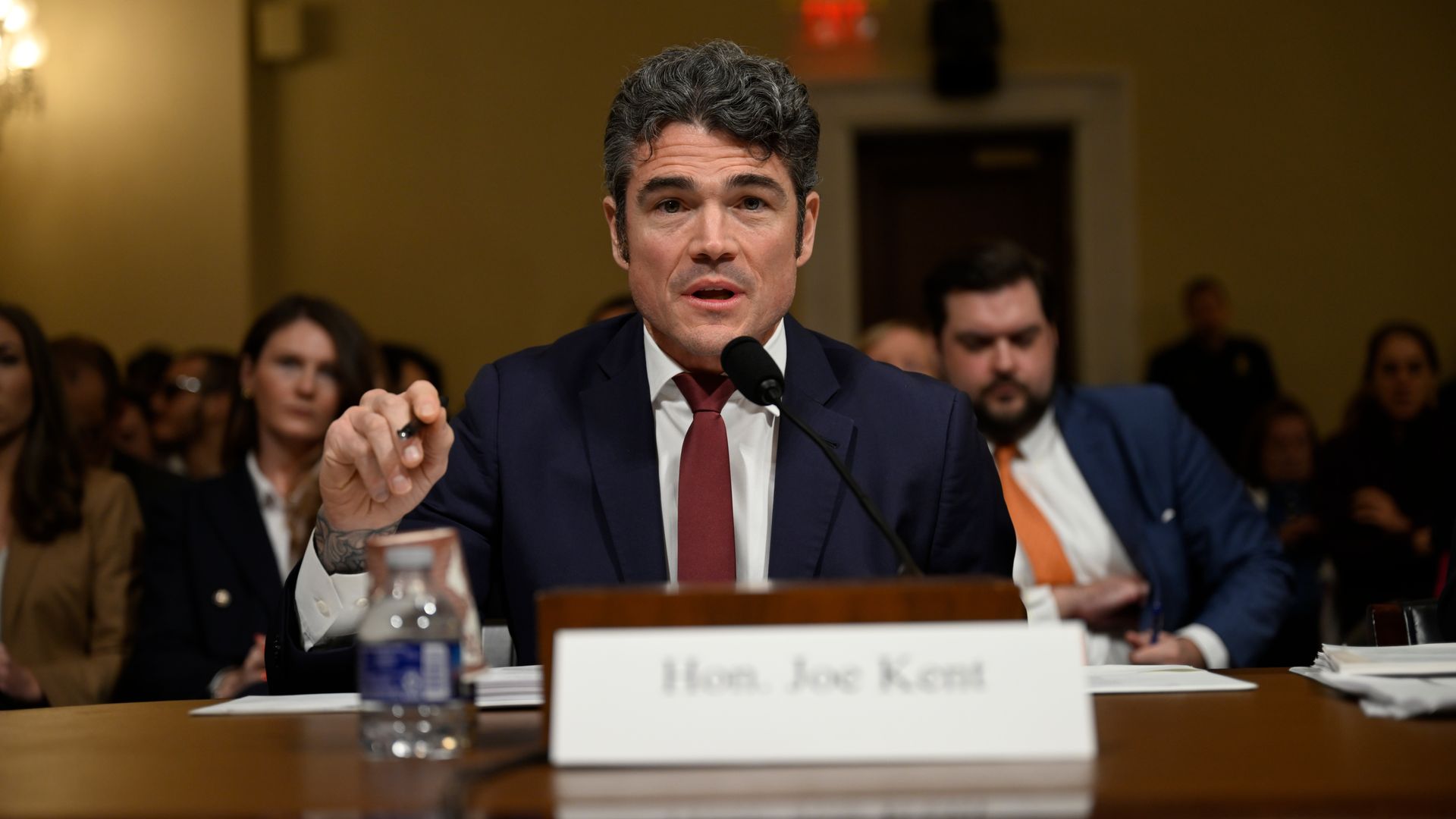
As the FBI continues its investigation, the intelligence community and the public await further details. The outcome of this probe will likely impact not only Joe Kent’s career but also the broader approach to managing classified information and internal dissent within government agencies.
This situation remains fluid, and updates will be provided as more information becomes available. The case serves as a reminder of the delicate balance between transparency, accountability, and national security in the realm of intelligence.
Conclusion

The FBI’s investigation into former counterterrorism chief Joe Kent over alleged classified leaks highlights critical issues surrounding national security and the handling of sensitive information. As this story unfolds, it is essential to stay informed about developments that could shape the future of U.S. intelligence operations. For the latest updates and expert analysis, subscribe to our newsletter and stay ahead with comprehensive coverage.