

RHOA Alumna Brit Eady’s $20 Million Sexual Harassment Lawsuit Faces Pushback from Bravo Over Kenya Moore Incident
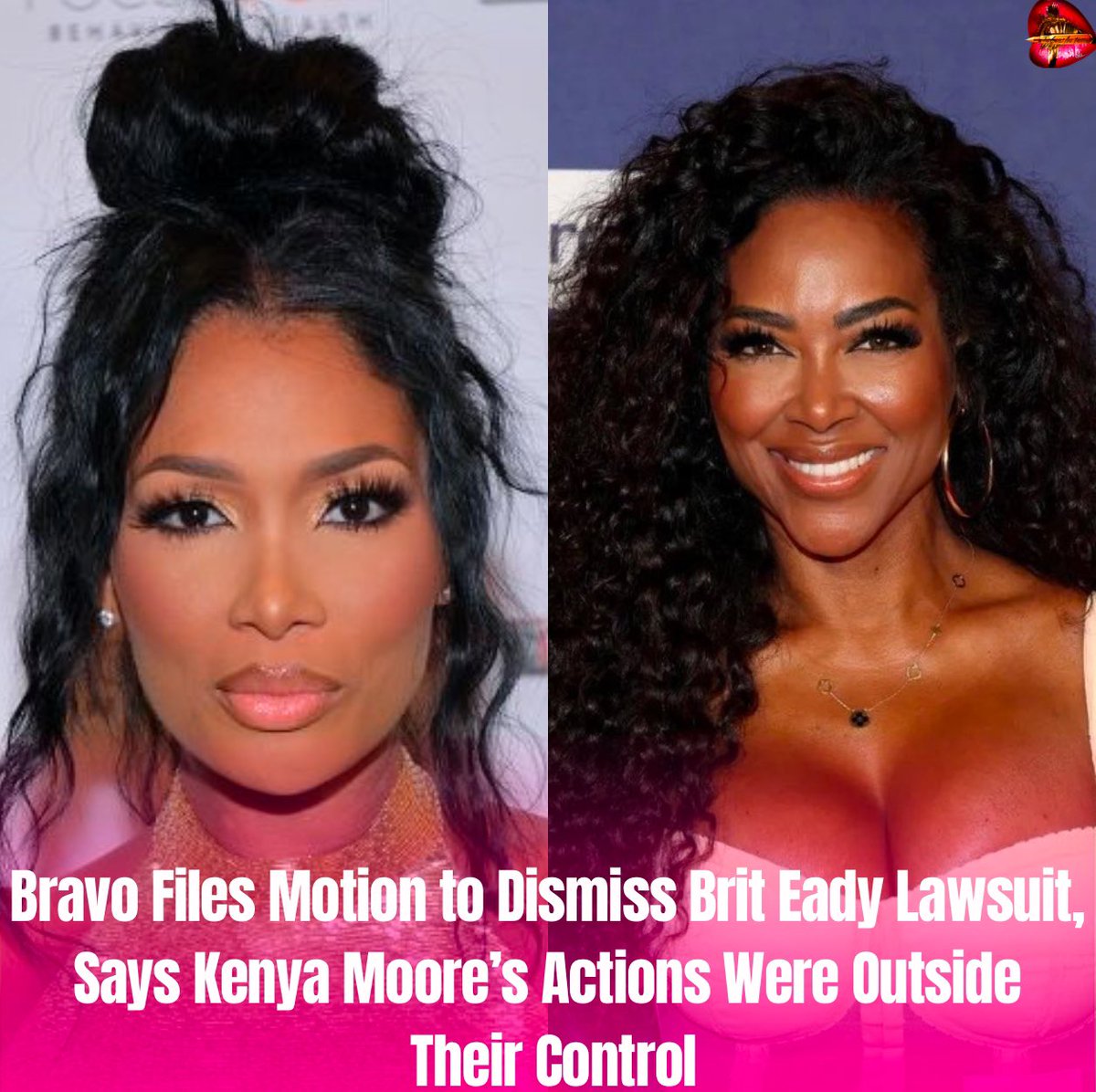
Brit Eady, a former cast member of the popular reality TV show The Real Housewives of Atlanta (RHOA), has recently made headlines with her $20 million sexual harassment lawsuit against Bravo. The lawsuit centers around an alleged hostile work environment and a controversial incident involving fellow cast member Kenya Moore. However, Bravo has strongly pushed back against Eady’s claims, arguing that she was fully aware of the risks and contractual obligations when she joined the show. This article delves into the details of the lawsuit, Bravo’s response, and the broader implications for reality television stars.

Brit Eady’s $20 Million Sexual Harassment Lawsuit and the Kenya Moore Incident

Brit Eady joined the cast of The Real Housewives of Atlanta during its 16th season, quickly becoming a notable figure on the Georgia-based reality series. However, her time on the show took a contentious turn when she filed a $20 million lawsuit against Bravo, alleging sexual harassment, defamation, emotional distress, and a hostile work environment. Central to her claims was an incident involving Kenya Moore, a long-standing cast member, which was prominently featured on the show.
According to Eady, the incident with Moore and the overall environment on set created a toxic atmosphere that negatively affected her well-being. She argued that Bravo failed to protect her from harassment and allowed a hostile workplace to persist. Eady’s lawsuit sought not only financial compensation but also accountability from the network for what she described as mistreatment during her tenure on the show.

Bravo’s Legal Response: Contractual Commitments and “Rewriting History”

Bravo’s legal team responded swiftly and firmly to Eady’s allegations. In court documents obtained by TMZ, Bravo contended that Eady was fully aware of the nature of the reality TV industry and the contractual commitments she agreed to before joining the show. The network described her lawsuit as an attempt to “rewrite history” and avoid the consequences of participating in a high-profile, long-running reality series.
Bravo’s lawyers emphasized that Eady was not “victimized” by the network as she claimed. Instead, they argued that the lawsuit was motivated by her dissatisfaction with the outcomes of her involvement in the show. The network maintained that it had acted appropriately and within the bounds of the contract, dismissing the allegations of sexual harassment and hostile work environment as unfounded.
Furthermore, Bravo highlighted the inherent challenges and conflicts that come with reality television, where cast members often engage in dramatic interactions as part of the show’s appeal. The network’s defense suggested that Eady’s claims blurred the lines between scripted entertainment and real-life workplace grievances.

The Kenya Moore Incident: What Really Happened?
The incident involving Kenya Moore, which forms the crux of Eady’s lawsuit, unfolded during filming and was broadcast as part of the show’s storyline. While details remain somewhat private due to ongoing legal proceedings, sources indicate that the confrontation between Eady and Moore was intense and emotionally charged.

Supporters of Moore argue that the altercation was typical of the heated exchanges often seen on RHOA and was not indicative of harassment or a hostile environment. Conversely, Eady’s camp insists that the incident crossed professional boundaries and contributed to a toxic atmosphere that Bravo failed to address.

This clash highlights the complex dynamics of reality television, where personal conflicts are often amplified for entertainment but can have real emotional consequences for those involved.
Implications for Reality TV Stars and Networks
The lawsuit filed by Brit Eady against Bravo raises important questions about the responsibilities of networks toward their reality TV stars. As reality television continues to grow in popularity, so do concerns about the mental health and safety of participants who are often exposed to intense scrutiny and conflict.
Bravo’s pushback against Eady’s claims underscores the challenges networks face in balancing entertainment value with ethical treatment of cast members. The outcome of this legal battle could set precedents for how future disputes are handled and may encourage networks to implement stricter protections for reality stars.
For aspiring reality TV personalities, the case serves as a cautionary tale about understanding contractual obligations and the potential personal risks involved in joining such shows. It also highlights the importance of having clear mechanisms for addressing grievances and ensuring a safe working environment.
What’s Next in the Legal Battle?
As the lawsuit proceeds, both Brit Eady and Bravo are expected to present further evidence and testimonies. The case will likely attract significant media attention given the high-profile nature of the parties involved and the ongoing popularity of The Real Housewives of Atlanta.
Legal experts suggest that the resolution could involve settlements, changes in network policies, or even court rulings that clarify the rights and protections of reality TV participants. Fans and industry observers alike will be watching closely to see how this dispute unfolds and what it means for the future of reality television.
Conclusion
Brit Eady’s $20 million sexual harassment lawsuit against Bravo, centered around the Kenya Moore incident, has sparked a heated legal battle that highlights the complexities of reality TV production. While Bravo denies the allegations and defends its contractual agreements, the case raises critical issues about the treatment and protection of reality stars. As this story develops, it serves as a reminder for anyone interested in reality television to be aware of the potential challenges and legal implications involved.
If you want to stay updated on this evolving story and gain more insights into reality TV legal matters, be sure to follow our coverage and subscribe to our newsletter for the latest news.