
Amanda Peet Reveals How Her Three Children Reacted to Her Breast Cancer Diagnosis
Amanda Peet, the acclaimed actress known for her roles in films and television, recently opened up about a deeply personal chapter in her life—her breast cancer diagnosis. Facing such a life-altering event is challenging for anyone, but sharing the news with loved ones, especially children, adds another layer of complexity. Amanda’s story sheds light on the emotional journey of a mother navigating her own fears while supporting her family through uncertainty.
How Amanda Peet Prepared to Tell Her Children About Her Breast Cancer Diagnosis
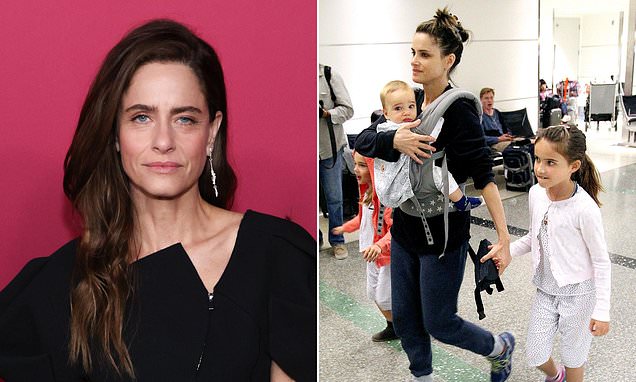
When Amanda Peet received her breast cancer diagnosis, she knew that telling her three children—Frances, 19; Molly, nearly 16; and Henry, 11—would be one of the most difficult conversations she would ever have. The actress waited until she felt emotionally ready before sharing the news, understanding that her mindset would significantly influence how her children would process the information.
Amanda and her husband, David Benioff, a prominent television writer and producer, chose to wait until they had more clarity about the diagnosis. After doctors found a second mass during an MRI scan, which was later confirmed to be benign, they decided it was the right moment to inform their children. This careful timing helped Amanda manage her own anxiety and allowed her children to receive the news with as much reassurance as possible.
In an essay Amanda wrote for The New Yorker, she described the internal struggle of waiting for the “perfect time” to tell her children. She acknowledged that no moment would ever feel ideal, but she needed to gather her strength first. This approach highlights the importance of emotional preparedness when discussing serious health issues with family members.
The Emotional Reactions of Amanda Peet’s Children
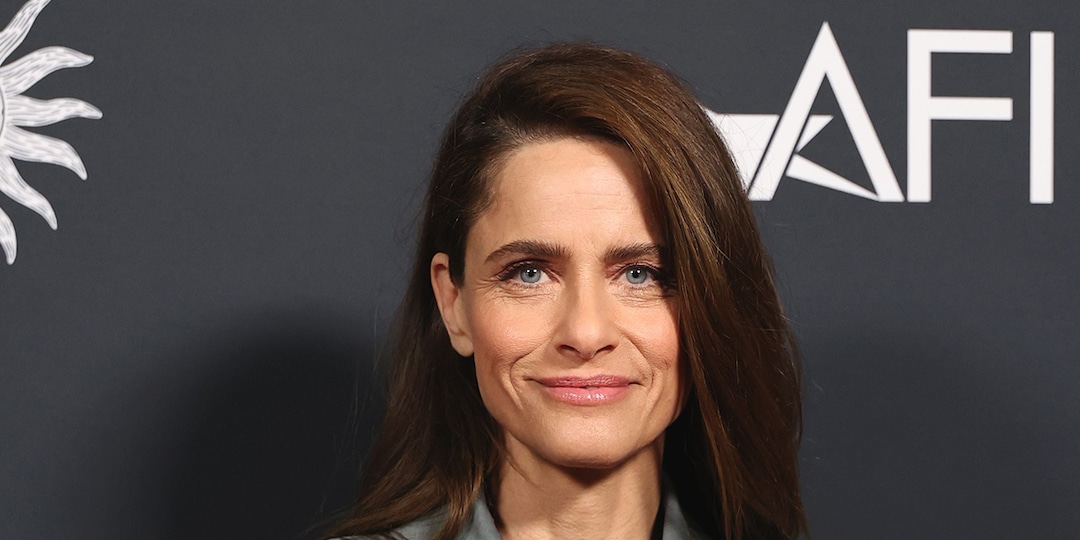
The responses of Amanda’s children to her breast cancer diagnosis were deeply moving and varied, reflecting their ages and personalities. Molly, the middle child, was overwhelmed with emotion and cried upon hearing the news. Frances, the eldest, was away at college and reacted with a mix of shock and relief—clapping her hand over her mouth as she processed the information during a FaceTime call.
Amanda shared that both daughters initially feared that their parents were withholding details or sugarcoating the prognosis. This concern is common among children when faced with serious family health issues, as they try to understand the full scope of the situation. Amanda’s honesty and openness helped build trust and allowed her children to express their fears and questions.
Henry, the youngest, also had his own way of coping with the news. While Amanda did not elaborate extensively on his reaction, it is clear that the family’s communication and support played a crucial role in helping him navigate the uncertainty.
Family Support and Coping Strategies During Amanda Peet’s Breast Cancer Journey

Throughout her breast cancer journey, Amanda Peet emphasized the importance of family support. She and her husband worked together to create a nurturing environment where their children felt safe to express their feelings. Open communication was key, as was providing age-appropriate information to help the children understand the situation without overwhelming them.
Amanda also highlighted the challenge of balancing hope with realism. She wanted to be honest about the diagnosis while maintaining a positive outlook, especially since her cancer was detected at an early stage and did not require chemotherapy. This balance helped alleviate some of the fear and uncertainty for her children.
In addition to family support, Amanda leaned on her close friends and medical professionals for guidance and reassurance. Her story underscores the value of a strong support network when facing a breast cancer diagnosis, not only for the patient but for the entire family.
Conclusion
Amanda Peet’s candid sharing of how her three children reacted to her breast cancer diagnosis offers valuable insights into the emotional complexities families face during such times. Her experience highlights the importance of timing, honesty, and support in helping children cope with difficult news. If you or a loved one are navigating a similar journey, remember that you are not alone—seek support, communicate openly, and take one step at a time. For more inspiring stories and helpful resources on breast cancer, stay connected with our blog and join the conversation today.