
10 Things That May Be Able To Reverse Aging, According To Science
Understanding How Science Is Challenging Aging
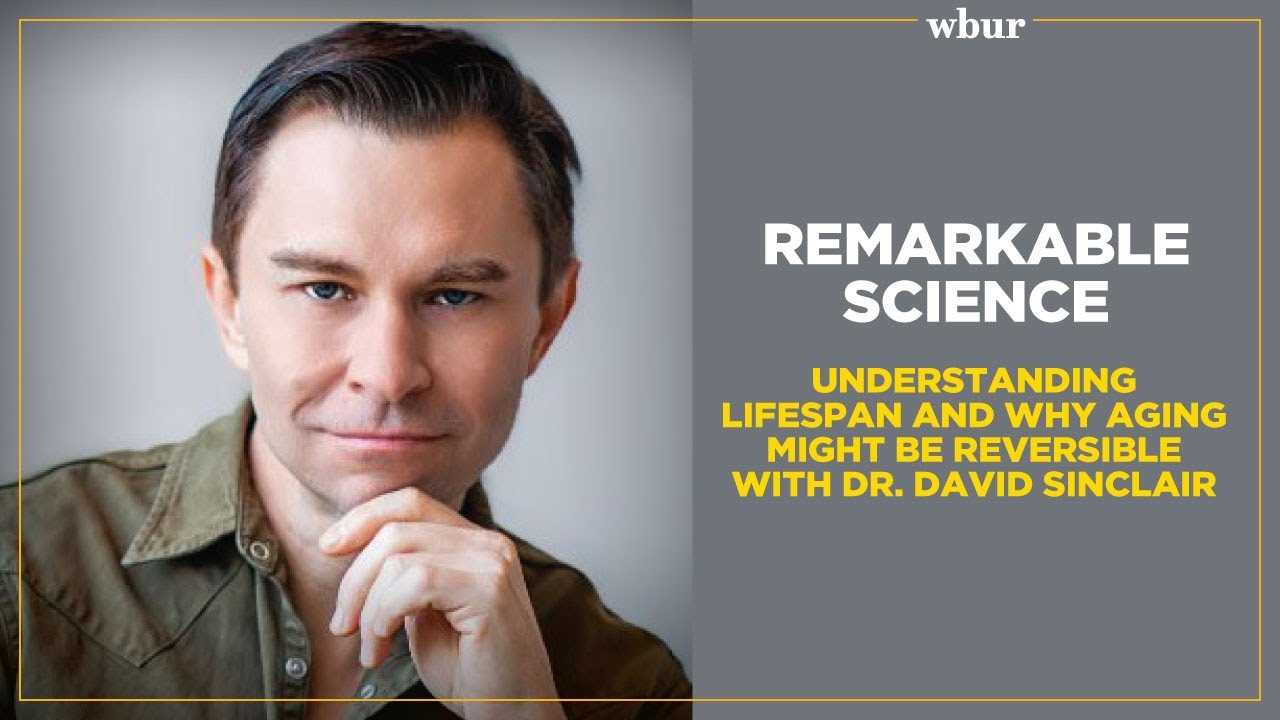
Aging has traditionally been viewed as an inevitable, one-way journey marked by gradual decline in physical and cognitive abilities. However, recent scientific advances suggest that aging is not a fixed fate but a complex biological process that can be influenced, slowed, or potentially reversed. Researchers are exploring a variety of innovative approaches that target the root causes of aging at the cellular and molecular levels. These discoveries offer hope for extending not just lifespan but, more importantly, healthspan—the period during which we remain strong, active, and resilient.
In this article, we delve into 10 promising scientific strategies that may help reverse aging, backed by experimental evidence from animal studies and emerging human trials. These approaches range from cutting-edge gene editing techniques to simple lifestyle interventions, all aimed at rejuvenating the body’s systems and improving quality of life as we grow older.
1. Cellular Reprogramming: Resetting the Biological Clock
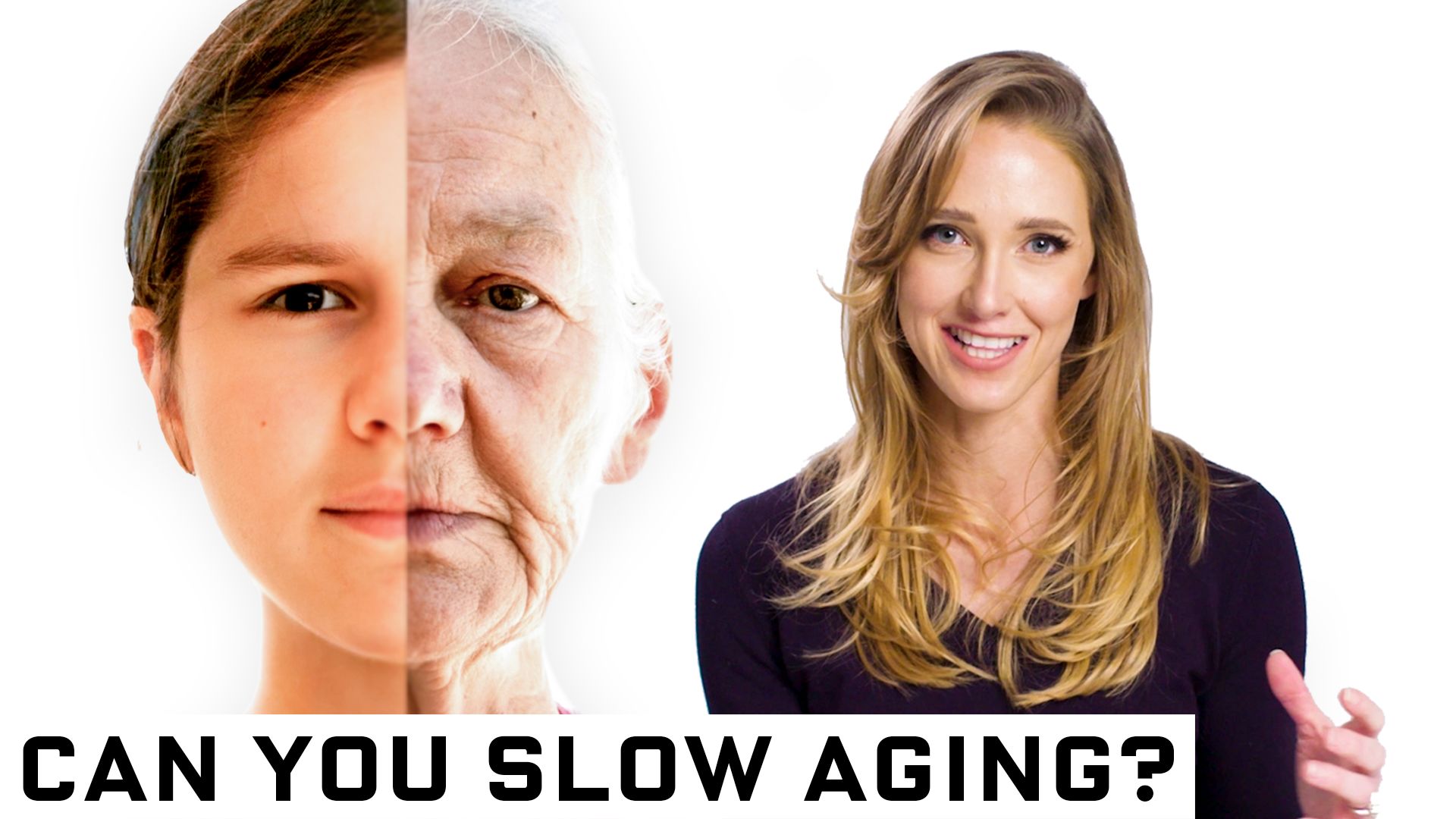
Cells accumulate damage over time, leading to diminished function and aging. Cellular reprogramming uses specific proteins known as Yamanaka factors to partially reset aged cells to a more youthful state. In laboratory experiments, activating these factors in older mice improved tissue regeneration, extended lifespan, and reduced biological age markers. While full reprogramming risks uncontrolled cell growth, carefully controlled partial reprogramming sessions show promise in enhancing the body’s natural repair mechanisms without harmful side effects.
2. Senolytics: Clearing Out Zombie Cells
Senescent or “zombie” cells stop dividing but refuse to die, releasing toxins that cause inflammation and tissue damage. Senolytic drugs selectively eliminate these dysfunctional cells, improving physical function and extending lifespan in animal models. Early human trials have demonstrated improved bone strength and safety in conditions like mild Alzheimer’s disease. Removing these harmful cells helps restore tissue health and vitality.
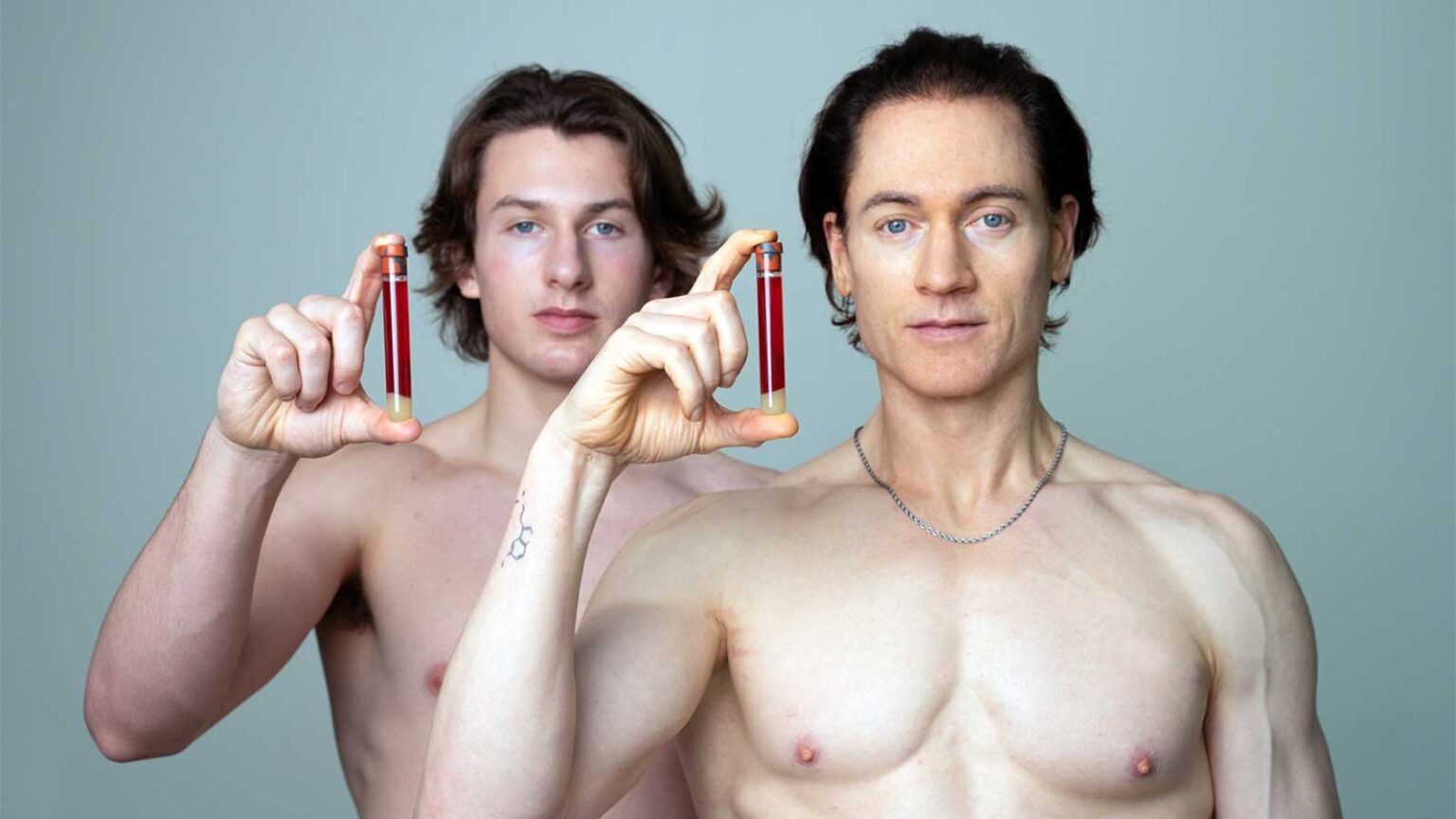
3. Young Blood Factors and Plasma Exchange

Research has revealed that blood from young animals contains proteins like GDF11 that can rejuvenate older tissues. Therapeutic plasma exchange (TPE) in humans, which replaces old plasma with fresh components, has shown reductions in biological age markers and improvements in immune function. These findings suggest that refreshing the blood’s environment could help maintain strength and cognitive abilities during aging.
4. Stem Cell Infusions to Regenerate Organs
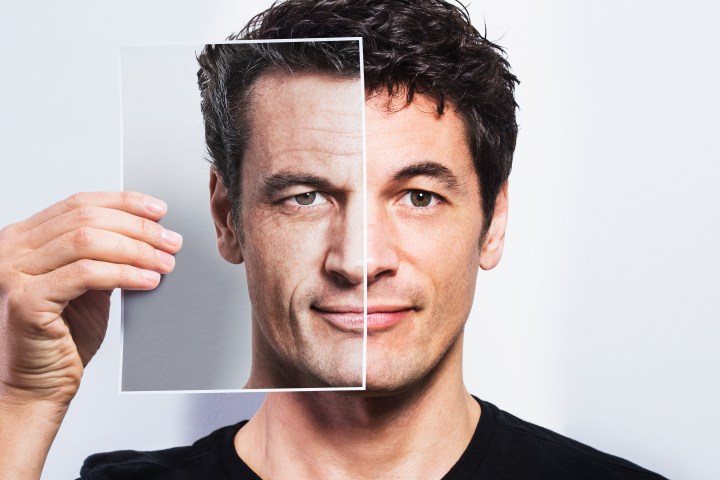
Stem cells are vital for tissue repair but decline with age. Infusing rejuvenated or young stem cells has improved muscle strength, coordination, and cognitive function in older mice. In humans, stem cell therapies are already used for certain diseases, and ongoing research aims to enhance their regenerative potential by altering their metabolism to mimic youthful cells.
5. Telomere Repair: Protecting Genetic Integrity
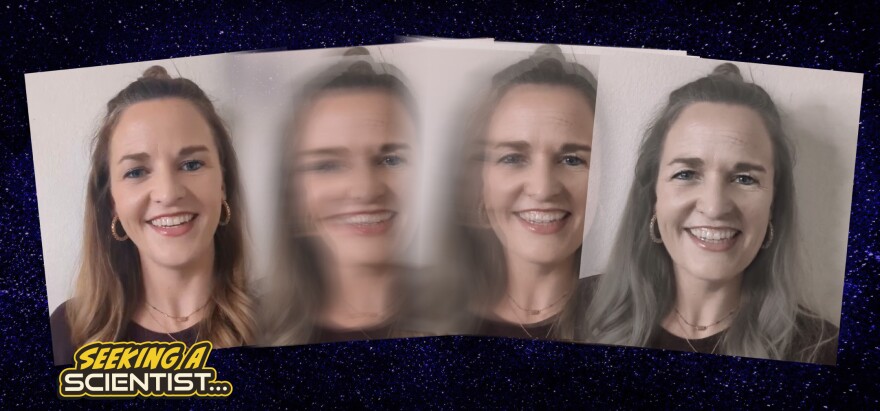
Telomeres are protective caps on chromosomes that shorten with each cell division, contributing to aging. Boosting telomerase, the enzyme that rebuilds telomeres, has restored organ function in older animals without increasing cancer risk. Extending telomere length may help cells maintain their function longer, potentially delaying age-related decline.
6. CRISPR Gene Editing for Brain Rejuvenation
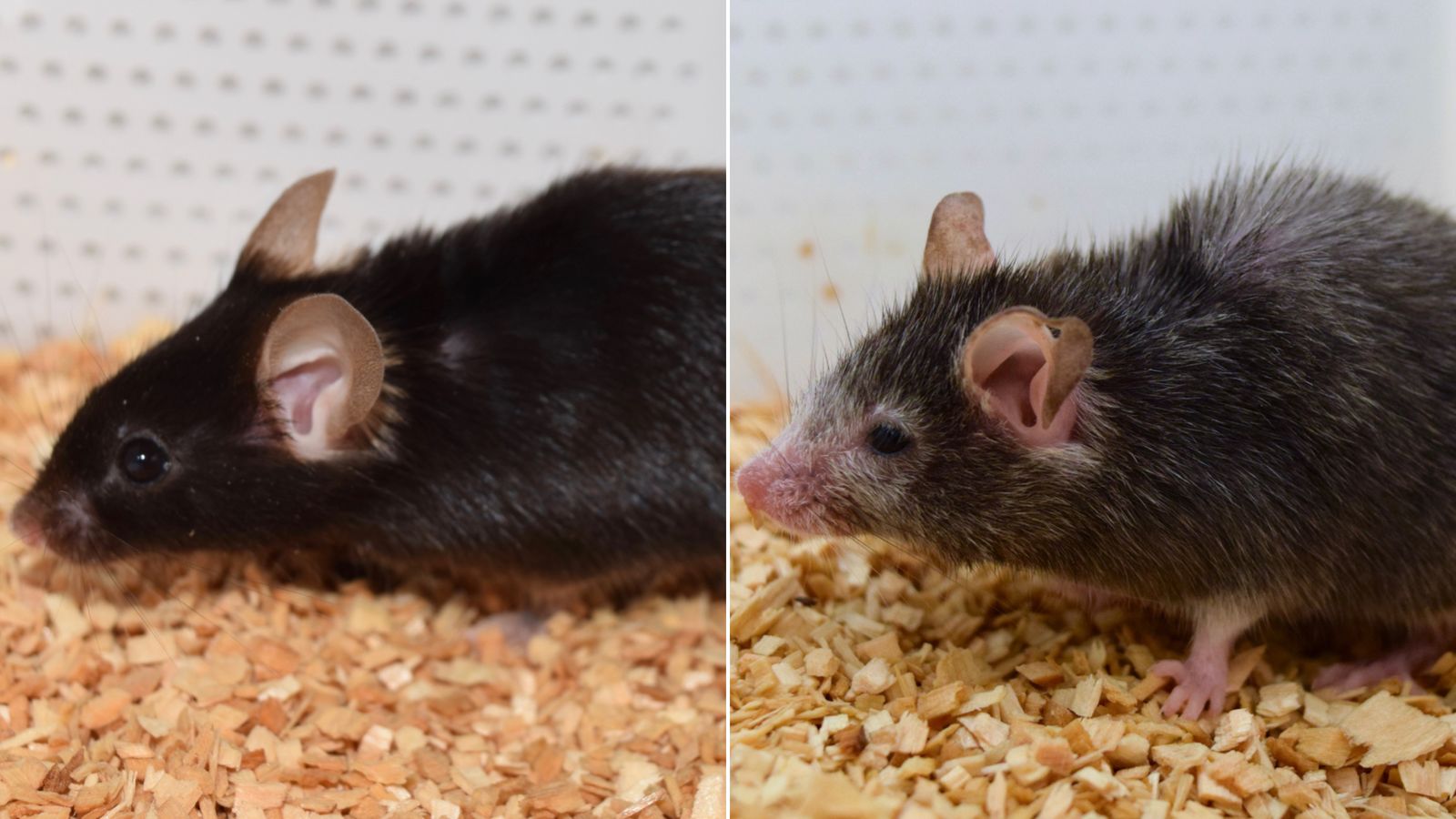
The brain’s ability to generate new neurons diminishes with age. Using CRISPR gene-editing technology, scientists have reactivated dormant neural stem cells in mice, promoting neuron growth and improving memory. While human brains are more complex, this research opens the door to potential therapies that could enhance cognitive function in older adults.
7. NAD⁺ Boosters to Enhance Cellular Energy and Repair

NAD⁺ is a molecule essential for energy production and DNA repair, but its levels decline with age. Supplements like nicotinamide mononucleotide (NMN) and nicotinamide riboside (NR) have restored NAD⁺ levels in animal studies, improving heart function and insulin sensitivity. These boosters act as cellular fuel, helping maintain repair processes and potentially slowing aging.
8. Repurposed Drugs with Longevity Benefits
Common medications such as rapamycin and metformin have shown unexpected anti-aging effects. Rapamycin inhibits pathways linked to aging and extended lifespan in mice, while metformin has been associated with slower brain aging and reduced age-related diseases in primates. Large clinical trials are underway to determine if these drugs can safely delay aging in humans.
9. Fasting and Fasting-Mimicking Diets
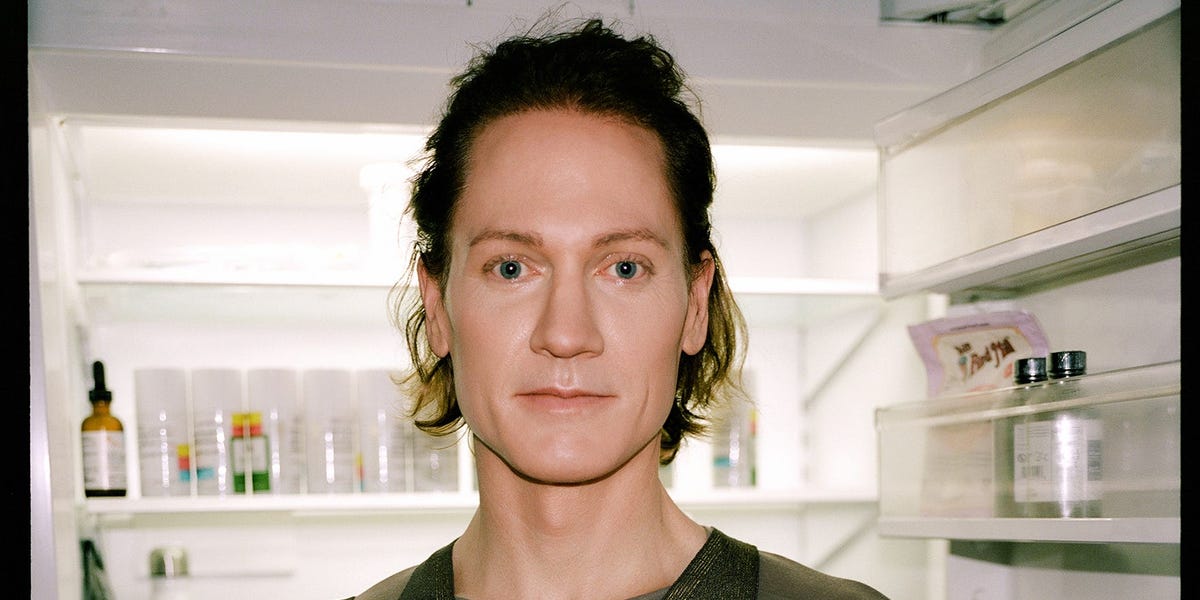
Caloric restriction triggers autophagy, a natural process where cells clean out damaged components and recycle materials. Fasting or fasting-mimicking diets have been shown to reduce biological age markers and improve immune function in humans. This approach encourages cellular renewal and resilience without requiring extreme dietary restrictions.
10. Gut Microbiome Transplants to Restore Youthful Balance
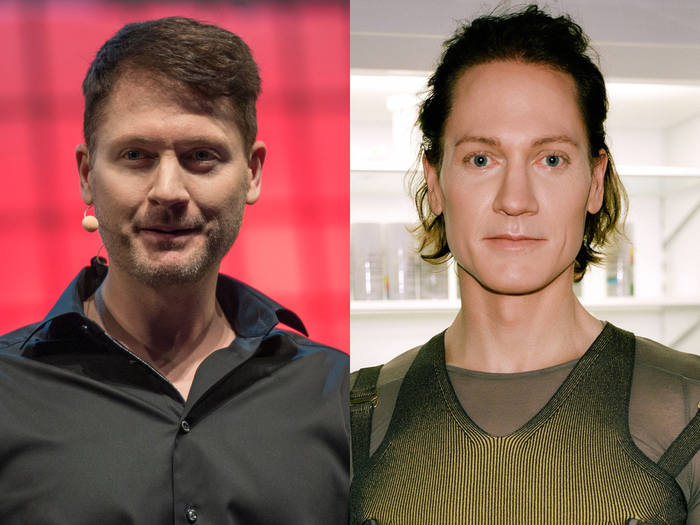
The gut microbiome influences digestion, immunity, and brain health. Aging disrupts microbial diversity, contributing to inflammation and decline. Transplanting gut microbes from young to old animals has improved cognition and reduced inflammation. Early human studies are exploring probiotics and microbiome transplants as ways to support healthier aging from the inside out.
Conclusion: Embracing Science-Backed Strategies to Age Gracefully
While the quest to completely stop aging remains a distant dream, science is rapidly uncovering ways to slow, reverse, or mitigate many age-related changes. From advanced gene editing and stem cell therapies to simple lifestyle adjustments like fasting, these approaches offer exciting possibilities to extend vitality and healthspan.
Taking proactive steps today—such as maintaining a balanced diet, staying physically active, and consulting healthcare professionals about emerging therapies—can help you age with strength and resilience. Stay informed about scientific breakthroughs and consider how these innovations might fit into your wellness journey.
Ready to explore the latest anti-aging strategies? Start by adopting healthy habits and stay tuned for new developments that could transform the way we age.