Olivia Munn Feels ‘Lucky’ Amid ‘Exhausting’ Breast Cancer Treatment
Olivia Munn’s Journey Through Breast Cancer Treatment
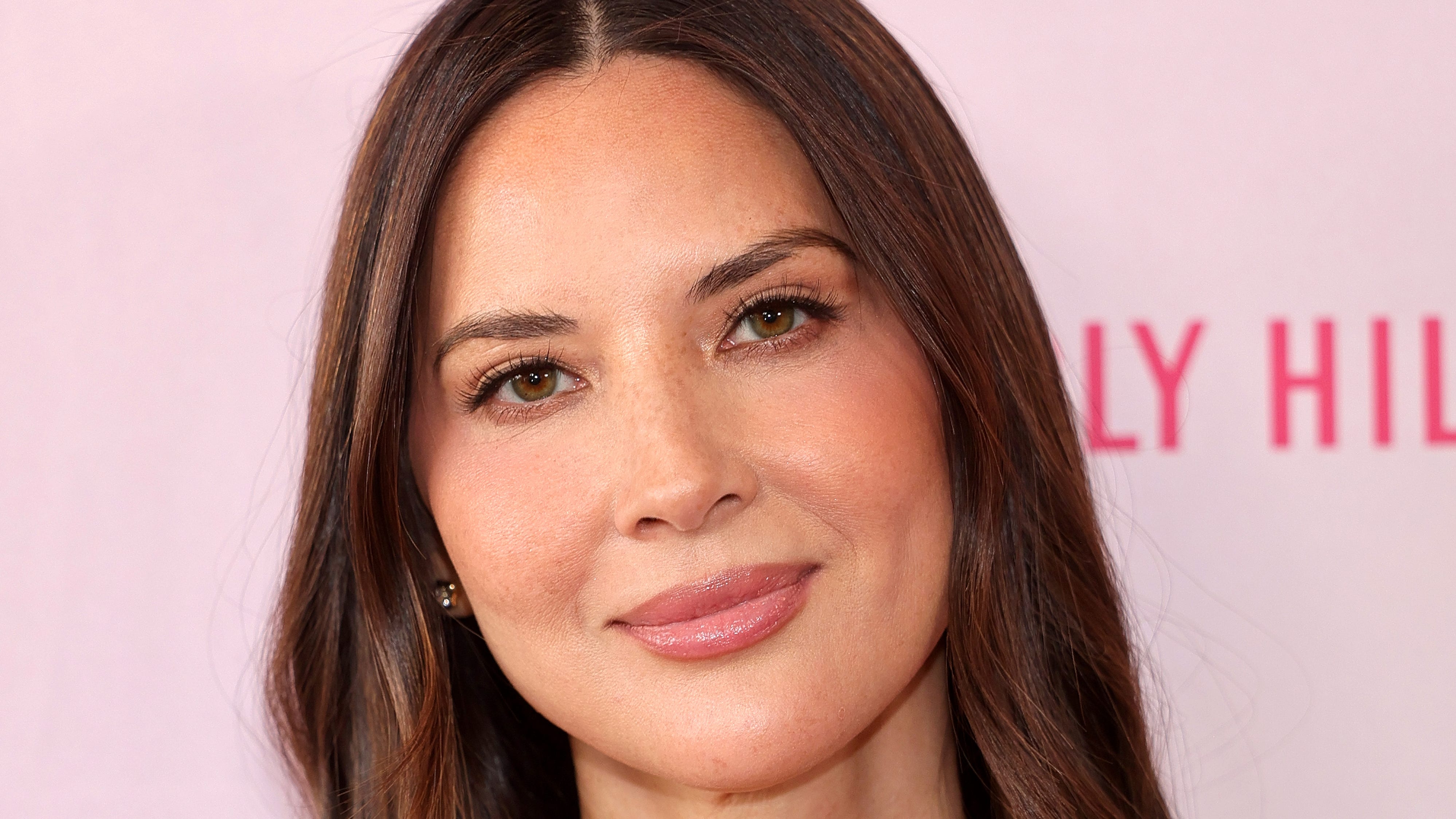
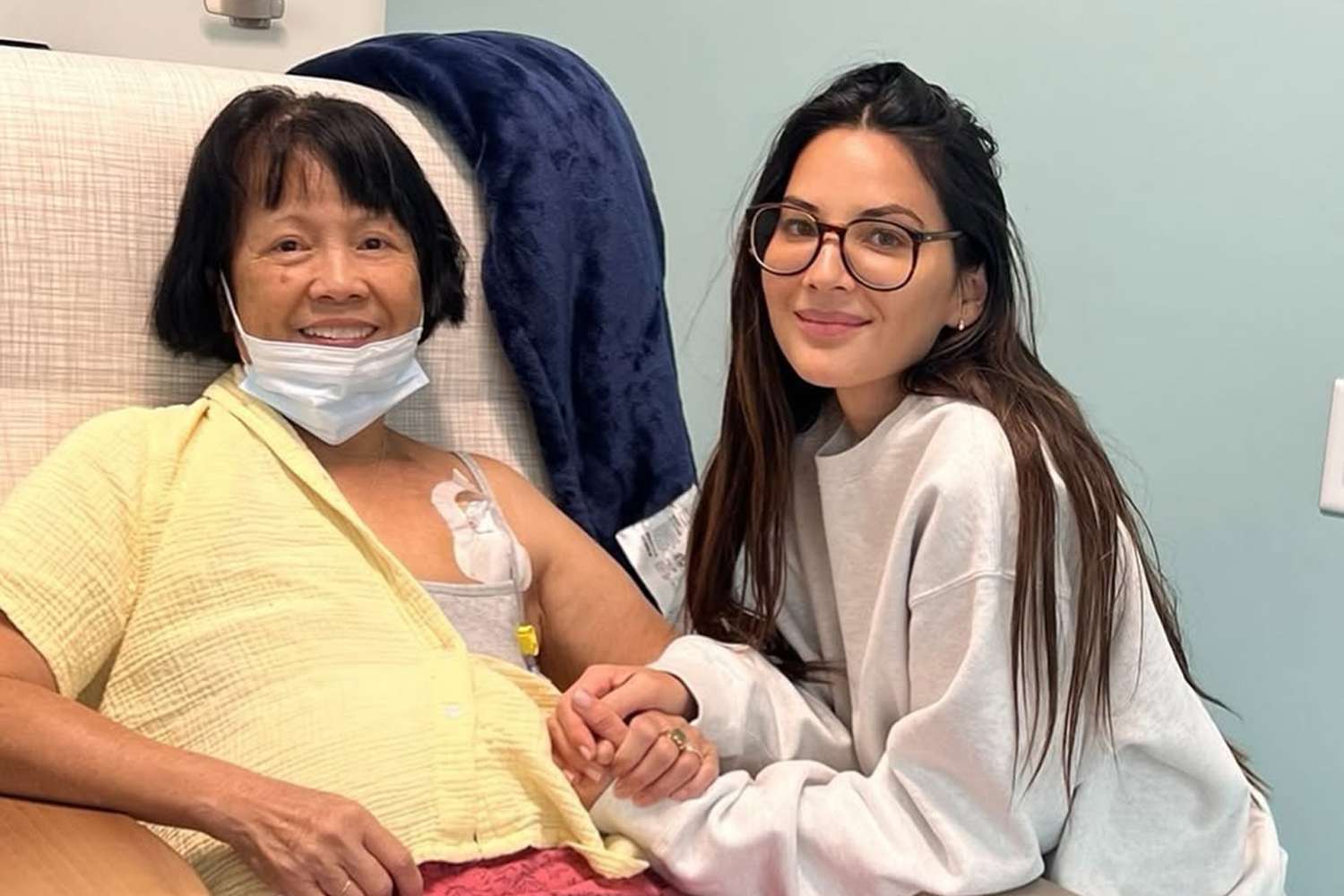
Olivia Munn, the acclaimed actress known for her roles in film and television, has been candid about her battle with breast cancer. Three years after her diagnosis and undergoing a double mastectomy, Munn continues to face the challenges of treatment, describing it as “exhausting” but also expressing a profound sense of gratitude for her survival. In a heartfelt interview, she shared how the ongoing medication and therapies take a toll on her energy, yet she remains positive and thankful for the opportunity to live and experience life’s precious moments.
Her story sheds light on the realities many breast cancer patients endure, highlighting both the physical and emotional challenges. Despite the hardships, Olivia’s perspective is inspiring—she does not see cancer as something that has taken away from her life but rather as a reminder to cherish every day.
Diagnosis and Treatment: From Risk Assessment to Surgery
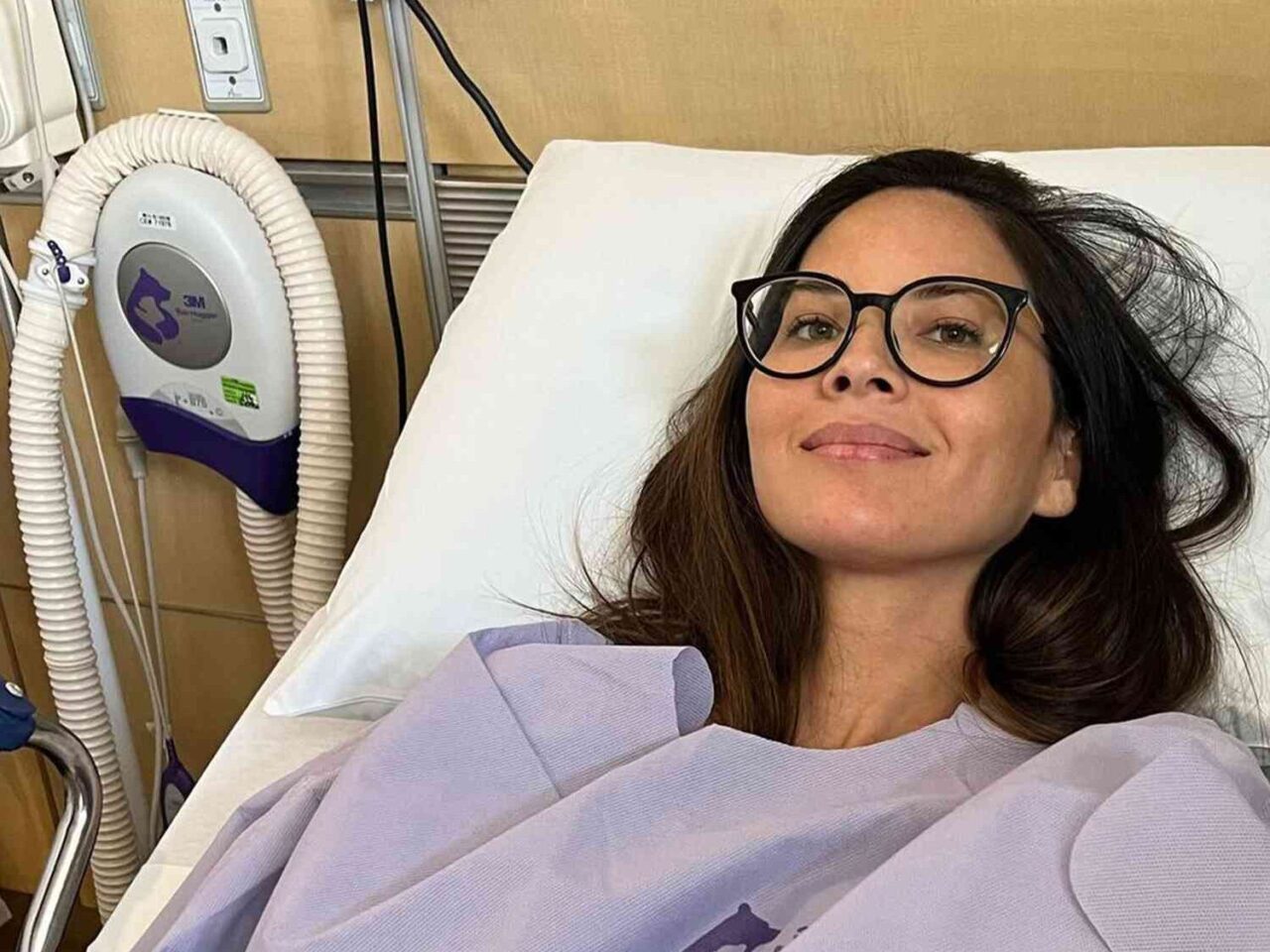
Olivia Munn’s breast cancer journey began after a routine mammogram and ultrasound showed no abnormalities. However, a deeper risk assessment using the Tyrer-Cuzick Risk Assessment Calculator revealed she had a 37% lifetime risk of developing breast cancer. This prompted further testing, including an MRI, a second ultrasound, and a biopsy. The biopsy results confirmed she had Luminal B breast cancer, a more aggressive and fast-moving type of cancer affecting both breasts.
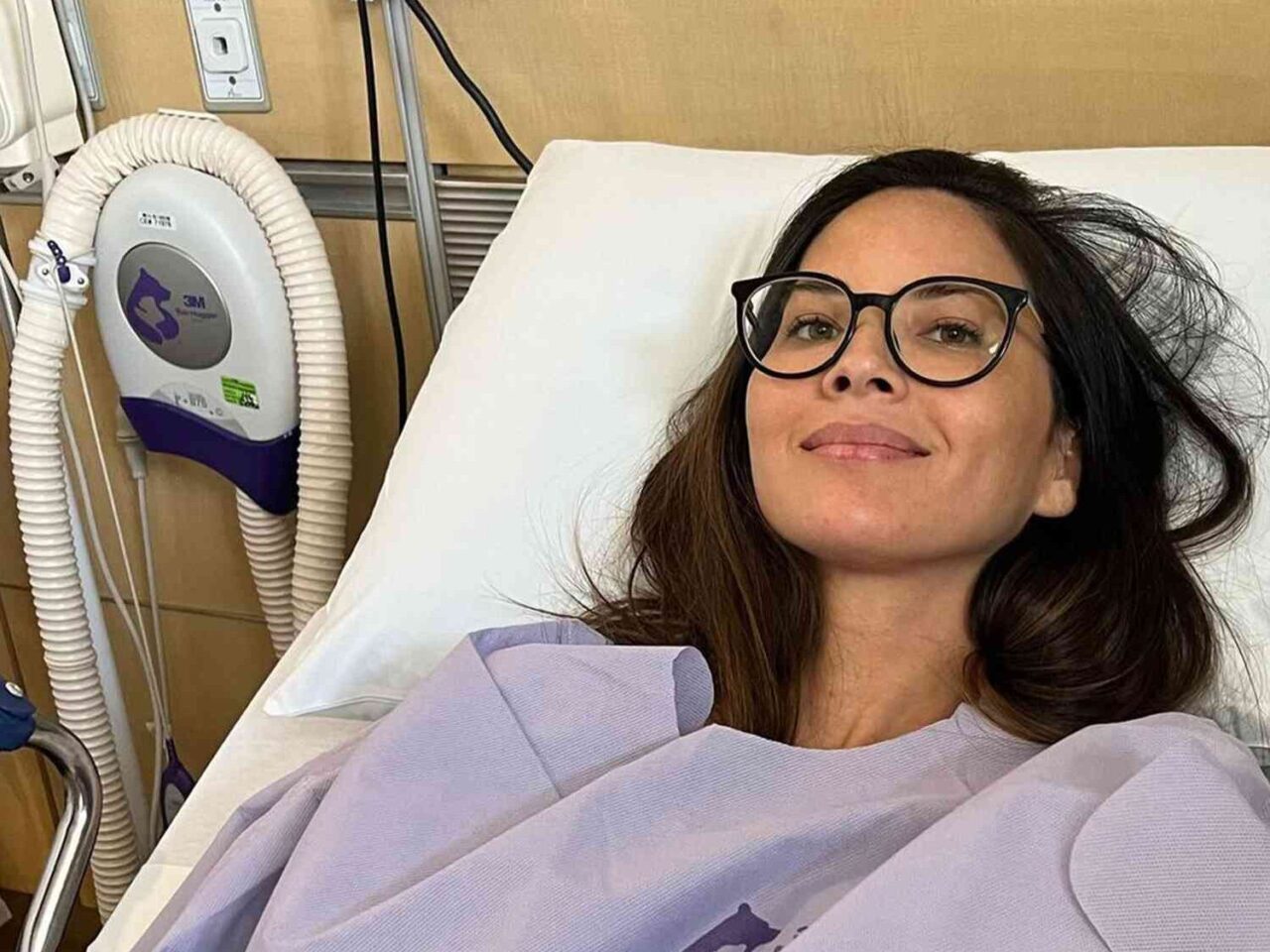
Following the diagnosis, Munn underwent extensive treatment, including a double mastectomy to remove both breasts, a partial hysterectomy, and an oophorectomy. These surgeries were critical steps in her fight against cancer. Despite the intensity of the treatment, Olivia shared that her current cancer score is zero, indicating no detectable cancer at this time.
Living with Breast Cancer: Finding Joy in the Everyday
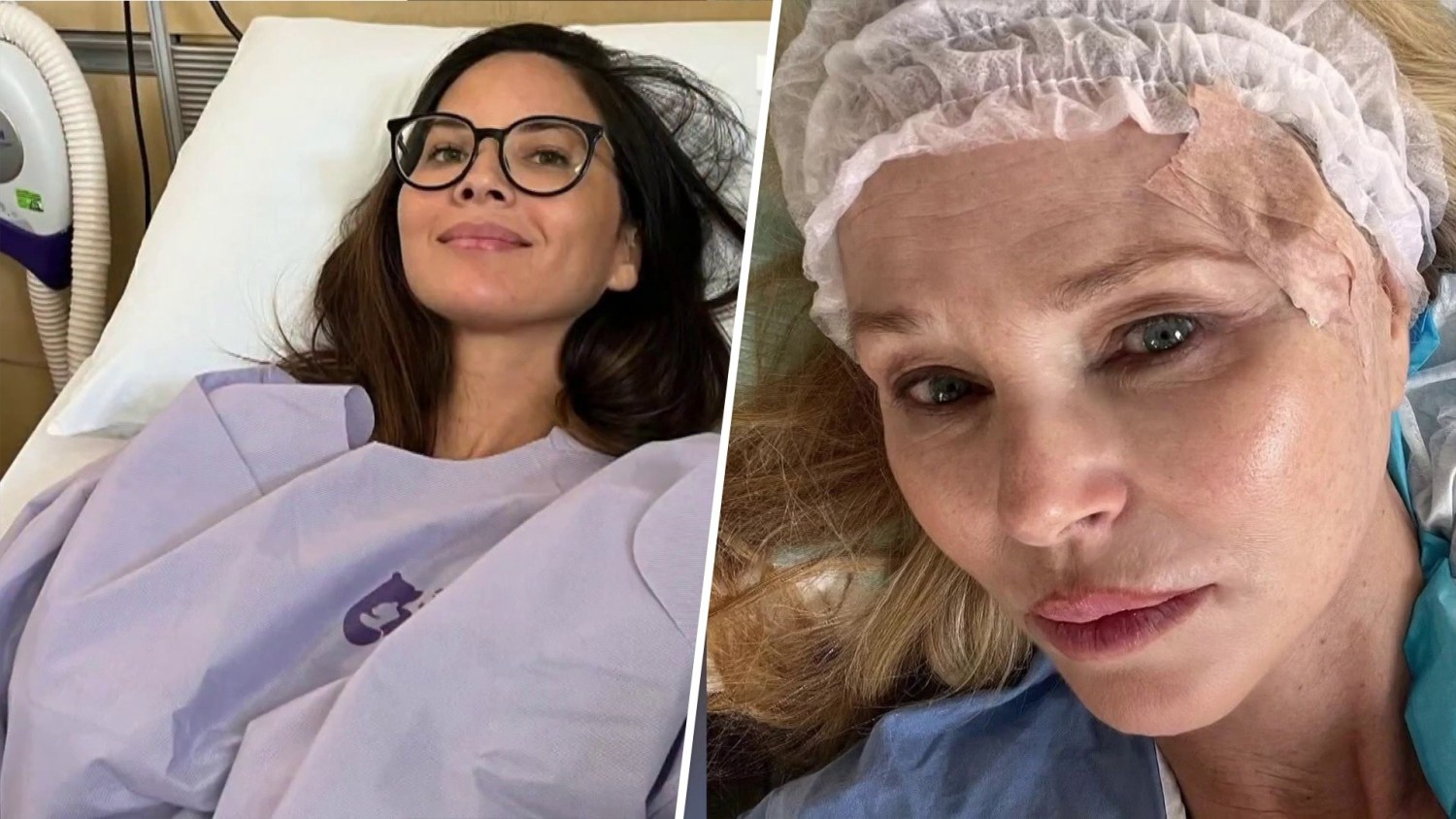
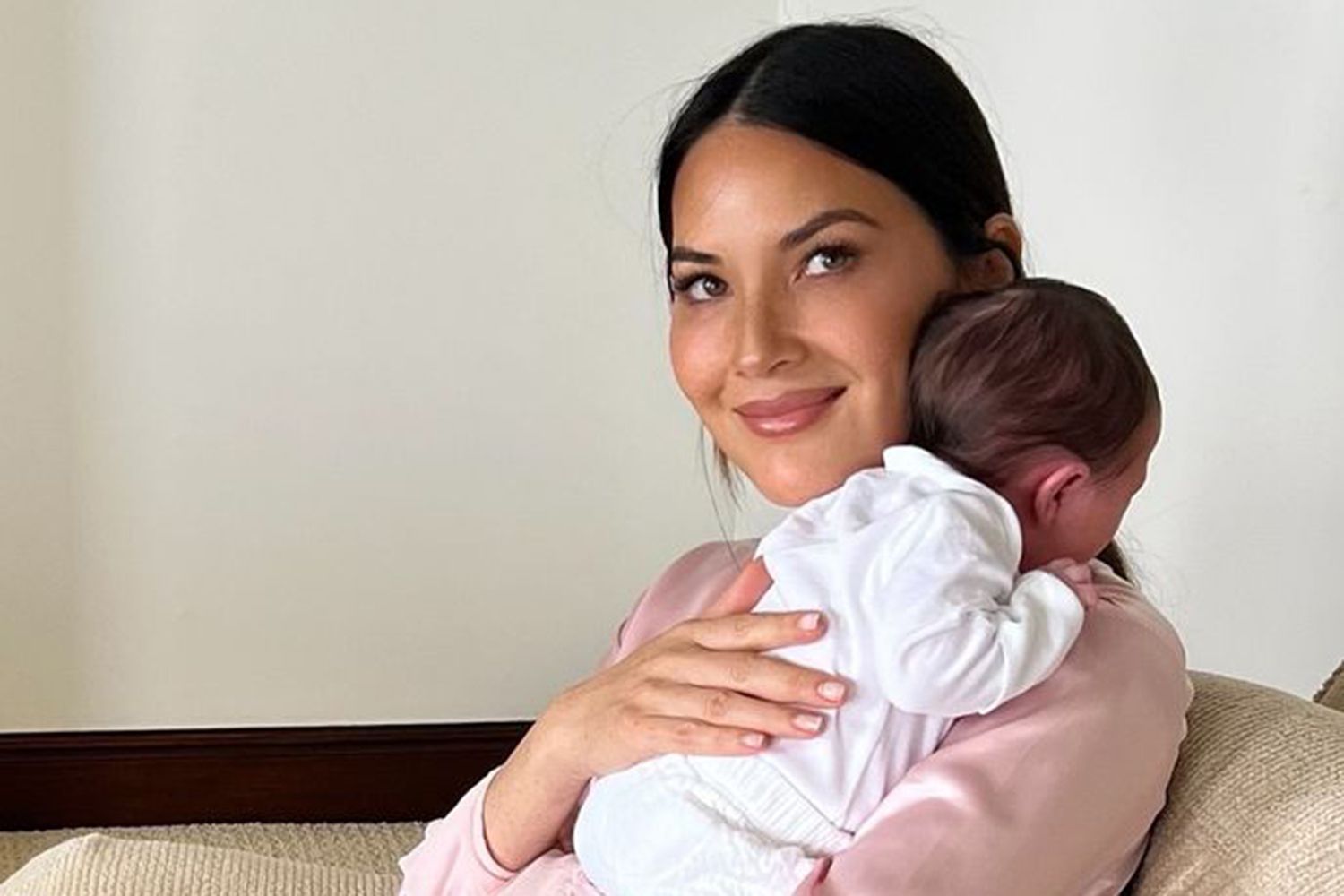
Although Olivia Munn’s treatment continues, including taking medications like Arimidex—which helps reduce estrogen production to prevent cancer recurrence—she emphasizes the importance of living in the moment. She encourages others to appreciate the small, everyday experiences that often go unnoticed, such as spending time with her children or simply being present during ordinary days.
Her message resonates deeply: life is not just about big celebrations but the tiny moments that make up our existence. This outlook has helped her cope with the uncertainty and exhaustion that come with cancer treatment. Olivia’s story serves as a powerful reminder to embrace gratitude and mindfulness, even amid health struggles.
Understanding Breast Cancer Risks and Screening
Olivia Munn’s experience underscores the importance of breast cancer awareness and proactive health measures. Breast cancer remains the second most common cancer among women, following skin cancer. Early detection through regular screenings significantly improves survival rates.
The Affordable Care Act mandates coverage for annual mammograms for women aged 40 and older, while the U.S. Preventive Services Task Force recommends mammogram screenings every two years for women aged 40 to 74 with average risk. Tools like the Breast Cancer Risk Assessment Tool provided by the National Cancer Institute help estimate an individual’s risk and guide decisions about screening frequency and preventive measures.
Survival rates vary depending on the stage at diagnosis: localized breast cancer has a five-year survival rate of over 99%, regional cancer about 86%, and metastatic cancer around 31%. These statistics highlight the critical role of early detection and treatment.
How Olivia Munn’s Story Inspires Awareness and Action

By sharing her journey, Olivia Munn not only raises awareness about breast cancer but also encourages women to take their health seriously. Her story illustrates that even when initial screenings appear normal, additional risk assessments and follow-up tests can be vital. Her courage in facing aggressive cancer and ongoing treatment is a beacon of hope for many.
Moreover, Olivia’s candidness about the emotional and physical toll of cancer treatment helps demystify the experience for others. It reminds us that while the path may be exhausting, there is strength in vulnerability and resilience.
Conclusion
Olivia Munn’s breast cancer journey is a testament to courage, resilience, and gratitude. Despite the exhausting nature of her treatment, she feels incredibly lucky to be alive and encourages everyone to cherish the small moments that make life meaningful. Her experience highlights the importance of breast cancer awareness, regular screenings, and early detection.
If you or a loved one are concerned about breast cancer risk, don’t wait—schedule a screening and consult with your healthcare provider today. Taking proactive steps can make all the difference in early diagnosis and successful treatment. Remember, every moment counts.