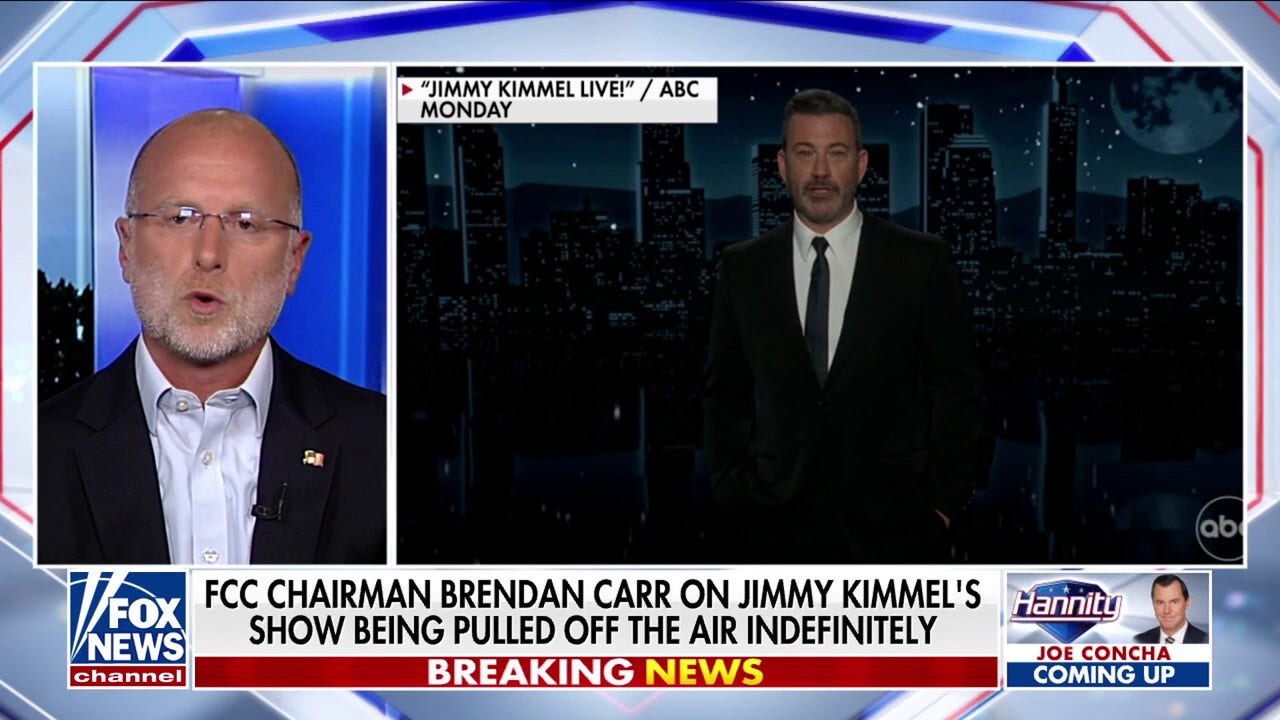
FCC Chair Claims He Never Threatened TV Networks Over Jimmy Kimmel
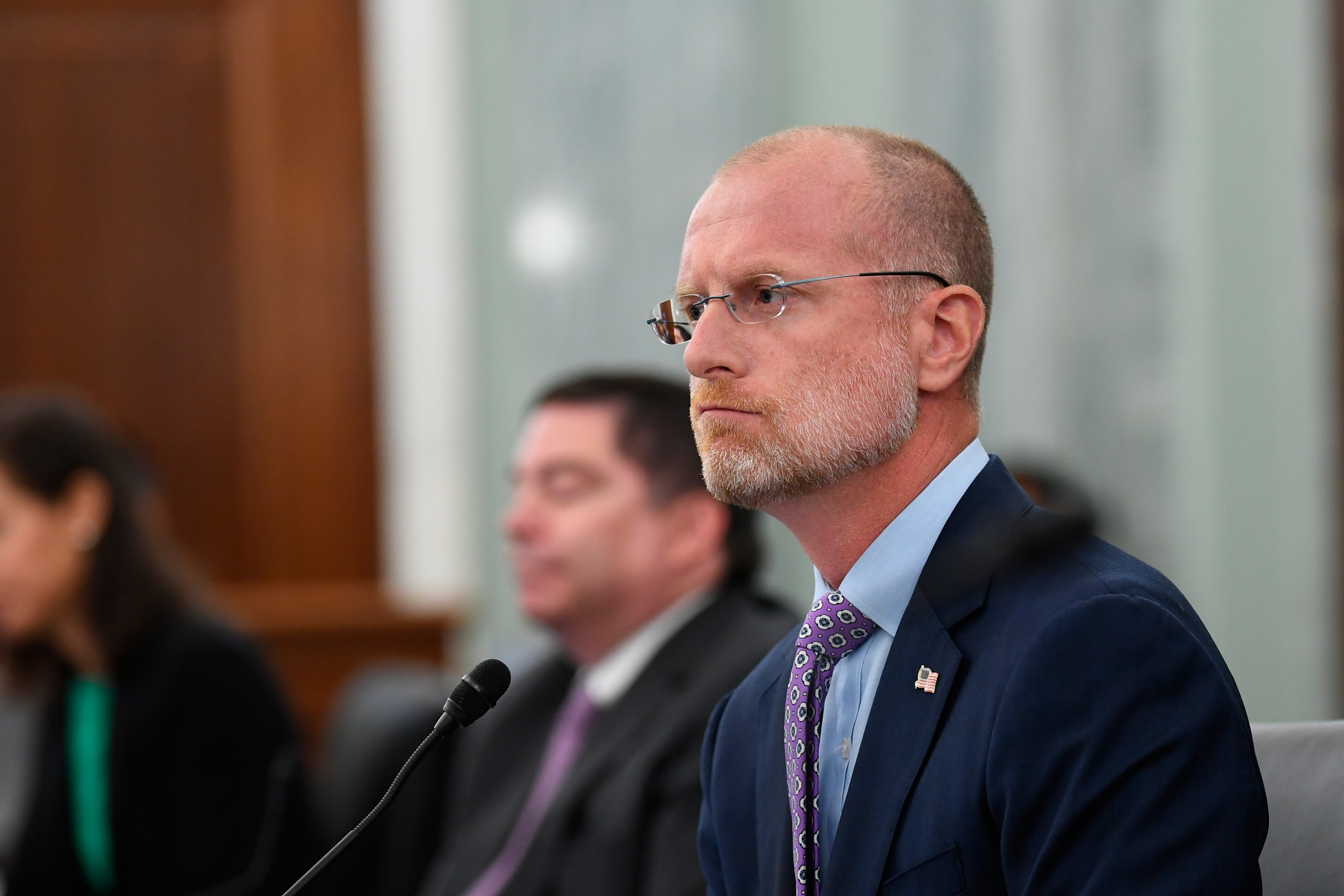
FCC Chair Brendan Carr Addresses Controversy Surrounding Jimmy Kimmel
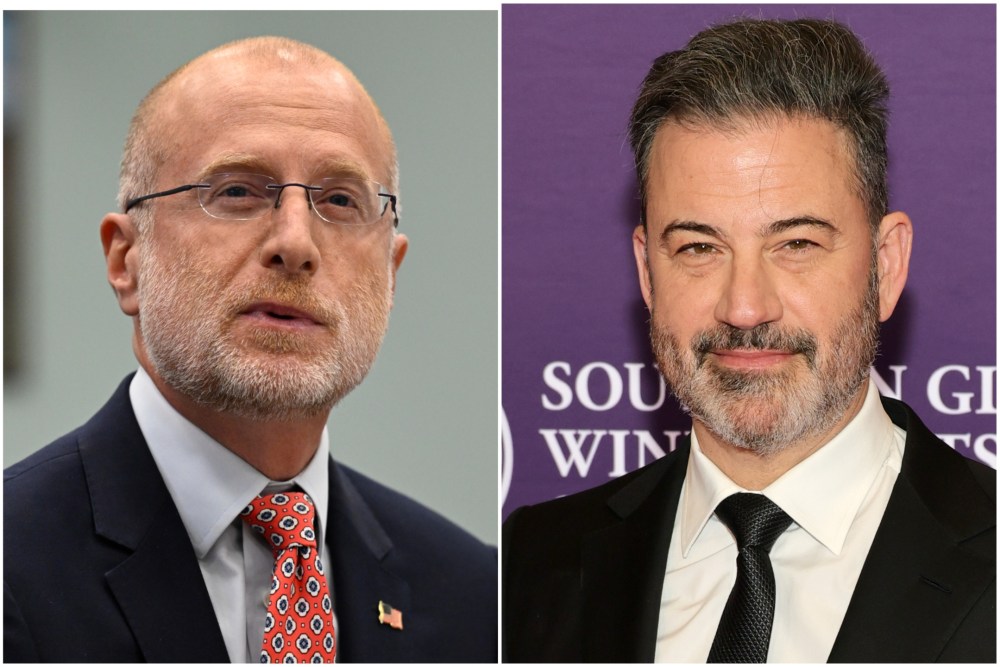
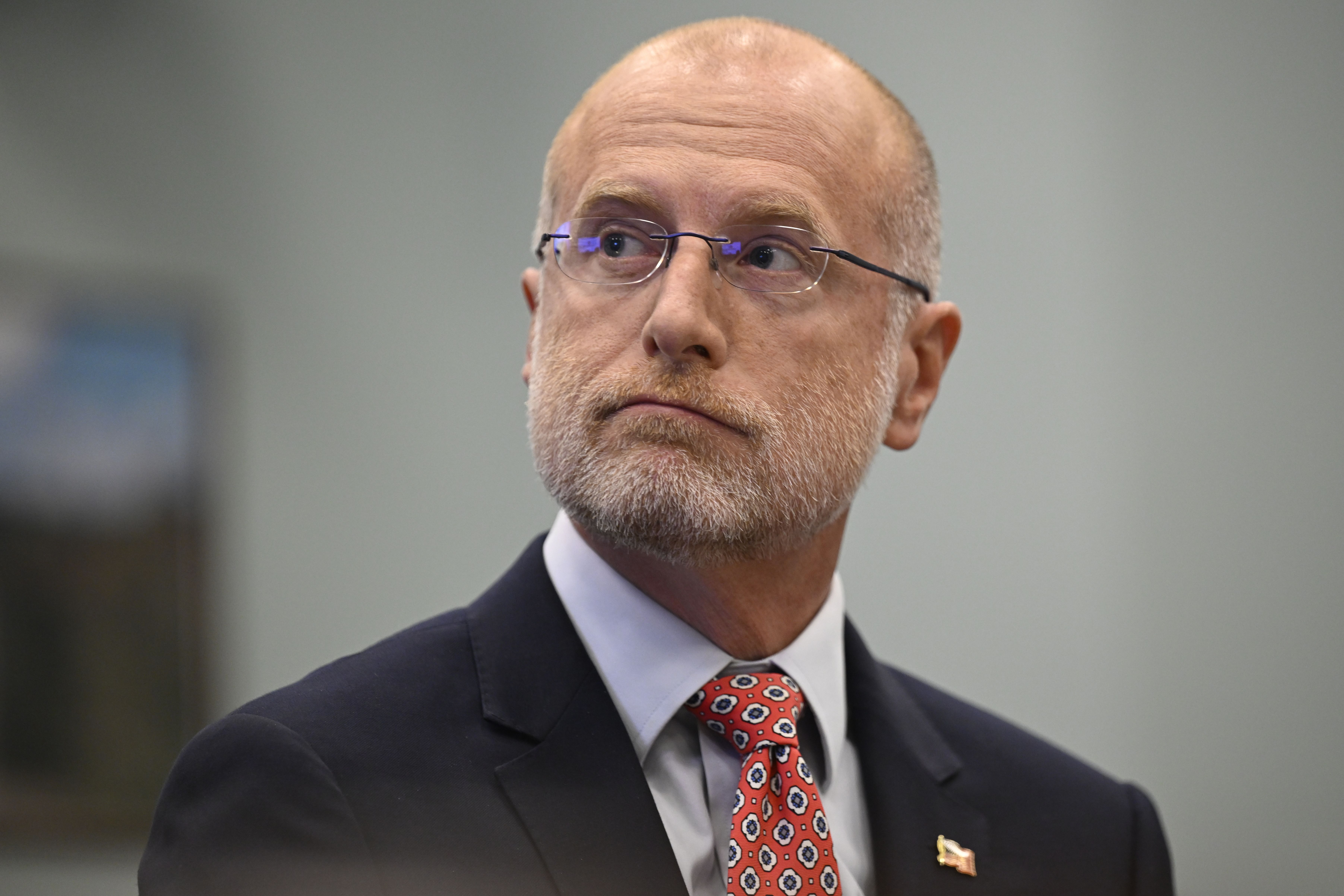
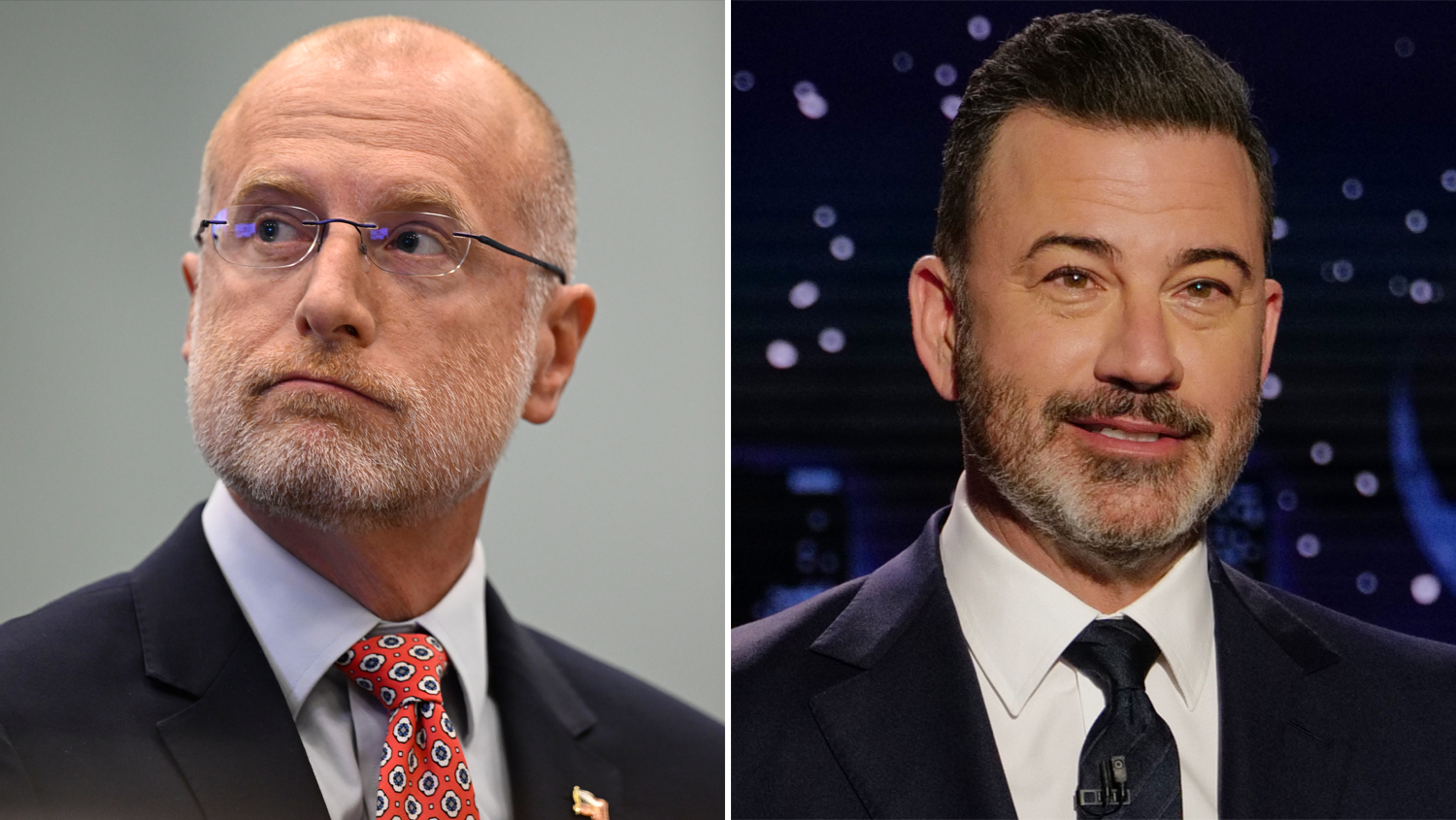
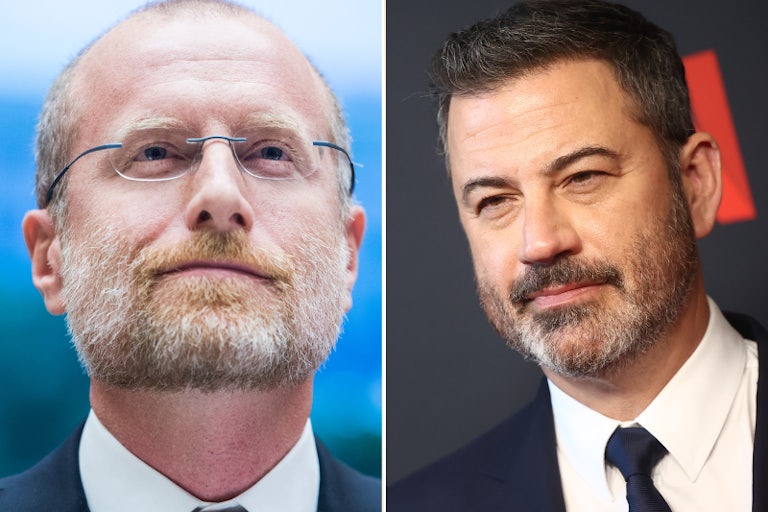
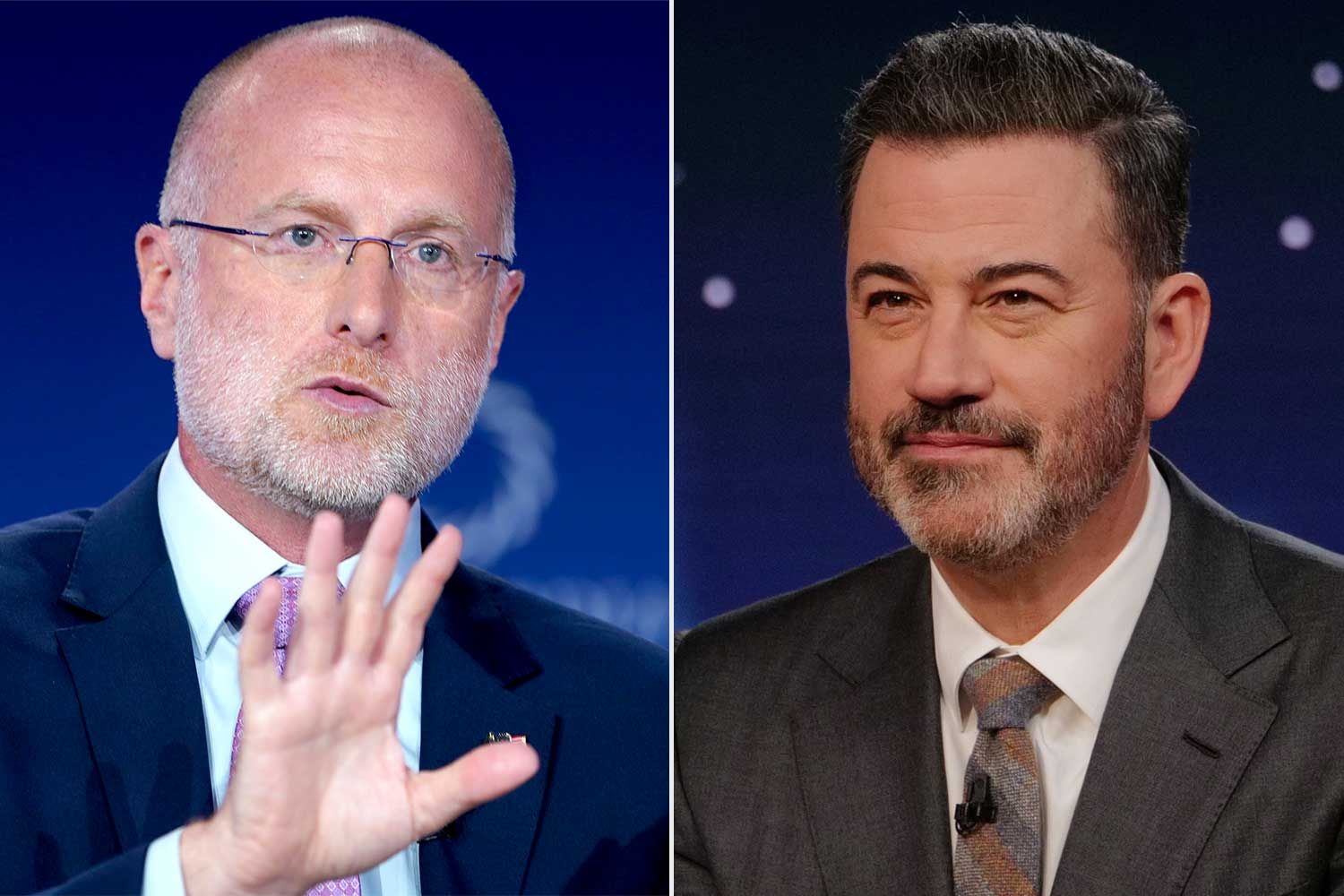
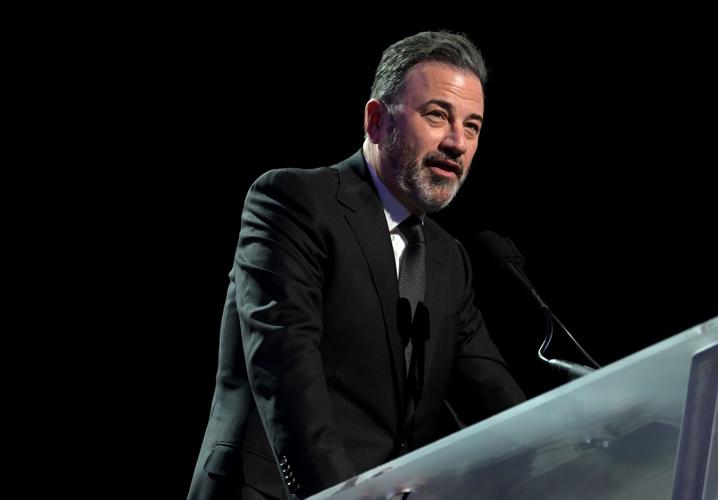
In recent weeks, the Federal Communications Commission (FCC) has been at the center of a heated debate involving late-night television host Jimmy Kimmel. Brendan Carr, the FCC Chair appointed during the Trump administration, has publicly denied allegations that he threatened television networks to stop airing Kimmel’s show. This controversy arose after several major networks, including Nexstar and Sinclair, chose to pre-empt “Jimmy Kimmel Live!” citing business reasons. Carr insists that his comments were taken out of context and that no official threats were made to broadcasters.
The controversy began when Carr appeared on a conservative podcast and urged network affiliates to take action following Kimmel’s critical remarks about the death of far-right commentator Charlie Kirk. Carr’s statement, “We can do this the easy way or the hard way,” was widely interpreted as a veiled threat, prompting backlash from Democrats, media watchdogs, and free speech advocates. However, Carr clarified during an FCC press conference that his words were misrepresented and that the networks’ decisions were independent business choices.
The Sequence of Events: From Comments to Network Decisions
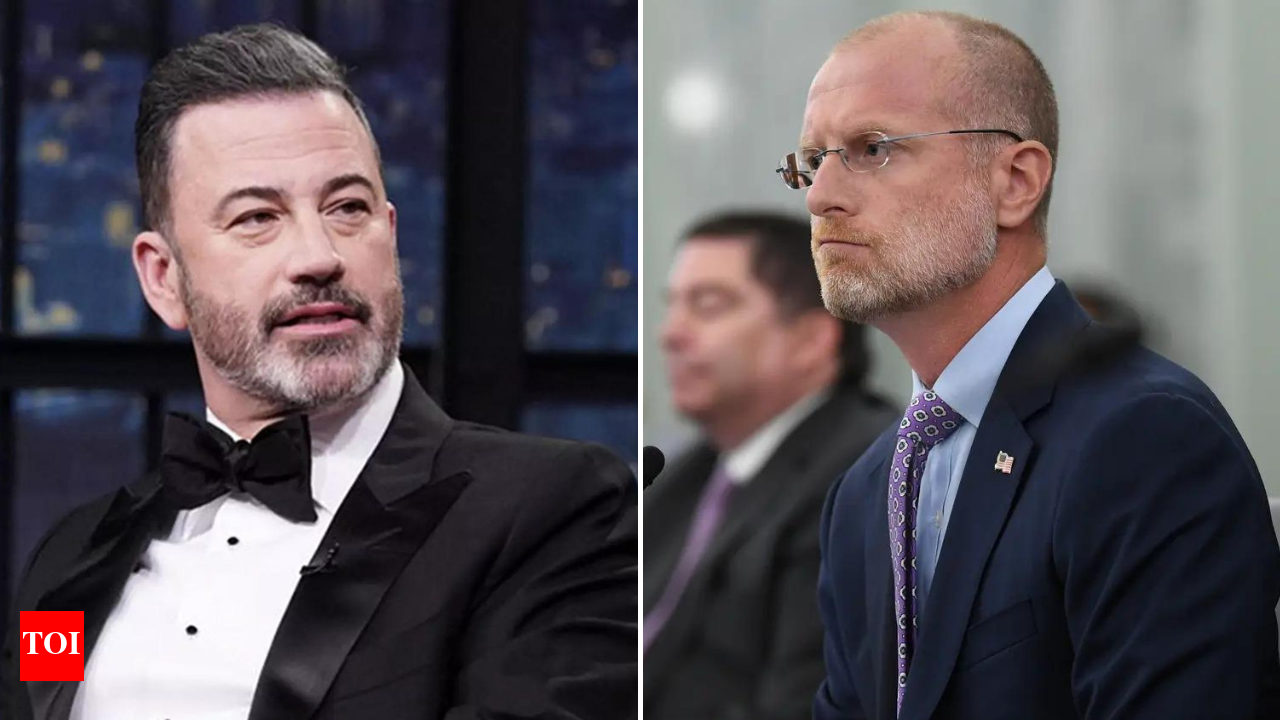
On September 17, ABC announced it would indefinitely pre-empt “Jimmy Kimmel Live!” shortly after Carr’s podcast appearance. This decision was quickly followed by Nexstar and Sinclair, two major carriers of ABC programming, who also pulled the show from their local stations. The swift response by these broadcasters appeared to validate concerns about FCC interference in media content.
However, the situation evolved rapidly. ABC reinstated the show the following week, and Nexstar and Sinclair resumed airing it as well. Reports suggest that the initial pullback was influenced by a wave of cancellations on Disney+, ABC’s parent company’s streaming service, indicating economic pressures rather than regulatory coercion.
Carr emphasized that the episode demonstrated a rare instance of local TV stations asserting their autonomy against national programming decisions. He described this pushback as a positive development, highlighting the importance of community-focused broadcasting.
Political Reactions and Free Speech Concerns
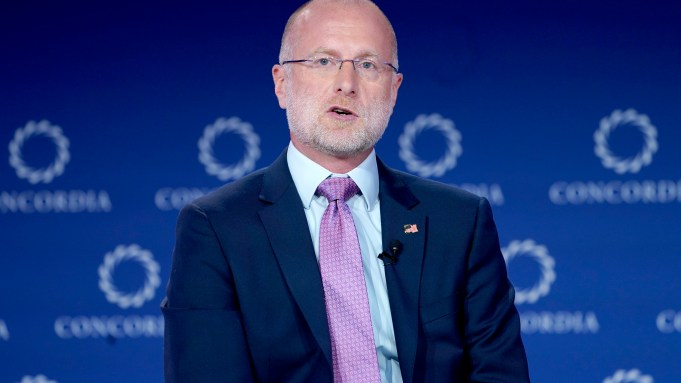
Carr’s remarks sparked criticism from across the political spectrum. Senator Ted Cruz, a Republican from Texas, labeled some of Carr’s comments as “dangerous as hell,” underscoring the sensitivity surrounding government involvement in media content. Meanwhile, FCC Commissioner Anna M. Gomez, the sole Democrat on the commission, accused the FCC under Carr’s leadership of threatening ABC and undermining First Amendment protections.
Gomez stated, “This FCC threatened to go after [ABC], seizing on a late night comedian’s comments as a pretext to punish speech it disliked.” She further warned that such actions risk setting a dangerous precedent for corporate capitulation and government censorship.
Carr, however, defended his position by pointing to past incidents where Democrats called for FCC reviews of broadcasters like Sinclair over controversial content mandates. He accused Senate Democrats of hypocrisy, suggesting that their criticism of his actions ignored similar conduct from their side.
The Broader Implications for Media and Regulation
This controversy has reignited debates about the role of the FCC in regulating broadcast content and the balance between protecting free speech and ensuring responsible media practices. Carr’s tenure as FCC Chair has been marked by a tough stance on broadcasters, often aligning with conservative viewpoints.
The incident involving Jimmy Kimmel’s show serves as a case study in the complex relationship between government agencies, media conglomerates, and public discourse. It raises questions about how much influence regulatory bodies should wield over programming decisions and the potential chilling effects on journalistic and creative expression.
Local broadcasters’ willingness to challenge national programming, as highlighted by Carr, may signal a shift toward greater decentralization in media control. However, the rapid reversal of the pre-emption also illustrates the powerful economic forces shaping content availability.
Conclusion
The FCC Chair Brendan Carr’s denial of threatening TV networks over Jimmy Kimmel underscores the ongoing tensions between government regulators and media freedom. While Carr insists his comments were misinterpreted and that network decisions were business-based, the episode highlights critical concerns about censorship, political pressure, and the independence of broadcasters.
As viewers and media professionals watch this situation unfold, it is essential to stay informed about how regulatory actions impact the content we consume daily. To keep up with the latest developments in media regulation and broadcast news, subscribe to our newsletter and join the conversation on protecting free speech in the digital age.