
5 Household Items That Are Damaging Your Health
Introduction: Hidden Health Risks in Everyday Household Items
Our homes are meant to be sanctuaries of comfort and safety, yet many everyday household items we rely on might be silently harming our health. While these products are designed to make life easier, they often contain chemicals or harbor bacteria that can lead to a range of health problems—from minor irritations to serious chronic conditions. Understanding which common household items pose risks is the first step toward creating a healthier living environment. In this article, we explore five household items that are damaging your health and offer practical tips to reduce their impact.
1. Disinfectant Sprays: Germ Killers with Hidden Dangers

Disinfectant sprays are widely used to eliminate germs and maintain cleanliness, especially in kitchens and bathrooms. However, many of these sprays contain harsh chemicals such as quaternary ammonium compounds (QACs), ethanolamine, ammonium hydroxide, and MIPA-borate. While effective at killing bacteria, these substances can cause respiratory irritation, skin problems, and even contribute to asthma when exposure is chronic.
For example, QACs have been linked to respiratory issues and skin irritation over time. Ethanolamine is toxic to both humans and aquatic life, while ammonium hydroxide can damage eyes, skin, and lungs. MIPA-borate has raised concerns due to its potential effects on development and reproduction.
Some popular disinfectant brands have faced scrutiny for not fully disclosing their ingredients, making it difficult for consumers to make informed choices. To minimize health risks, consider switching to safer alternatives such as Seventh Generation, Citra Solv, or Clean Boss, which have better safety ratings. You can also create your own disinfectant solutions using natural ingredients like vinegar and essential oils.
Tips for Safer Disinfecting
- Read labels carefully and avoid products with harsh chemicals.
- Use natural disinfectants like diluted vinegar or hydrogen peroxide.
- Ventilate rooms well when using any cleaning sprays.
- Wear gloves to protect your skin during cleaning.
2. Kitchen Sponges: Bacteria Hotspots in Disguise
Sponges are indispensable for cleaning dishes and surfaces, but they can become breeding grounds for harmful bacteria such as E. coli, salmonella, listeria, and staphylococcus. These pathogens thrive in the moist, porous environment of sponges, posing risks of foodborne illnesses and infections.
Studies show that sponges can harbor more bacteria than many other household items, making them a significant health hazard if not properly maintained. To reduce bacterial buildup, it’s essential to sanitize sponges regularly. Microwaving a damp sponge for one to two minutes or running it through a dishwasher cycle can kill up to 99.99999% of bacteria.
How to Keep Your Sponges Safe
- Microwave damp sponges for 1-2 minutes to disinfect.
- Run sponges through the dishwasher on a hot cycle.
- Replace sponges weekly to prevent bacterial accumulation.
- Consider using alternatives like dish brushes or silicone scrubbers.
3. Plastic Food Containers: Convenience at a Cost
Plastic containers are a staple in food storage due to their convenience and affordability. However, many plastics contain harmful chemicals such as bisphenol A (BPA), phthalates, and per- and polyfluoroalkyl substances (PFAS), which can leach into food, especially when heated.
BPA and phthalates are endocrine disruptors that mimic estrogen and can interfere with hormone production, potentially leading to thyroid problems, certain cancers, weight gain, and diabetes. Even BPA-free plastics sometimes contain bisphenol S (BPS), which has been linked to mood disorders and health issues like breast cancer.
To protect your health, opt for glass or stainless steel containers for food storage and reheating. These materials do not release harmful chemicals and are more environmentally friendly.
Safe Food Storage Practices
- Avoid microwaving food in plastic containers.
- Choose glass or stainless steel containers whenever possible.
- Discard old or scratched plastic containers that may leach chemicals.
- Look for products labeled free of BPA, phthalates, and PFAS.
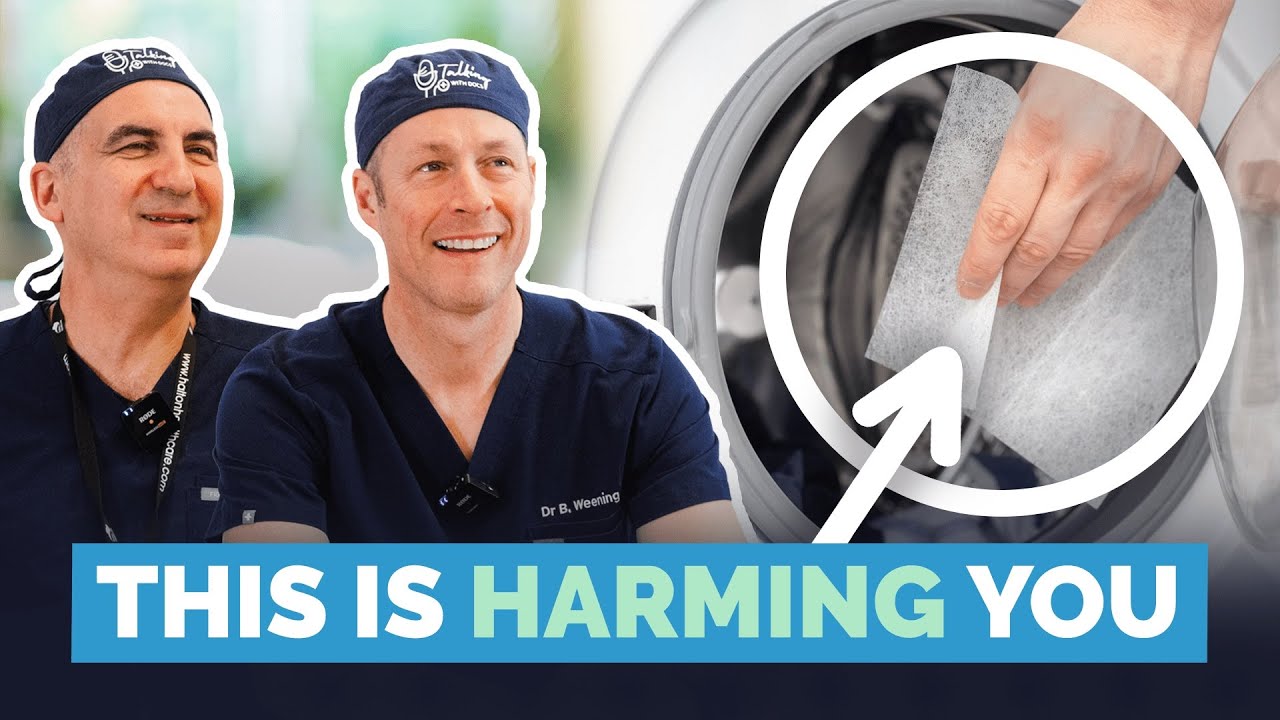
4. Dryer Sheets: Fresh Smells with Toxic Consequences
Dryer sheets are popular for adding fragrance and softness to laundry, but many contain volatile organic compounds (VOCs) and synthetic fragrances that can trigger health problems. VOCs are gases emitted from solids or liquids that may cause eye, nose, and throat irritation, headaches, nausea, and in some cases, long-term effects like cancer.
One challenge with dryer sheets is the lack of ingredient transparency; manufacturers are not required to disclose all chemicals used, making it difficult to assess their safety. To avoid exposure to these toxins, consider natural alternatives such as wool dryer balls infused with essential oils or simply air-drying clothes.
Alternatives to Conventional Dryer Sheets
- Use wool dryer balls to soften clothes naturally.
- Add a few drops of essential oils to dryer balls for fragrance.
- Air dry clothes when possible to eliminate chemical exposure.
- Choose fragrance-free or naturally scented laundry products.
5. Pillows: More Than Just Comfort
While often overlooked, pillows can significantly impact your health, particularly your sleep quality and musculoskeletal well-being. An unsupportive pillow can cause neck and back pain, disrupt sleep, and exacerbate conditions like sleep apnea.
Poor sleep quality due to an inadequate pillow can lead to chronic pain, mood disturbances, weight gain, and increased stress levels. For individuals using CPAP machines for sleep apnea, the wrong pillow can dislodge the mask, reducing treatment effectiveness and oxygen intake.
To promote better health, choose pillows that maintain the natural alignment of your neck and spine. Replace pillows every year to avoid accumulation of dust mites and allergens that can worsen respiratory issues.
Choosing the Right Pillow for Health
- Select pillows that support your preferred sleeping position.
- Look for hypoallergenic materials to reduce allergens.
- Replace pillows regularly to maintain hygiene and support.
- Consult a healthcare provider if you have sleep disorders.
Conclusion: Take Control of Your Home’s Health
Your home should be a safe haven, but many common household items may be damaging your health without you realizing it. From disinfectant sprays and sponges to plastic containers, dryer sheets, and pillows, these everyday products can introduce harmful chemicals and bacteria into your environment. By becoming aware of these hidden hazards and making informed choices—such as opting for natural cleaning alternatives, sanitizing sponges properly, switching to glass containers, avoiding toxic dryer sheets, and selecting supportive pillows—you can protect your well-being and that of your loved ones.
Start today by evaluating the products in your home and replacing those that pose health risks. Your body and mind will thank you for creating a cleaner, safer living space. For more tips on healthy living and safe household products, subscribe to our newsletter and stay informed!