The Medical Reason That Explains Robert F. Kennedy Jr.’s Voice
Understanding the Medical Reason That Explains Robert F. Kennedy Jr.’s Voice
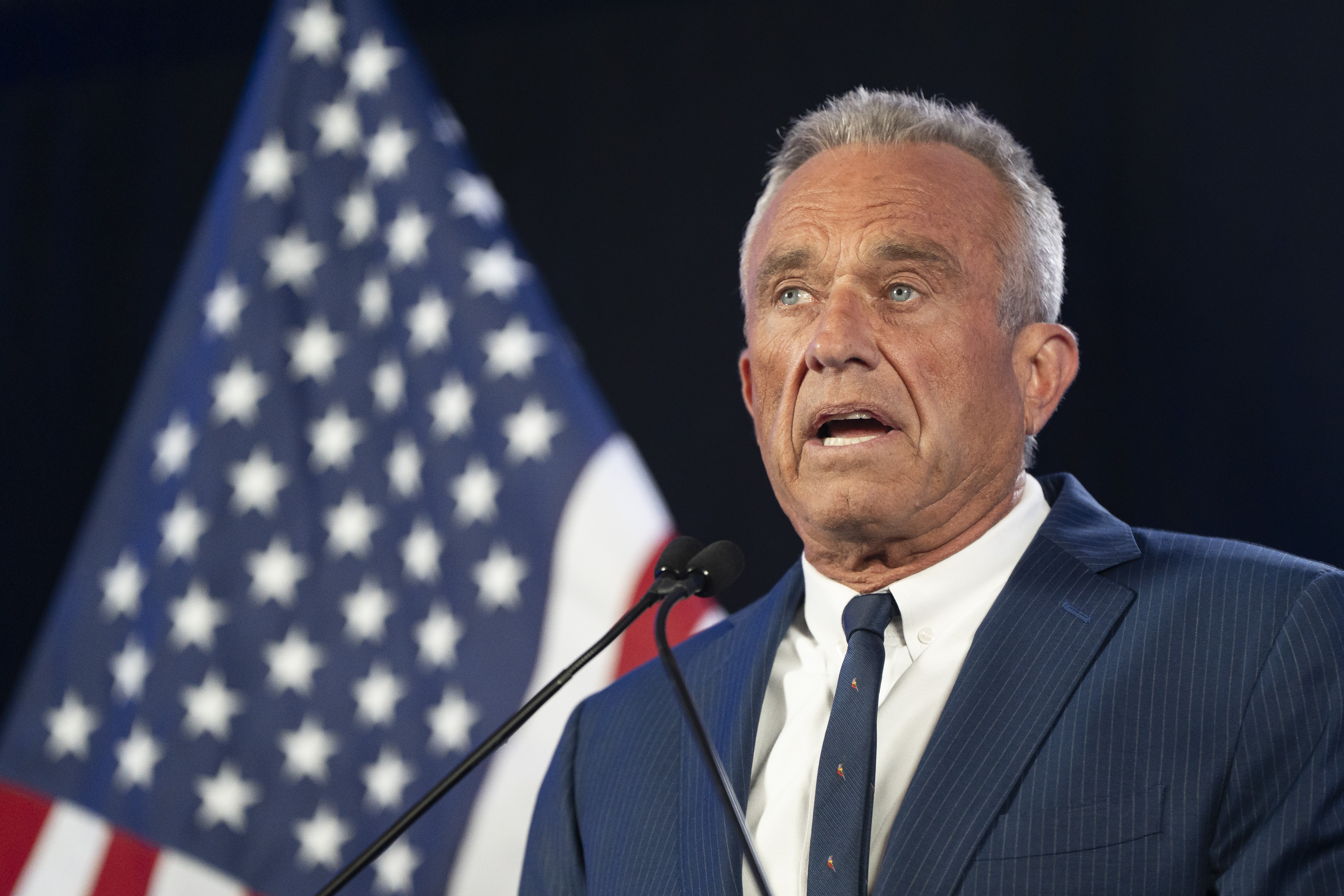
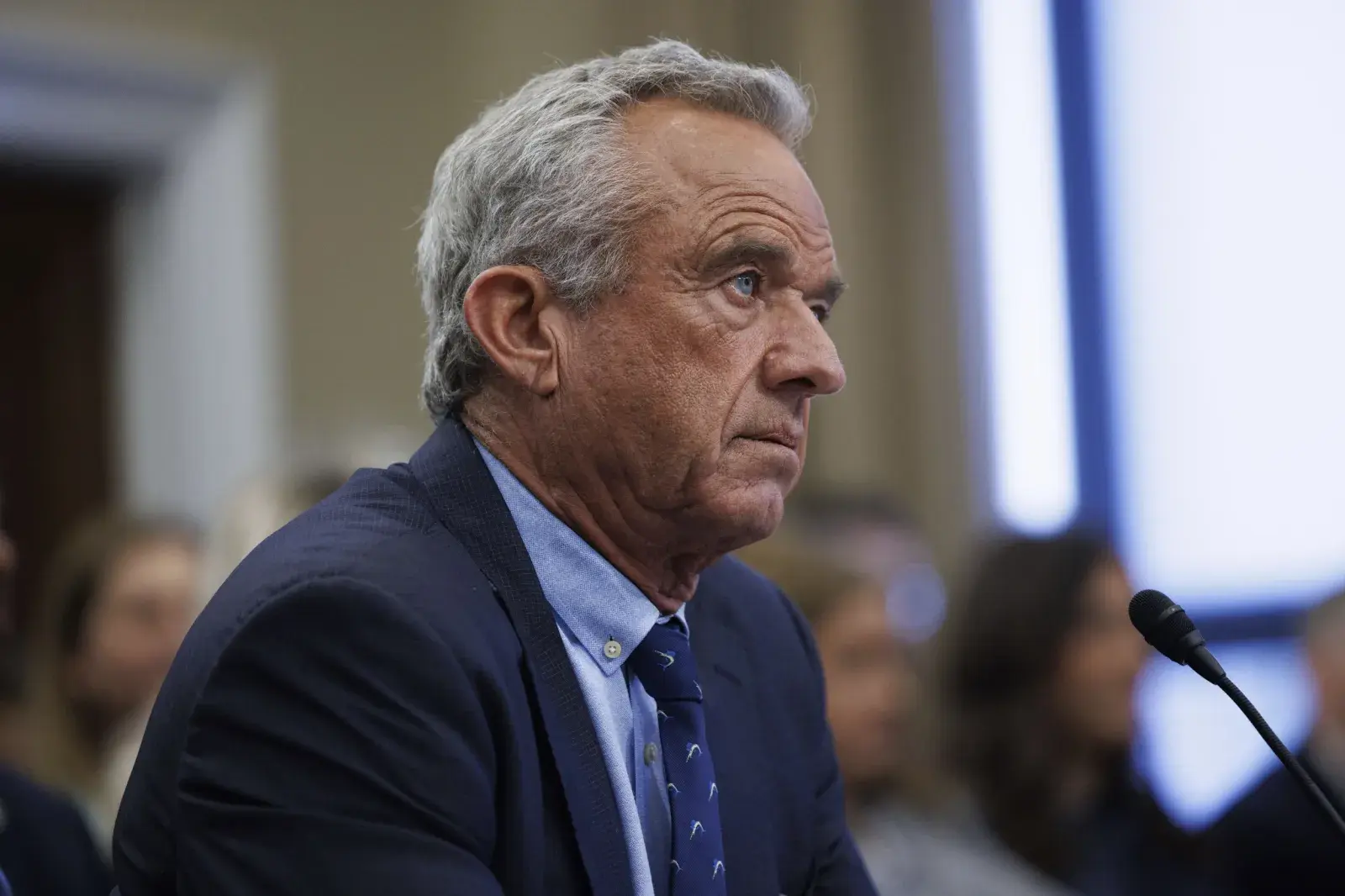
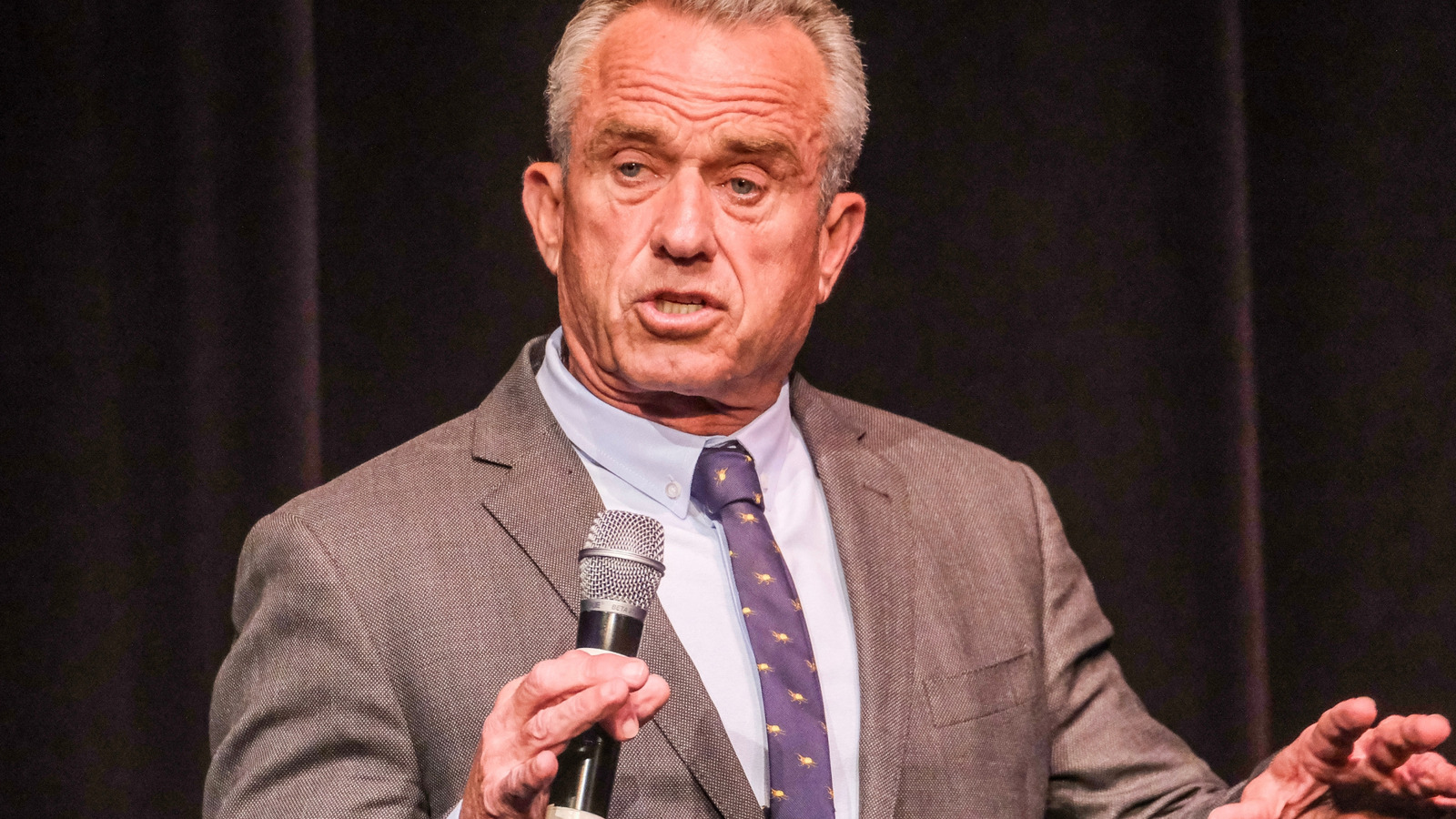
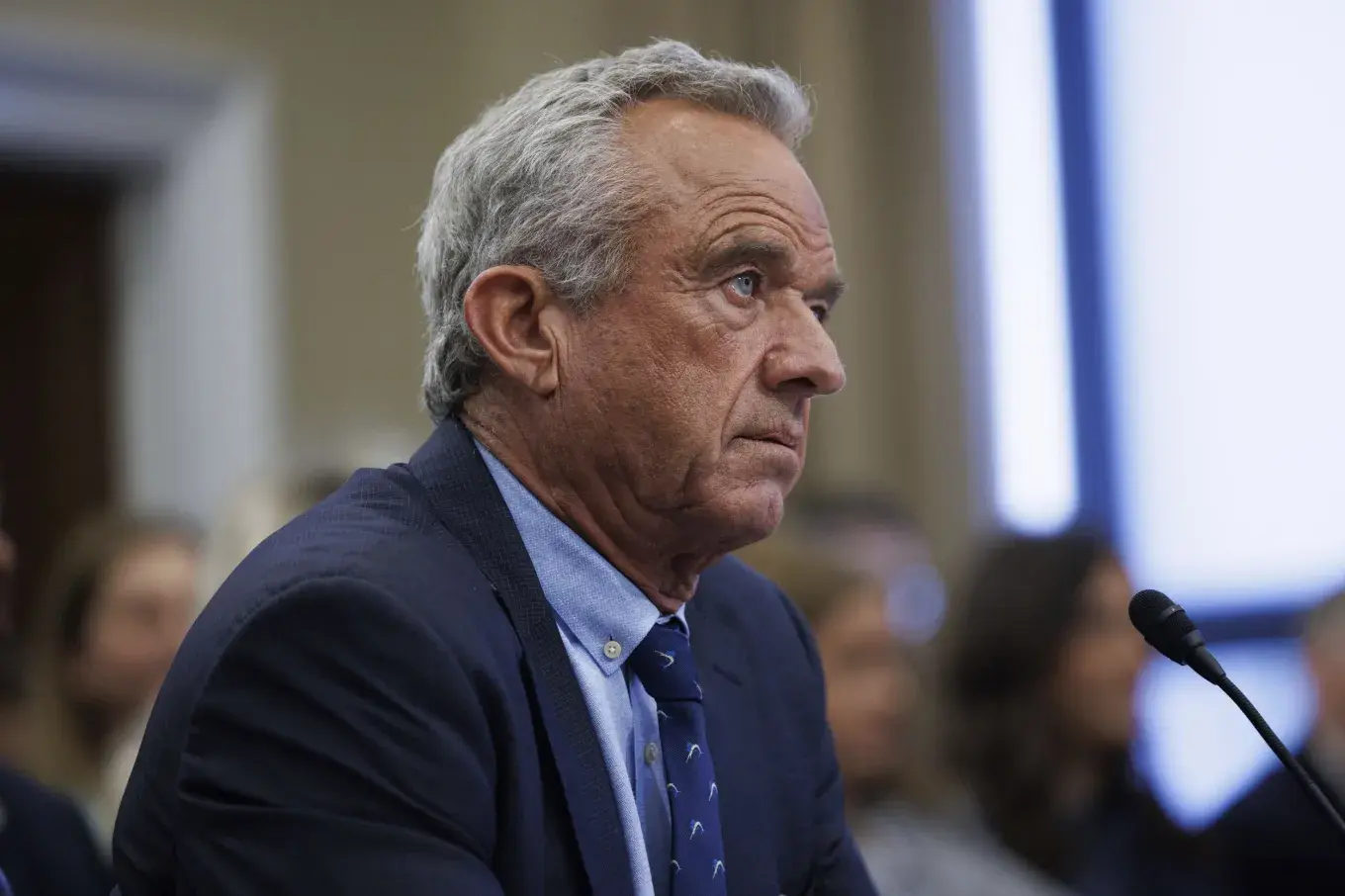
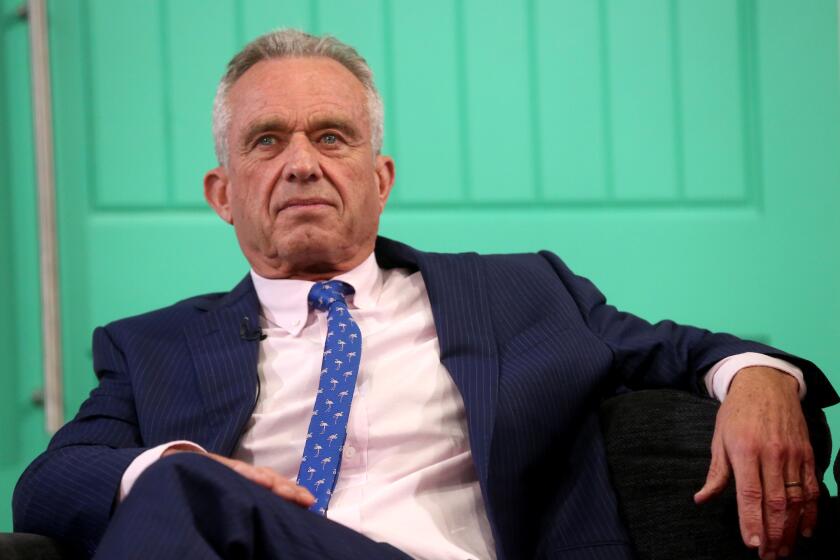
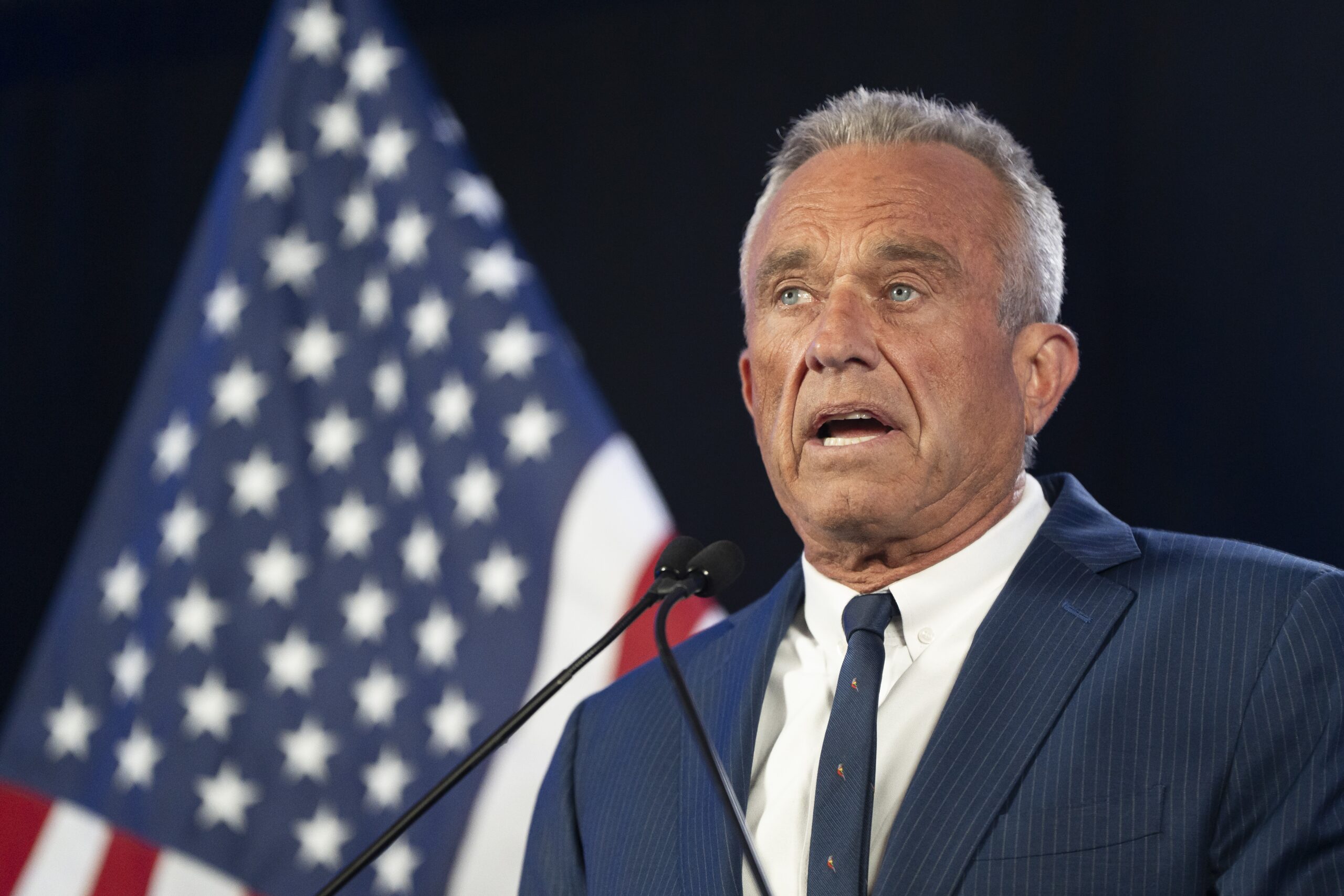
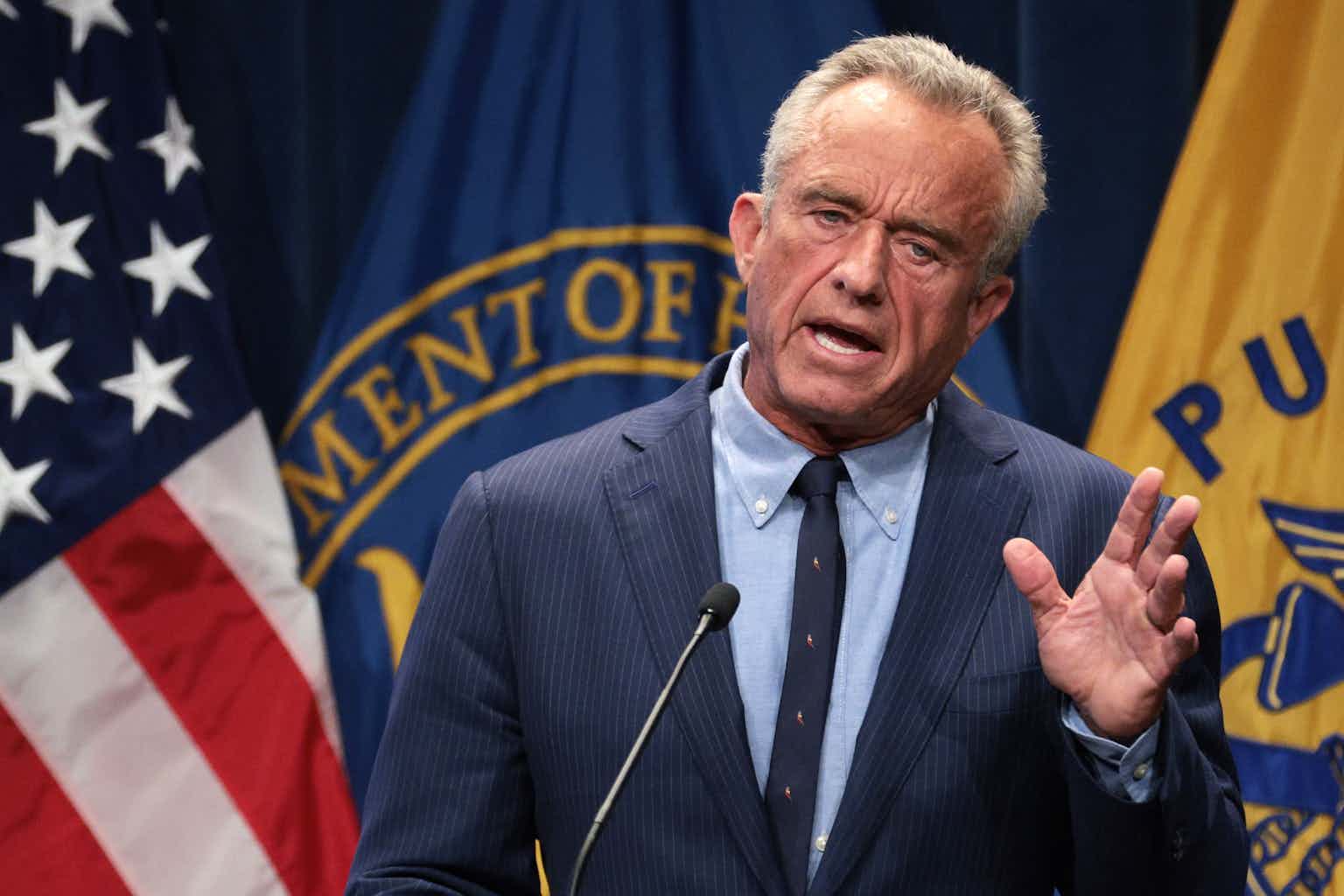
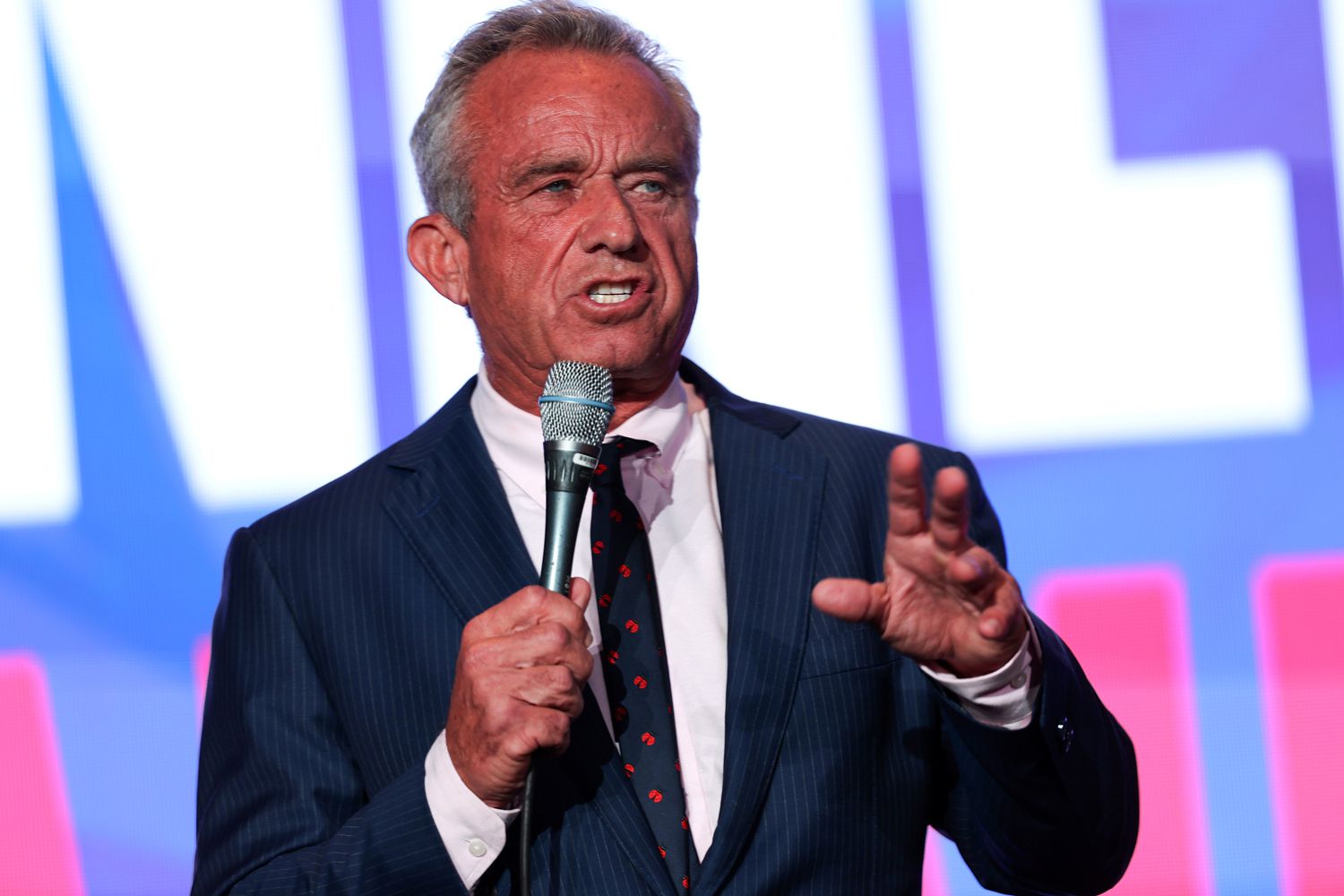
Robert F. Kennedy Jr. is a prominent public figure whose voice has drawn attention for its distinctive raspiness and quivering quality. Unlike many vocal traits that develop naturally or through habitual use, Kennedy’s unique voice is the result of a medical condition known as spasmodic dysphonia. This neurological disorder affects the muscles controlling the vocal cords, causing involuntary spasms that disrupt normal speech patterns.
While many people may experience temporary hoarseness or voice changes due to fatigue or illness, spasmodic dysphonia is a chronic condition that significantly impacts vocal control. Kennedy’s voice, characterized by a gravelly, strained sound, has been a subject of curiosity, especially since he became more publicly visible during his 2023 presidential campaign. Understanding the medical basis of his voice sheds light on the challenges he faces and the broader implications of this rare disorder.
What Is Spasmodic Dysphonia?

Spasmodic dysphonia is a neurological voice disorder that affects approximately 50,000 individuals in North America. It causes involuntary muscle spasms in the larynx (voice box) and surrounding areas, which interfere with the normal vibration and movement of the vocal cords. These spasms result in voice breaks, strained or breathy speech, and an overall hoarse or shaky vocal quality.
The condition is not caused by overuse or damage to the vocal cords but stems from misfiring signals in the brain’s nerve pathways that control speech muscles. This neurological origin makes spasmodic dysphonia particularly challenging to treat and manage.
There are three primary types of spasmodic dysphonia:
– Adductor Spasmodic Dysphonia: The most common form, where the vocal cords involuntarily tighten or close during speech, causing a strained or strangled voice. Interestingly, symptoms often lessen or disappear when the person sings, laughs, or whispers.
– Abductor Spasmodic Dysphonia: In this type, the vocal cords involuntarily open, resulting in a breathy, weak voice that can be difficult to understand.
– Mixed Spasmodic Dysphonia: A rare form combining symptoms of both adductor and abductor types, leading to a complex voice disorder.
How Spasmodic Dysphonia Affects Robert F. Kennedy Jr.’s Voice
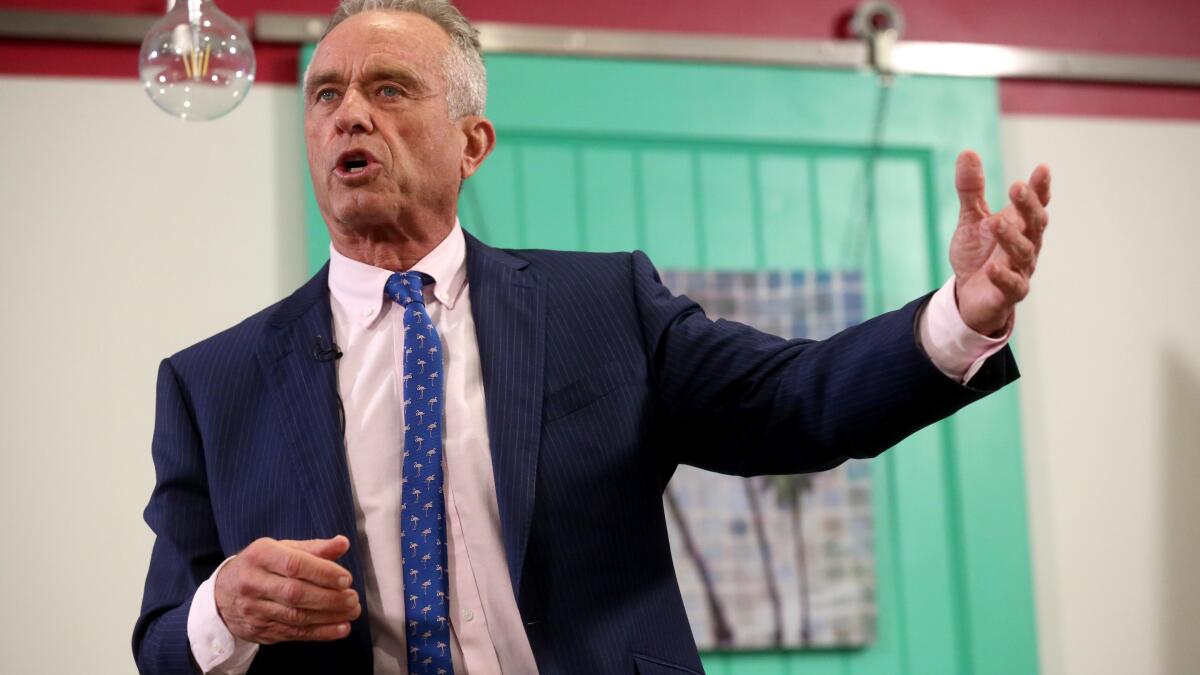
Robert F. Kennedy Jr. has lived with spasmodic dysphonia since his early 40s, a fact he has openly discussed in interviews. His voice’s raspiness and quivering are hallmark signs of the condition, reflecting the involuntary spasms that disrupt his vocal cord function. Unlike typical voice fatigue, his vocal challenges are persistent and neurological in nature.
Kennedy has sought treatment to manage his symptoms, including Botox injections. Botox works by temporarily paralyzing the muscles responsible for the spasms, reducing their intensity and improving voice control. However, Kennedy has expressed mixed feelings about the effectiveness of these treatments, noting that while his voice doesn’t tire, it still sounds “terrible” to him.
Despite these challenges, Kennedy continues to speak publicly and fulfill his roles, demonstrating resilience in managing a condition that affects many aspects of communication.
Treatment Options for Spasmodic Dysphonia
Although spasmodic dysphonia is not life-threatening, it can significantly impact quality of life, especially for those who rely on their voice professionally. Fortunately, several treatment options can help alleviate symptoms:
– Botox Injections: The most common and effective treatment, Botox reduces muscle spasms by blocking nerve signals. Injections are typically administered every few months and can improve voice quality temporarily.
– Voice Therapy: Speech-language pathologists can help patients develop techniques to improve vocal control and reduce strain during speech.
– Surgical Interventions: In rare cases, surgery may be considered to alter the vocal cords or nerves, but this is less common due to risks and variable outcomes.
– Emerging Technologies: Advances in assistive devices and voice modulation tools offer new avenues for improving communication in severe cases.
Other Public Figures with Spasmodic Dysphonia
Robert F. Kennedy Jr. is not alone in facing this voice disorder. Actress Selma Blair has publicly shared her experience with spasmodic dysphonia linked to multiple sclerosis, highlighting the condition’s neurological roots. Journalist Diane Rehm also battled spasmodic dysphonia for years before receiving a diagnosis and treatment, bringing awareness to the disorder through her public platform.
These stories emphasize that while spasmodic dysphonia is rare, it affects individuals across various professions and backgrounds, underscoring the importance of understanding and support.
Recognizing the Signs and When to Seek Help
Not every voice change signals spasmodic dysphonia. Occasional voice cracks or hoarseness are common and usually temporary. However, persistent difficulties with voice control, frequent breaks, or a strained, breathy quality may warrant medical evaluation.
Risk factors associated with spasmodic dysphonia include being female, having a family history of neurological disorders, or experiencing other movement disorders like tremors. Early diagnosis can lead to more effective management and improved quality of life.
If you or someone you know experiences ongoing voice difficulties, consulting an otolaryngologist (ear, nose, and throat specialist) or neurologist is advisable.
Conclusion
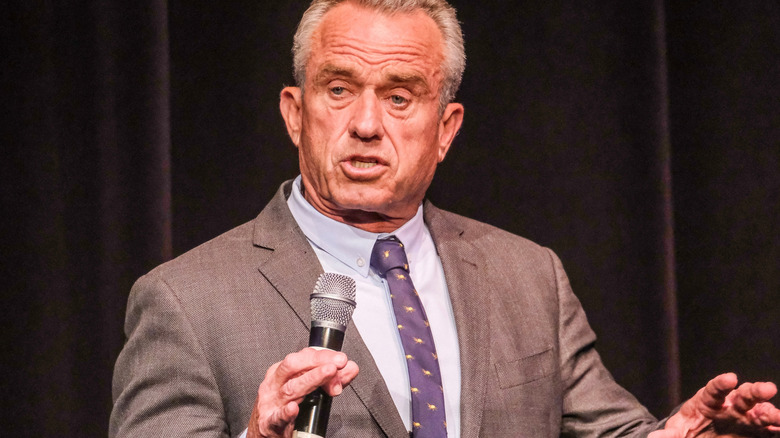
Robert F. Kennedy Jr.’s distinctive voice is a direct result of spasmodic dysphonia, a neurological condition that affects vocal cord control. Understanding this medical reason not only explains his unique vocal quality but also highlights the challenges faced by those living with this rare disorder. Treatments like Botox injections and voice therapy offer hope and relief, allowing individuals like Kennedy to continue their public roles despite vocal difficulties.
If you notice persistent changes in your voice or struggle with speech control, don’t hesitate to seek professional advice. Early intervention can make a significant difference. Stay informed and proactive about your vocal health—your voice is a vital part of your identity.