Justice Alito Fell Ill at a March Event and Was Treated for Dehydration, Supreme Court Says
In March, Supreme Court Justice Samuel Alito experienced a health episode during an event in Philadelphia, where he was treated for dehydration. The Supreme Court confirmed the incident, emphasizing that the illness did not require hospitalization or cause any prolonged absence from his judicial duties. This article delves into the details surrounding Justice Alito’s health episode, its context, and what it might mean for the future of the Supreme Court.
Justice Alito’s Health Incident and Immediate Treatment
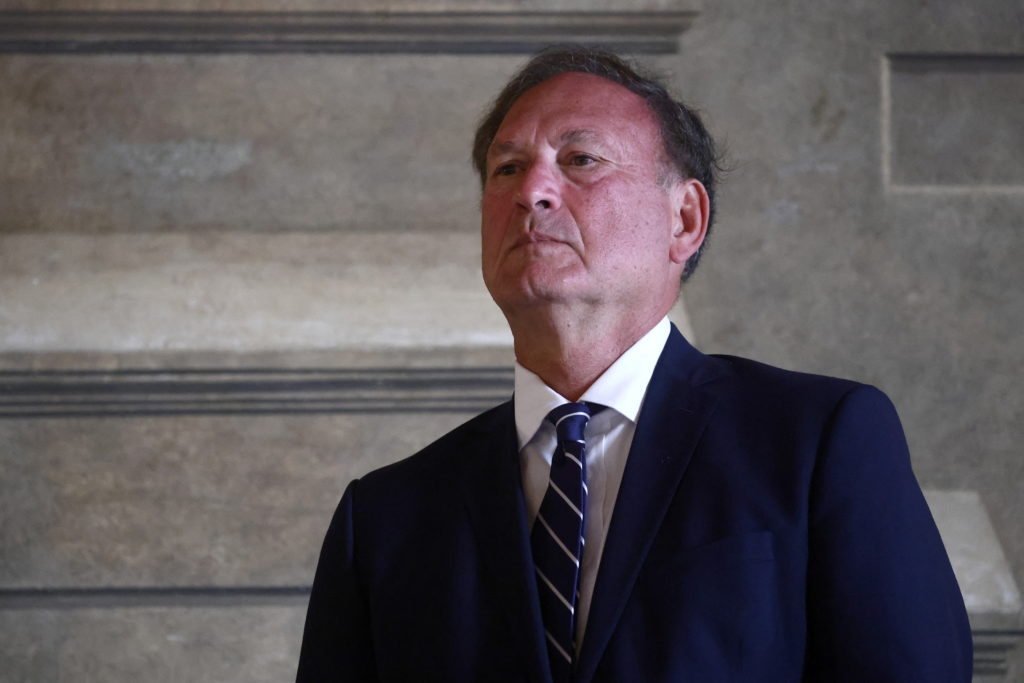
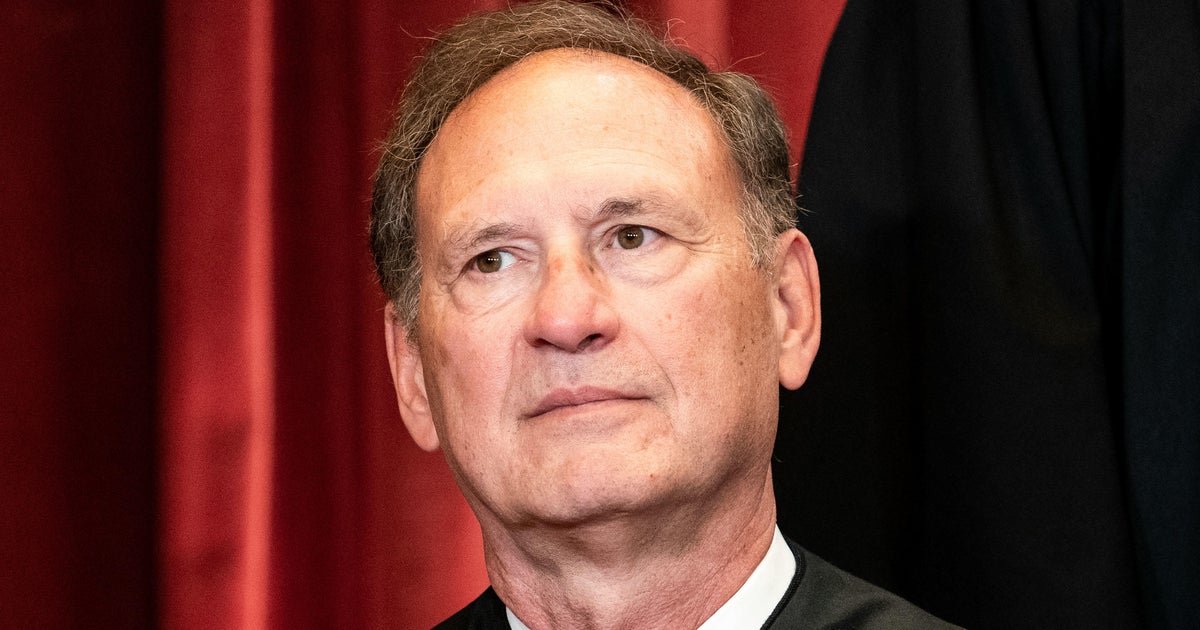
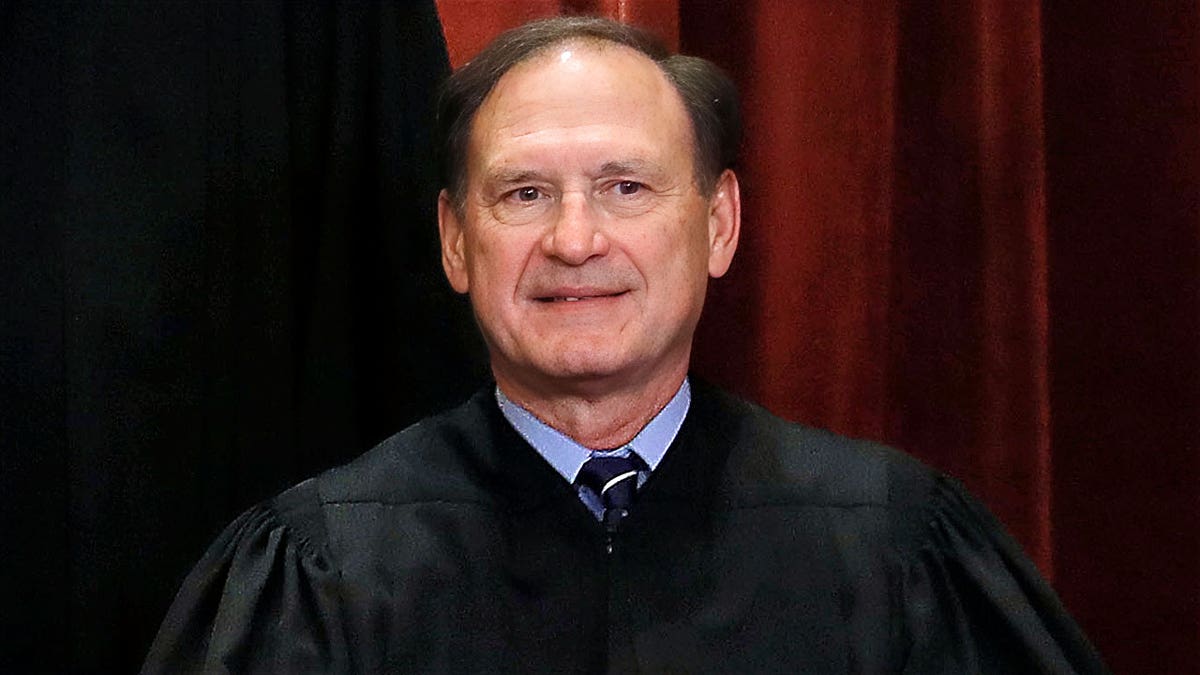
Justice Samuel Alito, who turned 76 recently, fell ill at a public event in Philadelphia last month. According to a statement from the Supreme Court’s spokeswoman, Patricia McCabe, the justice was treated for dehydration. The treatment was administered promptly, allowing him to return home safely to suburban Washington without needing an overnight hospital stay.
The incident occurred after a Federalist Society panel discussion commemorating Alito’s 20 years on the Supreme Court. Following the event, Alito was feeling unwell and, upon the recommendation of his security detail, sought medical attention before embarking on the three-hour drive back to northern Virginia. He was given fluids to address his dehydration and subsequently resumed his normal schedule.
Despite the health scare, Justice Alito was active and engaged during the court’s proceedings. He participated fully in oral arguments on a significant case concerning mailed ballots and attended all hearings in the following two weeks. His prompt recovery and return to work underscore his commitment to his role on the bench.
The Supreme Court’s Approach to Justices’ Health Disclosures
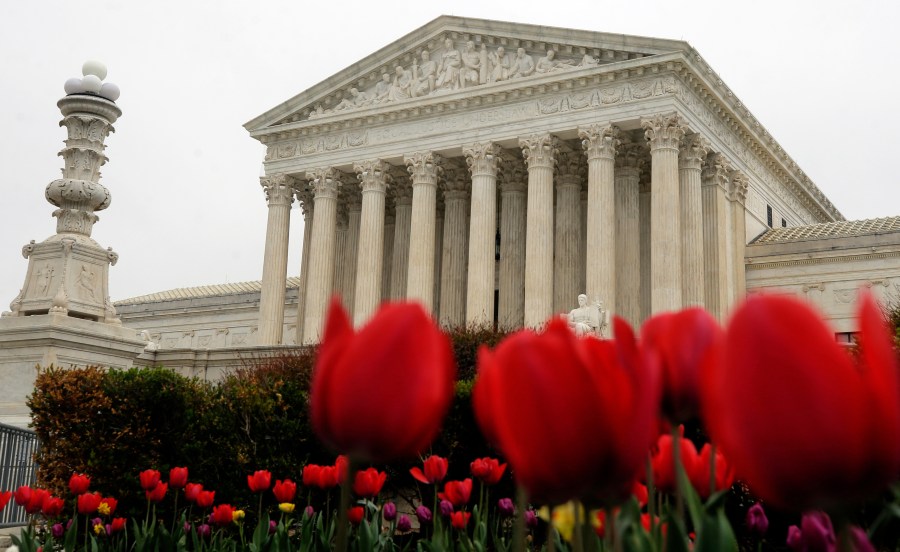
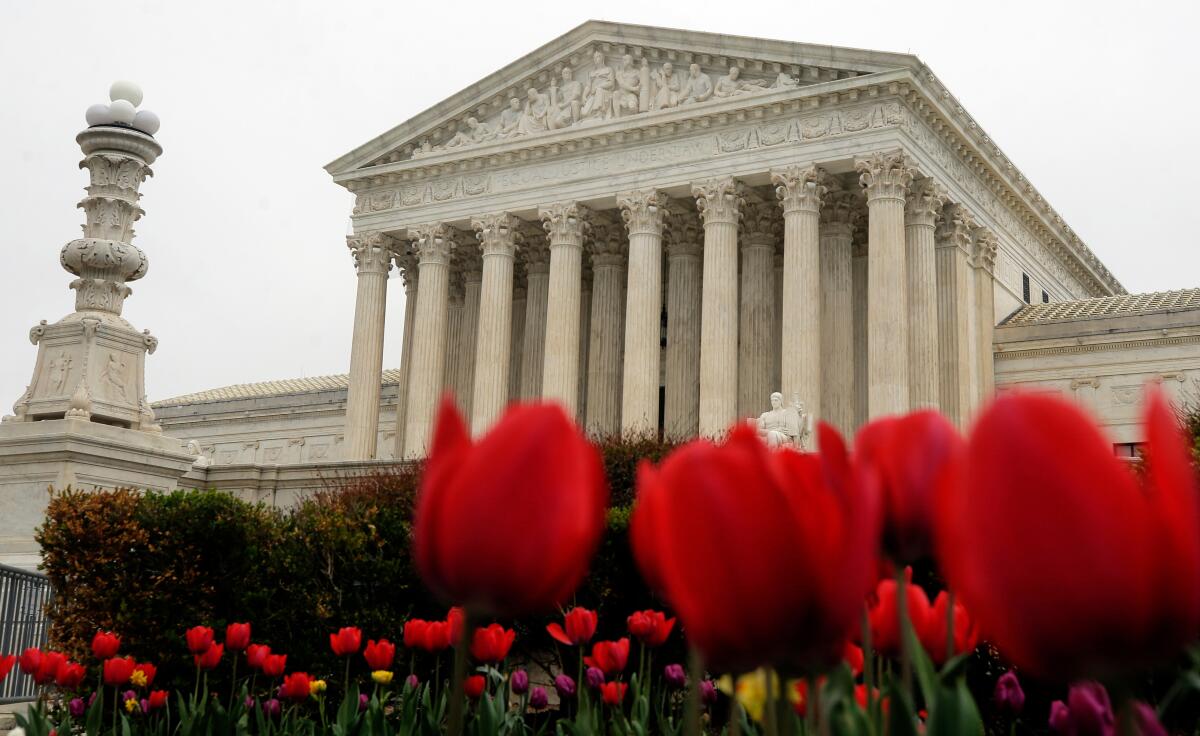
The Supreme Court has historically been discreet about the health of its justices, often revealing information only after it becomes public knowledge through media reports. Justice Alito’s recent health episode is no exception.
For instance, in 2020, the Court confirmed that Chief Justice John Roberts had spent a night in the hospital after a fall only after the Washington Post reported the incident. This pattern reflects the justices’ preference for privacy regarding their personal health matters, which sometimes leads to speculation and uncertainty.
Justice Alito’s case highlights this culture of discretion. While the Court confirmed the dehydration treatment, it did not disclose the exact location where he received care. This reticence fuels ongoing discussions about transparency and the public’s right to know about the health of individuals serving lifetime appointments on the nation’s highest court.
Implications for the Supreme Court and Future Speculations
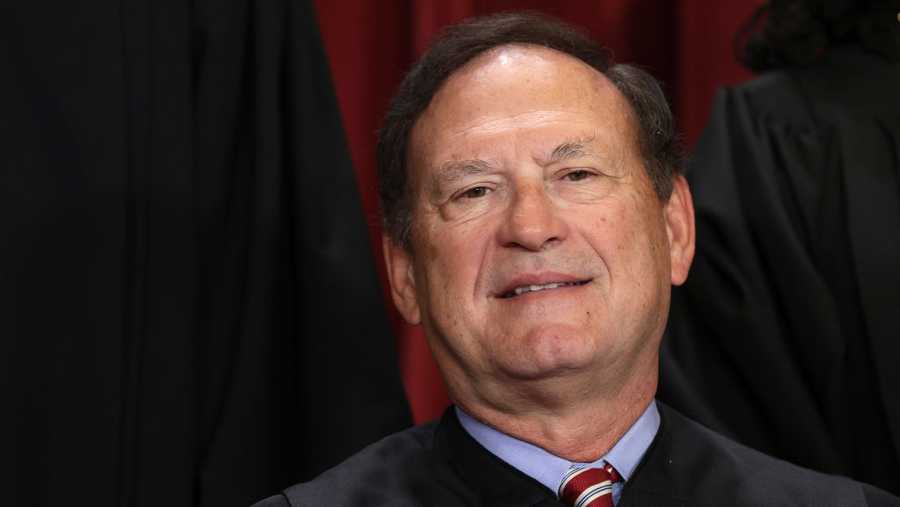
Justice Alito’s health episode has sparked renewed speculation about his future on the Supreme Court. At 76, he is the second-oldest member of the Court, following Justice Clarence Thomas, who is 77. Although Alito has not publicly indicated any plans to retire, observers have noted that his recent health issues might influence his decision.
Retirement timing for Supreme Court justices can have significant political implications. Should Justice Alito choose to step down in the near future, it would provide the sitting president with an opportunity to nominate a successor. This prospect is particularly noteworthy given the current political landscape and the potential for shifts in Senate control.
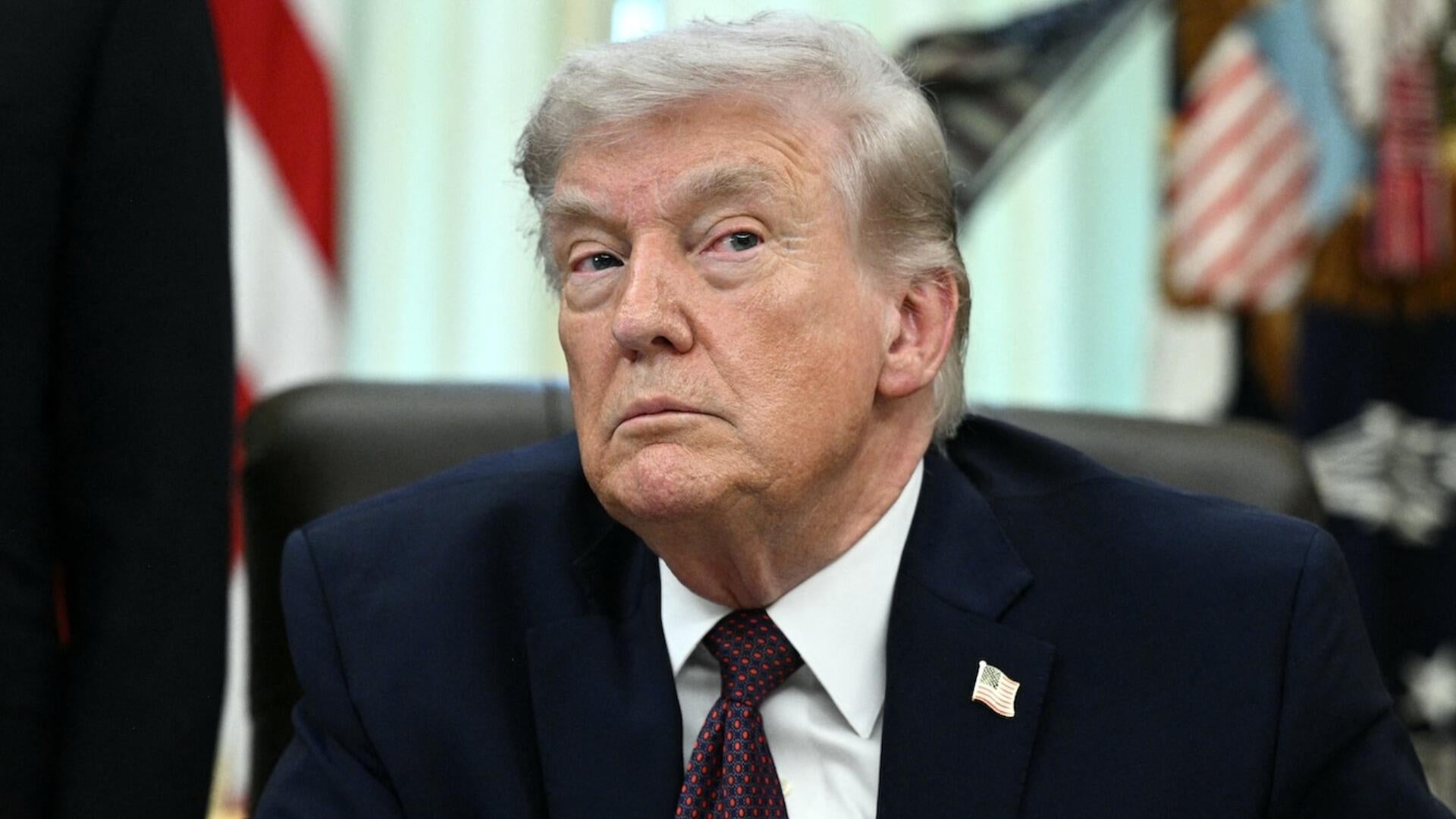
During his first term, President Donald Trump appointed three justices, reshaping the Court’s ideological balance. Speculation suggests that if Alito were to retire soon, Trump could appoint a fourth justice, further solidifying a conservative majority. Conversely, delaying retirement might risk a change in administration that could lead to a different ideological appointment.
The decision to retire involves weighing personal health, judicial responsibilities, and political considerations. Justice Alito’s recent dehydration episode may be a factor in these deliberations, though no official statements have been made regarding his intentions.
Justice Alito’s Commitment to the Court’s Work
Despite the health scare, Justice Alito has demonstrated resilience and dedication. His active participation in court sessions following the incident reflects his ongoing commitment to his judicial duties. This dedication is crucial for maintaining the Court’s function and stability, especially during times of significant legal and political challenges.
The Supreme Court’s work often involves complex and high-stakes cases that impact the nation’s legal landscape. Justices like Alito play a pivotal role in shaping constitutional interpretation and ensuring justice is served. His quick recovery and return to the bench reassure observers about the Court’s continuity.
Conclusion
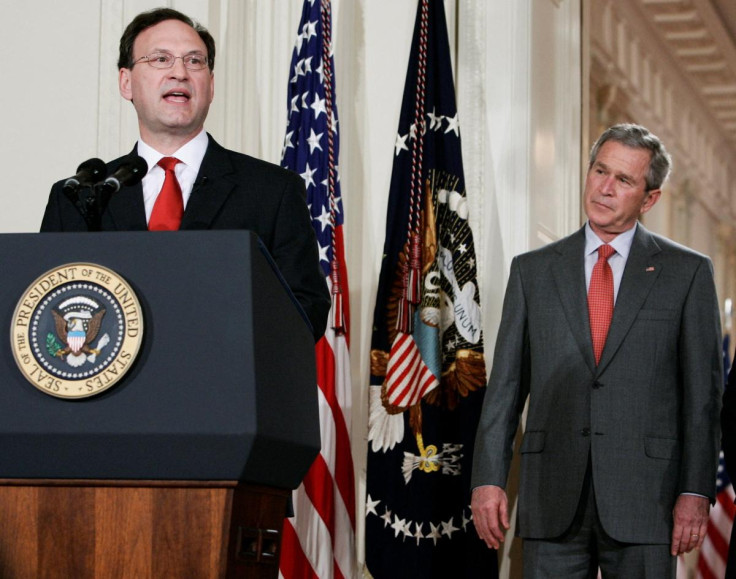
Justice Samuel Alito’s illness at a March event, treated promptly for dehydration, underscores the delicate balance between the justices’ health privacy and public interest. While the Supreme Court maintains discretion in disclosing health information, such episodes inevitably attract attention due to the lifetime tenure and influence of its members. Alito’s swift return to his duties highlights his dedication, but the incident also fuels speculation about his future on the bench.
Stay informed about developments related to the Supreme Court and its justices by subscribing to our newsletter. Don’t miss out on critical updates that shape the nation’s legal framework. Sign up today to receive the latest news directly in your inbox!