

What Happens To Your Body When You Just Can’t Fall Asleep?
Sleep is a fundamental aspect of our lives, yet many people struggle with it. If you’ve ever found yourself tossing and turning, unable to drift off into slumber, you may be wondering what happens to your body during those restless nights. The effects of sleep deprivation can be profound, impacting both your physical and mental health. In this article, we will explore the consequences of sleeplessness and offer insights into how you can improve your sleep quality.
The Physical Effects of Sleep Deprivation
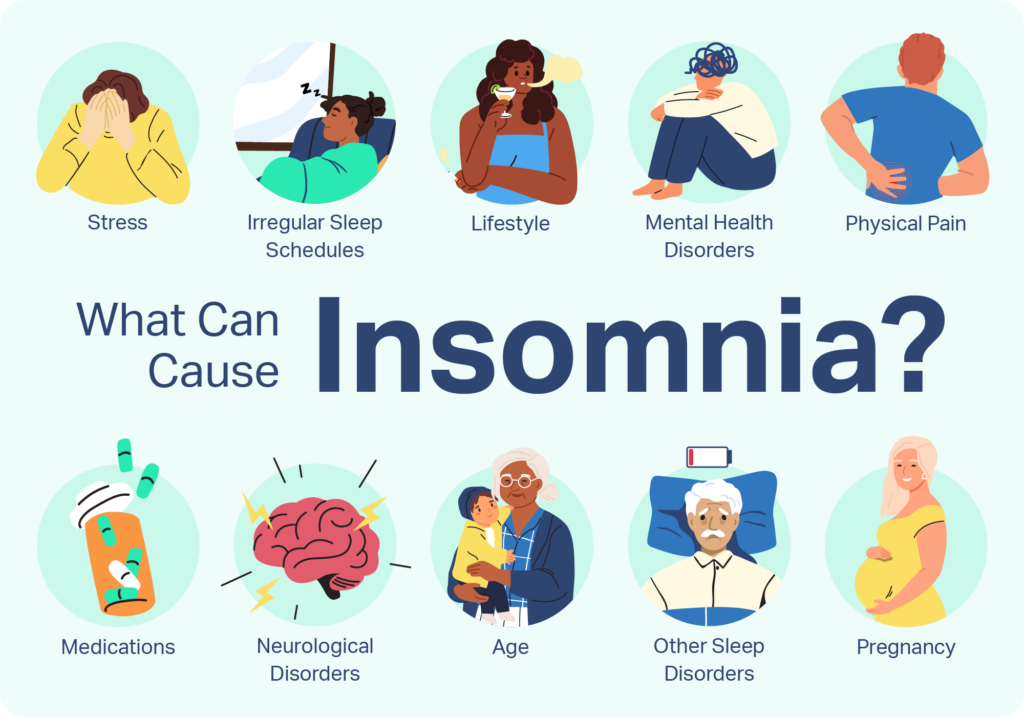
When you can’t fall asleep, your body undergoes a series of changes that can be detrimental to your health. One of the most immediate effects is the disruption of your circadian rhythm, the internal clock that regulates your sleep-wake cycle. This disruption can lead to a host of physical symptoms, including:
1. **Increased Stress Hormones**: Lack of sleep triggers the release of cortisol, the stress hormone. Elevated cortisol levels can lead to increased anxiety and irritability, making it even harder to relax and fall asleep.
2. **Weakened Immune System**: Sleep is crucial for a healthy immune response. When you don’t get enough rest, your body produces fewer cytokines, proteins that help fight off infections and inflammation. This can leave you more susceptible to illnesses.
3. **Weight Gain**: Sleep deprivation can affect your metabolism and appetite-regulating hormones, leading to increased hunger and cravings for unhealthy foods. This can contribute to weight gain and obesity over time.
4. **Cardiovascular Issues**: Chronic sleep deprivation is linked to an increased risk of heart disease and hypertension. The stress and inflammation caused by lack of sleep can strain your cardiovascular system.
5. **Impaired Motor Skills**: When you’re sleep-deprived, your reaction times slow down, and your coordination suffers. This can be particularly dangerous if you’re driving or operating machinery.
The Mental Consequences of Insomnia
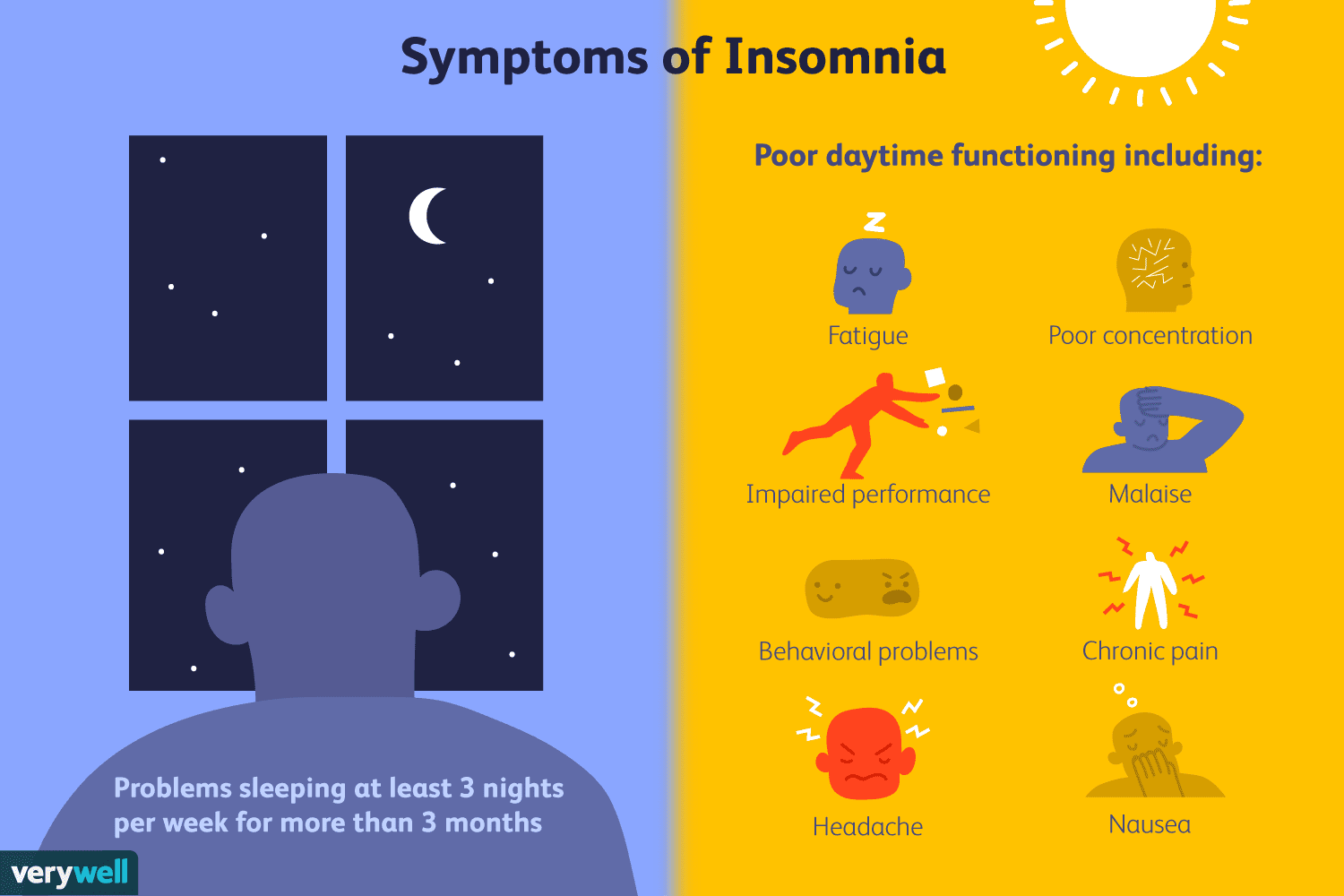
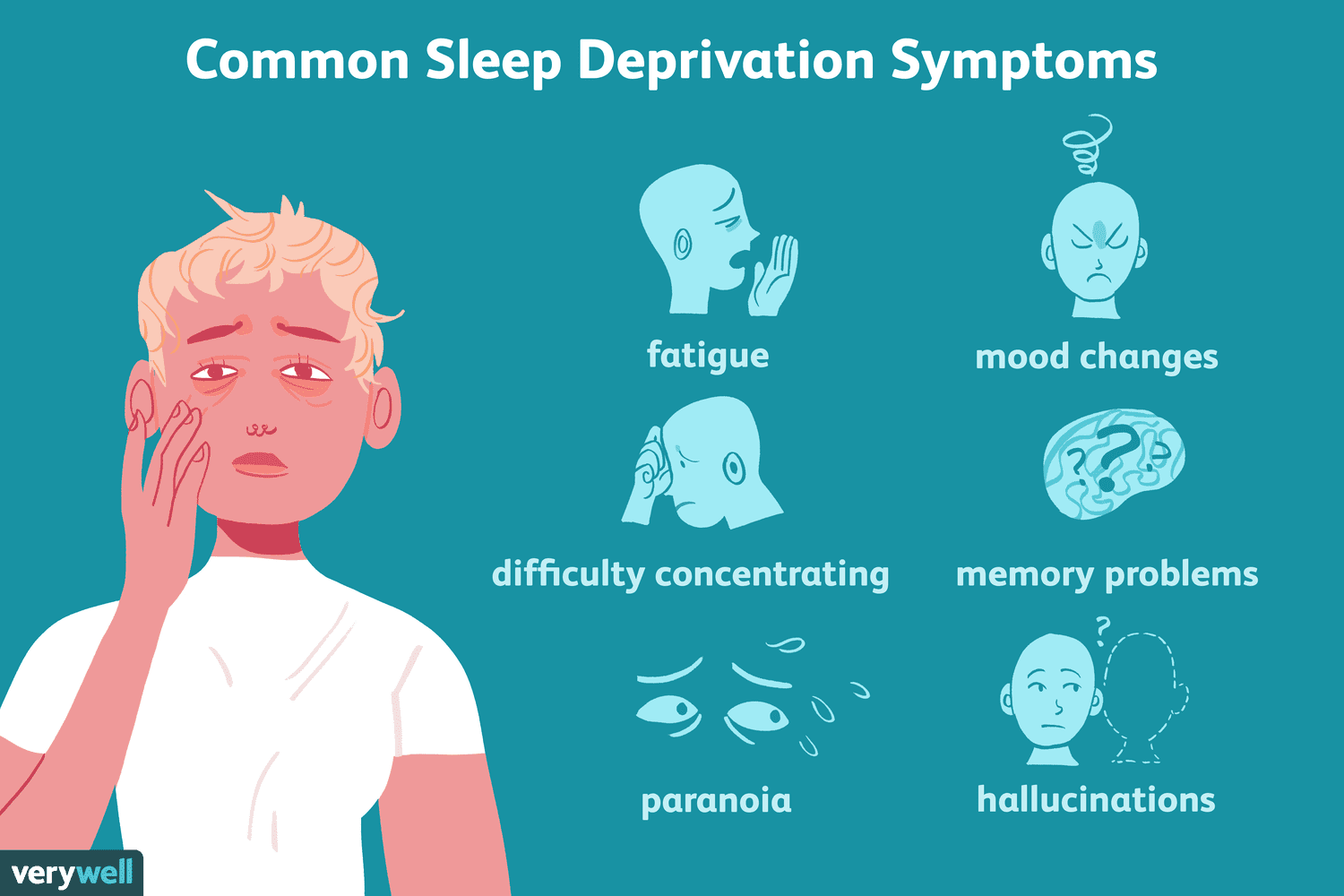
The effects of sleeplessness extend beyond the physical realm, significantly impacting your mental health. Here are some of the ways that not being able to fall asleep can affect your mind:
1. **Cognitive Impairment**: Sleep is essential for cognitive functions such as memory, attention, and problem-solving. When you can’t sleep, your ability to think clearly and make decisions can be compromised.
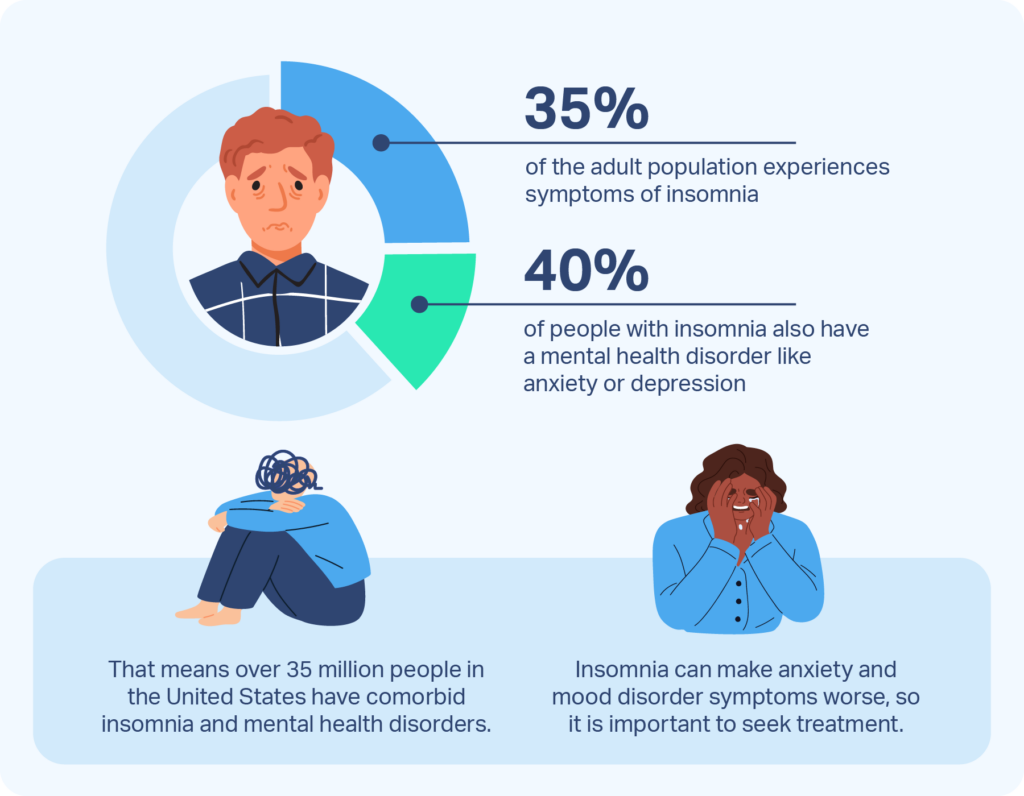
2. **Mood Disorders**: Chronic insomnia is closely linked to mood disorders, including depression and anxiety. The lack of restorative sleep can exacerbate feelings of sadness and hopelessness.
3. **Increased Stress and Anxiety**: The frustration of not being able to sleep can lead to heightened anxiety levels. This creates a vicious cycle where anxiety about sleep makes it even harder to fall asleep.
4. **Hallucinations and Paranoia**: In extreme cases, prolonged sleep deprivation can lead to hallucinations and paranoia. This is particularly concerning for those who already struggle with mental health issues.
5. **Decreased Quality of Life**: Overall, the inability to sleep can lead to a diminished quality of life. Daily activities may become challenging, and your overall well-being can suffer.
How to Improve Your Sleep Quality
If you find yourself struggling to fall asleep, there are several strategies you can implement to improve your sleep quality:
1. **Establish a Sleep Routine**: Going to bed and waking up at the same time every day can help regulate your body’s internal clock. Try to stick to this schedule even on weekends.
2. **Create a Relaxing Environment**: Your bedroom should be a sanctuary for sleep. Keep it dark, cool, and quiet. Consider using blackout curtains, earplugs, or a white noise machine to create an ideal sleep environment.
3. **Limit Screen Time**: The blue light emitted by screens can interfere with your ability to fall asleep. Aim to turn off electronic devices at least an hour before bedtime.
4. **Practice Relaxation Techniques**: Incorporate relaxation techniques such as deep breathing, meditation, or gentle yoga into your bedtime routine. These practices can help calm your mind and prepare your body for sleep.
5. **Watch Your Diet**: Be mindful of what you consume before bedtime. Avoid heavy meals, caffeine, and alcohol in the hours leading up to sleep, as these can disrupt your ability to fall asleep.
6. **Seek Professional Help**: If your sleep issues persist, consider consulting a healthcare professional. They can help identify any underlying conditions or recommend treatments to improve your sleep.
Conclusion
In conclusion, the inability to fall asleep can have serious consequences for both your physical and mental health. Understanding what happens to your body when you can’t sleep is the first step toward making positive changes. By implementing effective strategies to improve your sleep quality, you can enhance your overall well-being and reclaim the restful nights you deserve. If you’re struggling with sleep, don’t hesitate to reach out for help—your body and mind will thank you for it.