
11 Unexpected Symptoms Of Breast Cancer
Understanding 11 Unexpected Symptoms Of Breast Cancer
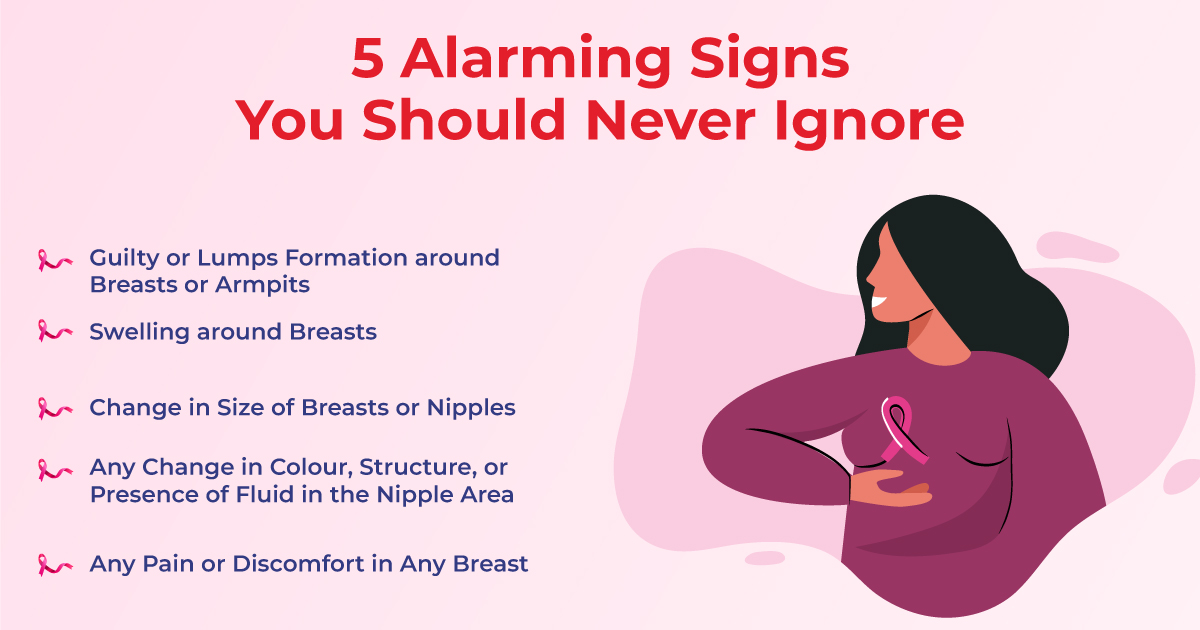
Breast cancer is one of the most common cancers affecting millions worldwide. While many are aware that finding a lump is a primary sign of breast cancer, there are several other unexpected symptoms that often go unnoticed. Recognizing these subtle signs can be crucial for early diagnosis and effective treatment. This article explores 11 unexpected symptoms of breast cancer that everyone should be aware of to maintain breast health and seek timely medical advice.
1. Changes in Breast Skin
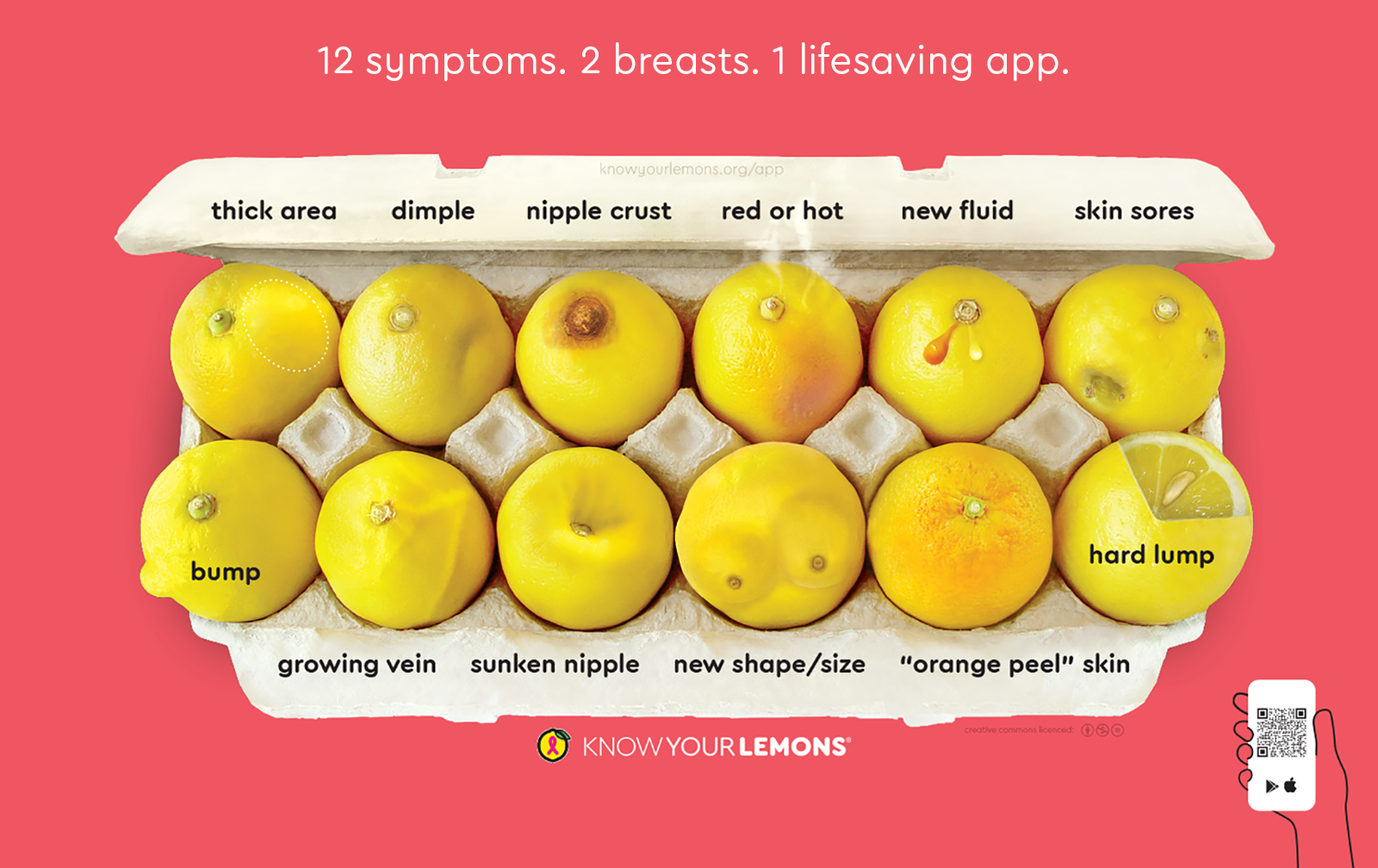
The skin on your breasts can reveal a lot about your health. Unexplained redness, warmth, or darkening of the breast skin may indicate inflammatory breast cancer, a rare but aggressive form. Additionally, itchy or scaly rashes on the nipple area should not be ignored, as they can be early warning signs. Regular visual inspections during self-exams can help detect these skin changes early.
2. Unexplained Weight Fluctuations
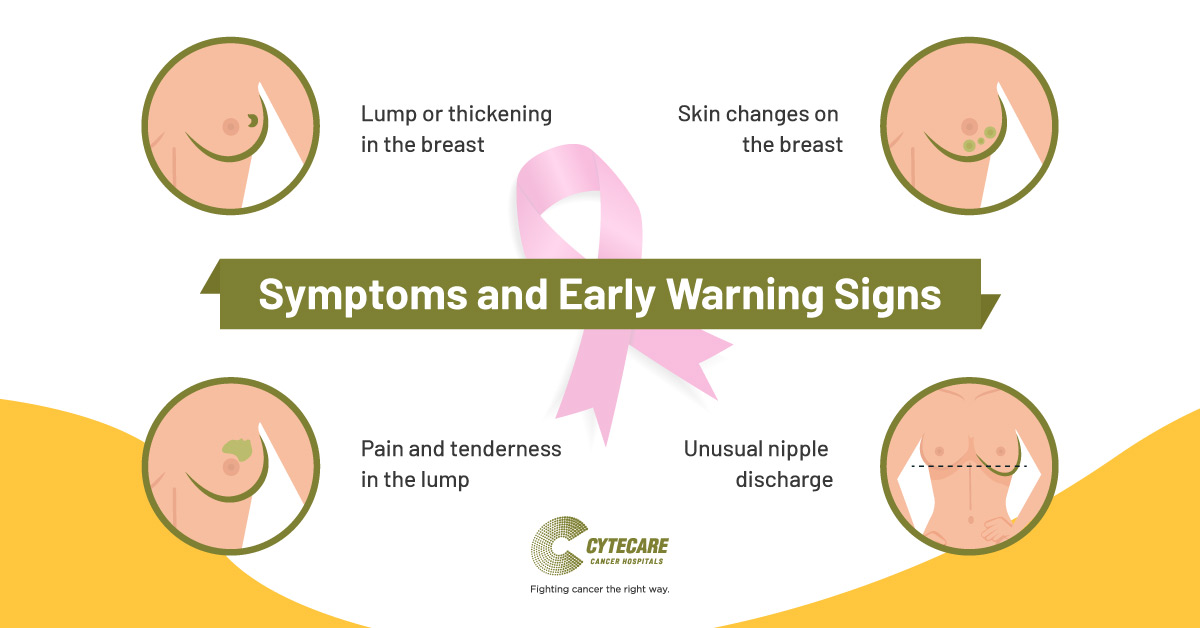
Weight gain or loss without any clear reason can sometimes be linked to breast cancer. Some women experience weight gain even before treatment begins, especially during menopause. Conversely, unexplained weight loss accompanied by loss of appetite may signal that breast cancer has spread to other parts of the body. Monitoring weight changes and discussing them with a healthcare provider is important.
3. Nipple Leakage
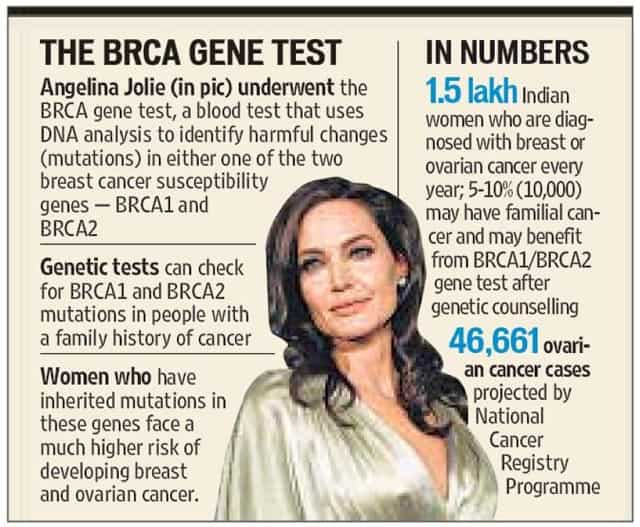
While nipple discharge can be normal during pregnancy or breastfeeding, any leakage occurring outside these conditions, especially if persistent, should be evaluated. Abnormal nipple discharge might be clear, bloody, or colored and can sometimes precede other symptoms like pain or itching. Early consultation with a doctor is advised if nipple leakage is noticed.
4. Changes in Breast Shape or Size

Breasts naturally fluctuate in size during menstrual cycles, pregnancy, or breastfeeding. However, noticeable changes in breast shape or size outside these periods may be a cause for concern. Additionally, nipples that invert or change position could indicate underlying breast cancer. Familiarity with your breasts’ usual appearance is key to spotting these changes.
5. Persistent Fatigue and Drowsiness
Fatigue is often associated with cancer treatments, but it can also be a symptom of breast cancer itself. Hormonal changes and the psychological impact of the disease can cause overwhelming tiredness that interferes with daily activities. If fatigue persists without a clear cause, it is important to seek medical advice.
6. Dimples or Skin Texture Changes on the Breast

Dimples or puckering of the breast skin, resembling the texture of an orange peel, may result from lymphatic blockage caused by cancer. This skin dimpling can be one of the first visible signs of breast cancer. Regular self-exams including thorough skin inspection can aid early detection.
7. Unusual Sensations in the Breast

Pain, tingling, or a strange tickling sensation in the breast that does not go away should not be ignored. Unlike cyclical breast pain related to menstruation, persistent discomfort may indicate breast cancer. Any new or unusual breast sensations warrant a professional evaluation.
8. Swelling in the Arm or Armpit

Swelling in the arm or armpit can occur when breast cancer affects lymph nodes or breast tissue extending into these areas. While infections can also cause swelling, persistent or unexplained swelling should prompt a medical examination to rule out cancer involvement.
9. Bone Pain, Especially at Rest

Breast cancer can metastasize to bones, causing pain often felt in the spine, pelvis, ribs, or limbs. This pain is commonly worse at night or during rest. Sudden onset bone pain or fractures without injury should be investigated promptly.
10. Respiratory Difficulties

Shortness of breath, chest tightness, or persistent coughing may occur if breast cancer spreads to the lungs or causes lymphatic obstruction. These respiratory symptoms can increase anxiety and risk of infections, so timely medical assessment is essential.
11. Insomnia and Sleep Disturbances
Many breast cancer patients experience insomnia or difficulty sleeping, sometimes even before diagnosis. Anxiety, hormonal changes, and treatment side effects contribute to sleep problems. Addressing insomnia through therapies like cognitive behavioral therapy can improve quality of life and treatment outcomes.
Conclusion
Recognizing the 11 unexpected symptoms of breast cancer can empower you to take charge of your breast health. Early detection significantly improves treatment success, so never hesitate to consult your healthcare provider if you notice any unusual changes or symptoms. Make breast self-exams a regular habit and stay informed about your body’s signals. If you or a loved one experience any of these symptoms, schedule a medical evaluation today to ensure timely care and peace of mind. Your health is worth it!