House Democrat Pushes DOJ on Possible Pardon for Ghislaine Maxwell
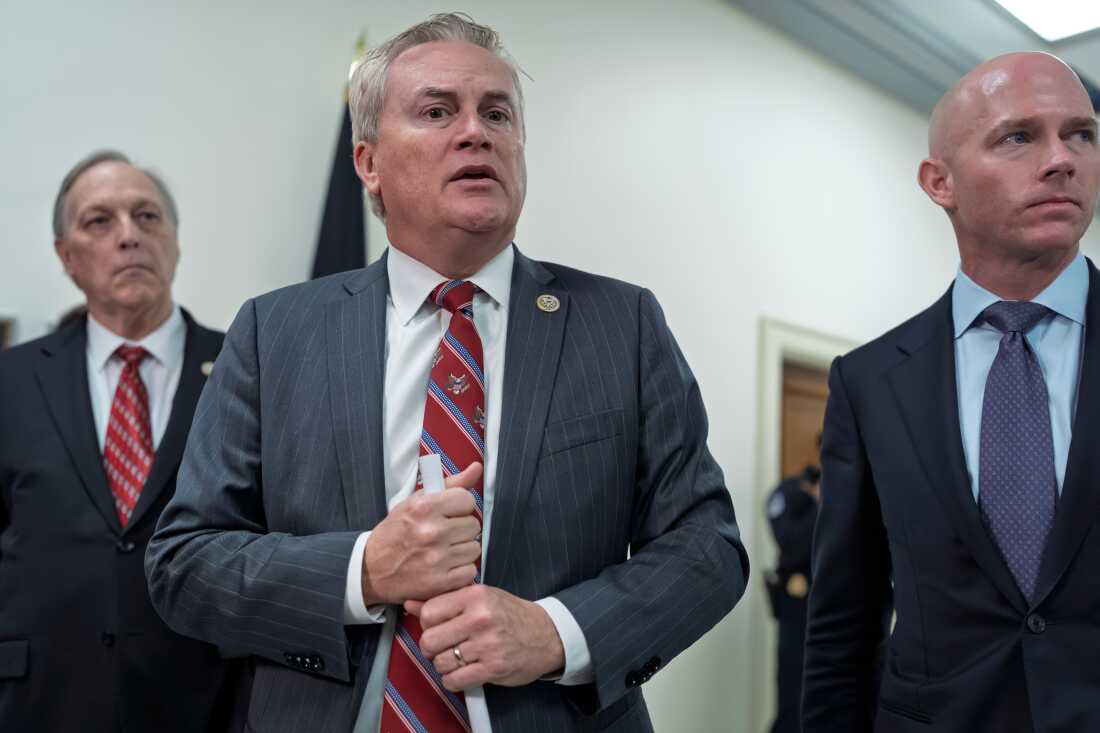
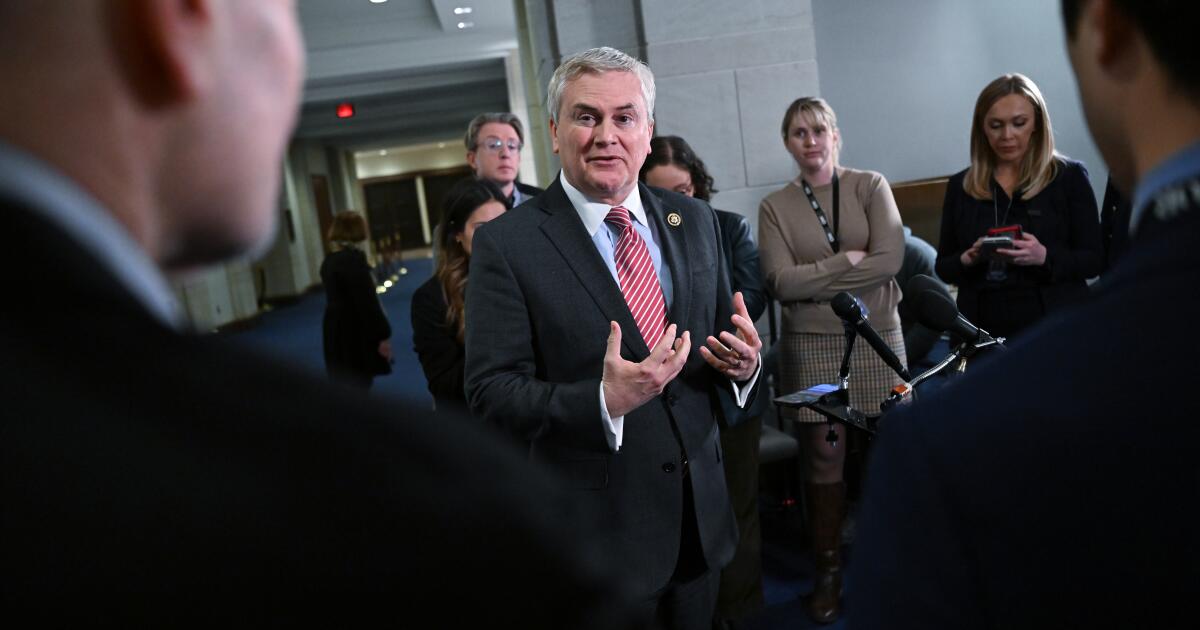
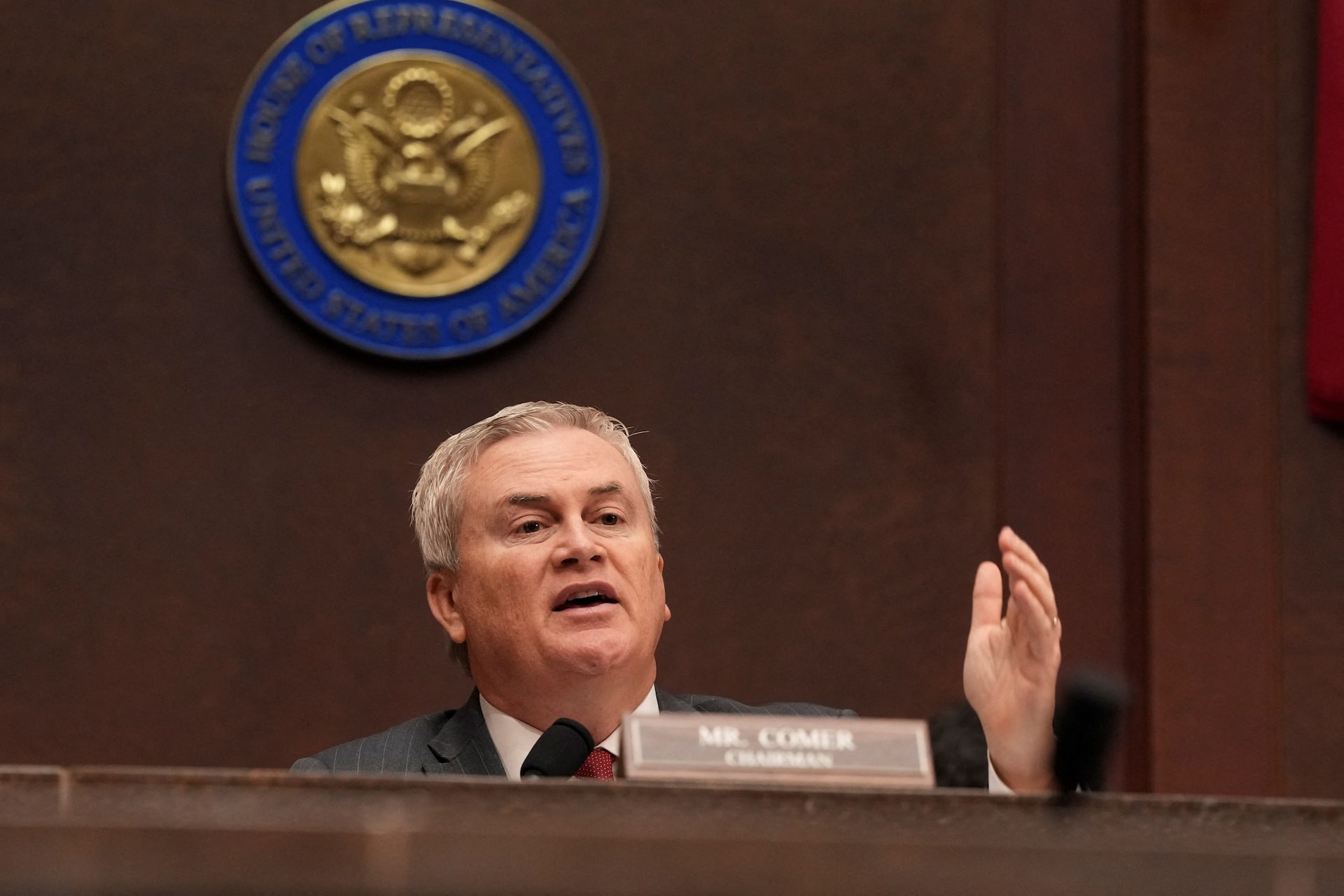
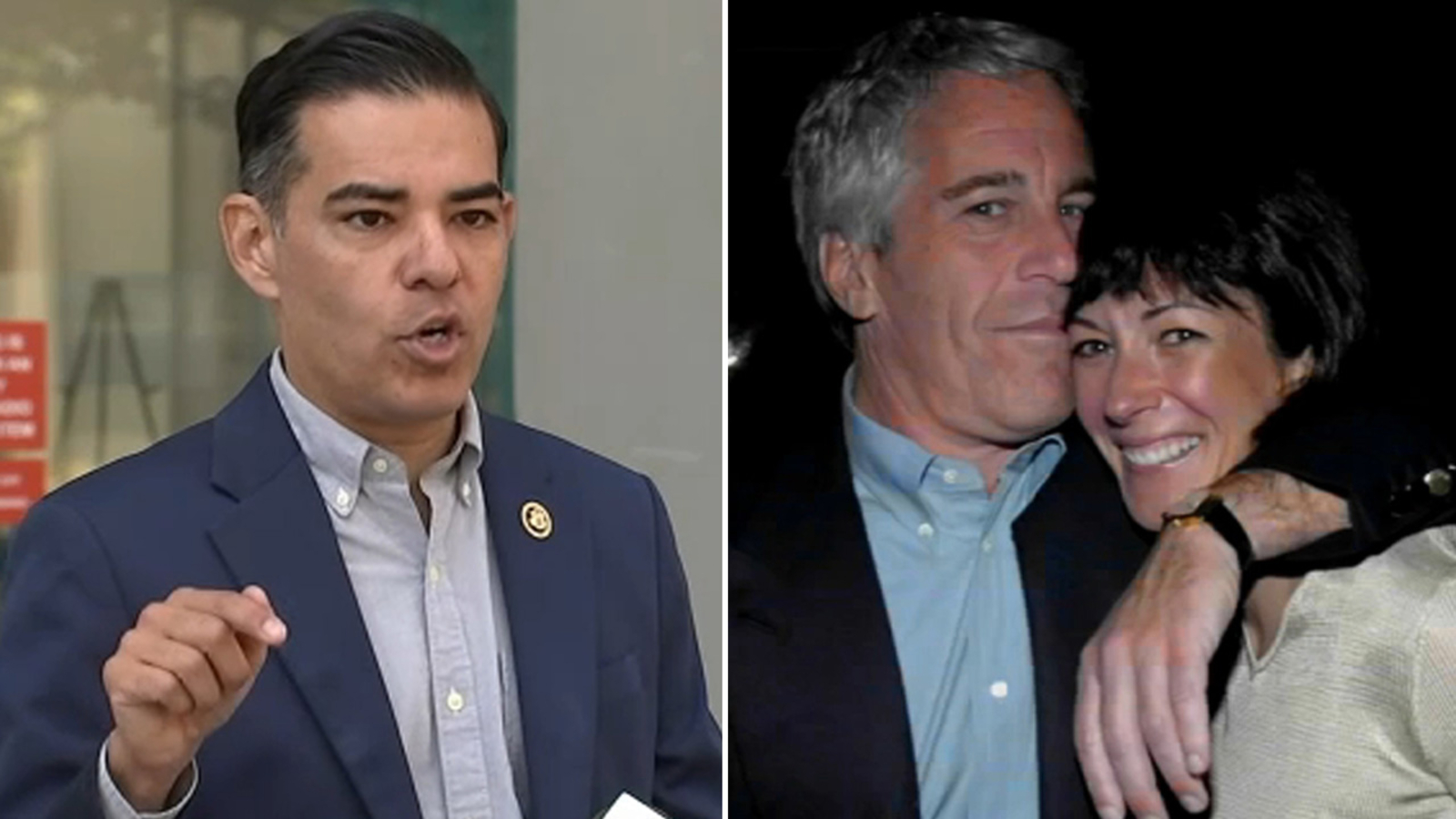
In recent weeks, a prominent House Democrat has called on the Department of Justice (DOJ) to thoroughly examine the possibility of issuing a pardon to Ghislaine Maxwell. Maxwell, who was convicted for her role in the Jeffrey Epstein sex trafficking scandal, remains a controversial figure in the public eye. The request for a pardon has ignited widespread debate about justice, accountability, and the legal system’s handling of high-profile cases.
Understanding the Push for a Ghislaine Maxwell Pardon
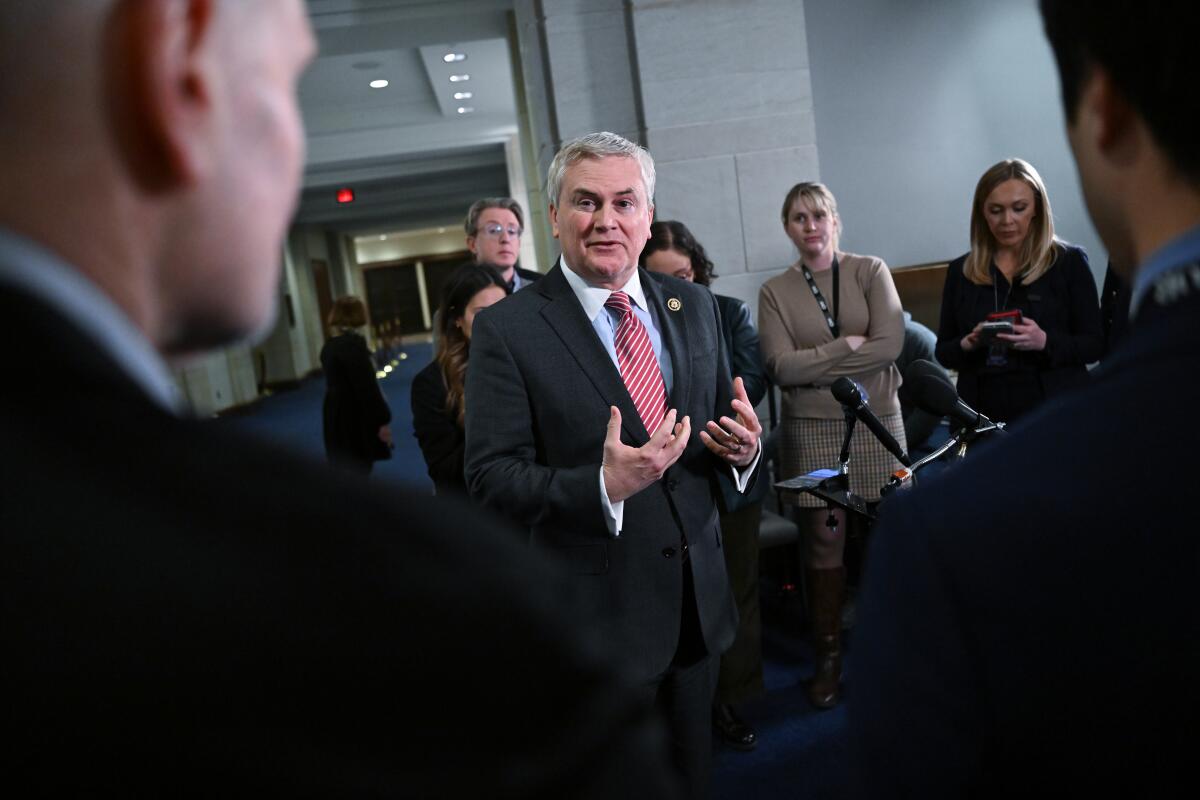
The call for a pardon comes amid ongoing discussions about the fairness and transparency of the judicial process in Maxwell’s case. Advocates for the pardon argue that there may have been procedural irregularities or mitigating circumstances that warrant reconsideration. On the other hand, critics emphasize the severity of Maxwell’s crimes and the importance of upholding the verdict to ensure justice for the victims.
The House Democrat’s push highlights the complex intersection of politics, law, and public opinion. It also raises questions about the criteria the DOJ uses when deciding whether to grant pardons, especially in cases involving serious offenses like sex trafficking.
The Legal and Political Implications of a Potential Pardon

If the DOJ were to grant a pardon to Ghislaine Maxwell, it would set a significant precedent. Pardons are typically reserved for cases where there is clear evidence of wrongful conviction or extraordinary circumstances. Given the high-profile nature of Maxwell’s case, a pardon could influence public trust in the justice system.
Politically, the move could be seen as controversial, potentially dividing lawmakers and the public. Supporters may view it as a necessary step toward justice reform, while opponents could interpret it as undermining accountability for powerful individuals.
Moreover, the discussion around Maxwell’s pardon sheds light on broader issues related to how the justice system handles cases involving influential figures. It prompts a reevaluation of legal standards and the role of executive clemency in maintaining balance within the judicial process.
Public Reaction and Media Coverage

The media has extensively covered the House Democrat’s request, with opinions varying widely. Some news outlets focus on the potential legal justifications for a pardon, while others highlight the emotional impact on survivors of Epstein and Maxwell’s crimes. Public sentiment appears divided, reflecting broader societal debates about justice, privilege, and redemption.
Social media platforms have become a battleground for these discussions, with hashtags and campaigns both supporting and opposing the pardon. This dynamic illustrates the powerful role that public discourse plays in shaping political and legal outcomes.
What’s Next for the DOJ and Ghislaine Maxwell’s Case?

The DOJ has not yet made a formal response to the request for a pardon. The department is expected to carefully review all relevant information before making any decisions. This process may involve consultations with legal experts, victim advocates, and other stakeholders.
Meanwhile, the spotlight on Maxwell’s case continues to draw attention to the broader issues of sexual abuse, trafficking, and the mechanisms of justice. The outcome of the pardon request could influence future cases and the public’s perception of the DOJ’s commitment to fairness and accountability.
How This Affects Victims and Advocacy Groups

For survivors of Epstein and Maxwell’s crimes, the possibility of a pardon is deeply personal and impactful. Many advocacy groups have voiced their concerns, emphasizing the importance of respecting victims’ experiences and ensuring that justice is served.
These organizations often call for increased transparency and support for survivors, highlighting the need for systemic changes to prevent similar abuses in the future. The ongoing debate around the pardon underscores the delicate balance between legal processes and the human stories behind them.
Conclusion

The push by a House Democrat for the DOJ to consider a pardon for Ghislaine Maxwell has sparked intense debate about justice, accountability, and the role of executive clemency in high-profile cases. As the DOJ reviews this request, the outcome will have far-reaching implications for the legal system and public trust. Stay informed on this evolving story and join the conversation about justice and reform. For more updates on this and related topics, subscribe to our newsletter and follow our expert analysis.