
9 Best Vegetables For Juicing
Top 9 Vegetables for Juicing to Boost Your Health
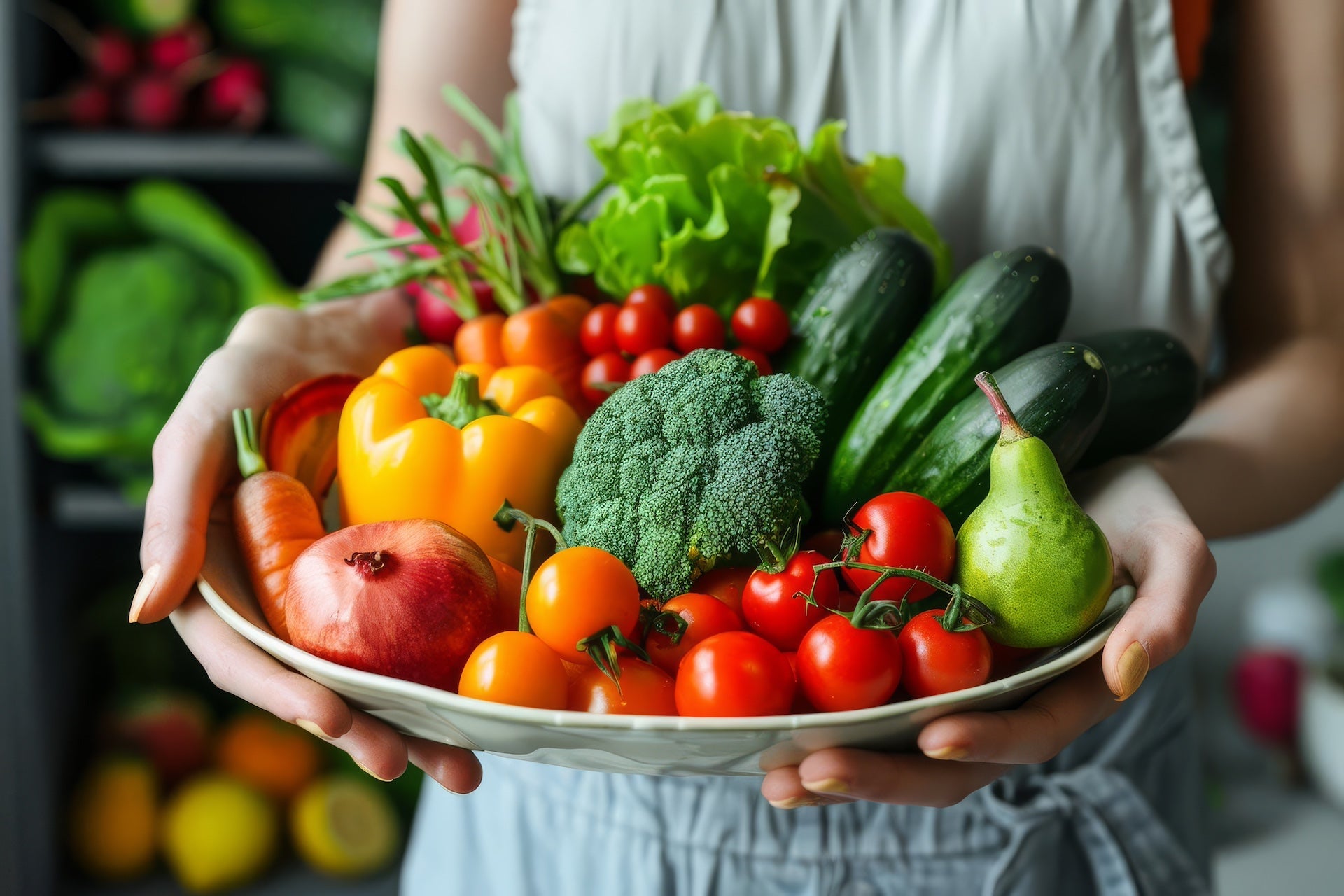
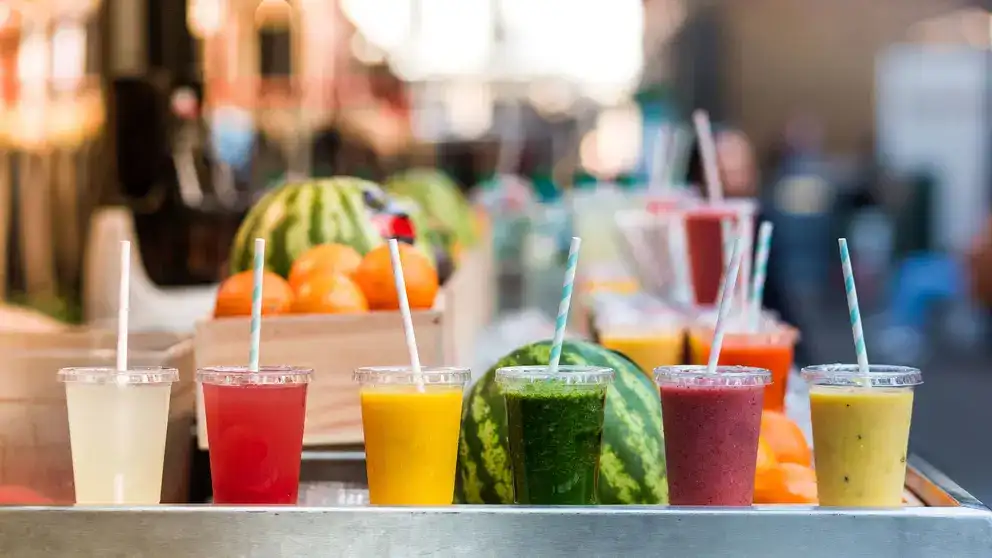
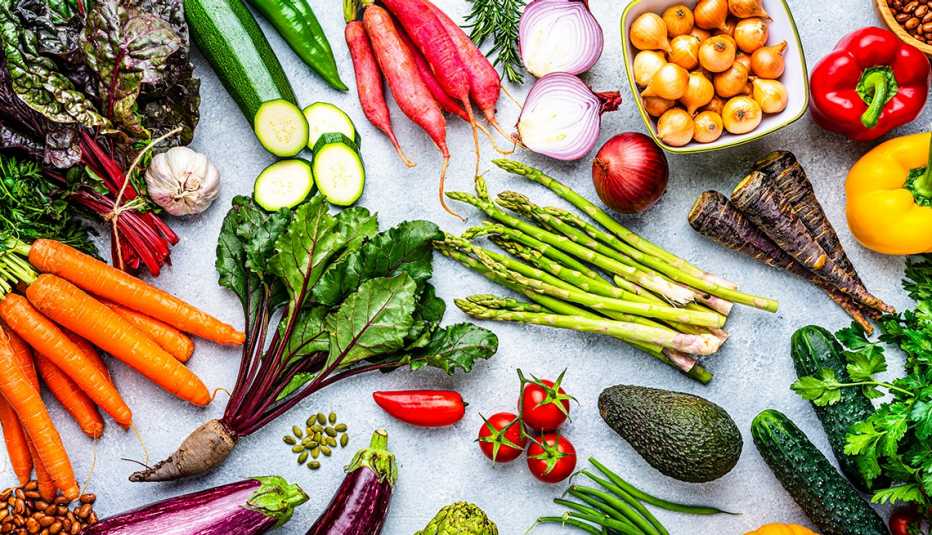
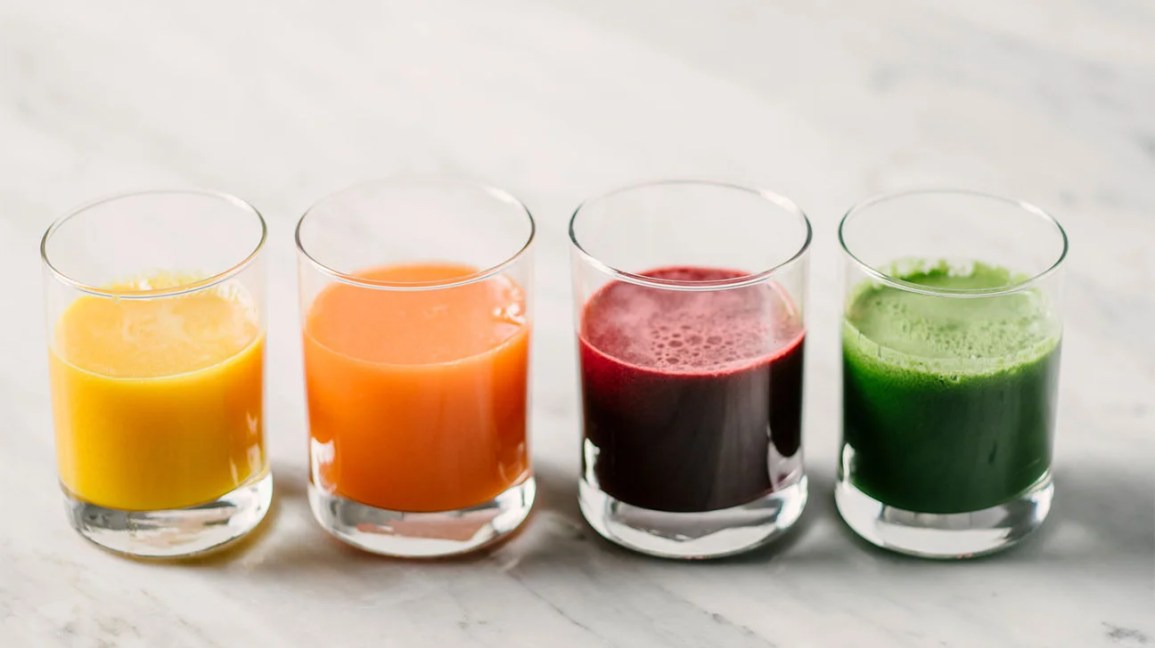
Juicing vegetables is an excellent way to increase your intake of essential vitamins, minerals, and antioxidants without the hassle of cooking or eating large salads. Whether you’re new to juicing or looking to expand your recipe repertoire, choosing the right vegetables is key to making tasty, nutrient-dense juices. Below, we explore the nine best vegetables for juicing, highlighting their unique flavors, health benefits, and pairing suggestions.

1. Carrots: Sweet and Nutrient-Rich
Carrots are a fantastic starting point for juicing beginners. Their natural sweetness balances out the bitterness of other vegetables, making juices more palatable. Rich in beta-carotene, lycopene, lutein, and zeaxanthin, carrots support eye health and skin vitality. Additionally, their high vitamin A and C content can strengthen your immune system, especially during cold and flu seasons. Carrot juice alone or combined with apples and ginger creates a delicious, vibrant drink.
2. Beets: Earthy and Heart-Healthy
Beets are a powerhouse vegetable for juicing, offering a deep, earthy flavor and a striking red color. Juicing beets is simpler and faster than roasting or boiling them. Beets are rich in nitrates, which may help lower blood pressure and improve blood flow, making them popular among athletes. Pair beet juice with citrus fruits or ginger for a refreshing and health-boosting beverage.
3. Cucumbers: Hydrating and Mild
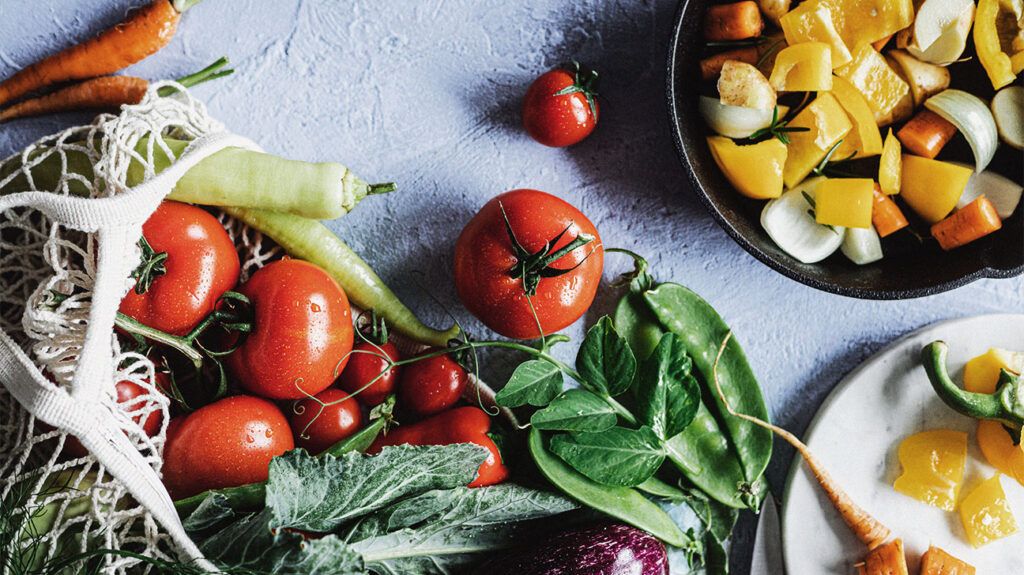
Cucumbers have a high water content, making them perfect for juicing to enhance hydration. Their mild, refreshing taste blends well with nearly any fruit or vegetable, such as pineapple and ginger. Cucumbers also contain anti-inflammatory flavonoids like quercetin, which can help soothe the body. Try cucumber juice as a standalone drink or in a summer agua fresca for a cooling treat.
4. Green Leafy Vegetables: Nutrient-Dense and Versatile
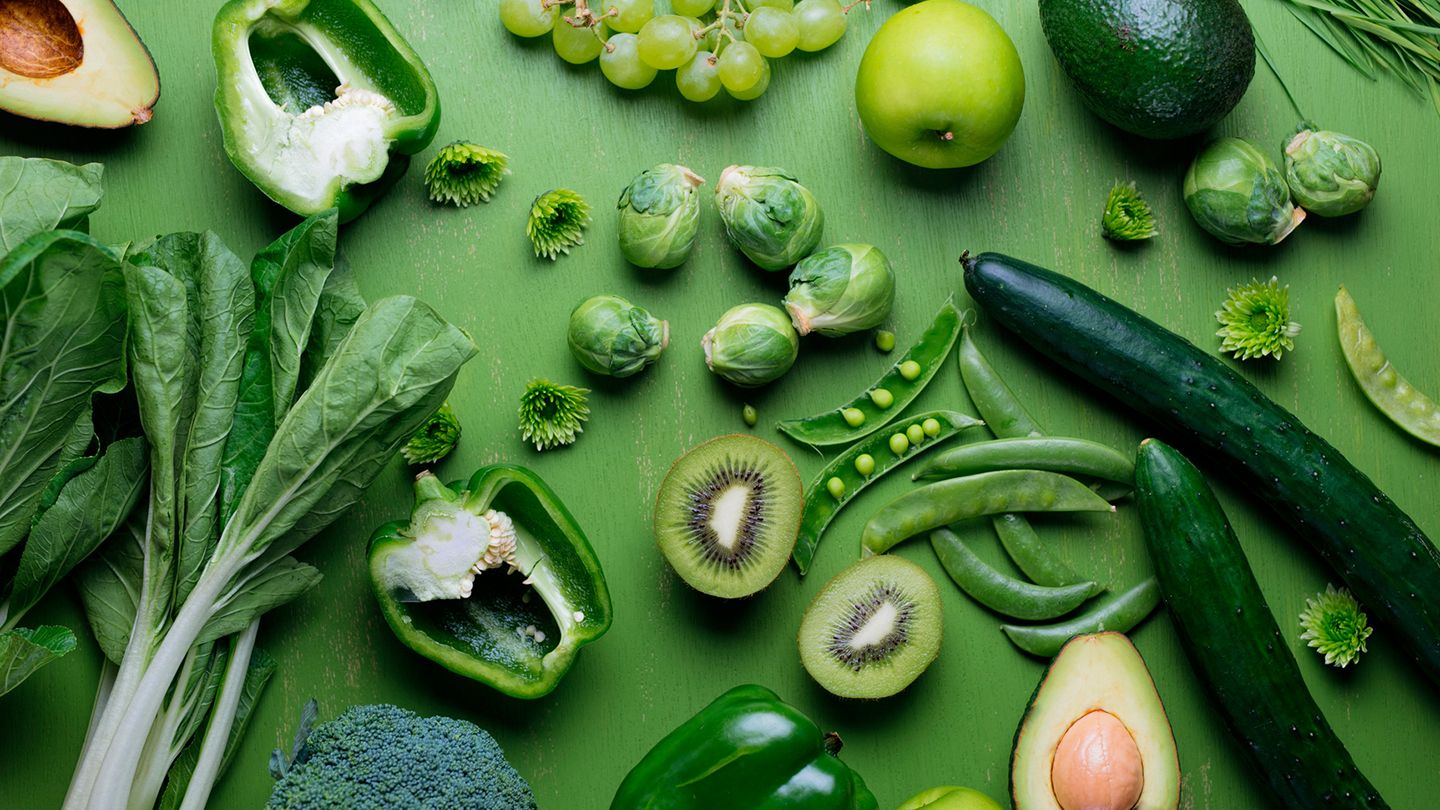
Leafy greens like kale, spinach, and romaine lettuce are excellent juicing options, especially when they’re nearing the end of their shelf life. Juicing preserves water-soluble vitamins that cooking might destroy, such as vitamin C. Kale juice, for example, is a popular green juice base, while romaine lettuce offers a neutral flavor and high water content, making it ideal for mixing with other ingredients.
5. Celery: Refreshing and Electrolyte-Rich
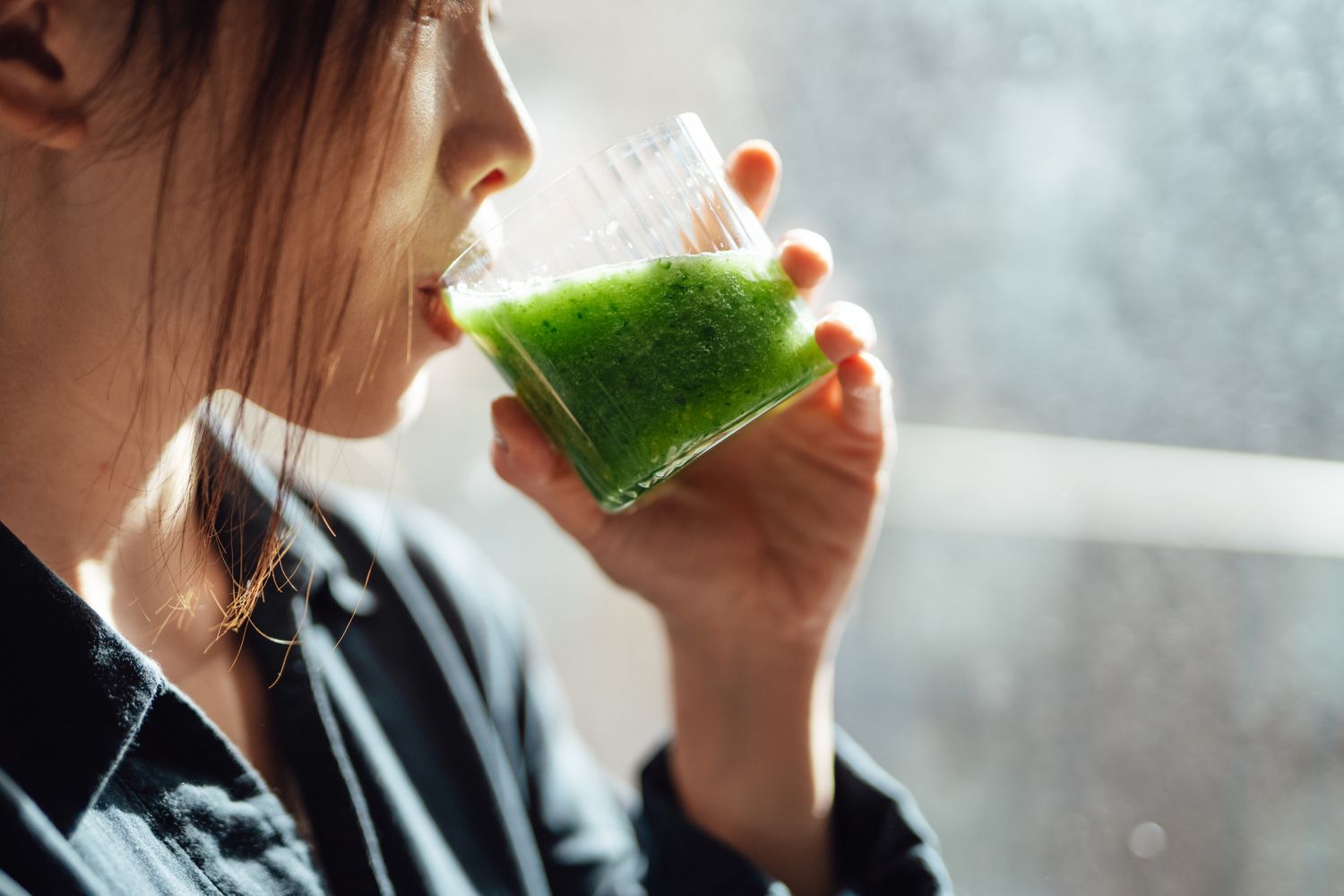
Celery juice gained popularity for its refreshing taste and hydration benefits. With about 95% water, celery yields a large volume of juice and is a natural source of potassium and sodium, essential for fluid balance. Celery pairs well with cucumber, apple, and kale, and can even be used as a mixer in cocktails. Its crisp, vegetal flavor adds a unique twist to your juice blends.
6. Sweet Potatoes: Naturally Sweet and Antioxidant-Rich
Sweet potatoes might not be the first vegetable you think of for juicing, but their natural sweetness and creamy texture make them a delightful addition. Rich in vitamins A and C and heart-healthy antioxidants, sweet potato juice can be a nutritious alternative to fruit juices. Peel and wash them before juicing, and try combining with apple, pear, cinnamon, or ginger for a cozy, fall-inspired drink.
7. Cabbage: Immune-Boosting and Versatile
Cabbage juice offers a robust flavor and a wealth of health benefits, including a high vitamin C content that supports immune and skin health. Purple cabbage adds a beautiful hue and heart-healthy anthocyanins to your juice. Pair cabbage with sweet fruits like apple or pineapple or add ginger to balance its strong taste. For the adventurous, fermented cabbage juice (sauerkraut juice) provides probiotics for gut health and can be used in cocktails and dressings.
8. Fennel: Unique Flavor and Digestive Aid
Fennel brings a distinctive licorice-like flavor to juices, along with potassium, folate, and other nutrients. Known for its digestive benefits, fennel can help reduce bloating and gas. Use the bulb, stalks, and fronds to minimize waste. Combine fennel with apple, kale, pineapple, or ginger to mellow its flavor. Fennel juice can also add an unexpected twist to your homemade cocktails.
9. Broccoli: Nutrient-Packed and Cancer-Fighting
Broccoli juice may sound unusual, but it’s a nutrient-dense option packed with vitamins C and K, potassium, and iron. Juicing raw broccoli preserves sulforaphane, a compound with potential anti-cancer properties. To make broccoli juice more enjoyable, blend it with citrus fruits and sweet options like pineapple or apple. This combination enhances flavor while maximizing health benefits.
Conclusion
Incorporating the 9 best vegetables for juicing into your daily routine is a delicious and convenient way to boost your nutrient intake and support overall wellness. From the sweet and vibrant carrots to the unique and flavorful fennel, each vegetable offers distinct health benefits and taste profiles that can be tailored to your preferences. Ready to elevate your health with fresh, homemade vegetable juices? Grab your juicer, experiment with these vegetables, and start crafting your perfect juice blends today!