10 Mistakes Everyone Makes When Cooking Ground Beef
Common Mistakes Everyone Makes When Cooking Ground Beef
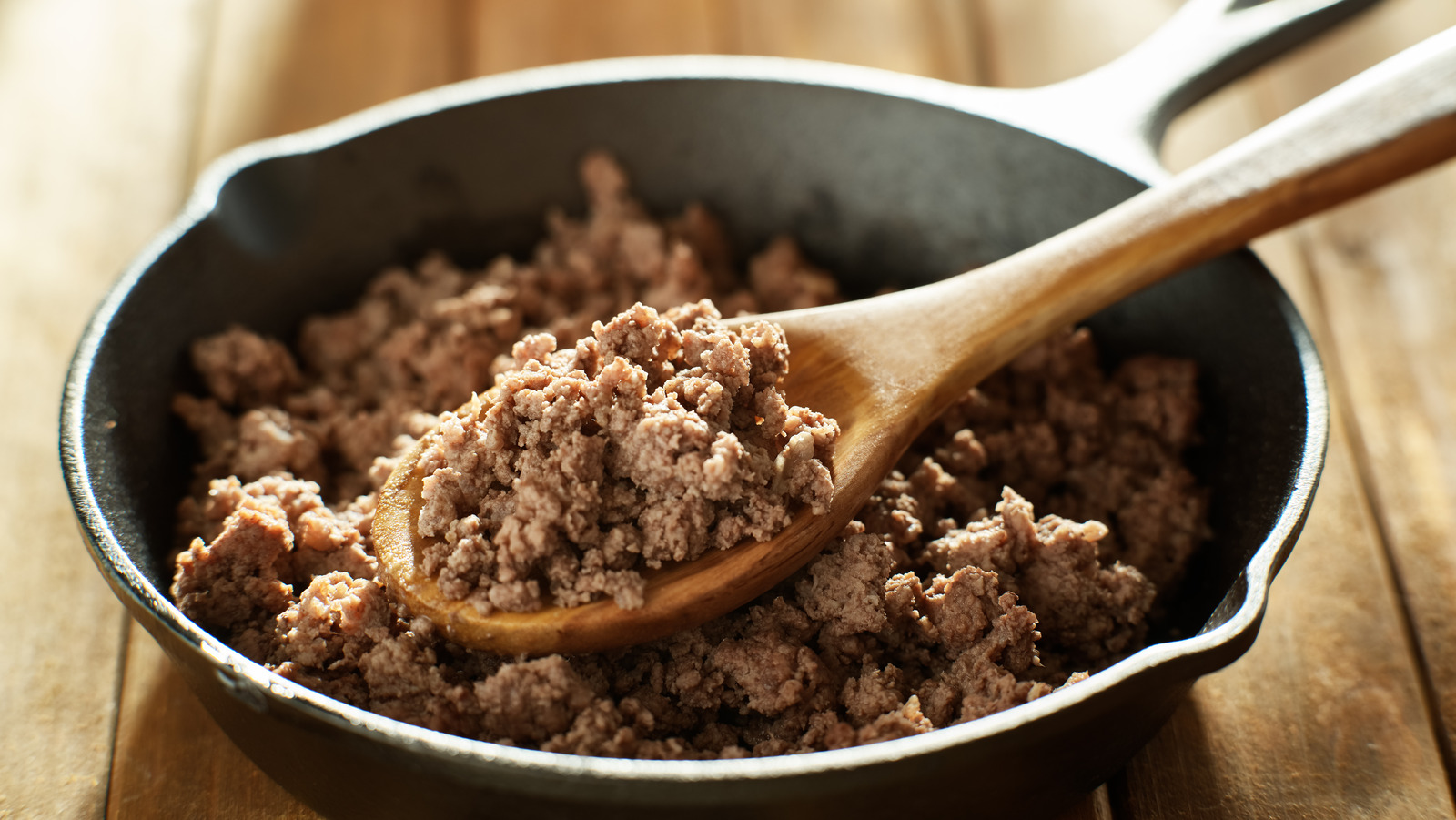
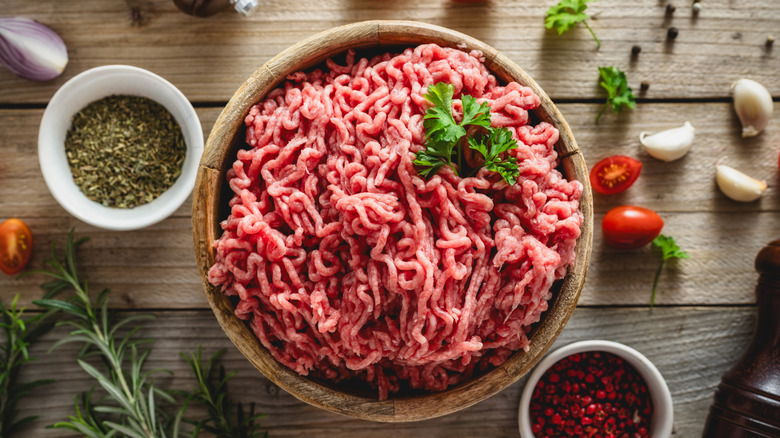
Ground beef is a staple ingredient in countless dishes worldwide, from classic hamburgers and tacos to hearty meat sauces and shepherd’s pie. Despite its popularity and seeming simplicity, many home cooks unknowingly make mistakes that affect the flavor, texture, and safety of their meals. Understanding these pitfalls can help you cook ground beef perfectly every time, ensuring juicy, flavorful results while keeping your kitchen safe and efficient.
In this article, we’ll explore the 10 most common mistakes everyone makes when cooking ground beef and provide practical tips to help you avoid them.
1. Thawing Ground Beef on the Counter
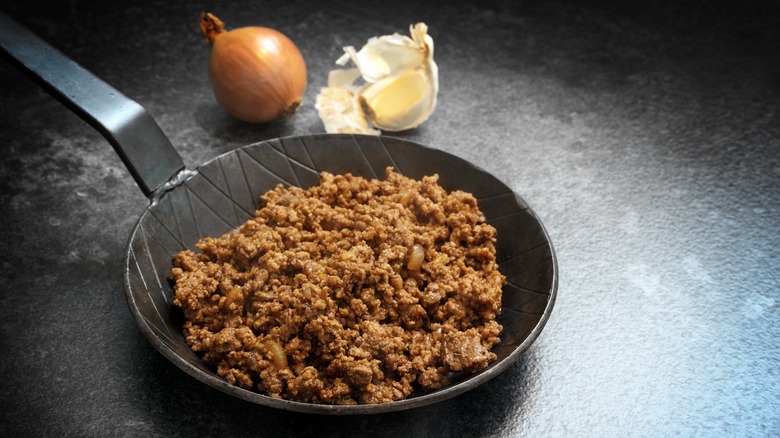
One of the biggest errors is thawing ground beef on the kitchen counter. Leaving meat out at room temperature allows bacteria to multiply rapidly within the “danger zone” of 40°F to 140°F, increasing the risk of foodborne illness. Instead, thaw ground beef safely by placing it in the refrigerator 24 hours before cooking. For quicker thawing, submerge the sealed beef in cold water, changing the water every 30 minutes until fully thawed.
2. Choosing the Wrong Fat Content
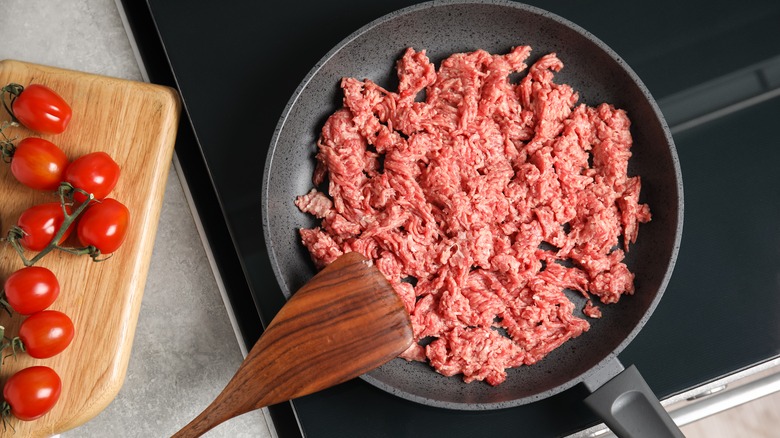
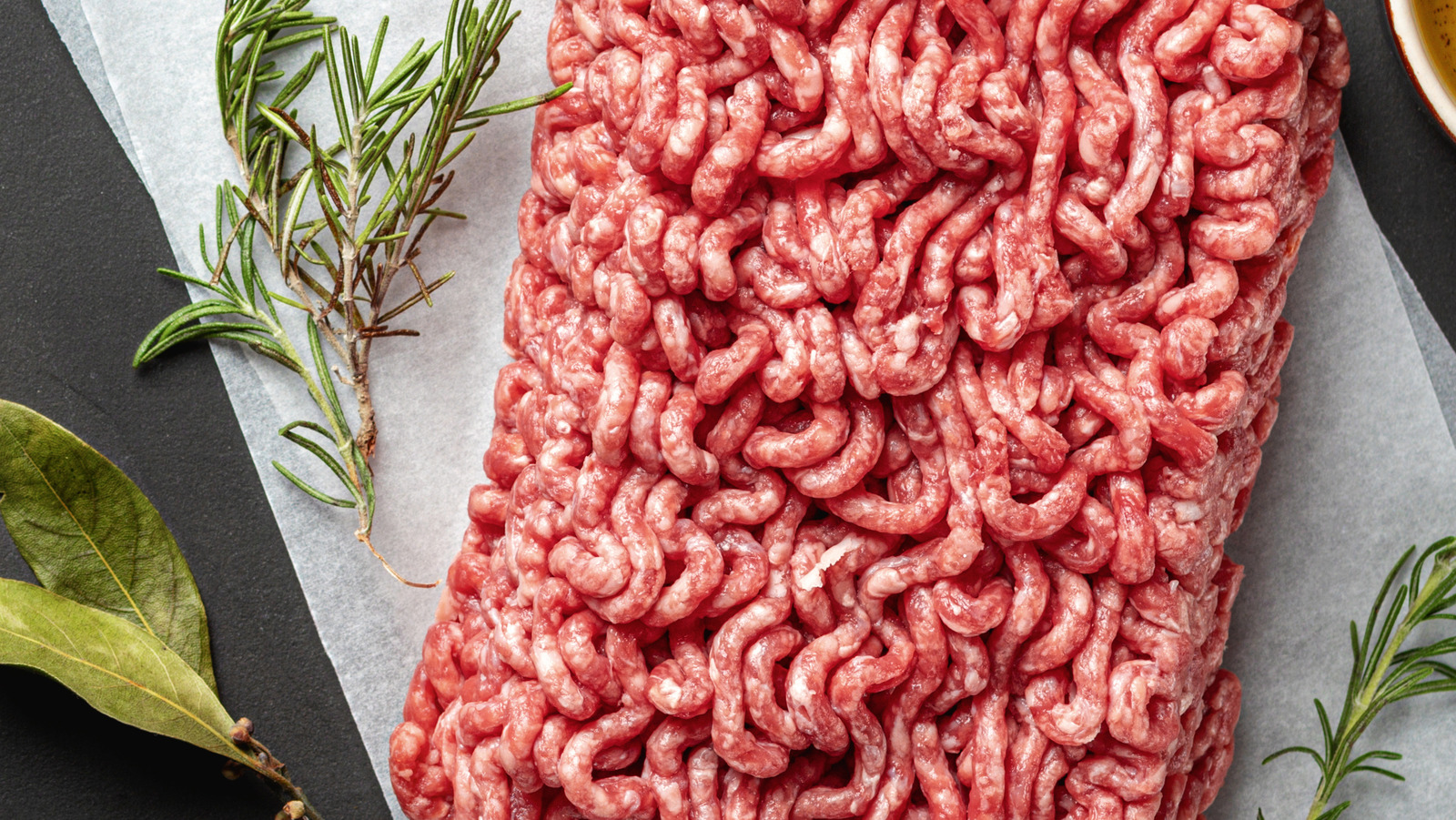
Ground beef comes in various fat-to-lean ratios, such as 70/30, 80/20, 85/15, and 90/10. Selecting the right fat content is crucial for your recipe. Higher fat content (70/30) yields juicier, richer burgers but also more shrinkage and grease. Leaner options like 90/10 are better for sauces but can dry out quickly. Match the fat ratio to your cooking method and dish to achieve the best flavor and texture.
3. Using an Inappropriate Pan
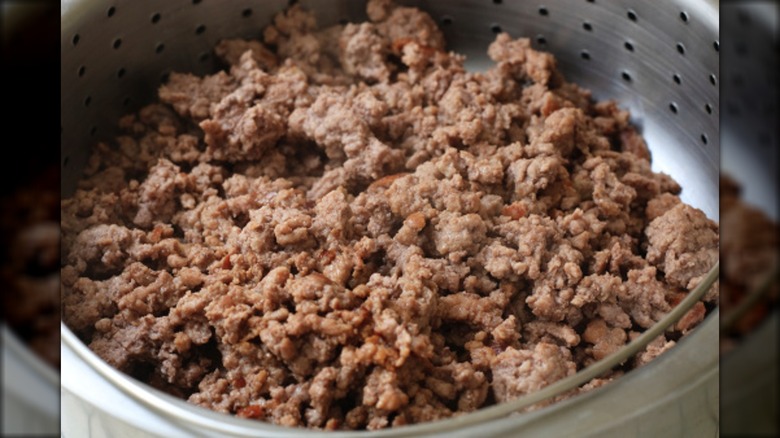
The size and type of pan you use affect how well your ground beef cooks. Overcrowding a small pan causes the meat to steam rather than brown, resulting in less flavor. Use a large skillet—at least 10 inches for one pound of beef—to allow even browning. Additionally, opt for stainless steel or cast iron pans over nonstick, as they retain heat better and promote the Maillard reaction, giving your beef a delicious crust.
4. Adding Cold Meat Directly to the Pan
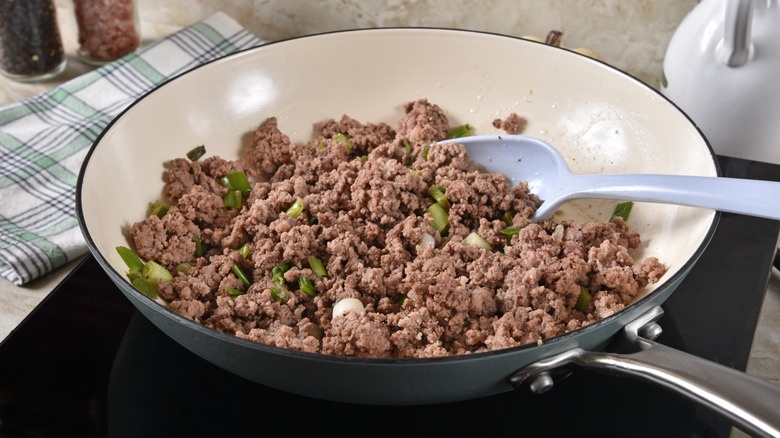
Cooking ground beef straight from the fridge can prevent proper searing. Allow the meat to sit at room temperature for 10 to 15 minutes before cooking. This helps the beef brown evenly and reduces off-putting refrigerator odors, enhancing the final taste of your dish.
5. Forgetting to Preheat the Pan
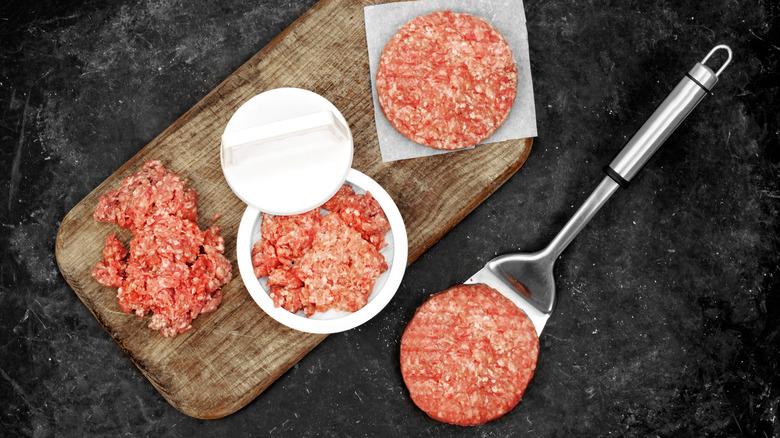
Placing ground beef into a cold skillet is a common mistake that prevents the Maillard reaction—the chemical process responsible for browning and flavor development. Always preheat your pan on medium heat for about 5 minutes before adding oil or beef. A hot pan ensures the meat sears quickly and develops a rich, golden crust.
6. Stirring the Meat Too Often
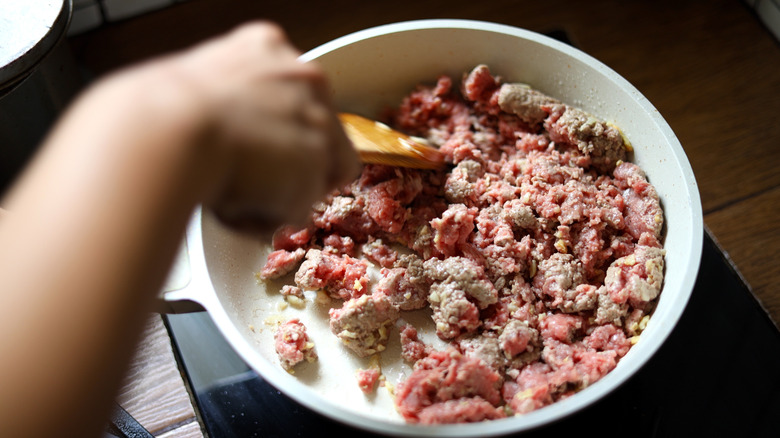
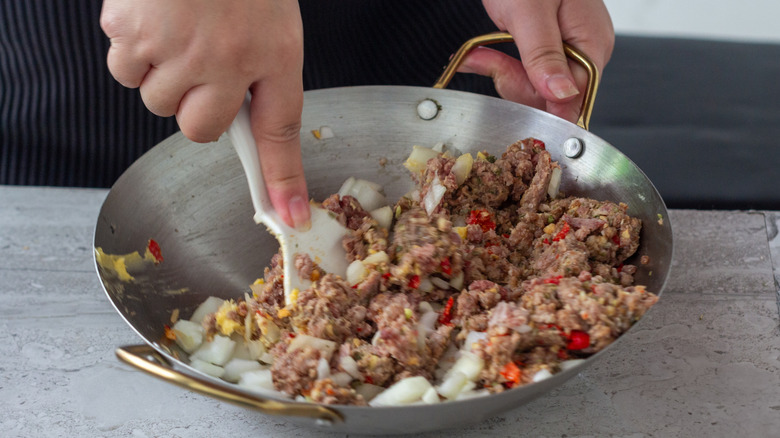
Constantly stirring ground beef breaks up the meat too much and prevents it from browning properly. Instead, break the beef into large chunks and let it cook undisturbed for several minutes. When the meat naturally releases from the pan and develops a crust, break it up and continue cooking. This technique enhances flavor and texture.
7. Pouring Fat Down the Drain

Draining grease from cooked ground beef directly into the sink can clog your pipes over time. Instead, collect the fat in a heat-safe container like a glass jar or empty milk jug. Once cooled, dispose of it in the trash. Alternatively, save the grease for cooking other dishes, provided it smells fresh and has a smooth texture.
8. Rinsing Raw or Cooked Ground Beef
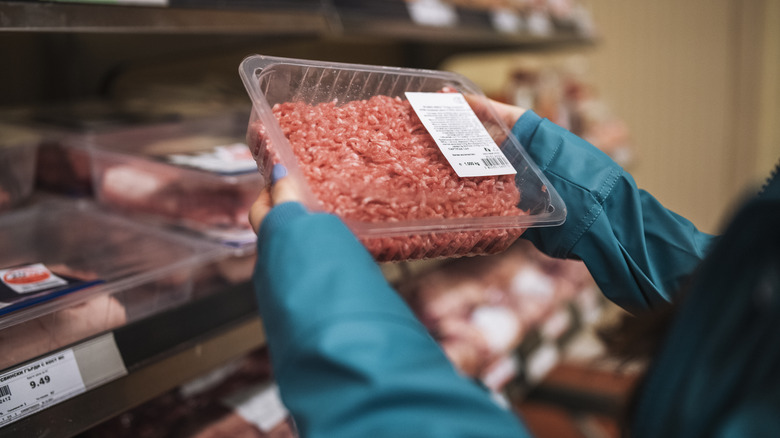
Some believe rinsing ground beef reduces fat or removes bacteria, but this is a mistake. Rinsing cooked beef washes away flavorful fat, diminishing taste. Rinsing raw beef spreads harmful bacteria around your kitchen, increasing the risk of cross-contamination. Always cook ground beef thoroughly instead of rinsing.
9. Not Trying the Air Fryer Method
While stovetop cooking is traditional, browning ground beef in an air fryer is a convenient and healthier alternative. The air fryer drains excess fat through its basket, reducing grease in your dish. Simply season and break up the beef, cook at 400°F for 5-6 minutes, stir, then cook until no pink remains. This hands-off method frees you from constant stirring and draining.
10. Using the Same Utensils for Raw and Cooked Meat
Cross-contamination is a serious food safety risk. Using the same utensils or plates for raw and cooked ground beef can transfer bacteria and cause foodborne illness. Always use separate, clean utensils and serving dishes for cooked meat, or thoroughly wash them with hot, soapy water before reuse.
Conclusion
Mastering how to cook ground beef without these common mistakes will elevate your meals, making them safer, tastier, and more enjoyable. From thawing properly and selecting the right fat content to preheating your pan and avoiding cross-contamination, these tips ensure your ground beef dishes come out perfect every time.
Ready to transform your cooking? Start applying these expert tips today and impress your family and friends with perfectly cooked ground beef every time. Don’t forget to share this guide with fellow home cooks looking to improve their kitchen skills!