What We Learned About Elvis Presley’s Health After His Death
Unveiling the Truth Behind Elvis Presley’s Health and Cause of Death
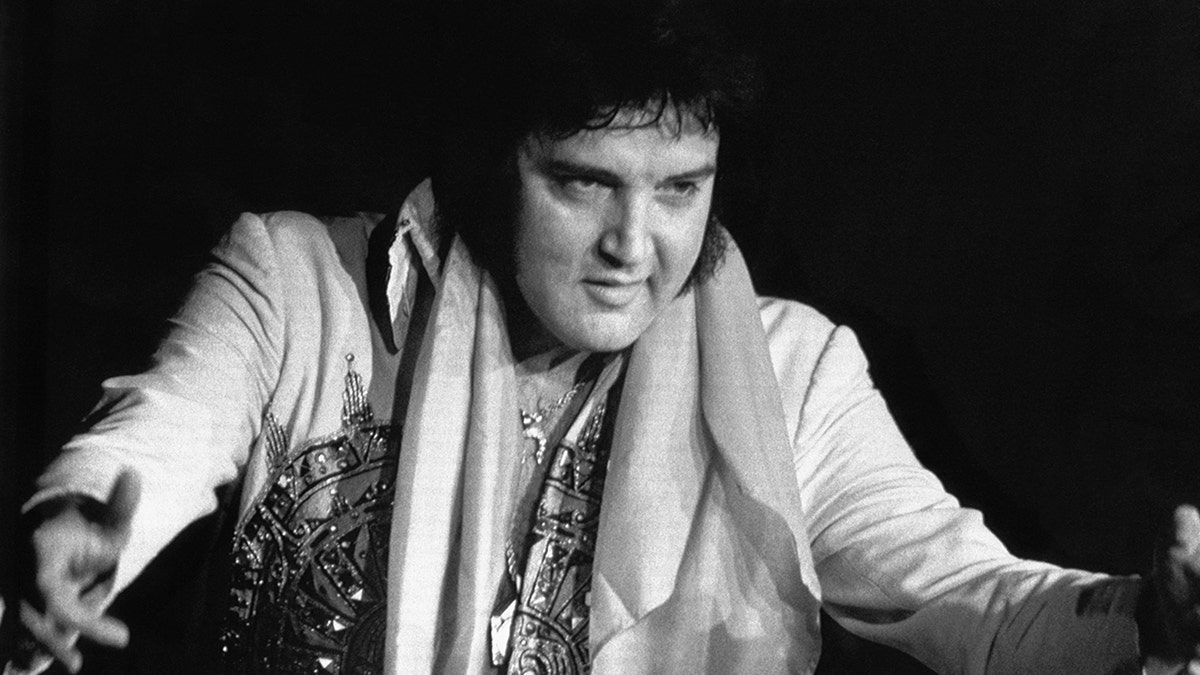
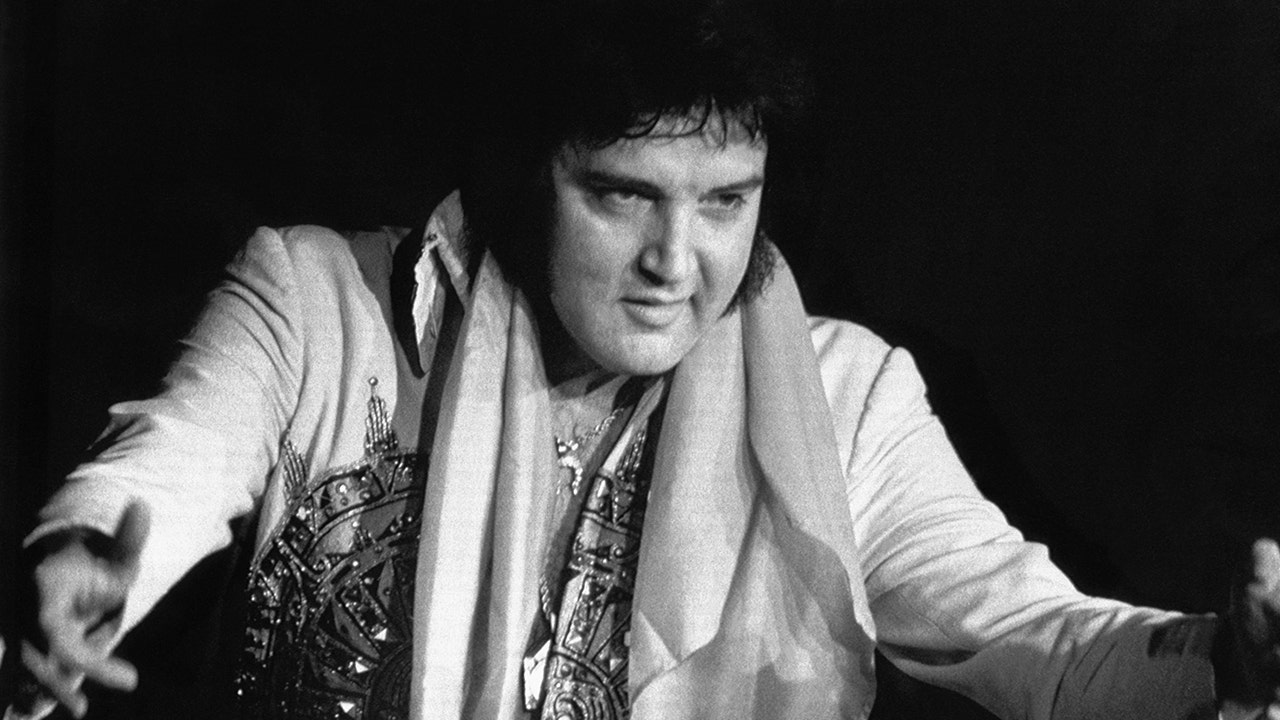
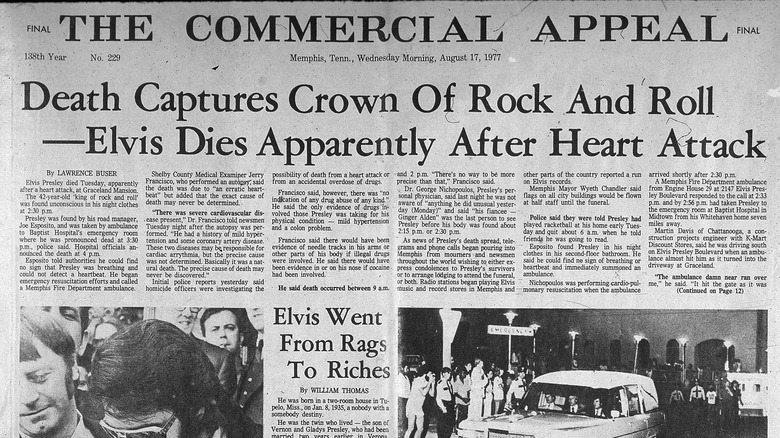
Elvis Presley, famously known as the King of Rock and Roll, left an indelible mark on music history with his electrifying performances and charismatic presence. However, behind the scenes, Presley battled numerous health issues that only came to light after his tragic death at the age of 42 on August 16, 1977. While heart failure was officially cited as the cause of death, subsequent revelations have painted a more complex picture involving prescription drug abuse, genetic disorders, and chronic medical conditions.
In this comprehensive article, we delve into the health challenges Elvis Presley faced, the controversies surrounding his death, and the medical insights uncovered in the decades since his passing.
The Official Cause of Death and Sealed Autopsy Reports
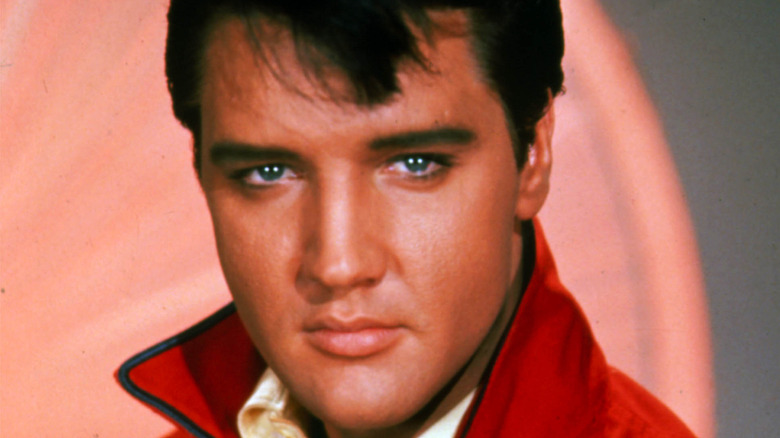
Immediately following Elvis Presley’s death, Tennessee’s Chief Medical Examiner issued a death certificate listing coronary heart disease as the primary cause. However, the autopsy report was sealed by Presley’s father, Vernon Presley, until 2027, sparking widespread speculation and conspiracy theories. This secrecy fueled rumors that prescription drug abuse played a significant role in the King’s demise.
Despite legal efforts by journalists and media outlets to unseal the autopsy, courts upheld the decision to keep the report confidential, leaving many questions unanswered for years.
Prescription Drug Abuse and Its Impact on Elvis’s Health
Accounts from Presley’s family and close associates revealed a troubling pattern of prescription drug misuse. His stepbrother, David Stanley, described Elvis’s drug use as unprecedented, emphasizing that it was not illicit street drugs but rather a heavy reliance on prescribed medications. Doctors reportedly prescribed Elvis a cocktail of drugs to manage his various ailments, some of which may have exacerbated his health problems.
Elvis was hospitalized multiple times for overdoses, and his personal physician, Dr. George Nichopoulos, faced legal scrutiny for over-prescribing medications. Although acquitted, the case highlighted the dangerous extent of Elvis’s dependency on pharmaceuticals.
Underlying Heart and Cardiovascular Conditions
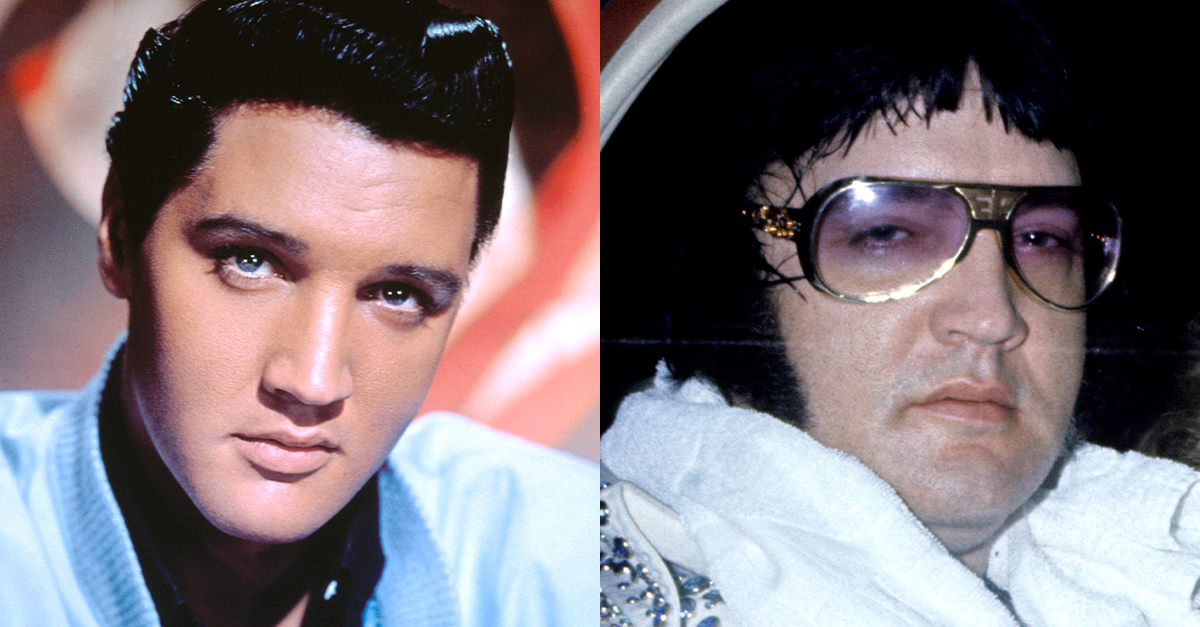
Further medical investigations revealed that Elvis suffered from severe heart and cardiovascular diseases. His heart was found to be nearly twice the normal size, a condition known as cardiomegaly, which places significant strain on the body. Additionally, he had atherosclerosis affecting his aorta, cerebral arteries, and coronary vessels, contributing to compromised blood flow and increased risk of heart attack.
Complications from chronic constipation, likely aggravated by his use of opiates and laxatives, may have increased pressure on his already weakened heart, potentially triggering the fatal cardiac event.
Genetic and Chronic Health Conditions Affecting Elvis Presley
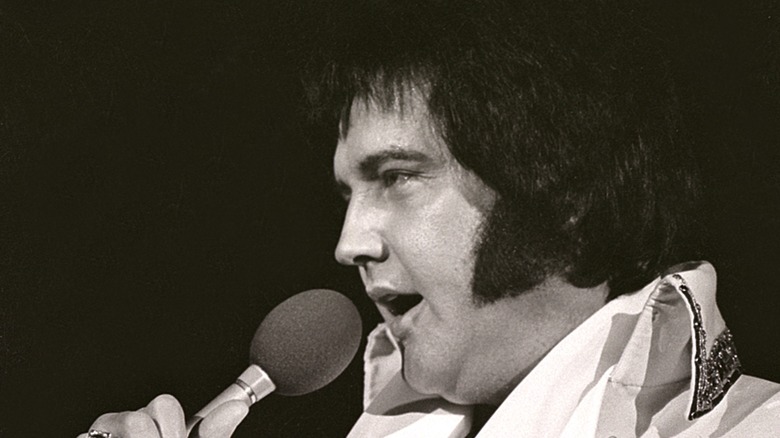
New research and expert opinions suggest that Presley’s health struggles were not solely the result of lifestyle choices but also rooted in genetic predispositions and chronic illnesses. Historian Sally A. Hoedel proposed that Elvis suffered from toxic megacolon, a rare and potentially fatal digestive condition that may have caused lifelong gastrointestinal issues.
Moreover, Presley was a carrier of alpha-1 antitrypsin deficiency (AAT deficiency), a genetic disorder that impairs lung function and can lead to emphysema. This condition, combined with his other health problems, likely contributed to respiratory difficulties and increased vulnerability to infections.
Traumatic Brain Injuries and Autoimmune Disorders
Medical expert Dr. Forest Tennant theorized that Elvis’s multiple head injuries, including a significant fall in 1967, may have triggered an autoimmune inflammatory disorder. This condition could explain many of the symptoms Elvis exhibited later in life, such as joint pain, memory loss, headaches, and behavioral changes.
At the time of Presley’s death, the link between traumatic brain injuries and autoimmune diseases was not well understood, but modern research supports the possibility that brain trauma can disrupt immune system regulation, leading to widespread inflammation and organ damage.
Additional Health Challenges: Glaucoma, Diabetes, and Aspiration Incident
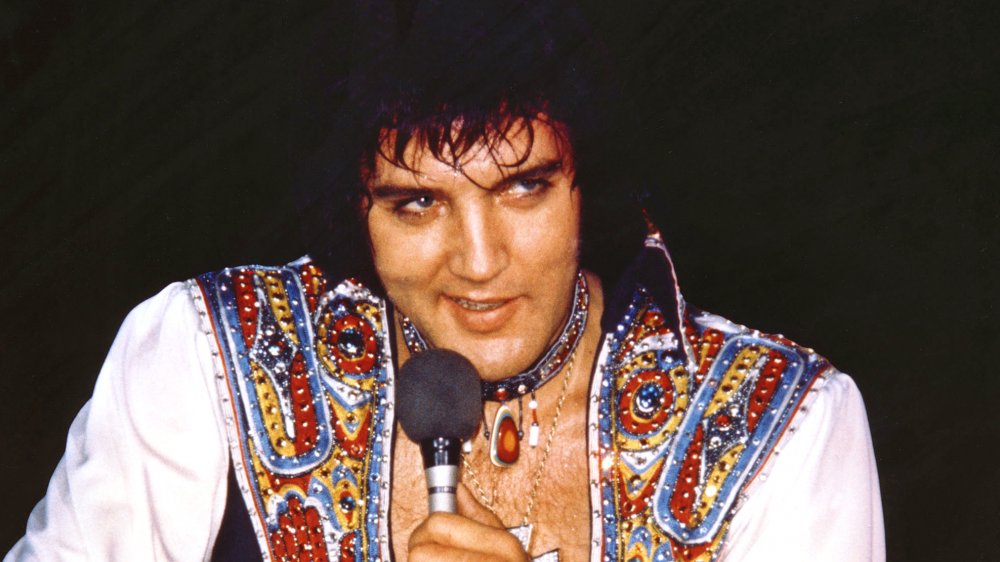
Elvis Presley also faced other serious health issues during his lifetime. In 1971, he was diagnosed with secondary glaucoma, an eye condition that causes increased pressure and can lead to vision loss. This diagnosis forced him to cancel recording sessions temporarily but did not halt his career.
On the day of his death, Presley was found face-down on his bathroom floor, and hospital reports later confirmed he was diabetic. Diabetes likely contributed to his chronic constipation and overall declining health. Additionally, Presley once aspirated a tooth cap during a film shoot, requiring medical intervention to remove it and prevent damage to his vocal cords.
Conclusion
Elvis Presley’s health after his death reveals a complex interplay of genetic disorders, chronic illnesses, prescription drug abuse, and traumatic injuries. These factors combined to create a fragile state that ultimately led to the premature loss of one of music’s greatest icons. Understanding the full scope of Presley’s health challenges offers a more compassionate perspective on the struggles he endured behind the spotlight.
If you found this exploration into Elvis Presley’s health insightful, be sure to share it with fellow fans and history enthusiasts. Stay tuned for more in-depth articles that uncover the untold stories behind legendary figures.