
Why the World Turned on Anne Hathaway and Lost Her Millions in Film Roles with ‘Toxic and Humiliating’ ‘Hatha-Hate’ Campaign to Cancel Her
Anne Hathaway is a name synonymous with talent, grace, and versatility in Hollywood. From her breakout role in The Princess Diaries to her critically acclaimed performance in Les Misérables, Hathaway has proven her acting prowess time and again. However, beneath the glitz and glamour, the actress endured a turbulent period marked by relentless online hate and public backlash. This wave of negativity, often referred to as the ‘Hatha-hate’ campaign, not only tarnished her public image but also led to significant losses in film opportunities and took a toll on her mental well-being. This article delves into the reasons behind the world turning against Anne Hathaway, the impact of the toxic ‘Hatha-hate’ movement, and how she has managed to bounce back stronger than ever.
The Rise and Fall: Understanding the ‘Hatha-Hate’ Phenomenon

In the early 2010s, Anne Hathaway found herself at the center of a vicious online hate campaign dubbed ‘Hatha-hate.’ This backlash was characterized by harsh criticism, trolling, and a widespread perception of the actress as insincere and overly theatrical. Despite her undeniable talent and professional achievements, Hathaway was labeled as “fake” and “annoying” by a vocal segment of the public and media alike.
One of the pivotal moments that fueled this negativity was Hathaway’s acceptance speech at the 2013 Academy Awards, where she won Best Supporting Actress for her role in Les Misérables. The opening line of her speech, “it came true,” was widely mocked and interpreted as pretentious, sparking a wave of ridicule across social media platforms. This incident became a catalyst for the ‘Hatha-hate’ movement, amplifying the criticism and turning it into a full-blown campaign.
The backlash was not just limited to online abuse; it translated into tangible professional consequences. Hathaway reportedly lost millions of dollars in potential film roles as producers and studios became wary of associating with an actress who had become a lightning rod for controversy. The negative press and public sentiment created a challenging environment for Hathaway to navigate, affecting both her career trajectory and personal life.
Factors That Sparked the Backlash Against Anne Hathaway
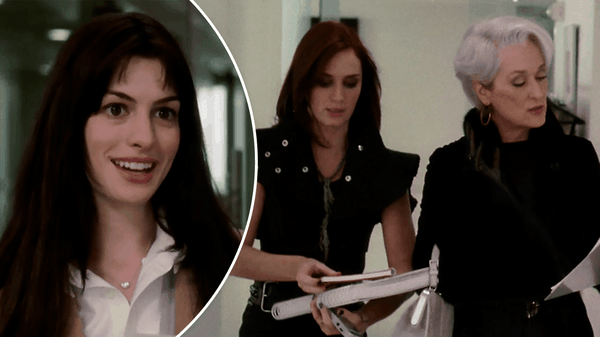
Several factors contributed to the emergence of the ‘Hatha-hate’ campaign:
- Public Perception of Authenticity: Hathaway’s polished and poised public persona was often misinterpreted as insincerity. Critics accused her of being overly rehearsed and lacking genuine emotion, which contrasted sharply with the raw and candid images of other celebrities.
-
Media Amplification: Tabloids and entertainment media played a significant role in magnifying the criticism. Headlines and articles frequently highlighted negative opinions, creating a feedback loop that intensified public disdain.
-
Social Media Dynamics: The rise of social media platforms gave audiences a direct channel to express their opinions, often anonymously. This environment fostered a breeding ground for toxic comments and coordinated attacks.
-
Comparison with Peers: Hathaway was often unfavorably compared to other actresses who were perceived as more relatable or down-to-earth, further isolating her in the public eye.
-
High Expectations: As a prominent figure in Hollywood, Hathaway was held to exceptionally high standards. Any perceived misstep was scrutinized and exaggerated, contributing to the harsh judgment she faced.
The Impact on Anne Hathaway’s Career and Mental Health

The consequences of the ‘Hatha-hate’ campaign extended beyond mere public criticism. Hathaway’s career suffered as she lost out on lucrative film roles, which not only affected her earnings but also her standing within the industry. Casting directors and producers became hesitant to work with her, fearing the potential backlash and negative publicity.
Moreover, the relentless negativity took a significant toll on Hathaway’s mental health. The actress has been open in interviews about the struggles she faced during this period, including feelings of isolation, anxiety, and self-doubt. The toxic environment created by the campaign made it difficult for her to maintain confidence and focus on her craft.
Despite these challenges, Hathaway demonstrated resilience and determination. She sought support from friends, family, and mental health professionals, which helped her navigate the storm. Over time, she rebuilt her reputation through a combination of stellar performances, public humility, and a more grounded approach to her public image.
Anne Hathaway’s Comeback: Overcoming the ‘Hatha-Hate’ and Reclaiming Stardom

In recent years, Anne Hathaway has successfully turned the tide, proving that the ‘Hatha-hate’ campaign was only a temporary setback. Her performances in films like Interstellar, Ocean’s 8, and the highly anticipated The Devil Wears Prada 2 have been met with critical acclaim and audience appreciation.
Hathaway’s comeback strategy involved embracing authenticity and vulnerability, both on and off-screen. She has been candid about her experiences with online hate and mental health, using her platform to raise awareness and encourage kindness. This openness has helped humanize her in the eyes of the public and rebuild trust.
Additionally, Hathaway has diversified her career by taking on a variety of roles that showcase her range and depth as an actress. This versatility has reinforced her status as a serious and respected talent in Hollywood.
Lessons Learned from the ‘Hatha-Hate’ Campaign

Anne Hathaway’s experience offers valuable insights into the impact of public opinion and the importance of resilience:
– The Power of Public Perception: How quickly public sentiment can shift and the influence of media narratives on a celebrity’s career.
– The Dangers of Online Toxicity: The real-world consequences of cyberbullying and coordinated hate campaigns.
– The Importance of Mental Health: Recognizing the emotional toll of fame and the necessity of seeking support.
– The Value of Authenticity: How embracing one’s true self can help overcome negativity and rebuild a positive image.
Conclusion
The story of Anne Hathaway’s rise, fall, and resurgence is a compelling example of the challenges celebrities face in the digital age. The ‘Hatha-hate’ campaign was a toxic and humiliating chapter that cost her millions in film roles and affected her mental health. Yet, through resilience, authenticity, and talent, Hathaway has reclaimed her place as one of Hollywood’s most beloved actresses. If you’ve been inspired by Anne Hathaway’s journey, stay tuned for more updates on her upcoming projects and learn how overcoming adversity can lead to greater success. Don’t forget to share this article and join the conversation about the impact of online hate on public figures!