
The Cause of Brandon Clarke’s Death: Sepsis Linked to Unusual Tattoo Ink Marks
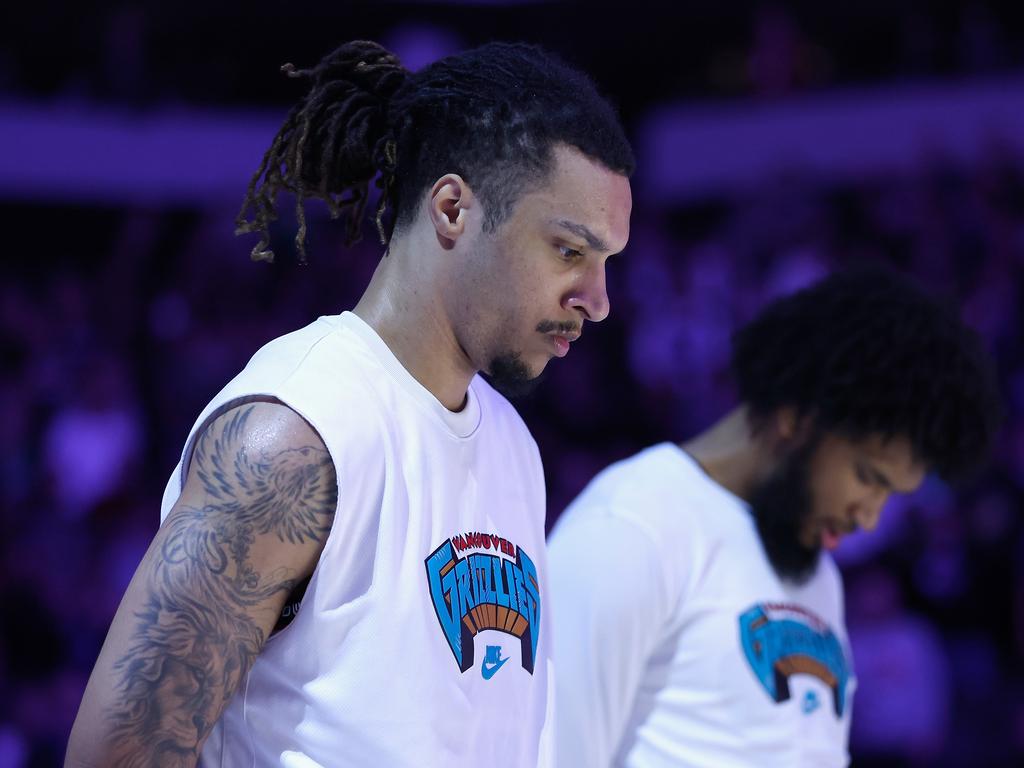
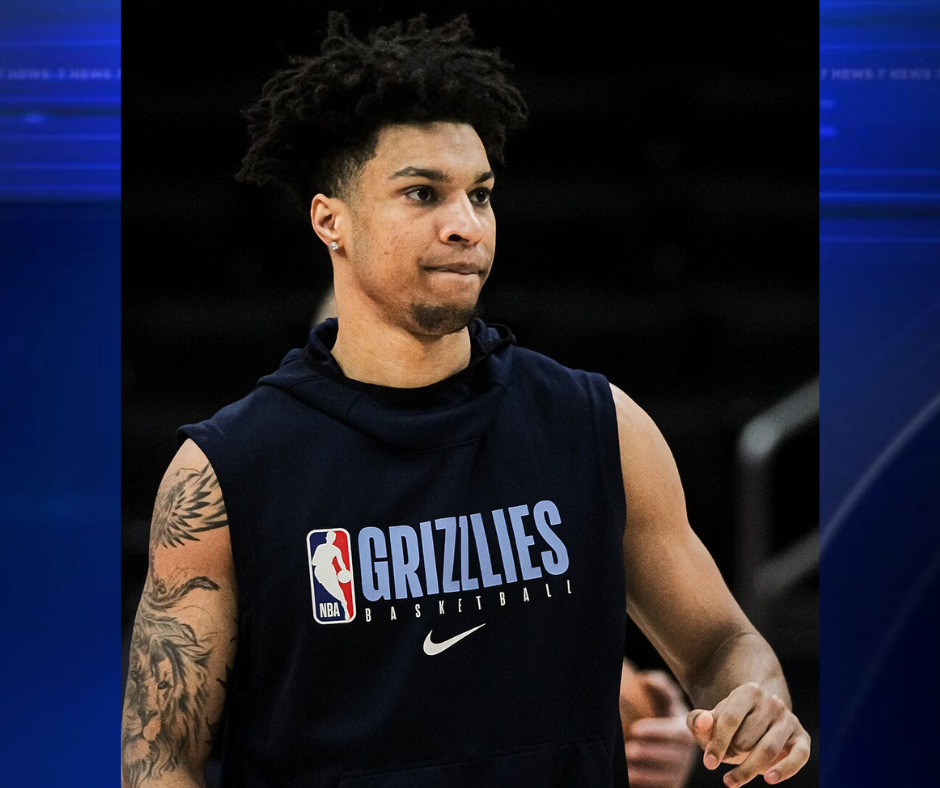
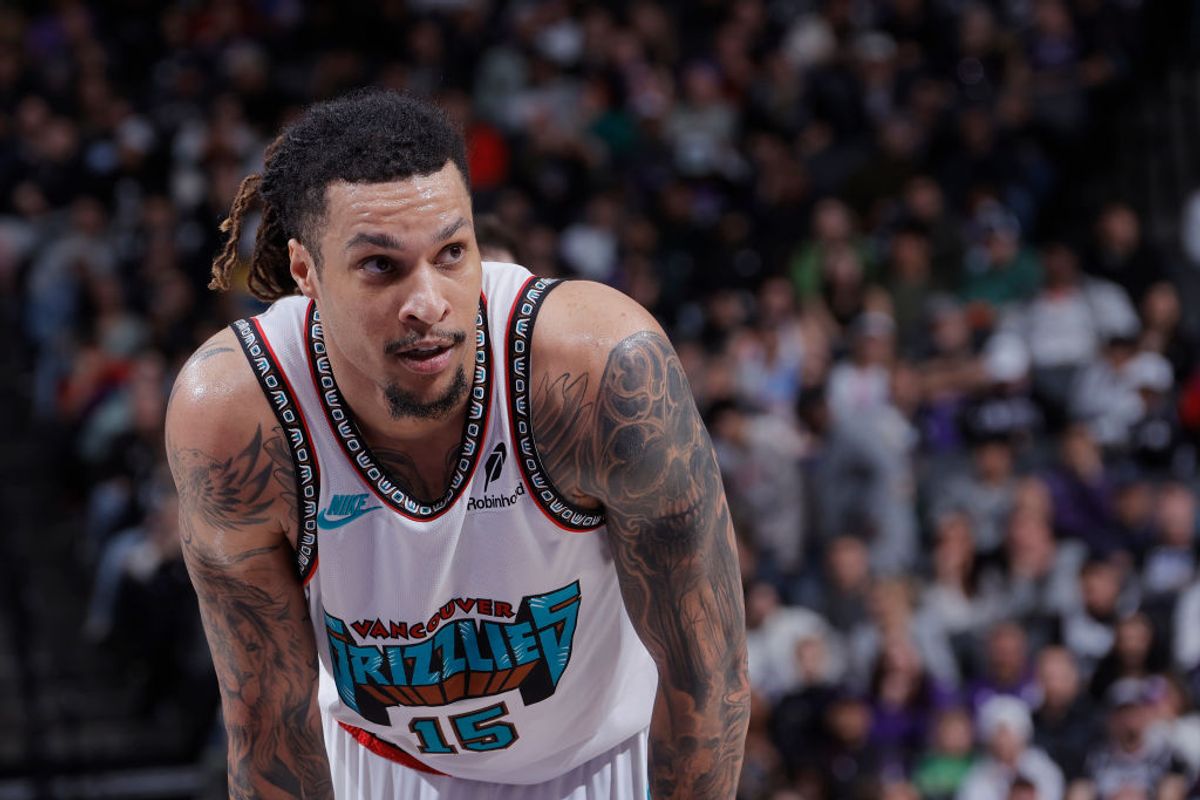
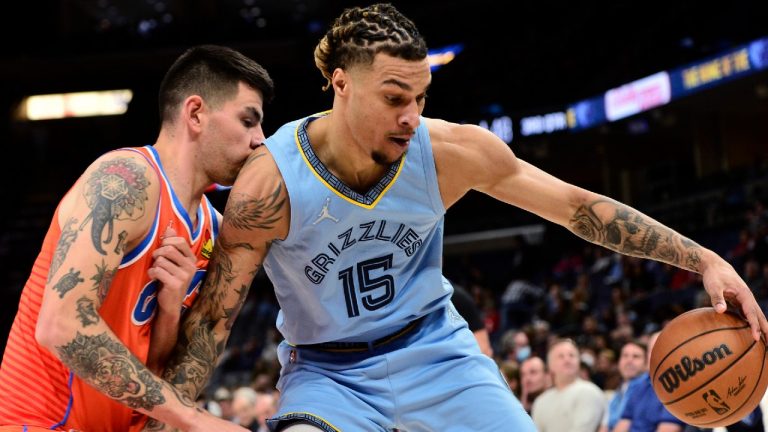
Brandon Clarke, the talented forward for the Memphis Grizzlies, tragically passed away at the age of 29. His sudden death shocked the basketball community and fans worldwide. Initially, rumors circulated about a possible drug overdose, but recent revelations have clarified the true cause: sepsis caused by strange tattoo ink marks that Clarke had gotten just one day before his passing. This article delves into the details surrounding this heartbreaking event, shedding light on the medical condition that led to his untimely death and the circumstances that contributed to it.
Understanding the Cause of Brandon Clarke’s Death: Sepsis from Tattoo Ink

Brandon Clarke’s death was a devastating blow to the NBA and the Memphis Grizzlies organization. While early reports left many speculating about the cause, official sources have now confirmed that Clarke’s passing was due to sepsis, a life-threatening condition triggered by infection. What makes this case particularly unusual is that the sepsis was linked to tattoo ink marks Clarke had received just one day prior to his death.
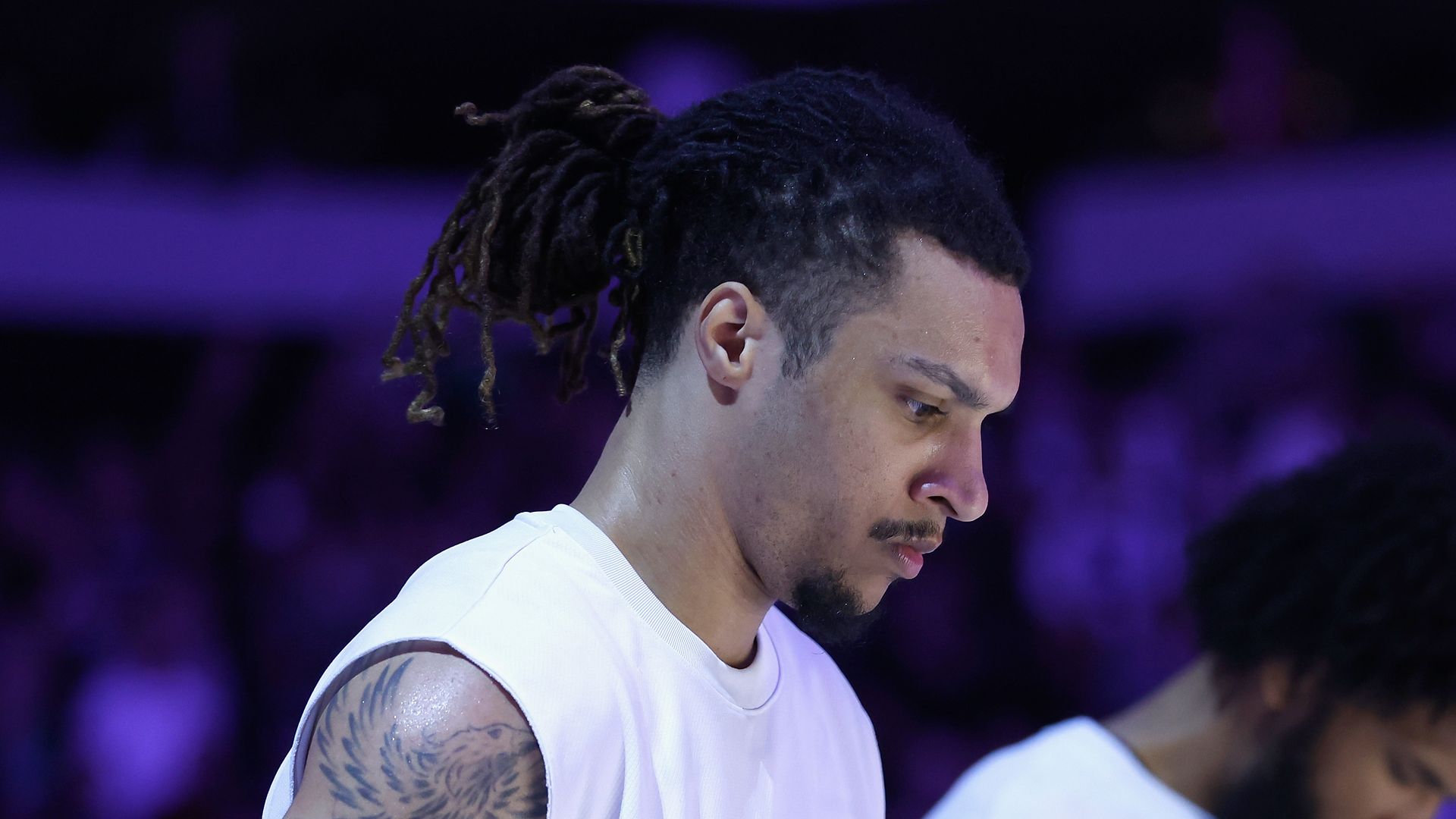
Tattooing involves injecting ink into the skin, which can sometimes introduce bacteria or other pathogens if proper hygiene standards are not maintained. In Clarke’s case, the tattoo ink used was described as “strange,” suggesting it may have contained contaminants or substances that triggered a severe immune response. This led to an overwhelming infection, causing sepsis—a dangerous condition where the body’s response to infection causes tissue damage, organ failure, and potentially death.
What Is Sepsis and How Can Tattoos Trigger It?
Sepsis is a medical emergency that arises when the body’s response to infection spirals out of control. It can develop rapidly and requires immediate treatment to prevent fatal outcomes. Common symptoms include fever, rapid heartbeat, difficulty breathing, confusion, and extreme pain or discomfort.
Tattoos, while generally safe when performed under sterile conditions, carry a risk of infection if the equipment or ink is contaminated. Bacteria such as Staphylococcus aureus or Streptococcus can enter the bloodstream through the tattooed skin, especially if aftercare instructions are not followed or if the ink contains harmful substances. In rare cases, this can escalate to sepsis.
In Brandon Clarke’s unfortunate situation, the tattoo ink’s unusual composition likely played a critical role in triggering the infection. The rapid progression from receiving the tattoo to developing sepsis within a day highlights the severity of the contamination and the body’s extreme reaction.
The Impact of Brandon Clarke’s Death on the Memphis Grizzlies and NBA Community

Brandon Clarke was more than just a player; he was a beloved teammate, friend, and community figure. Having spent his entire NBA career with the Memphis Grizzlies, Clarke was known for his dedication on the court and his supportive nature off it. His death has left a profound void within the team and the broader basketball community.
The Memphis Grizzlies released a heartfelt statement expressing their grief: “We are heartbroken by the tragic loss of Brandon Clarke. Brandon was an outstanding teammate and an even better person whose impact on the organization and the greater Memphis community will not be forgotten.” NBA Commissioner Adam Silver also conveyed his condolences, emphasizing Clarke’s passion and leadership.
This tragedy has sparked conversations about the importance of health awareness, especially regarding seemingly routine activities like getting tattoos. It underscores the need for vigilance about hygiene standards and the potential risks associated with body art.
Lessons Learned and Preventive Measures

Brandon Clarke’s death serves as a sobering reminder of the dangers that can arise from infections, even in young and healthy individuals. For athletes and the general public alike, it is crucial to:
– Choose reputable tattoo artists who adhere to strict sterilization protocols.
– Ensure tattoo inks are sourced from safe, regulated suppliers.
– Follow all aftercare instructions meticulously to prevent infection.
– Seek immediate medical attention if signs of infection appear after getting a tattoo.
Healthcare professionals also advocate for increased awareness about sepsis symptoms and the urgency of early treatment. Prompt intervention can save lives and reduce complications.
Conclusion
The revelation that Brandon Clarke’s death was caused by sepsis linked to unusual tattoo ink marks is a tragic and cautionary tale. It highlights the hidden risks associated with tattoos and the critical importance of infection prevention. As the Memphis Grizzlies and the basketball world mourn the loss of a remarkable athlete, this incident calls for greater public education on tattoo safety and sepsis awareness.
If you or someone you know is considering getting a tattoo, prioritize safety by choosing licensed professionals and monitoring for any signs of infection. Early detection and treatment can make all the difference.
Stay informed, stay safe, and honor Brandon Clarke’s memory by spreading awareness about the risks of infections and the importance of health vigilance.





)