
An ESPN Reporter Carried a Dark Family Secret for Years. She’s Sharing It Now
The Hidden Tragedy Behind an ESPN Reporter’s Life

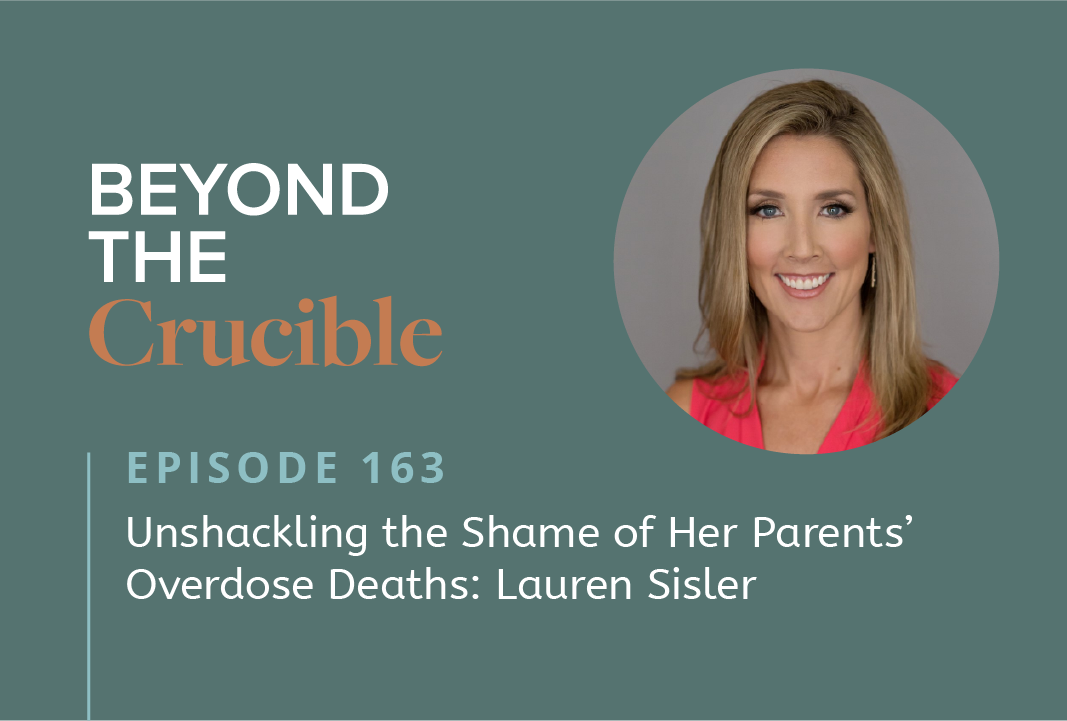
In the world of sports journalism, Lauren Sisler has built a respected career as an ESPN reporter. Yet behind her professional success lies a deeply personal and painful story she kept hidden for years. In 2003, when Lauren was just 18 and a freshman at Rutgers University, she experienced an unimaginable loss: both of her parents died within months of each other under tragic circumstances. What made the loss even more difficult was the secret her family had carried — her parents’ silent battle with addiction to powerful prescription opioids.
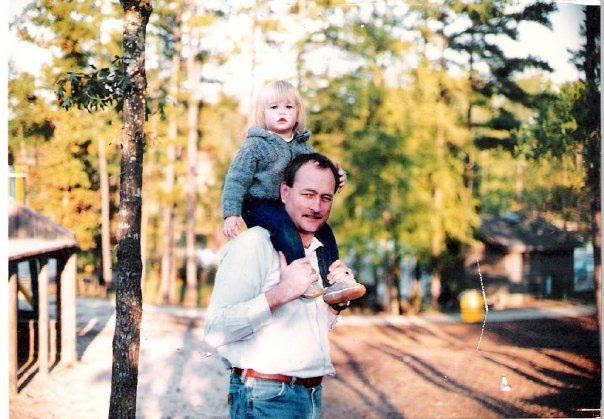
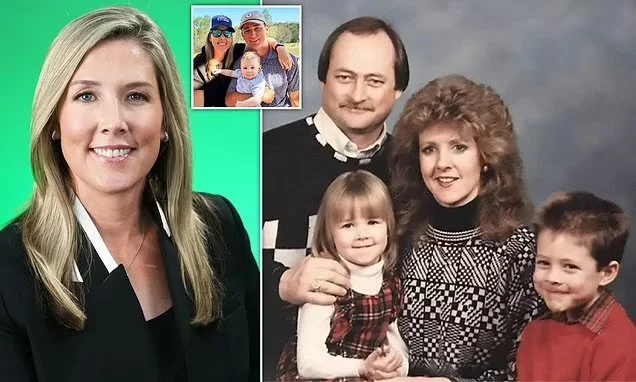
Lauren’s mother, Lesley, and father, Butch Sisler, appeared to be loving, supportive parents who focused all their energy on their children’s futures. However, beneath this facade, both were struggling with pain medication dependency that ultimately led to their accidental deaths. It wasn’t until toxicology reports arrived months later that Lauren learned the truth: her parents had overdosed on fentanyl patches, a potent synthetic opioid.
From Shock to Silence: The Burden of Shame
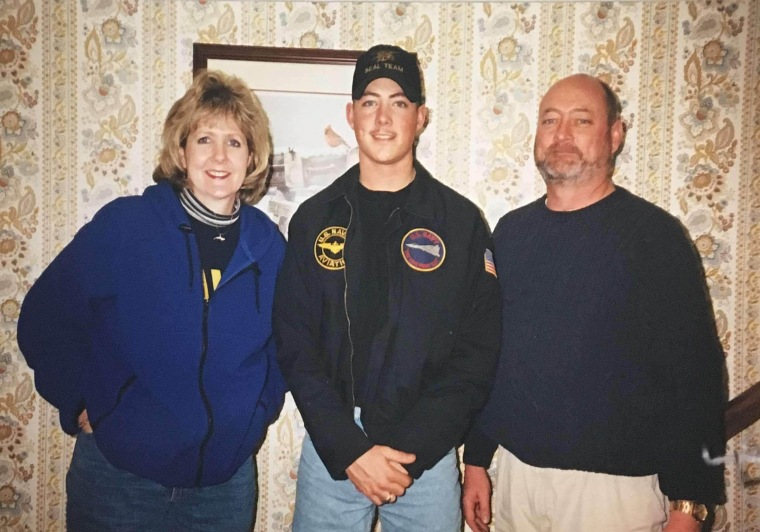
The suddenness of her parents’ deaths left Lauren and her brother Allen in shock. They had spoken to their parents the night they died, and everything seemed normal. The revelation that both had ingested an entire pack of fentanyl patches was devastating. For years, Lauren grappled with feelings of confusion, grief, and most of all, shame.
She admits that the stigma surrounding addiction made it difficult to be open about her family’s tragedy. Lauren even created a “sugarcoated story” to explain their deaths to others, telling people her father died of a heart attack and her mother of respiratory failure. While technically true, this narrative concealed the painful reality of opioid addiction and overdose.
The shame was not only about her parents’ struggles but also about how their deaths might be perceived by others, especially in her professional life. Lauren feared that revealing her family’s history would lead to judgment and discrimination, potentially jeopardizing her career in journalism.
Breaking the Silence: Sharing a Story of Addiction and Recovery

As the opioid crisis escalated across the United States, Lauren realized the importance of speaking out. In 2016, she made the courageous decision to share her family’s story publicly. She recognized that honesty and transparency were essential not only for her healing but also for helping others facing similar struggles.
Lauren’s openness about her parents’ addiction and overdose became a powerful tool to combat stigma. She emphasizes that shame loses its power when brought into the light. By sharing her experience, she hopes to encourage others to seek help without fear or embarrassment.
Her journey inspired her to write a book titled Shatterproof, where she delves deeper into the impact of addiction on families and the importance of compassion and understanding. Lauren’s story highlights the need to reframe moments of shame and loss as opportunities for growth and resilience.
Lessons Learned and a Message of Hope

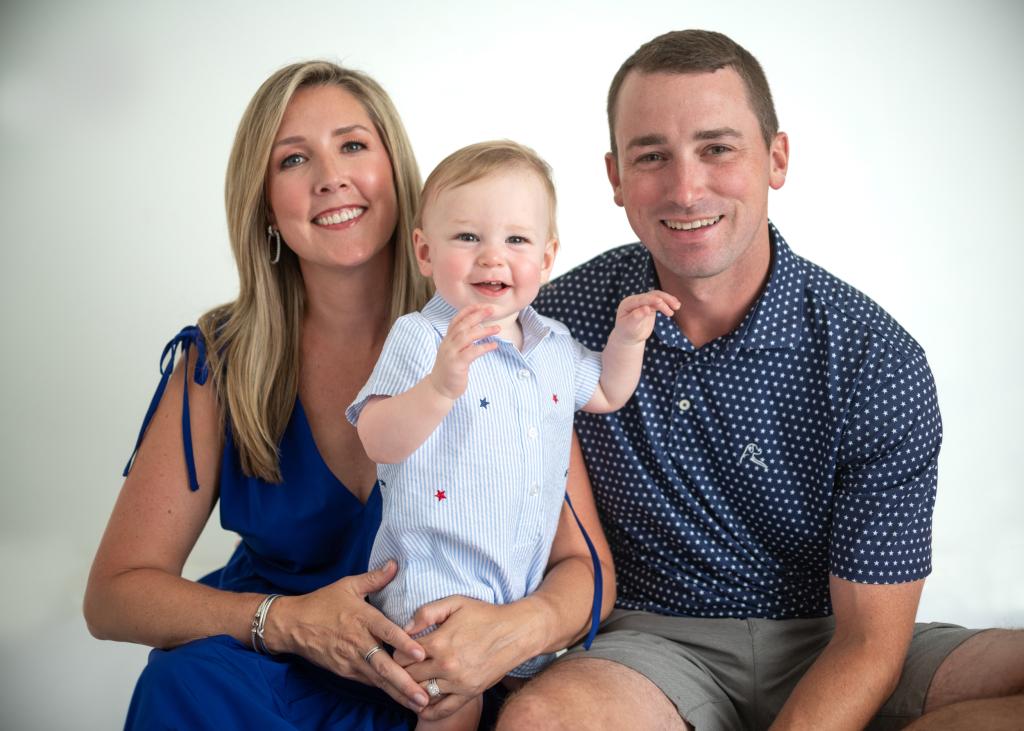
Lauren Sisler’s experience has taught her valuable lessons about vulnerability, strength, and the power of storytelling. She now shares these insights with her young son, Mason, and others who may be facing their own hardships. Her message is clear: “Your hardest chapter can be a wonderful, defining moment. It’s not the thing that breaks you, it’s the thing that builds you.”
By opening up about her family’s darkest moments, Lauren has found peace and healing. Friends of her parents, once unaware of the full truth, have expressed relief and gratitude for her honesty. Their response underscores the importance of breaking down the walls of silence and stigma surrounding addiction.
Conclusion
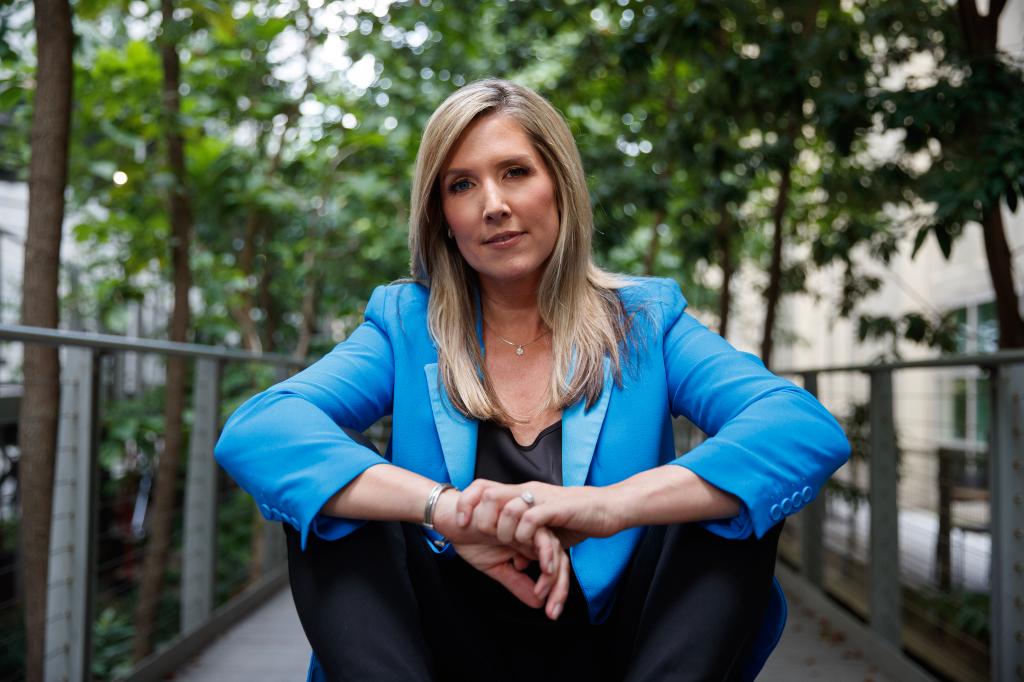
Lauren Sisler’s journey from carrying a dark family secret to becoming a vocal advocate against opioid addiction is both inspiring and impactful. Her story reminds us that behind every tragedy, there is a human experience deserving of empathy and understanding. If you or someone you know is struggling with addiction, remember that help is available and that sharing your story can be a powerful step toward healing.
If Lauren’s story moved you, consider sharing it to raise awareness about the opioid crisis and the importance of compassion. Together, we can break the stigma and support those affected by addiction on their path to recovery.